*By Conor White*
President Trump's decision to withdraw from the Iran nuclear deal makes it more difficult for the United States to negotiate a new understanding with Tehran, or any deal with other foreign governments, said Laura Secor, a journalist and author who has written extensively on Iran.
"The message not only is the United States is walking away from an agreement limiting the nuclear program in Iran, but that the United States is willing to walk away from its commitments negotiated under previous administrations" Secor said in an interview Wednesday with Cheddar.
Despite the White House's expressed confidence a better deal could be struck, Secor, author of "Children of Paradise: The Struggle for the Soul of Iran," said she doesn't see a way forward for another agreement with Iran.
"The Trump administration has not unveiled any Plan B here," she said. "There was talk they would get a bigger, better deal, but the idea that you would have a country whose commitment you have just abrogated agree to make a bigger, deeper, longer commitment to you, is delusional."
America's European allies, including France, which is a party to the Iran deal, have insisted the deal can survive even without the United States and have encouraged Iran to continue in good faith.
For the full interview, [click here](https://cheddar.com/videos/fallout-from-president-trumps-iran-decision).
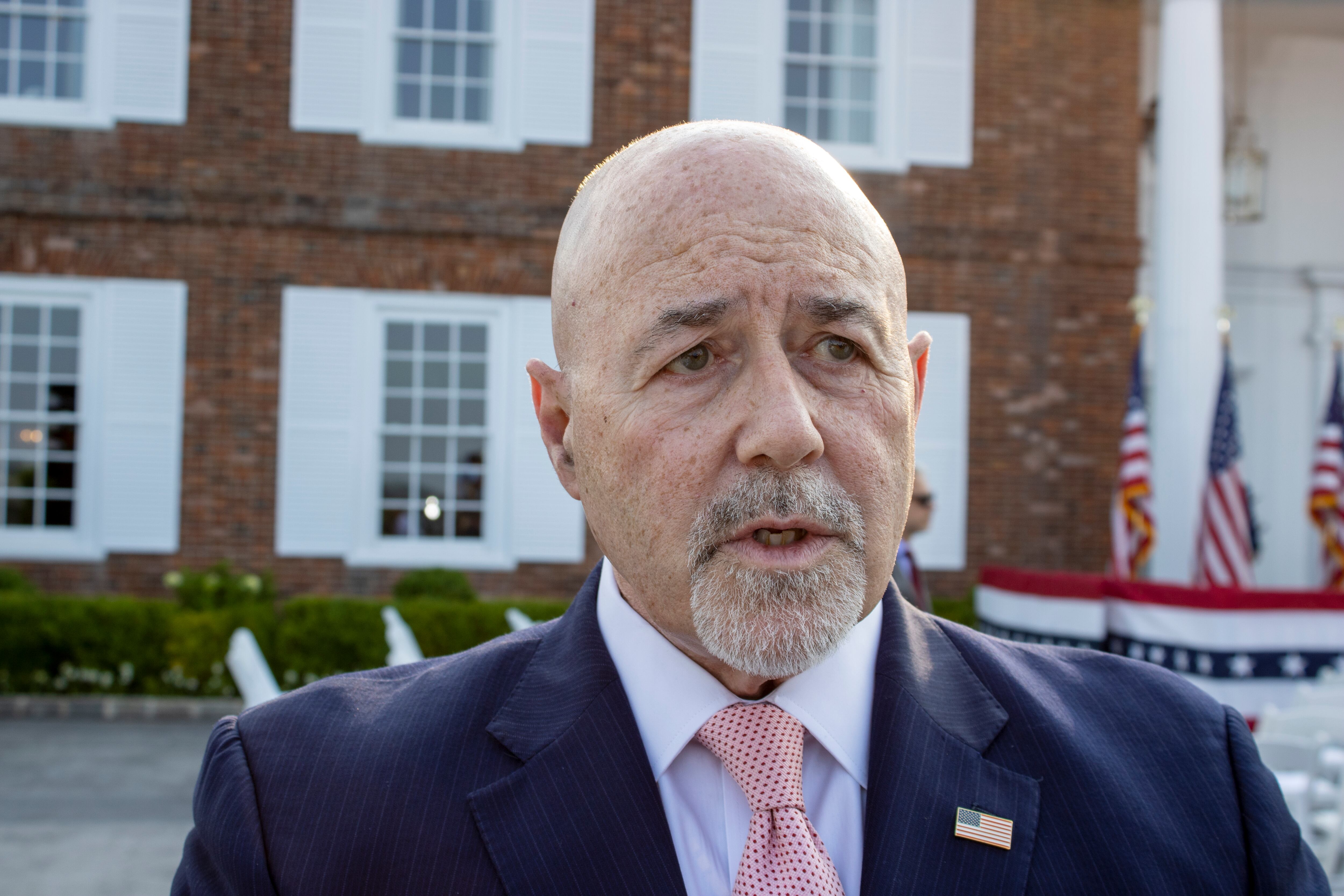
The lawyer for former NYPD commissioner Bernard Kerik turned over thousands of pages and documents to a special counsel as part of an investigation into Kerik's alleged involvement to overturn the results of the 2020 election.
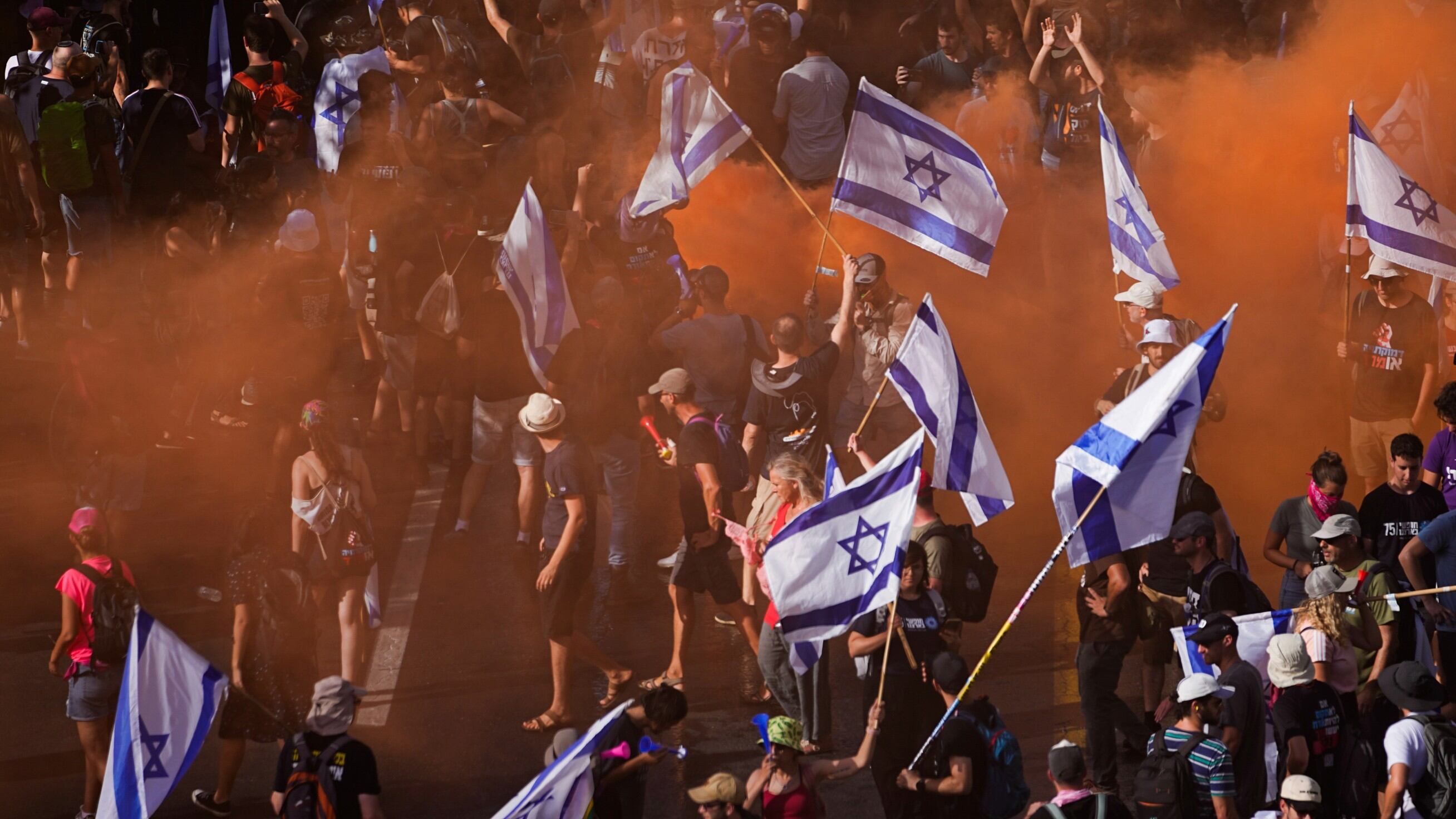
Israel’s parliament on Monday approved the first major law in Prime Minister Benjamin Netanyahu’s contentious plan to overhaul the country’s justice system, triggering a new burst of mass protests and drawing accusations that he was pushing the country toward authoritarian rule.
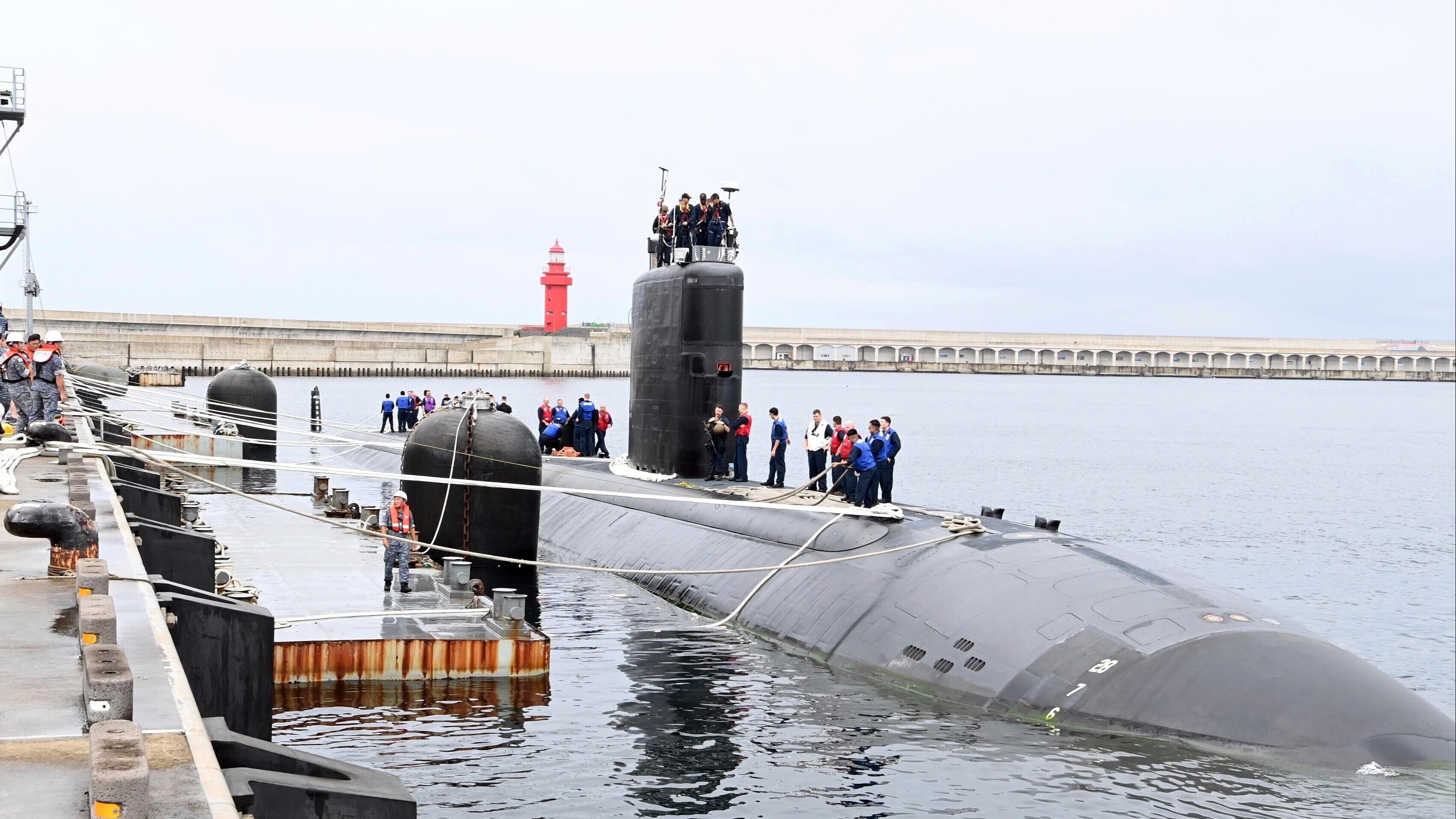
North Korea fired two short-range ballistic missiles into its eastern sea, South Korea’s military said Tuesday, adding to a recent streak in weapons testing that is apparently in protest of the U.S. sending major naval assets to South Korea in a show of force.
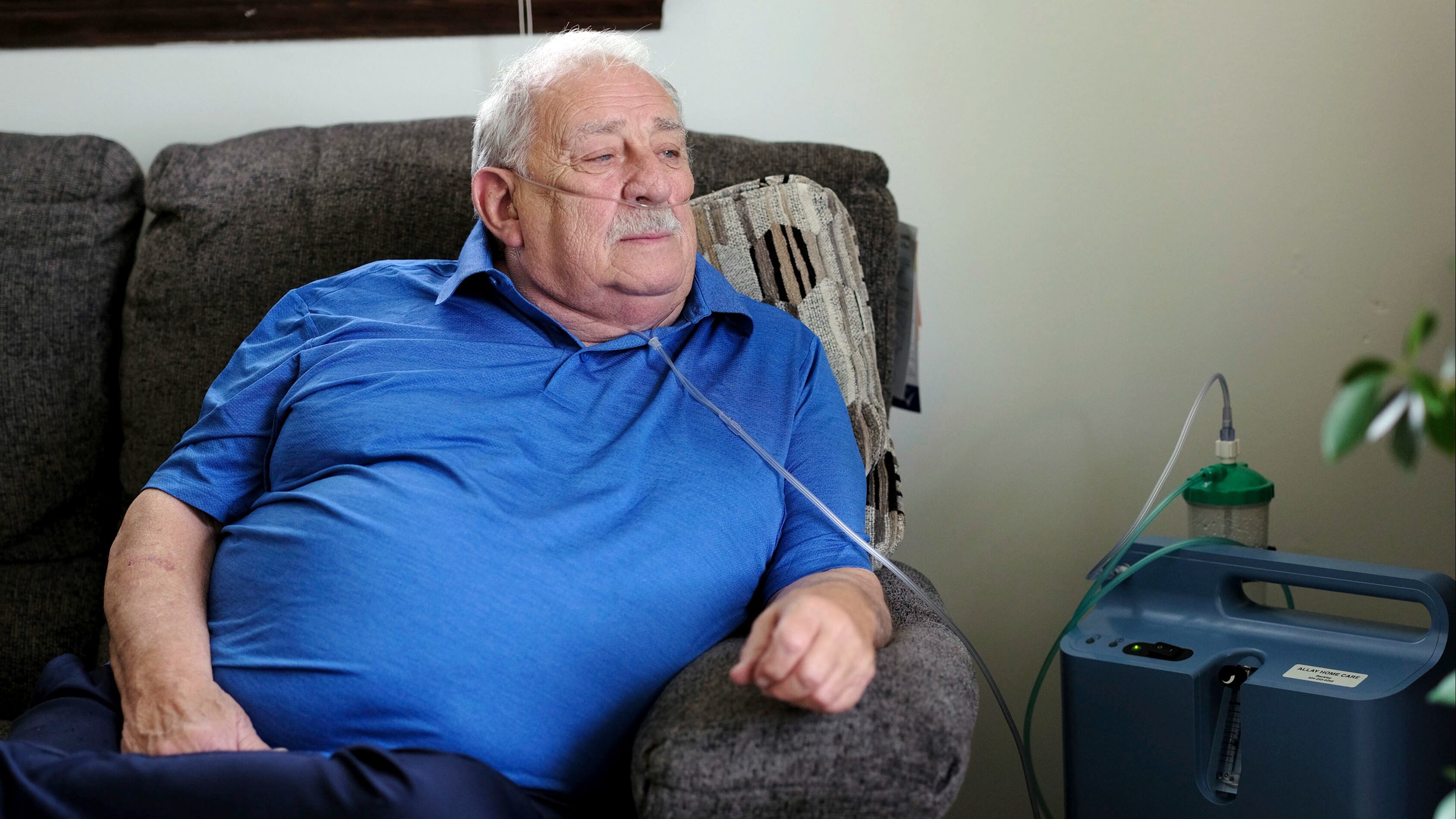
Now the federal Mine Safety and Health Administration has proposed a rule that would cut the current limit for silica exposure by half — a major victory for safety advocates. But there is skepticism and concern about the government following through after years of broken promises and delays.
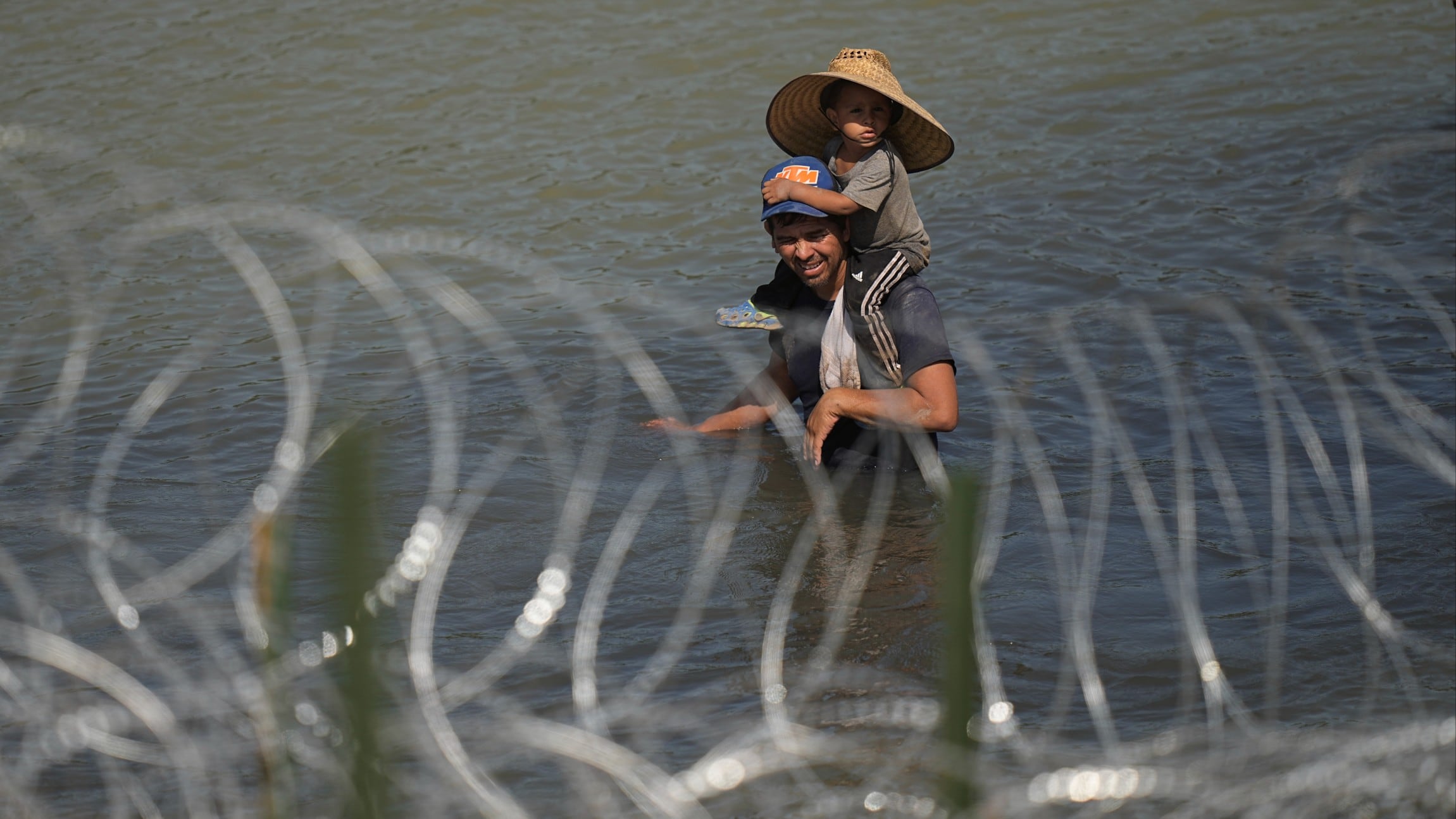
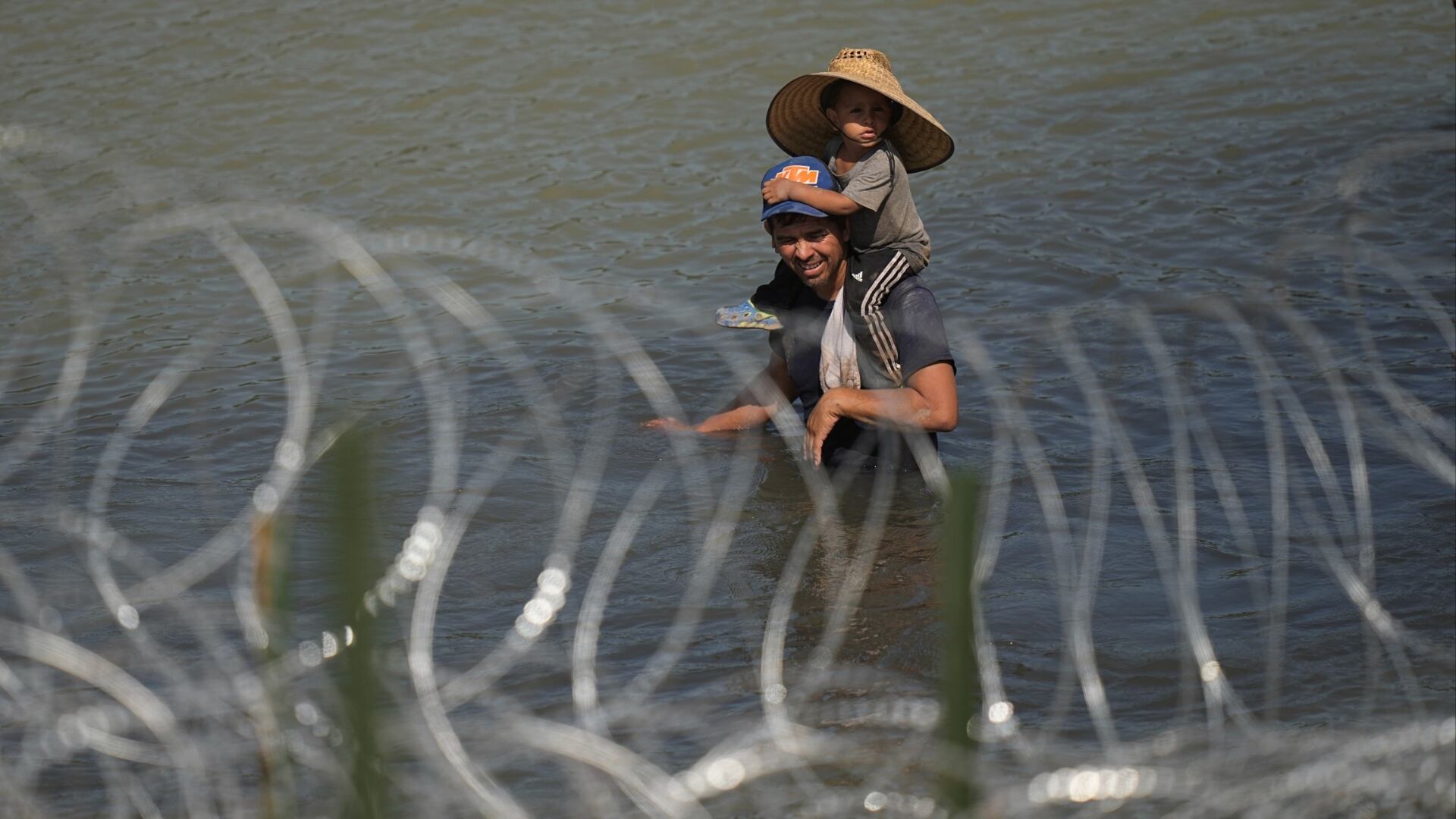
A state trooper's account of officers denying migrants water in 100-degree Fahrenheit (37.7 Celsius) temperatures and razor wire leaving asylum-seekers bloodied has prompted renewed criticism.