*By Carlo Versano*
When asked by Sen. Patrick Leahy (D-VT) what she most remembers from Supreme Court nominee Brett Kavanaugh's alleged sexual assault, Prof. Christine Blasey Ford drew on her training as a psychologist.
"Indelible in the hippocampus is the laughter, the uproarious laughter between the two ー and them having fun at my expense," Ford said, alluding to both Brett Kavanaugh and his friend Mark Judge, the other boy who she said was in the room at the time of the alleged assault. "I was underneath one of them while the two laughed."
Ford said she first spoke about the alleged assault to a therapist as part of a couple's therapy session with her husband. It was triggered, she said, by a discussion she and her husband had about adding a second front door to their home. Ford said later that she had wanted the second door because of claustrophobia she believes was caused by Kavanaugh's attack.
“For me personally, anxiety, phobia and PTSD-like symptoms are the types of things I’ve been coping with," she said.
U.S. states could face some hurdles as they experiment with road usage charging programs aimed at one day replacing motor fuel taxes, which are generating less each year, in part due to fuel efficiency and the rise of electric cars.
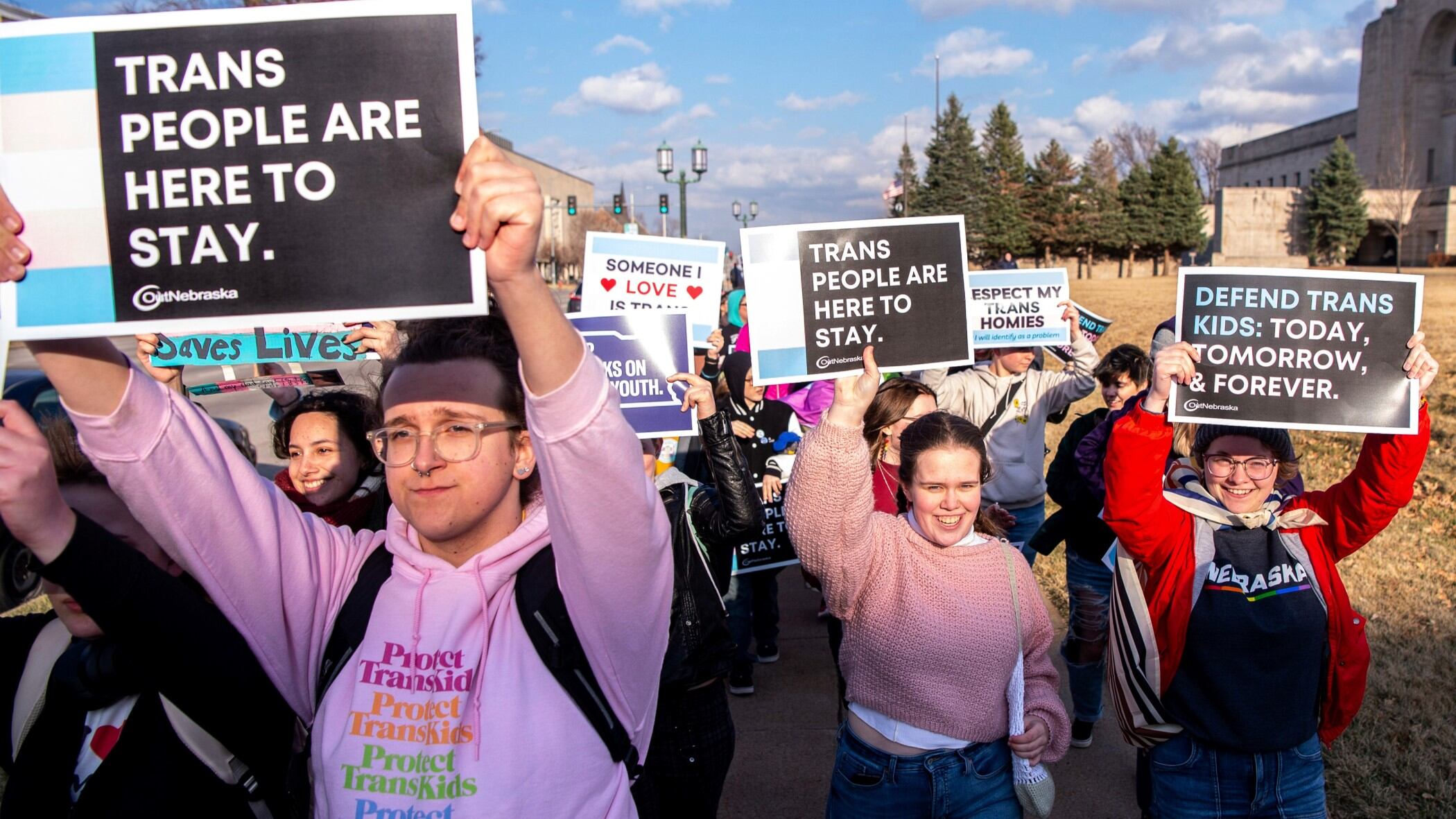
The defiance of restrictions in North Dakota on what bathrooms transgender students can use in public schools and universities shows that it's not exactly clear how bathroom laws will play out in local communities after being enacted in at least 10 states with Republican-controlled legislatures.
The Supreme Court on Monday left in place an appellate ruling barring a North Carolina public charter school from requiring girls to wear skirts to school.
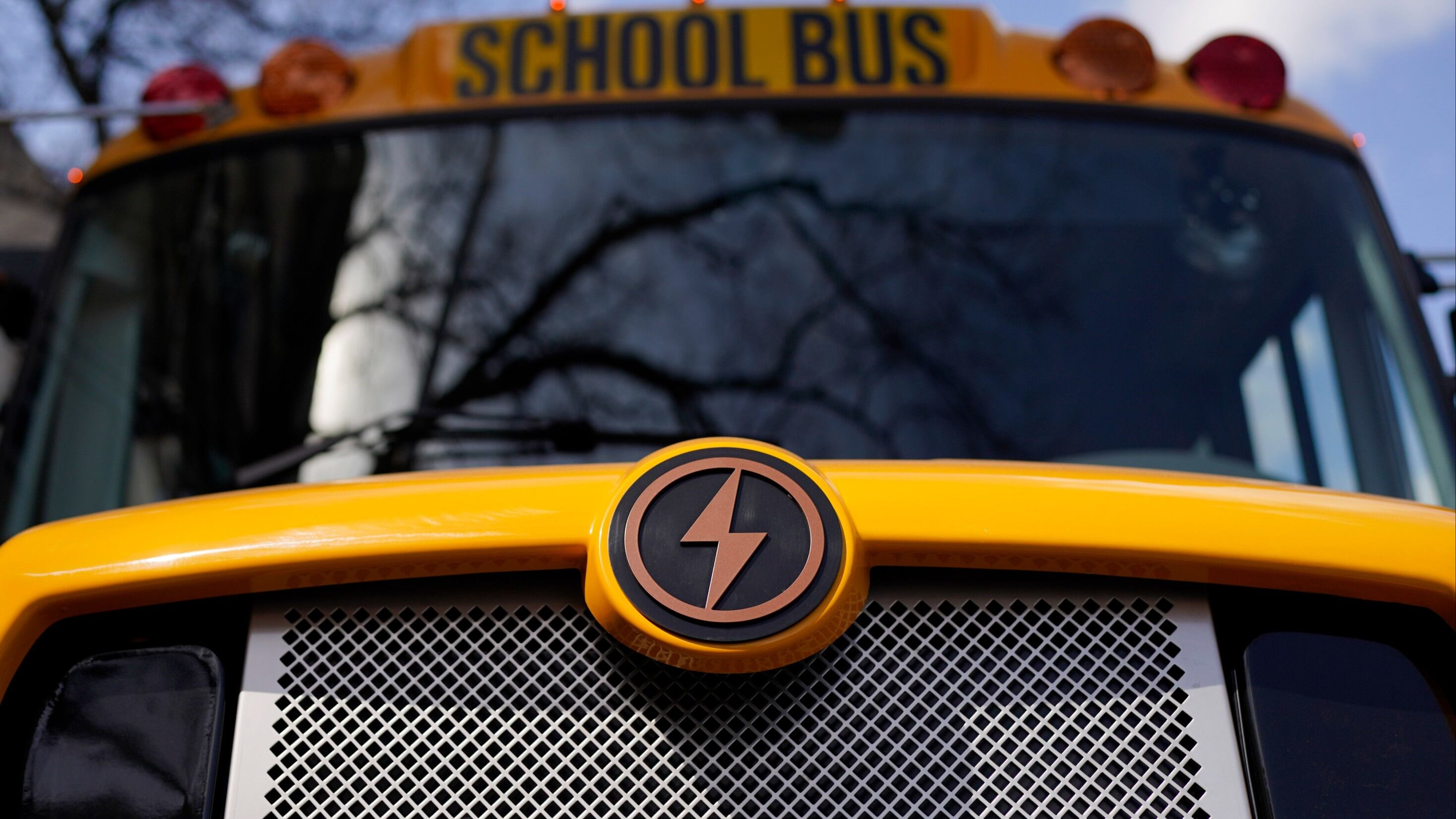
The U.S. Department of Transportation is awarding almost $1.7 billion in grants for buying zero- and low-emission buses, with the money going to transit projects in 46 states and territories.
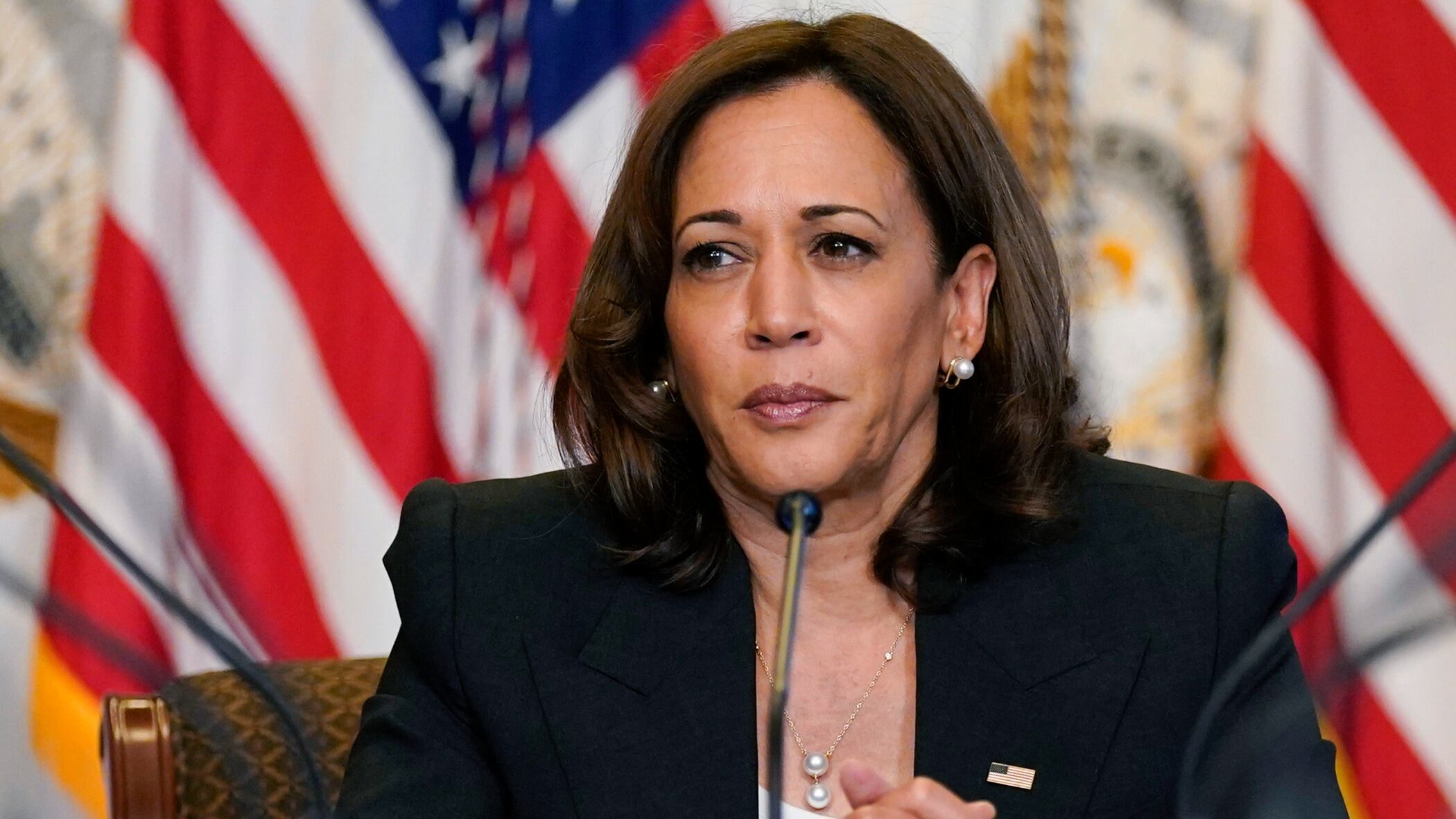
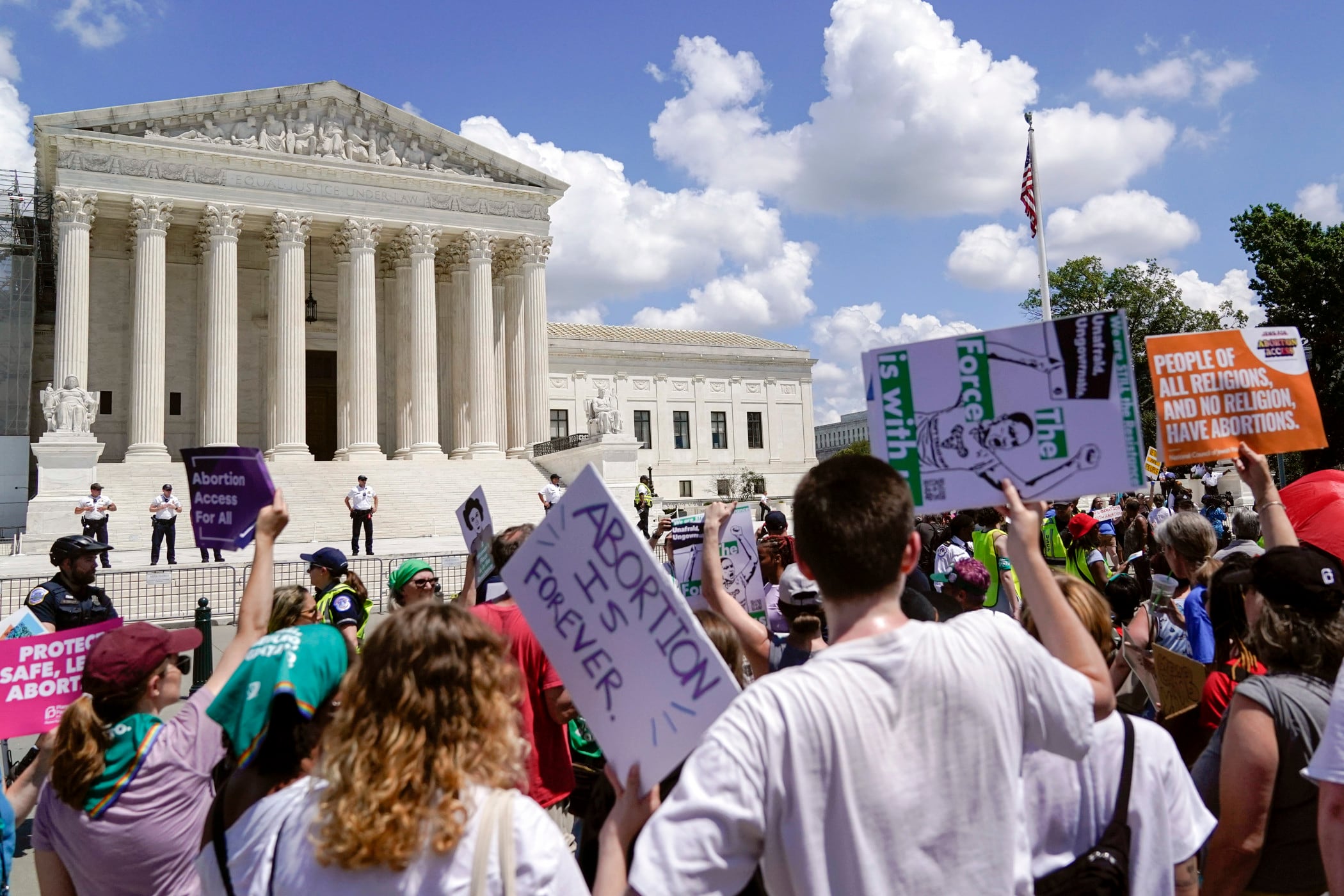
Vice President Kamala Harris said Supreme Court conservatives caused a healthcare crisis in America and blasted abortion bans in Republican-led states.
To many observers, the efforts to roll back two policies that disproportionately help Black students and other students of color reflect a backlash to racial progress in higher education.