*By Carlo Versano*
When asked by Sen. Patrick Leahy (D-VT) what she most remembers from Supreme Court nominee Brett Kavanaugh's alleged sexual assault, Prof. Christine Blasey Ford drew on her training as a psychologist.
"Indelible in the hippocampus is the laughter, the uproarious laughter between the two ー and them having fun at my expense," Ford said, alluding to both Brett Kavanaugh and his friend Mark Judge, the other boy who she said was in the room at the time of the alleged assault. "I was underneath one of them while the two laughed."
Ford said she first spoke about the alleged assault to a therapist as part of a couple's therapy session with her husband. It was triggered, she said, by a discussion she and her husband had about adding a second front door to their home. Ford said later that she had wanted the second door because of claustrophobia she believes was caused by Kavanaugh's attack.
“For me personally, anxiety, phobia and PTSD-like symptoms are the types of things I’ve been coping with," she said.
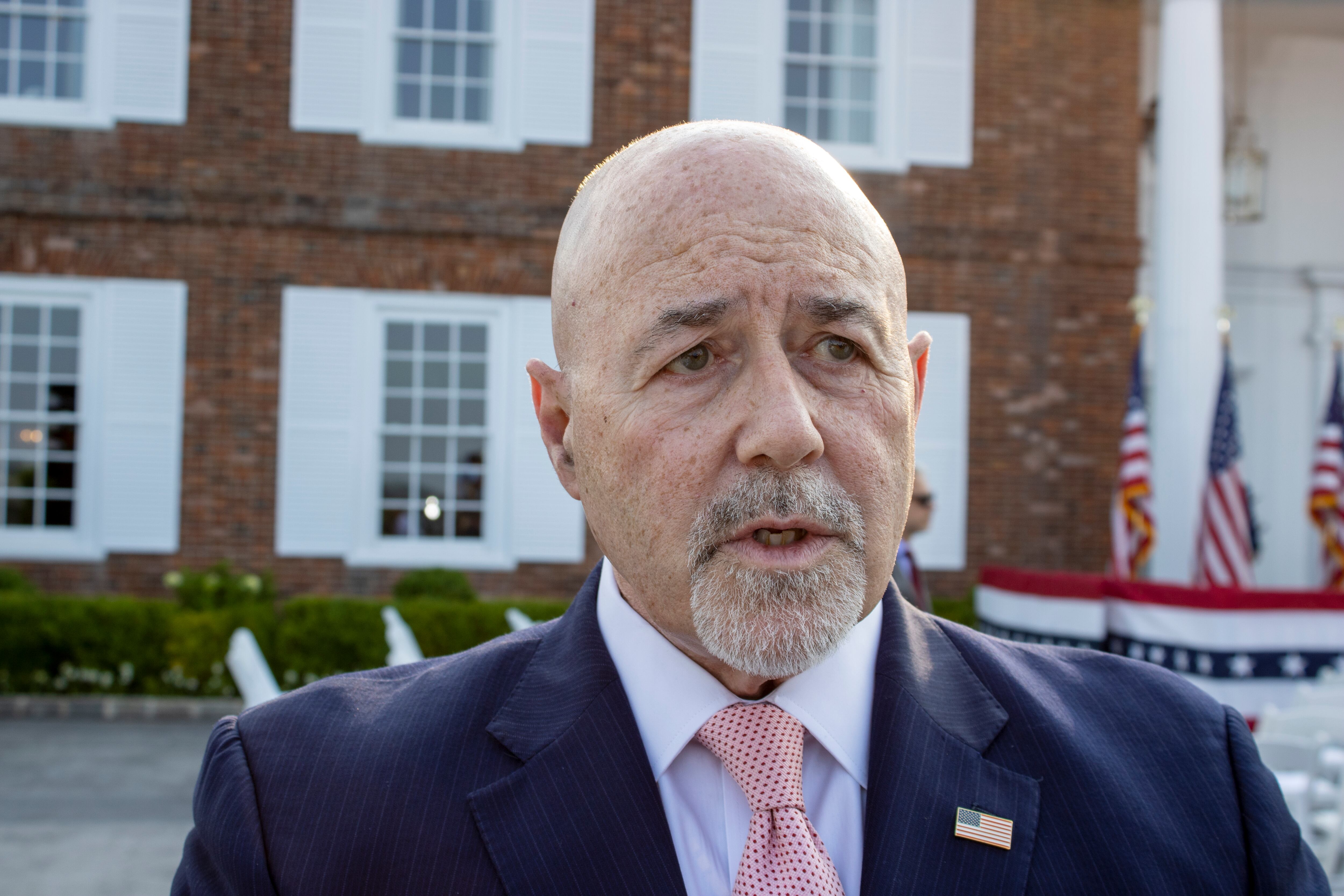
The lawyer for former NYPD commissioner Bernard Kerik turned over thousands of pages and documents to a special counsel as part of an investigation into Kerik's alleged involvement to overturn the results of the 2020 election.
Israel’s parliament on Monday approved the first major law in Prime Minister Benjamin Netanyahu’s contentious plan to overhaul the country’s justice system, triggering a new burst of mass protests and drawing accusations that he was pushing the country toward authoritarian rule.
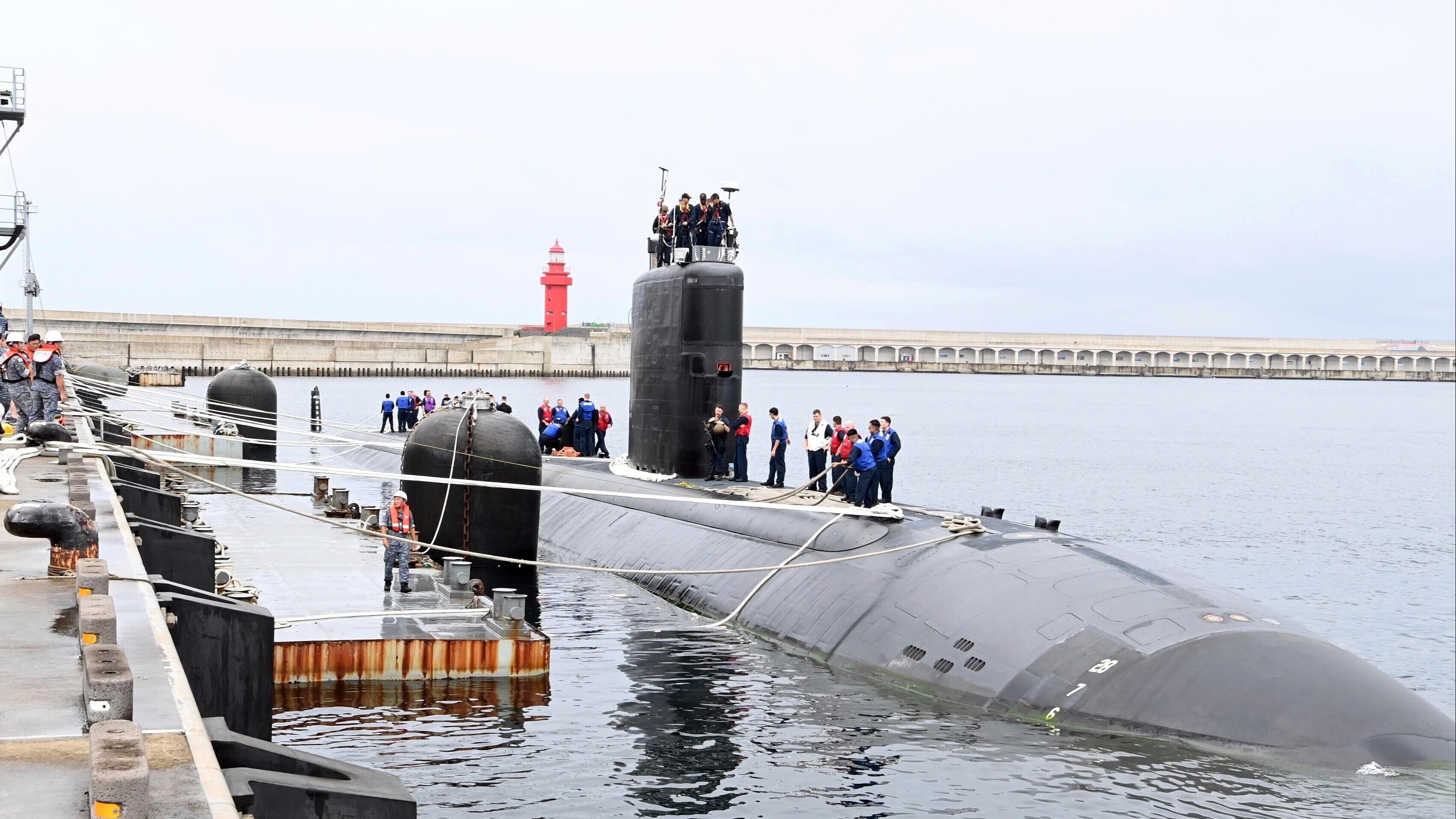
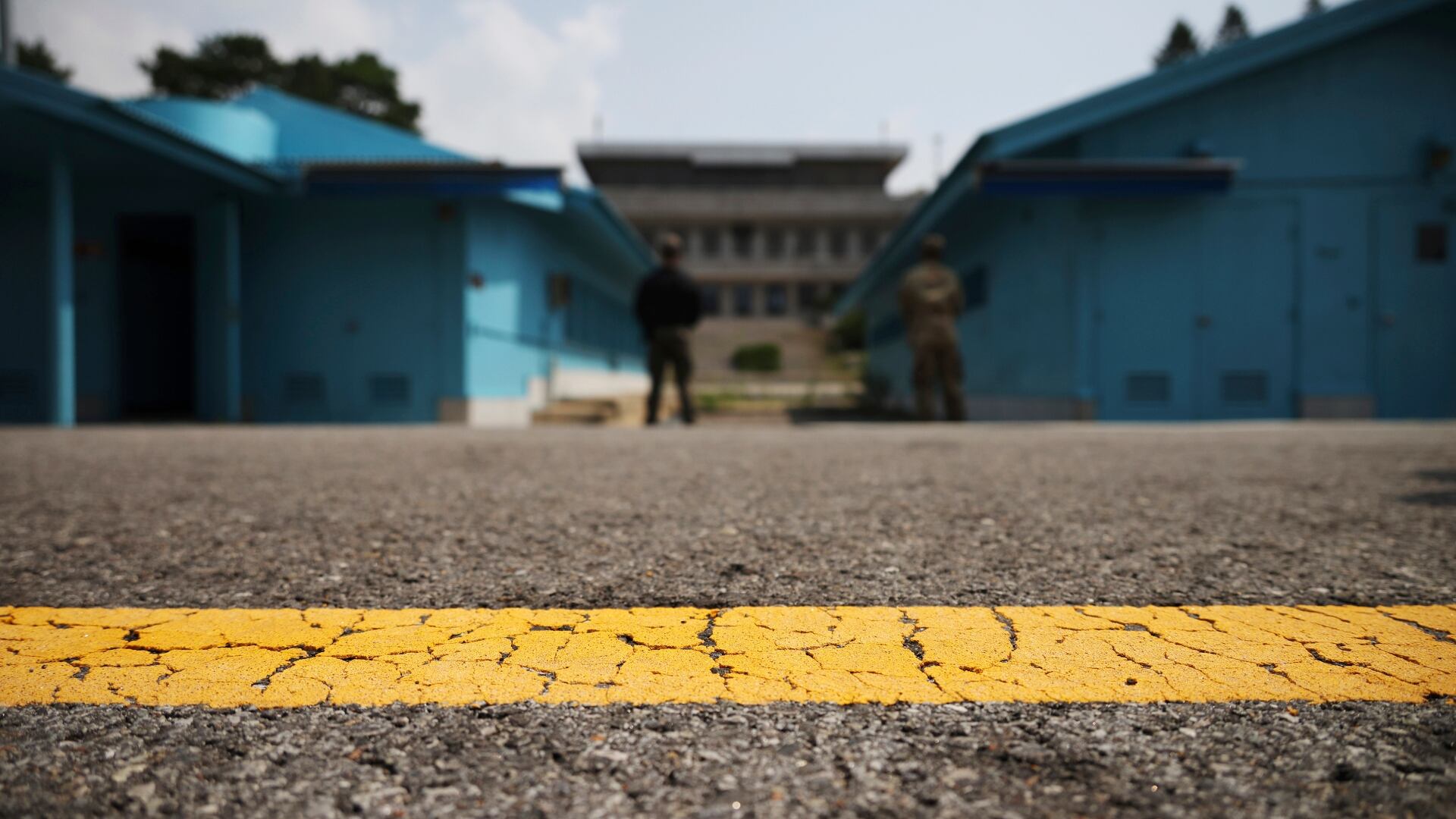
North Korea fired two short-range ballistic missiles into its eastern sea, South Korea’s military said Tuesday, adding to a recent streak in weapons testing that is apparently in protest of the U.S. sending major naval assets to South Korea in a show of force.
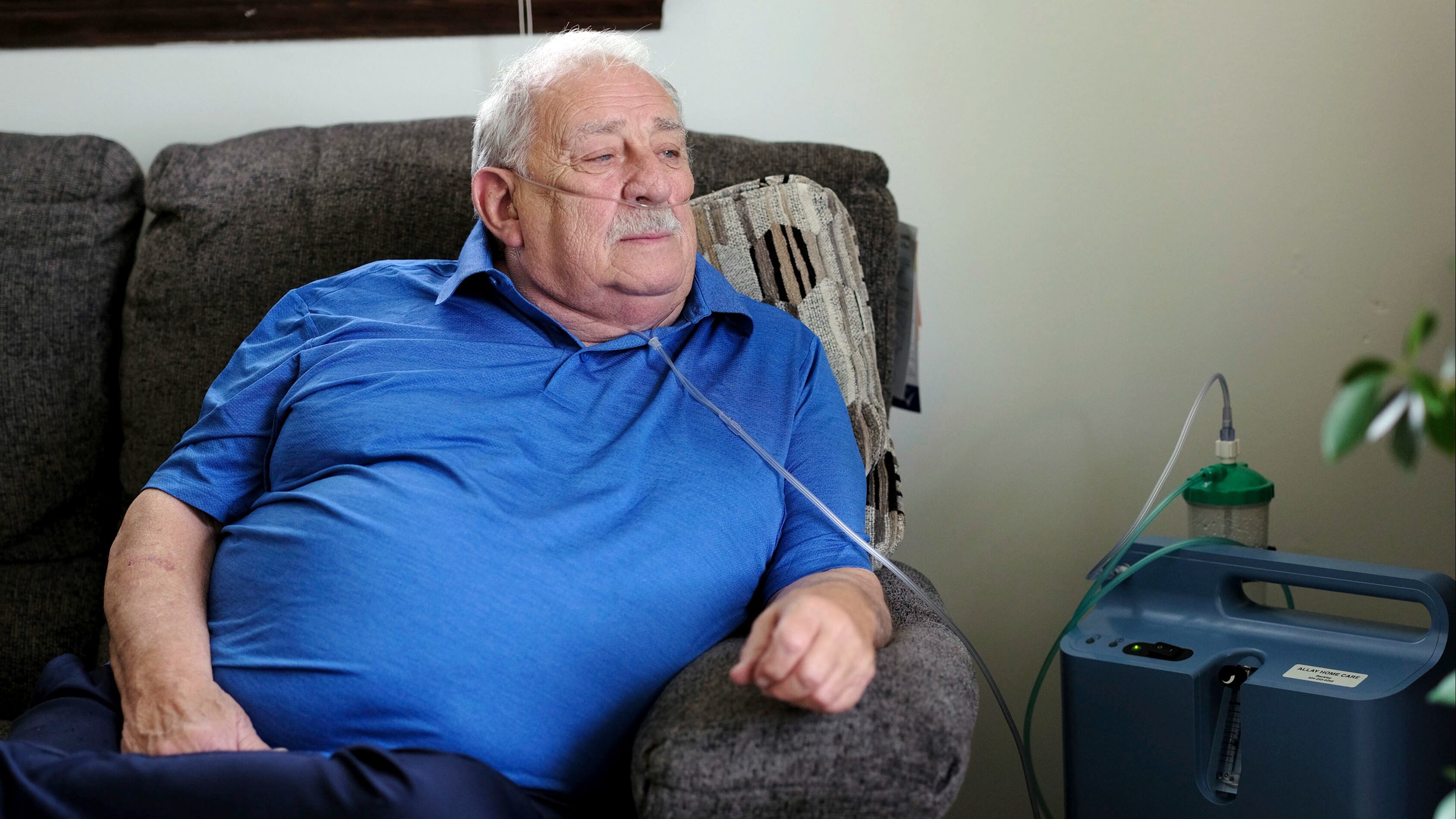
Now the federal Mine Safety and Health Administration has proposed a rule that would cut the current limit for silica exposure by half — a major victory for safety advocates. But there is skepticism and concern about the government following through after years of broken promises and delays.
A state trooper's account of officers denying migrants water in 100-degree Fahrenheit (37.7 Celsius) temperatures and razor wire leaving asylum-seekers bloodied has prompted renewed criticism.