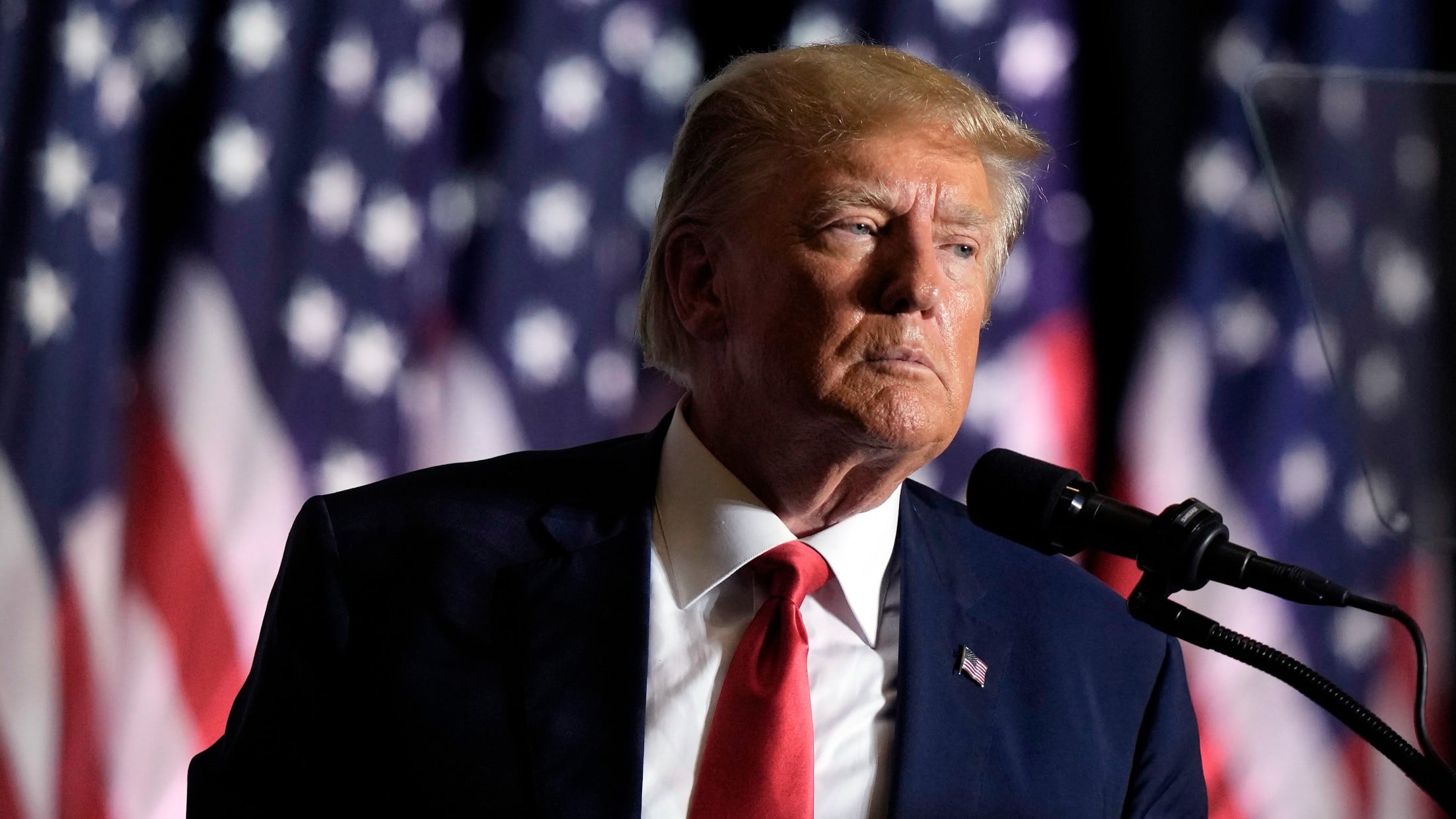
House Speaker Kevin McCarthy. (AP Photo/Jose Luis Magana)
At the top of Kevin McCarthy’s to-do list as he begins his role as House Speaker is adopting a new rules package for the chamber when it convenes Monday evening.
McCarthy, who was elected speaker after a historic 15 ballots, made a series of concessions to conservative Republicans in order to secure the votes he needed to win the position. Those deals will be center stage as the House votes on whether to pass the new rules package.
Among the biggest concessions, McCarthy agreed to allow a single lawmaker to call a vote to oust the speaker; a condition on which he initially said he would not budge. The California Republican also agreed to holding a vote on congressional term limits, putting more House Freedom Caucus members on the powerful House Rules Committee, and to mandate 72 hours for bills to be reviewed before votes, among others.
Even more concessions could be revealed during the evening vote. At least two Republicans have already said they are skeptical of the new rules package, which could make things challenging for McCarthy since he can only afford to lose four votes on legislation and still overcome Democratic opposition.
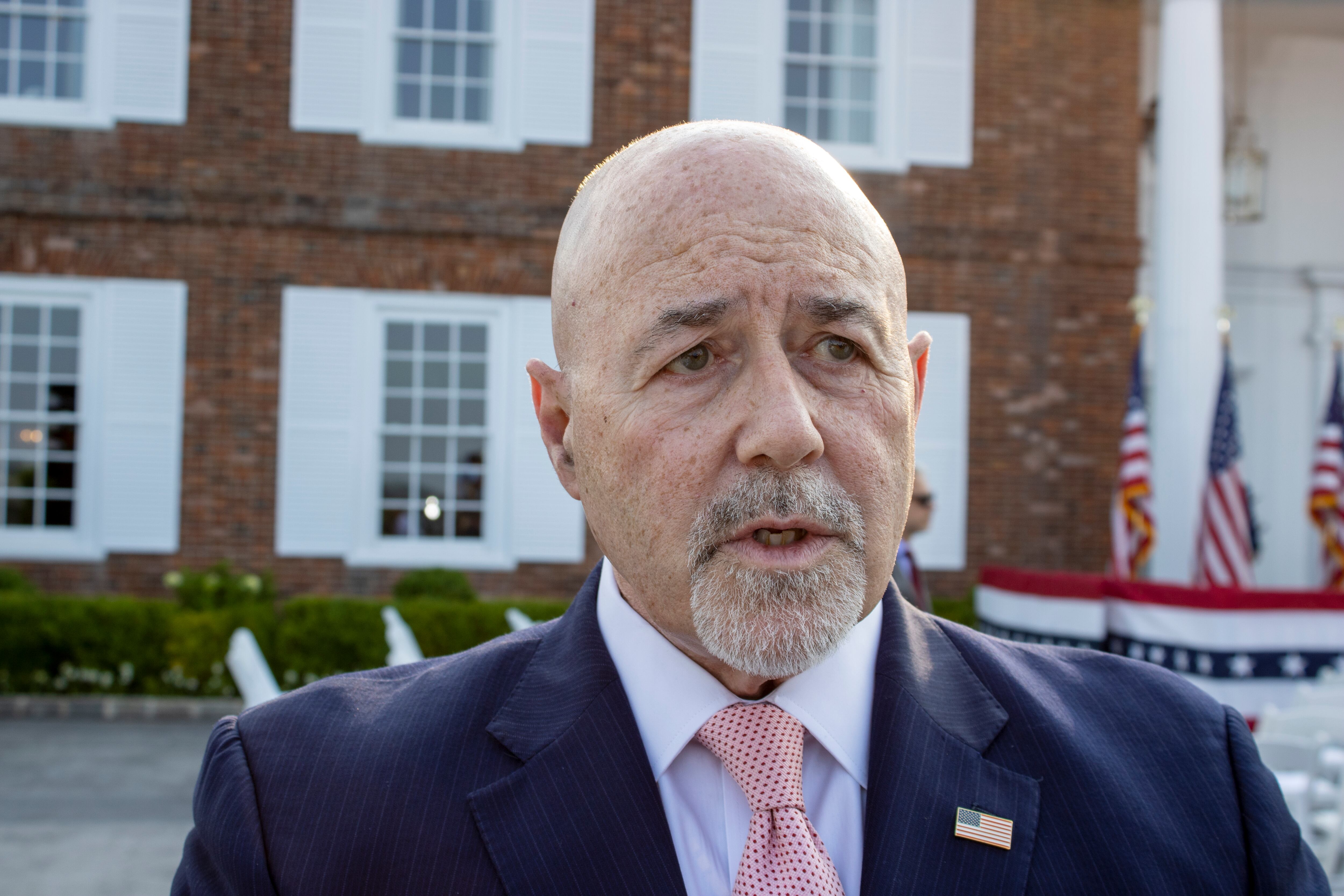
The lawyer for former NYPD commissioner Bernard Kerik turned over thousands of pages and documents to a special counsel as part of an investigation into Kerik's alleged involvement to overturn the results of the 2020 election.
Israel’s parliament on Monday approved the first major law in Prime Minister Benjamin Netanyahu’s contentious plan to overhaul the country’s justice system, triggering a new burst of mass protests and drawing accusations that he was pushing the country toward authoritarian rule.
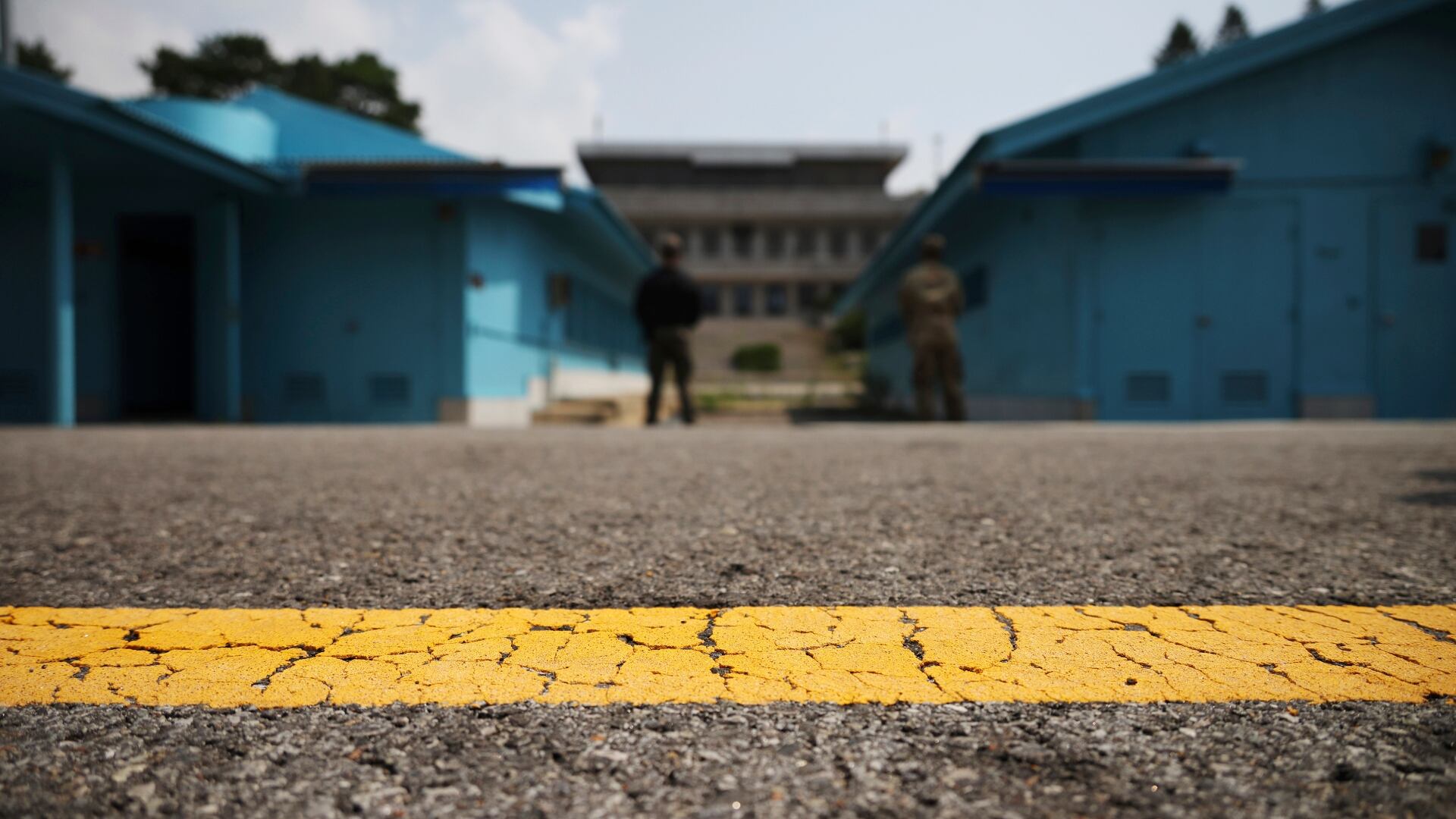
North Korea fired two short-range ballistic missiles into its eastern sea, South Korea’s military said Tuesday, adding to a recent streak in weapons testing that is apparently in protest of the U.S. sending major naval assets to South Korea in a show of force.
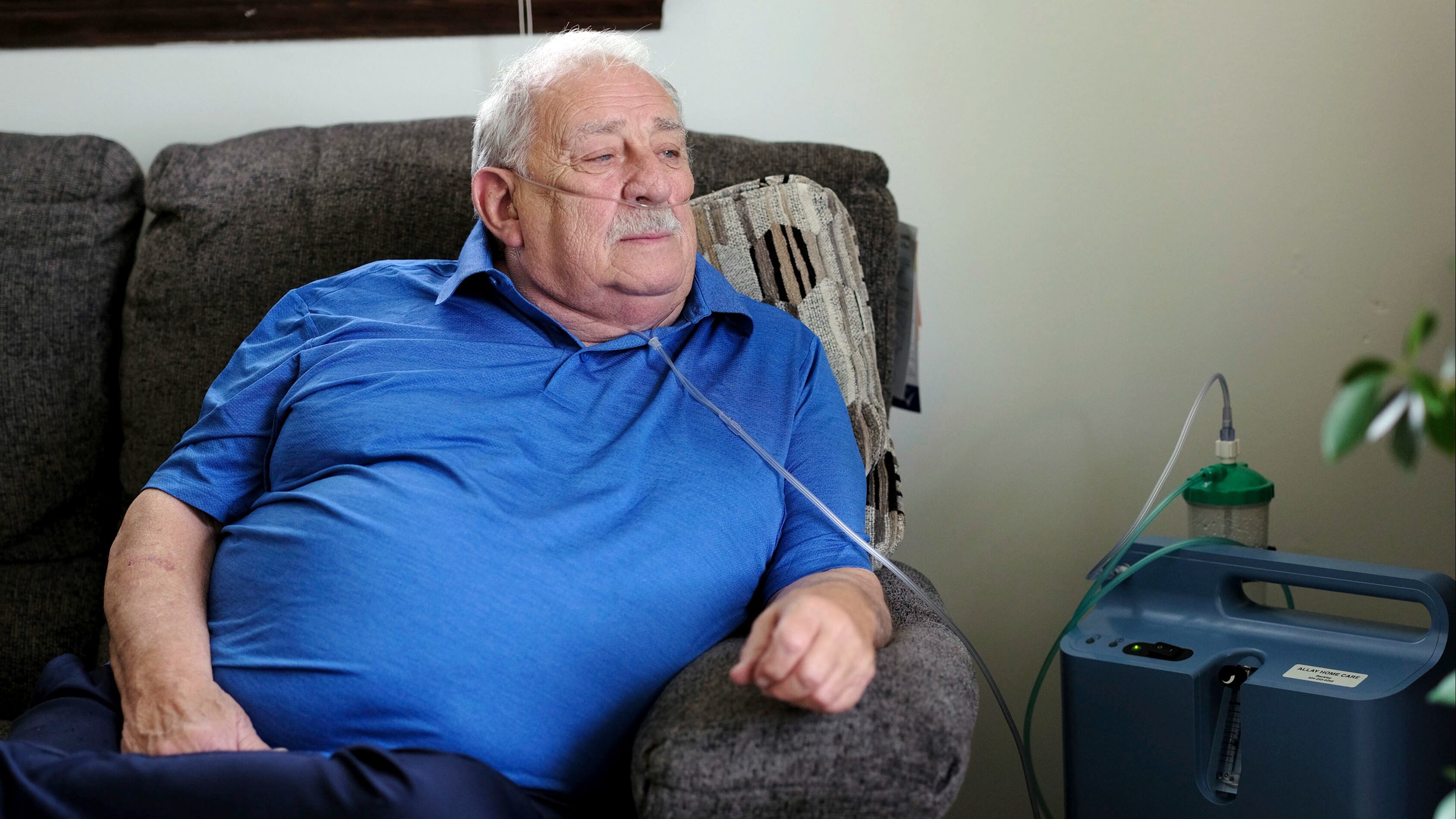
Now the federal Mine Safety and Health Administration has proposed a rule that would cut the current limit for silica exposure by half — a major victory for safety advocates. But there is skepticism and concern about the government following through after years of broken promises and delays.
A state trooper's account of officers denying migrants water in 100-degree Fahrenheit (37.7 Celsius) temperatures and razor wire leaving asylum-seekers bloodied has prompted renewed criticism.