President Trump's Chance To Kill The Iran Nuclear Deal Is Running Out
When President Trump returns to Washington in the new year, one of the first moves he could make is killing the Iran Nuclear Deal. He will only have a few weeks before coming up against legal deadlines to impose sanctions against Tehran.
Eugene Scott, Political Reporter at The Washington Post, breaks down the deadlines the president faces. On the campaign trail, President Trump promised to undo what he called the "worst deal ever."
The Obama-era deal lifted U.S. and European sanctions on Iran in exchange for limits on Tehran’s nuclear program. Many lawmakers and foreign policy advisers to the president are trying to persuade President Trump not to kill the deal. However, he did not take those same policy advisers' advice when it came to moving the U.S. Embassy in Israel to Jerusalem.
No fingerprints or DNA turned up on the baggie of cocaine found in a lobby at the White House last week despite a sophisticated FBI crime lab analysis, and surveillance footage of the area didn’t identify a suspect, according to a summary of the Secret Service investigation obtained by The Associated Press. There are no leads on who brought the drugs into the building.
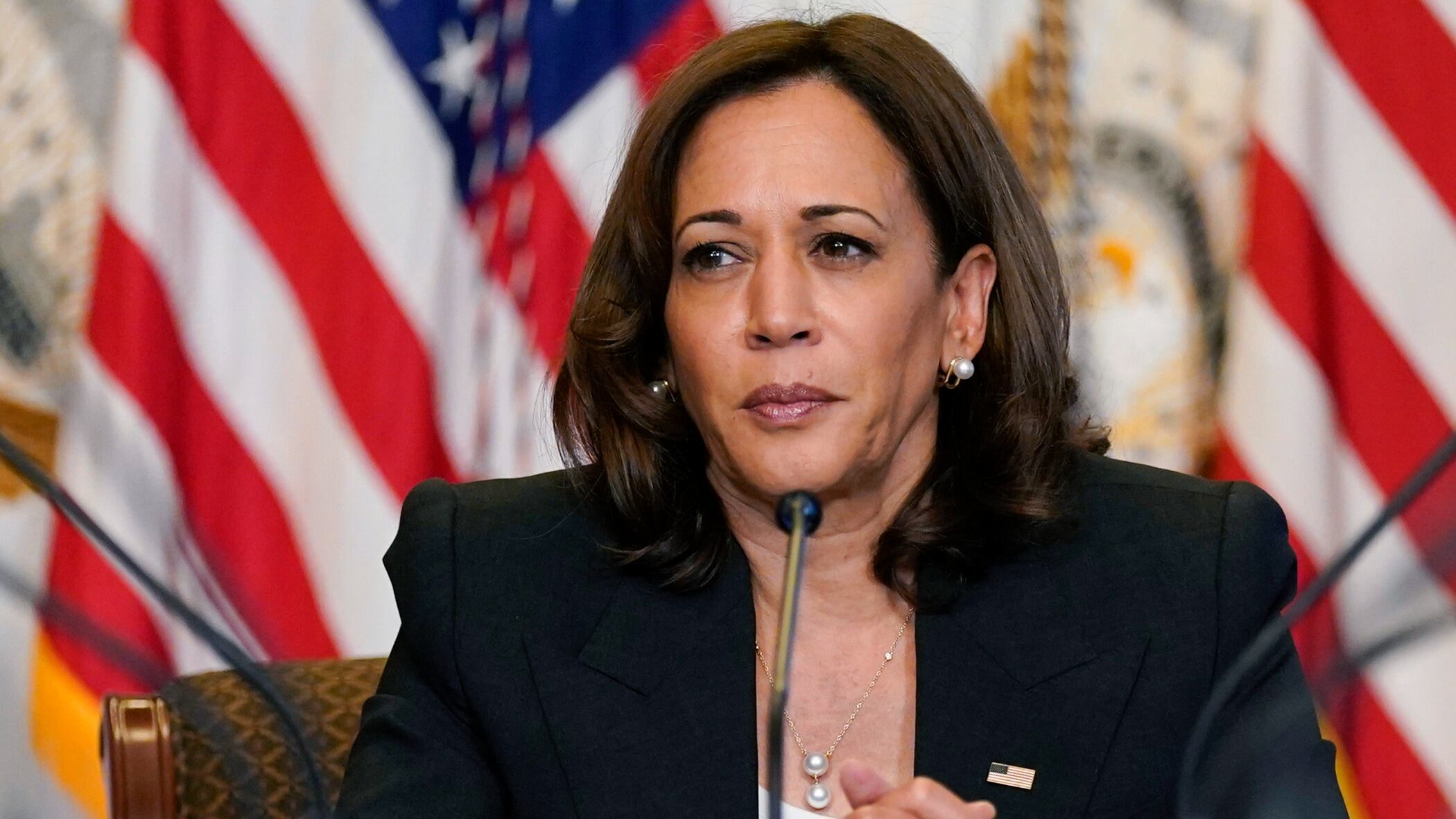
Kamala Harris, who made history as the first woman or person of color to serve as vice president, has made history again by matching the record for most tiebreaking votes in the Senate.
Republicans on the House Judiciary Committee accused the agency of targeting conservatives, suppressing evidence that Covid-19 came from a lab leak and abusing its surveillance powers.
The Biden administration calls it a “student loan safety net.” Opponents call it a backdoor attempt to make college free. And it could be the next battleground in the legal fight over student loan relief.
Nearly 30,000 people in Mississippi were dropped from the state's Medicaid program after an eligibility review that the government ended during the pandemic.
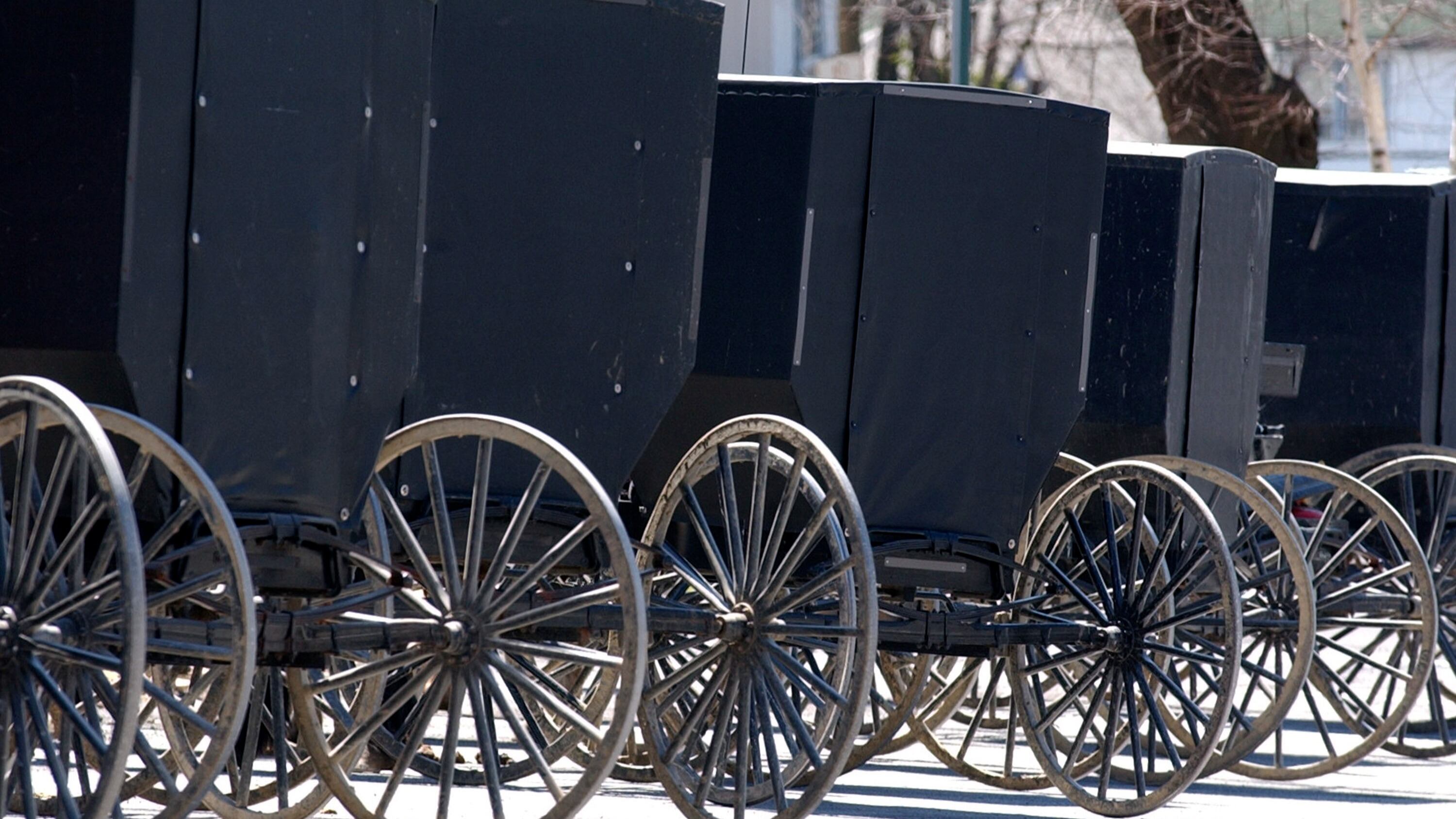
Members of a deeply conservative Amish community in Minnesota don't need to install septic systems to dispose of their “gray water,” the state Court of Appeals ruled Monday in a long-running religious freedom case that went all the way up to the U.S. Supreme Court.