Plastics: As Dangerous as Climate Change, But With a Solution
*By Conor White*
*For more information, visit National Geographic's Planet or Plastic campaign at [http://natgeo.com/planetorplastic](http://natgeo.com/planetorplastic).*
Decades of plastic consumption and the resulting waste has created a global accumulation of non-biodegradable materials that is choking the planet's waterways, as serious a problem as climate change, according to National Geographic. There is, however, one clear difference: Earth has an answer to its plastic problem.
By using silicone or metal straws, reusable water bottles, and canvas grocery bags instead of those made from plastic, consumers can ease the accumulation of plastic waste that's clogging the world's oceans, said Jenna Jambeck, a National Geographic explorer and associate professor at the University of Georgia.
"These sound really sort of mundane, but they're not," Jambeck said in an interview Monday with Cheddar. "They actually do make a difference, and people can choose the planet over plastic."
Each year, more than 9 million tons of plastic waste ends up in the ocean. According to some estimates, that plastic could remain in marine environments for 450 years or longer. National Geographic is hoping to reduce that number with its new ["Planet or Plastic?"](http://natgeo.com/planetorplastic) initiative, encouraging consumers to stop using single-use plastics.
"It can be empowering for people to know that actually, their choices do matter," Jambeck said. "Through this research, if you show that those individual actions that we take every day, taken collectively, or thinking about them over time, they definitely matter."
In 2015, Jambeck and a group of scientists calculated the amount of plastic waste finding its way into the planet's oceans annually, which became the impetus for the National Geographic initiative. It is featured in the June issue of National Geographic.
The 'Planet or Plastic?' initiative includes [tips](https://news.nationalgeographic.com/2018/05/plastics-facts-infographics-ocean-pollution) for consumers to reduce their use of plastics and a [pledge](https://www.nationalgeographic.com/environment/plasticpledge/?beta=true) to make a difference.
Jambeck said consumers should not to give up if they happen to forget their reusable water bottle or grocery bag.
"Be sort of forgiving with yourself, because every time that you remembered, you actually had an impact," she said.
For the full interview, [click here](https://cheddar.com/videos/national-geographic-launches-planet-or-plastic-initiative).
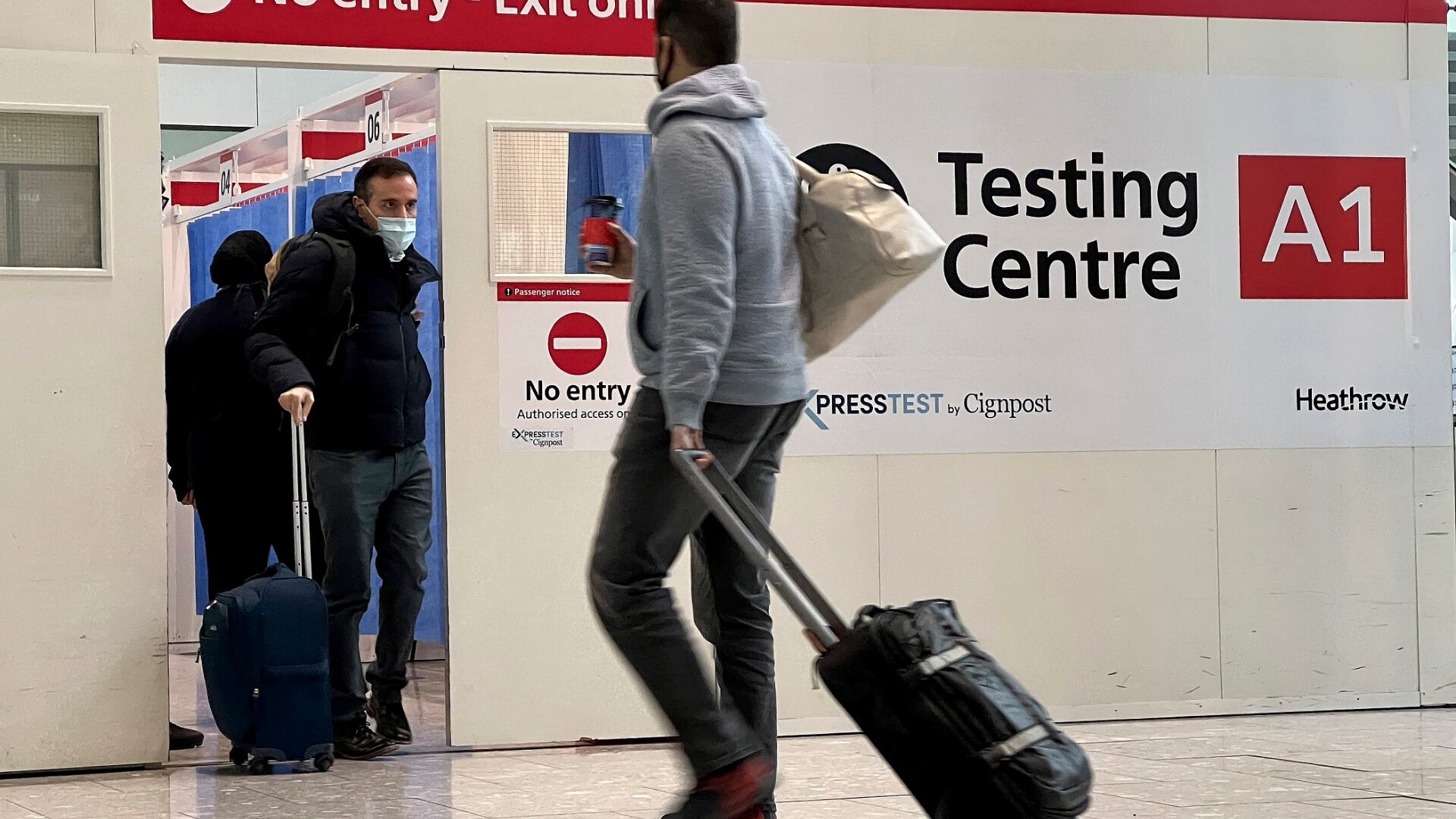
With the emergence of the omicron variant, the U.S. is considering tightening international travel guidelines. The CDC said it might reduce the window for foreign travelers to submit a negative COVID-19 test from three days prior to one day before allowing entry.
Jill and Carlo cover the latest on Omicron, another school shooting in America and more. Plus, bidding farewell to 'transitory' inflation, and the controversy surrounding 'Lovely Bones' author Alice Sebold.
Sarav Arunachalam, air pollution scientist at the University of North Carolina at Chapel Hill, joins Cheddar Climate, where he discusses what he needs to happen when it comes to EV production on a global level to help reduce the effects of climate change.
The United Nations Secretary-General said this year that his agency's warning about climate change was a 'code red for humanity.' So how will political pledges to lower emissions, increase green energy, and ramp up electric vehicle infrastructure play out, and can we reverse some climate damage next year? Vijay Vaitheeswaran, Global energy & climate innovation editor for The Economist, and host of 'To a Lesser Degree,' The Economist’s podcast on climate change, joins Cheddar Climate to discuss what we can look ahead to in 2022, including global policy shifts and investments from the private and public sectors, holding global leaders accountable, and more.
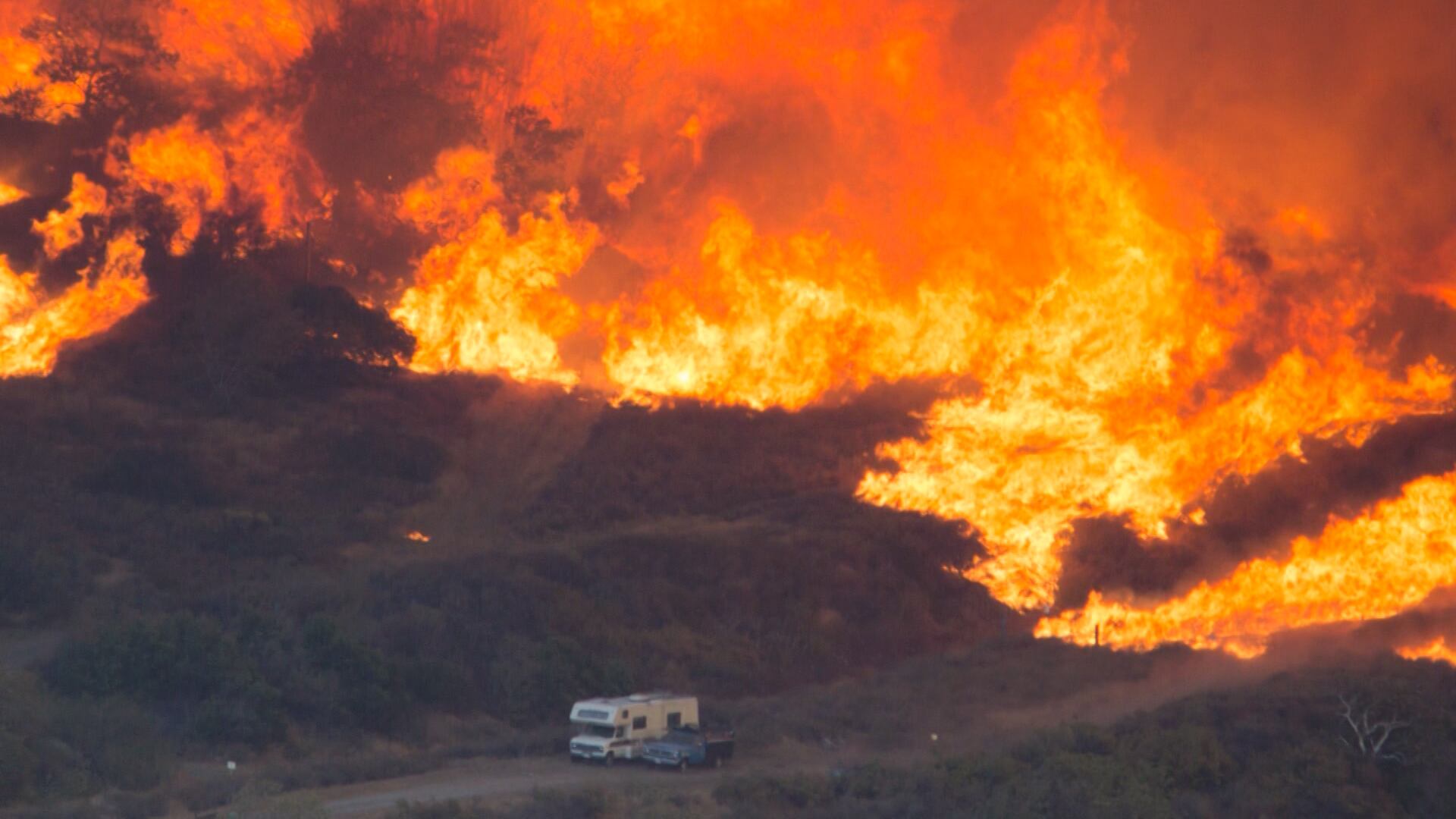
In recent years, extreme weather events like flooding and wildfires have become more frequent, and more severe - and scientists say global warming is to blame. Climate crises could leave people in need of help, and that's where Global Rescue steps in. The crisis response firm employs former Navy Seals and Army Rangers to rescue travelers from climate-related emergencies. Global Rescue CEO Dan Richards joins Cheddar Climate to discuss.
Jennifer Lotito, president and COO at the non-profit (RED), joined Cheddar to discuss the CODE (RED) campaign as the organization looks to expand its mission to support both AIDS and COVID-19 relief. She explained that people can get involved in the campaign for Giving Tuesday and ahead of World AIDS Day by shopping (RED) branded products and even using credit card rewards points to add their own support. Lotito also pointed out that COVID-19 has also impacted HIV testing as people avoid clinics out of fear of the other pandemic.
NASA indefinitely delayed a spacewalk to repair an ISS antenna, citing concerns about space debris. It was unclear if the warning from the space agency to astronauts aboard the ISS was related to the recent destruction of a non-functioning Russian satellite.