Plastics: As Dangerous as Climate Change, But With a Solution
*By Conor White*
*For more information, visit National Geographic's Planet or Plastic campaign at [http://natgeo.com/planetorplastic](http://natgeo.com/planetorplastic).*
Decades of plastic consumption and the resulting waste has created a global accumulation of non-biodegradable materials that is choking the planet's waterways, as serious a problem as climate change, according to National Geographic. There is, however, one clear difference: Earth has an answer to its plastic problem.
By using silicone or metal straws, reusable water bottles, and canvas grocery bags instead of those made from plastic, consumers can ease the accumulation of plastic waste that's clogging the world's oceans, said Jenna Jambeck, a National Geographic explorer and associate professor at the University of Georgia.
"These sound really sort of mundane, but they're not," Jambeck said in an interview Monday with Cheddar. "They actually do make a difference, and people can choose the planet over plastic."
Each year, more than 9 million tons of plastic waste ends up in the ocean. According to some estimates, that plastic could remain in marine environments for 450 years or longer. National Geographic is hoping to reduce that number with its new ["Planet or Plastic?"](http://natgeo.com/planetorplastic) initiative, encouraging consumers to stop using single-use plastics.
"It can be empowering for people to know that actually, their choices do matter," Jambeck said. "Through this research, if you show that those individual actions that we take every day, taken collectively, or thinking about them over time, they definitely matter."
In 2015, Jambeck and a group of scientists calculated the amount of plastic waste finding its way into the planet's oceans annually, which became the impetus for the National Geographic initiative. It is featured in the June issue of National Geographic.
The 'Planet or Plastic?' initiative includes [tips](https://news.nationalgeographic.com/2018/05/plastics-facts-infographics-ocean-pollution) for consumers to reduce their use of plastics and a [pledge](https://www.nationalgeographic.com/environment/plasticpledge/?beta=true) to make a difference.
Jambeck said consumers should not to give up if they happen to forget their reusable water bottle or grocery bag.
"Be sort of forgiving with yourself, because every time that you remembered, you actually had an impact," she said.
For the full interview, [click here](https://cheddar.com/videos/national-geographic-launches-planet-or-plastic-initiative).
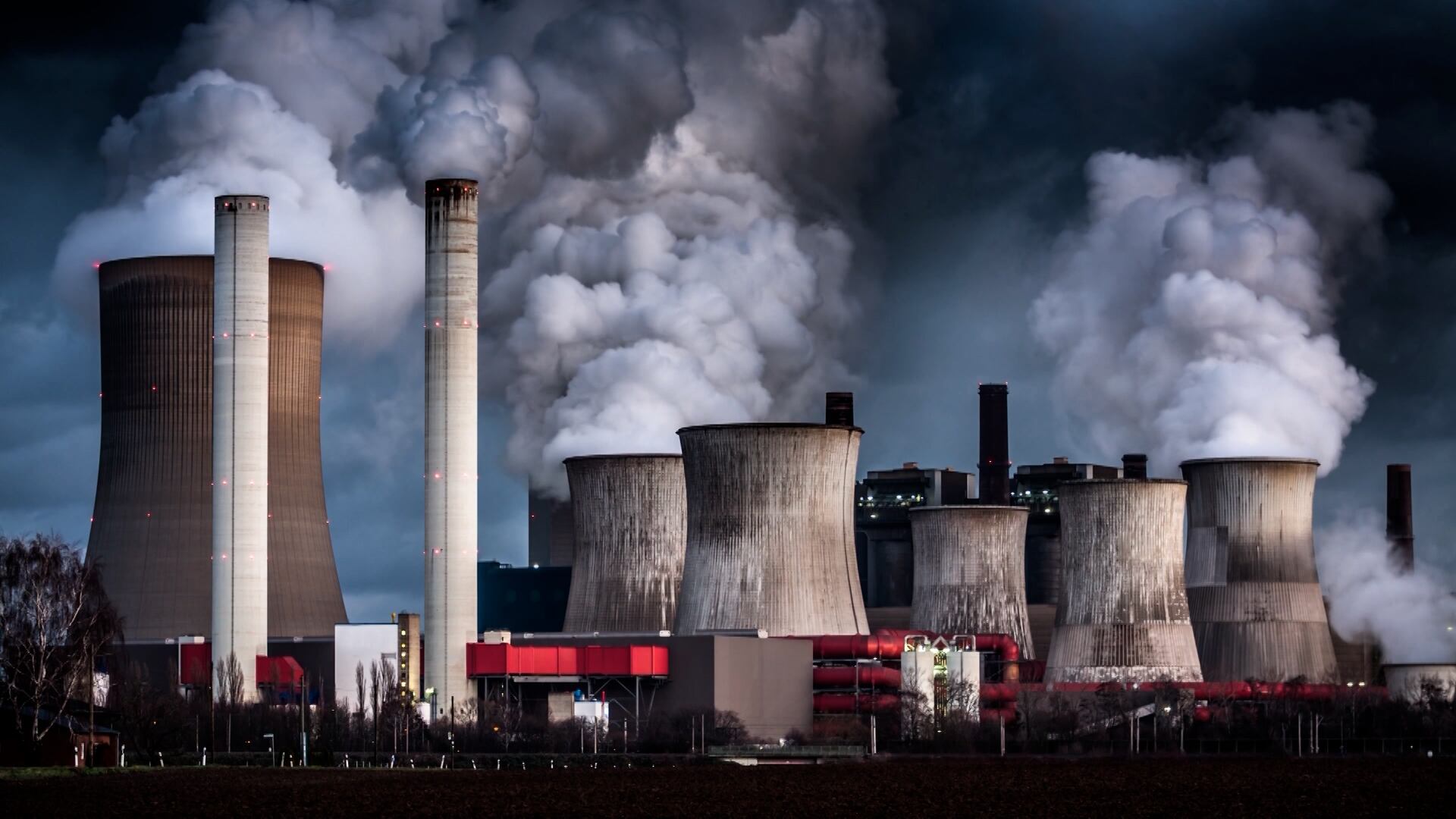
2021 has been a year filled with extreme weather conditions. Hundreds of thousands of people recently saw the effects of massive tornados that swept across six states. Now, experts say climate change could have played a major role. Jennifer Marlon, research scientist and lecturer at the Yale School of the Environment, joins Cheddar News to discuss.
Anthony Tall, sports agent and president of Miracle Sports Agency, joins Cheddar News to talk about the challenges professional sports leagues are facing amid a surge in coronavirus cases across the U.S.
Extreme weather hit all of us in 2021. Deadly heat hit parts of the U.S. that normally don't even need air conditioning. More than 52,000 wildfires broke out, a terrifying example of what can happen when extreme heat mixes with drought. Hurricane Ida was so powerful it actually briefly reversed the flow of the Mississippi River. Cheddar News did a deep dive into this year's unbelievable weather and how climate change may have impacted it.
With the New Year just around the corner, many people will be making new health and fitness goals. However, after the initial January push, it's easy to drop your resolutions and go back to your old habits. Joan Ifland, CEO of Food Addiction Reset, discusses her best tips for following through with New Year's Resolutions.
Carlo and Baker preview President Biden's address to the nation as Omicron becomes the new dominant Covid strain. Plus, Trump gets booed for getting his booster and the White House gets a new puppy.
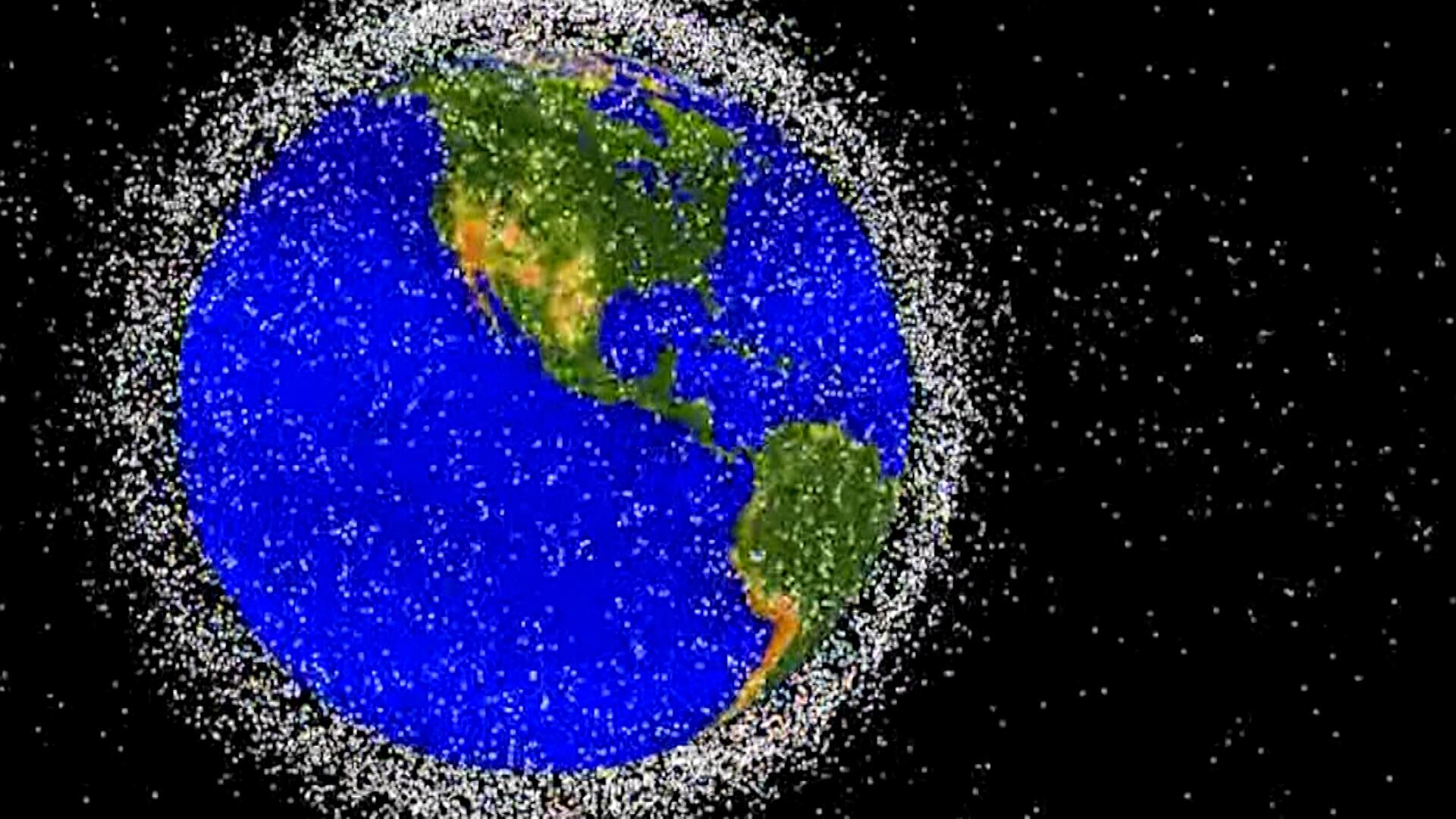
Alinda Mashiku, Conjunction Analysis and Risk Assessment Deputy Manager at the NASA Goddard Space Flight Center, joins Future of Space: Humankind's Leap Forward to explain how space debris is threatening operations in space at a time when more satellites are being deployed.
Marshall Smith, Senior Vice President of Space Systems at Nanoracks and Kirk Shireman, Vice President of the Lunar Exploration Campaign at Lockheed Martin join Future of Space: Humankind's Leap Forward to discuss upcoming plans for developing their Starlab commercial space station after being awarded a $160 million contract by NASA.
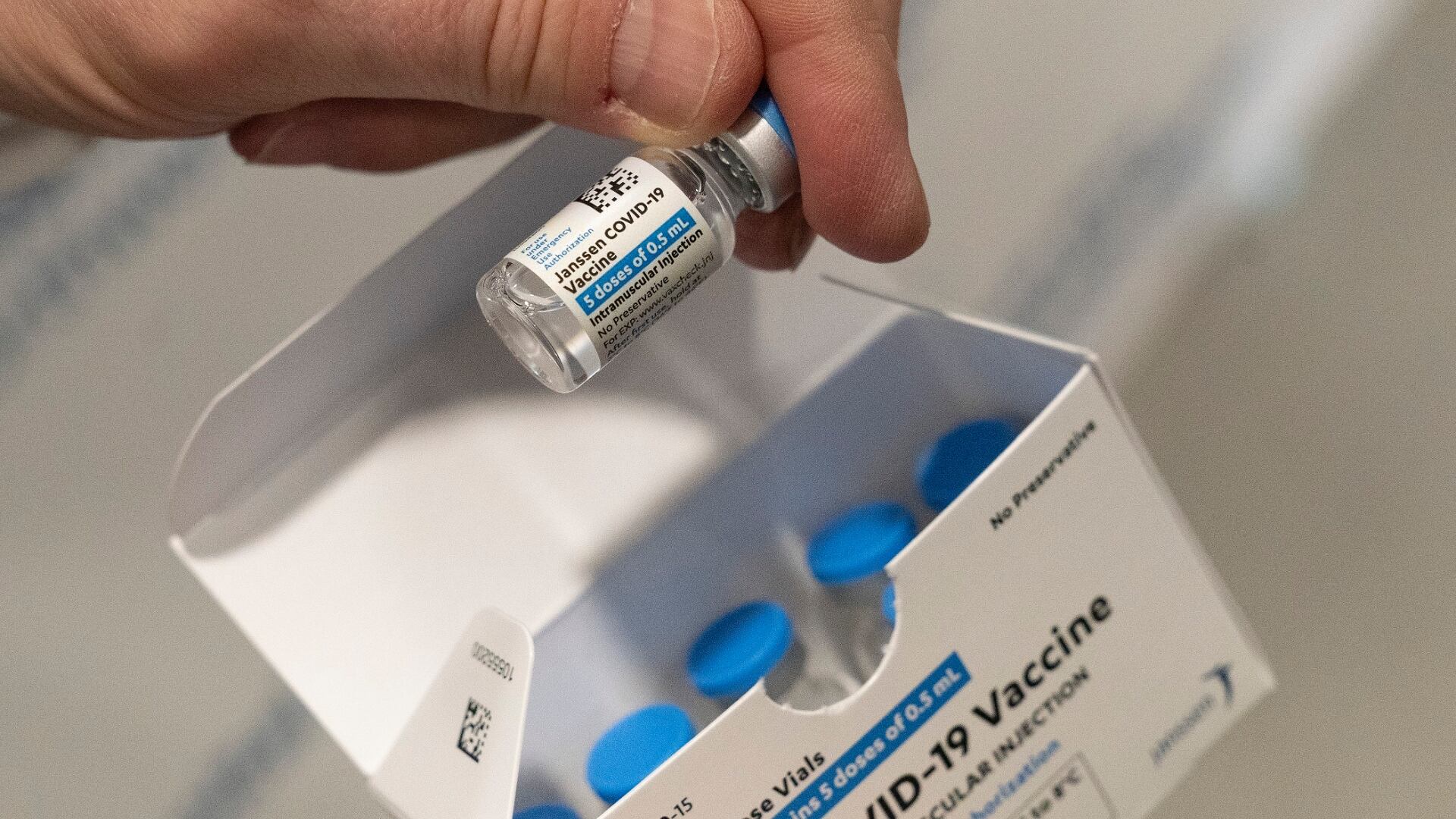
The CDC recently endorsed the advisory committee's recommendation that people should receive the Pfizer or Moderna COVID vaccines over the Johnson & Johnson shot, leaving some questions and concerns for the public. Epidemiologist Dr. Eric Feigl-Ding, spoke to Cheddar about the shift in the agency's stance, and what it might mean. "If you already have it, any side effects are already long past," he said. "Going forward is what they're saying. That getting a booster you should get the Moderna or the Pfizer booster, and I don't think they're encouraging anyone to get de novo Johnson & Johnson as their first shot anymore."
The billionaire space race took off in 2021, making major strides in space tourism. That growth is only expected to skyrocket in the next year, as the government and private institutions and companies look to shape the final frontier's exploration. Cheddar News dives into the biggest moments of the year in space, and what comes next for space travel and tourism.
Chloe and Halle Bailey are no strangers to hard work. The sisters got their start performing covers on YouTube and have become a force in the music industry. Since then, the two have spread their wings beyond their duo group to individual projects. Now they're coming together to face off in the LG OLED Ultimate Gaming Showdown. Chloe and Halle join Cheddar News to discuss.