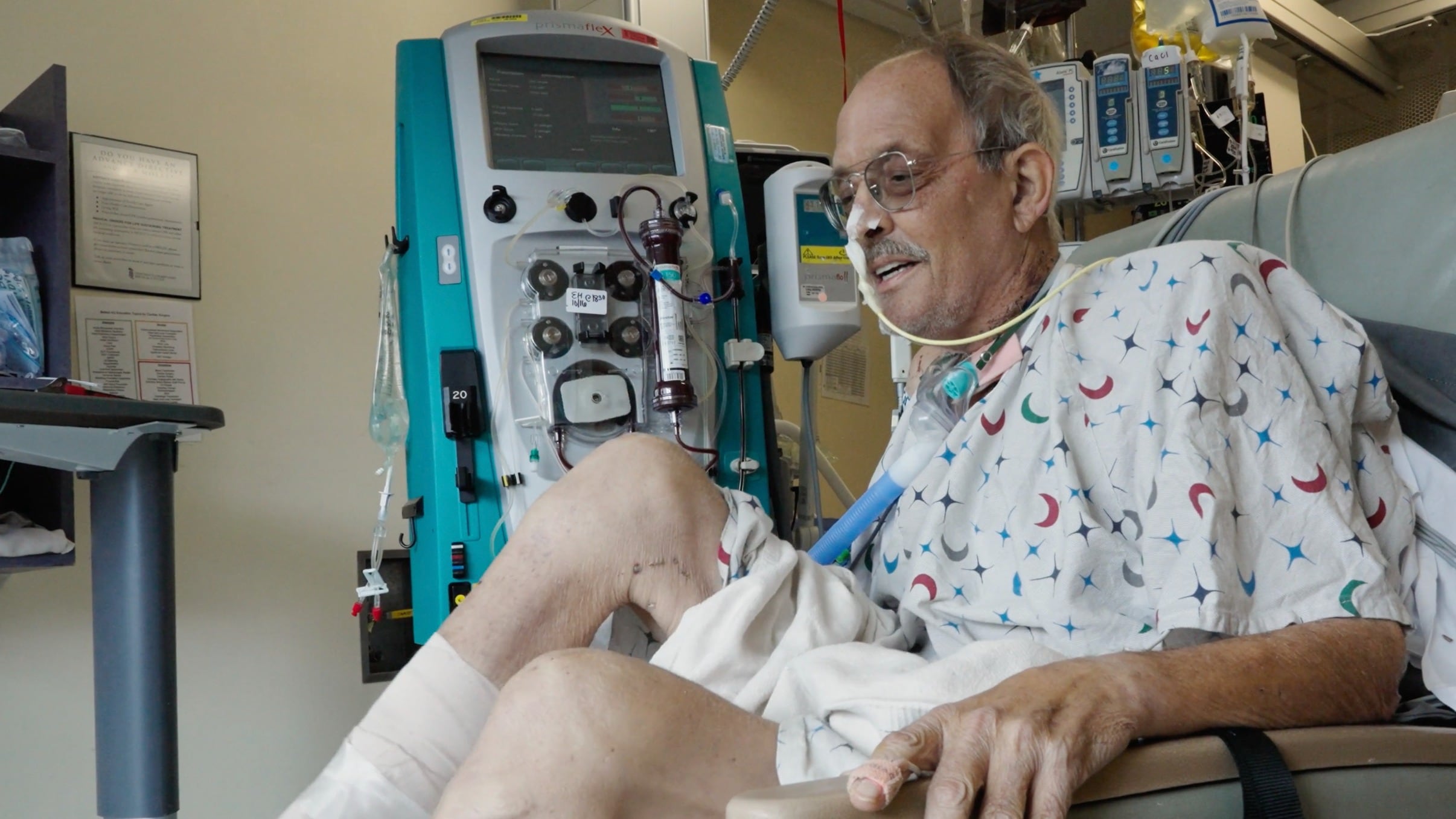
In this image from video provided by the University of Maryland School of Medicine, Lawrence Faucette, a pig heart transplant patient, works with a physical therapist at the school's hospital in Baltimore, Md., on Wednesday, Oct. 18, 2023. (Tom Jemski/University of Maryland School of Medicine via AP)
Lawrence Faucette was dying from heart failure and ineligible for a traditional heart transplant because of other health problems when doctors at the University of Maryland School of Medicine offered the highly experimental surgery.
In the first glimpse of Faucette provided since the Sept. 20 transplant, hospital video shows physical therapist Chris Wells urging him to smile while pushing through a pedaling exercise to regain his strength.
“That’s going to be tough but I’ll work it out,” Faucette, 58, replied, breathing heavily but giving a smile.
The Maryland team last year performed the world’s first transplant of a heart from a genetically altered pig into another dying man. David Bennett survived just two months before that heart failed, for reasons that aren’t completely clear although signs of a pig virus later were found inside the organ. Lessons from that first experiment led to changes before this second try, including better virus testing.
Attempts at animal-to-human organ transplants — called xenotransplants — have failed for decades, as people’s immune systems immediately destroyed the foreign tissue. Now scientists are trying again using pigs genetically modified to make their organs more humanlike.
In Friday’s hospital video, Faucette’s doctors said the pig heart has shown no sign of rejection.
“His heart is doing everything on its own,” said Dr. Muhammad Mohiuddin, the Maryland team’s cardiac xenotransplantation chief.
A hospital spokeswoman said Faucette, of Frederick, Maryland, has been able to stand and physical therapists are helping him gain strength needed to attempt walking.
Many scientists hope xenotransplants one day could compensate for the huge shortage of human organ donations. More than 100,000 people are on the nation’s list for a transplant, most awaiting kidneys, and thousands will die waiting.
A handful of scientific teams have tested pig kidneys and hearts in monkeys and in donated human bodies, hoping to learn enough for the Food and Drug Administration to allow formal xenotransplant studies.
The Associated Press Health and Science Department receives support from the Howard Hughes Medical Institute’s Science and Educational Media Group. The AP is solely responsible for all content.
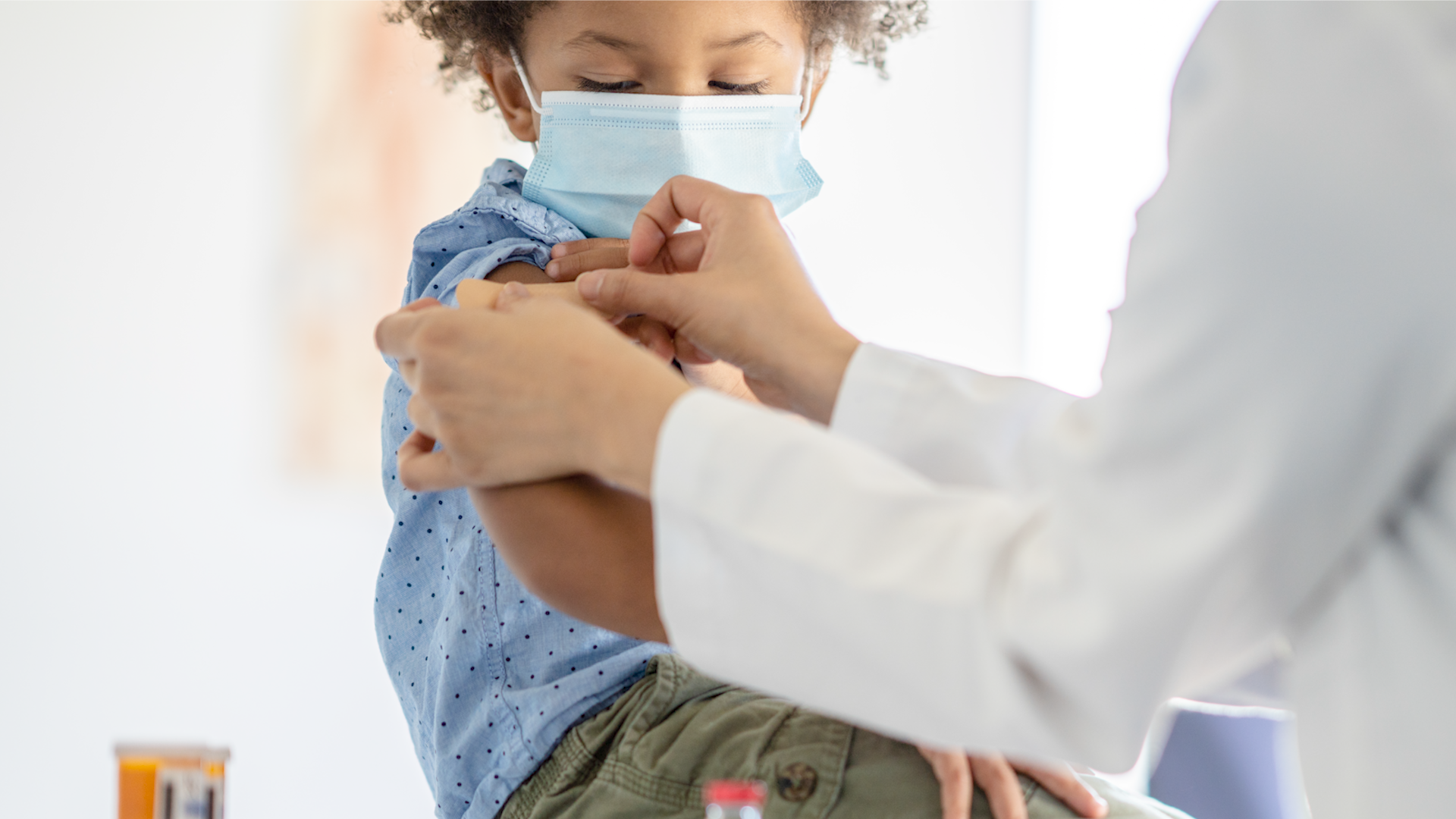
An FDA panel has recommended the low-dose Pfizer vaccine for kids ages five to 11. The recommendation now cues up the FDA to authorize the vaccine. Next week, the CDC will consider its own authorization. Once signed off by the CDC, the Pfizer vaccine can be administered in children immediately. Dr. Christina Johns, Senior Medical Advisor at PM Pediatrics, joined Cheddar's Search for a Cure.
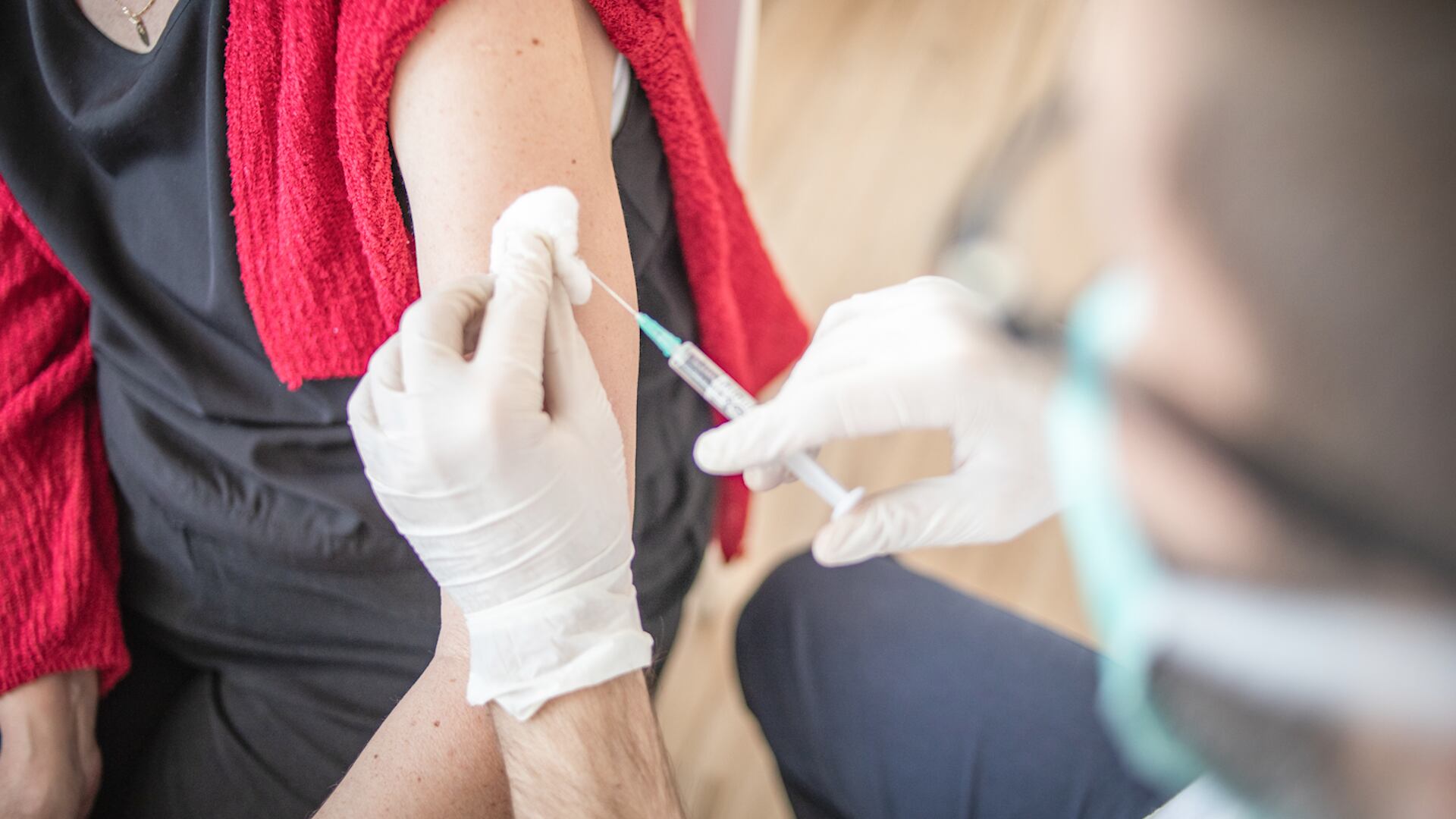
Dr. Vivek Cherin, Internal Medicine Physician at Amita Health, joined Cheddar's Search for a Cure to break down what we need to know about eligibility and availability of COVID-19 vaccine boosters.
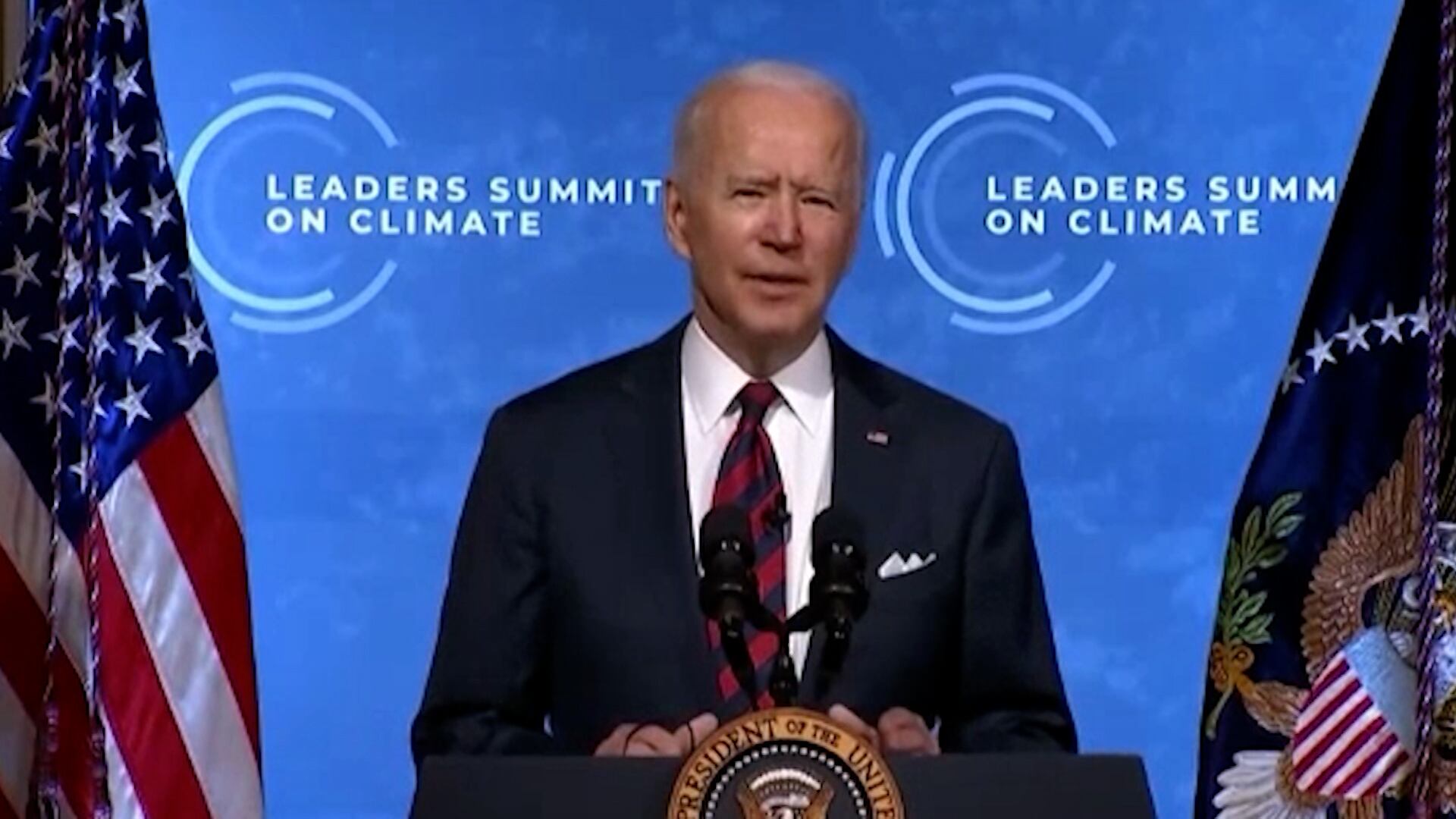
World leaders will converge this weekend at the 2021 G20 Summit in Rome and the UN COP26 conference in Glasgow with the climate crisis on the agenda. Lord Adair Turner, chair of the Energy Transitions Commission, joined Cheddar to discuss what people can expect to come out of the climate-focused conferences. Turner also noted that one of the biggest hurdles for the attending nations will be coming to a uniform decision on expanding on the Paris Climate Accord goals that have become insufficient to prevent global warming by 1.5 degrees celsius.
Nicole Lambert, President at Myriad Genetics joins ChedHER to discuss how to expand access to genetic testing for all women, and how her experience as a 'pre-vivor' motivates her role in the industry.
Carlo and Baker cover Facebook's big rebrand, the latest on Biden's economic agenda and more. Plus, ranking the best Halloween candy and the worst couple's costumes.
Proptech startup Juno recently raised $20 million in a Series A funding round. The company says the funds will be used to further its mission of building sustainable and affordable apartment buildings across the United States. Juno Co-Founder and CEO Jonathan Sherr joined Cheddar News' Closing Bell to discuss.
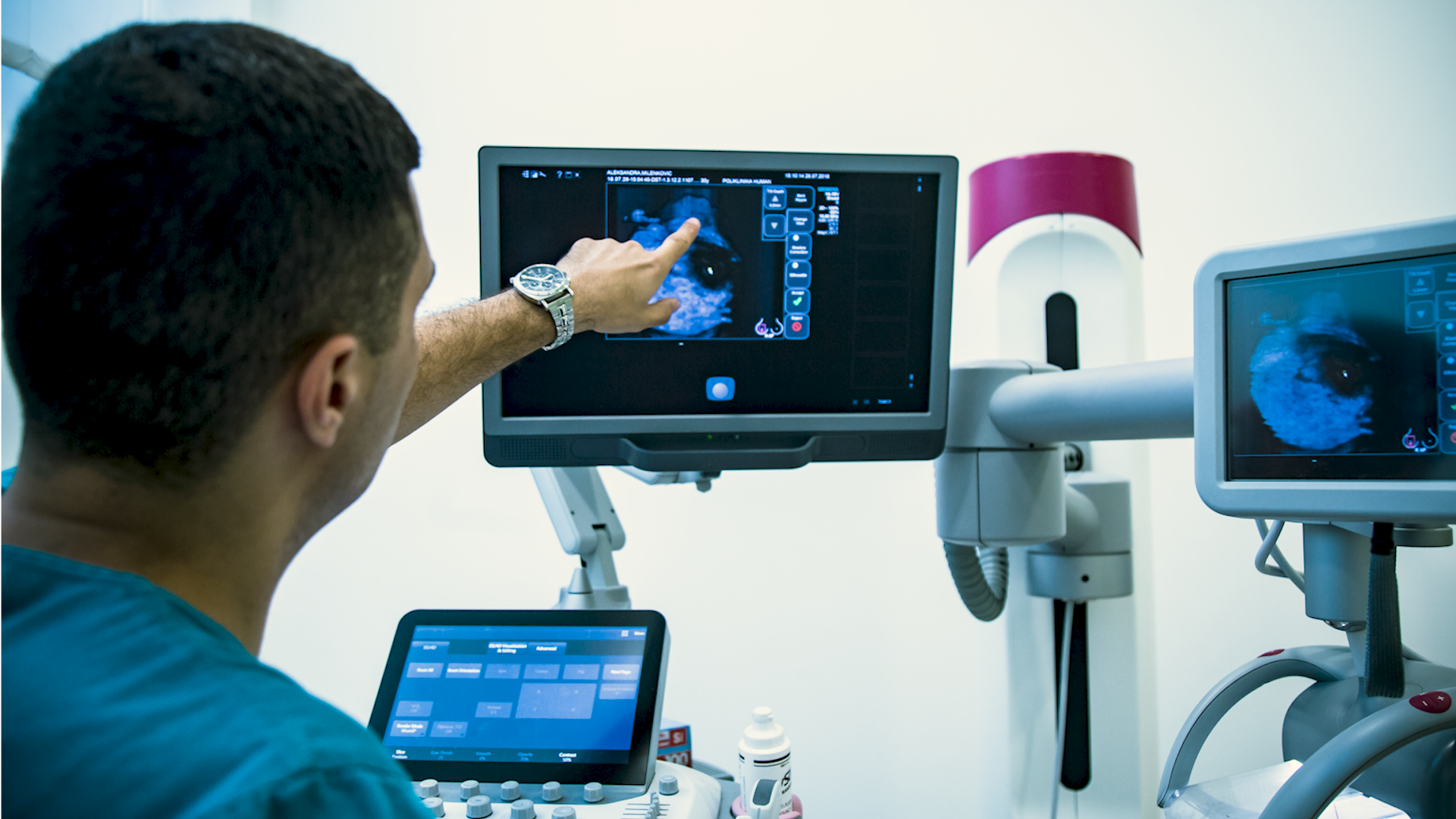
Stacey Stevens, President of iCAD, joins 'Cheddar Innovates' to discuss how 'Profound A.I. Risk' works as a short-term breast cancer risk estimation for women.
On this episode of 'Cheddar Innovates': President of iCAD breaks down how its technology is being used as a short-term breast cancer risk estimation for women; A look at Curiosity Stream's 'The Science of Thrills.'
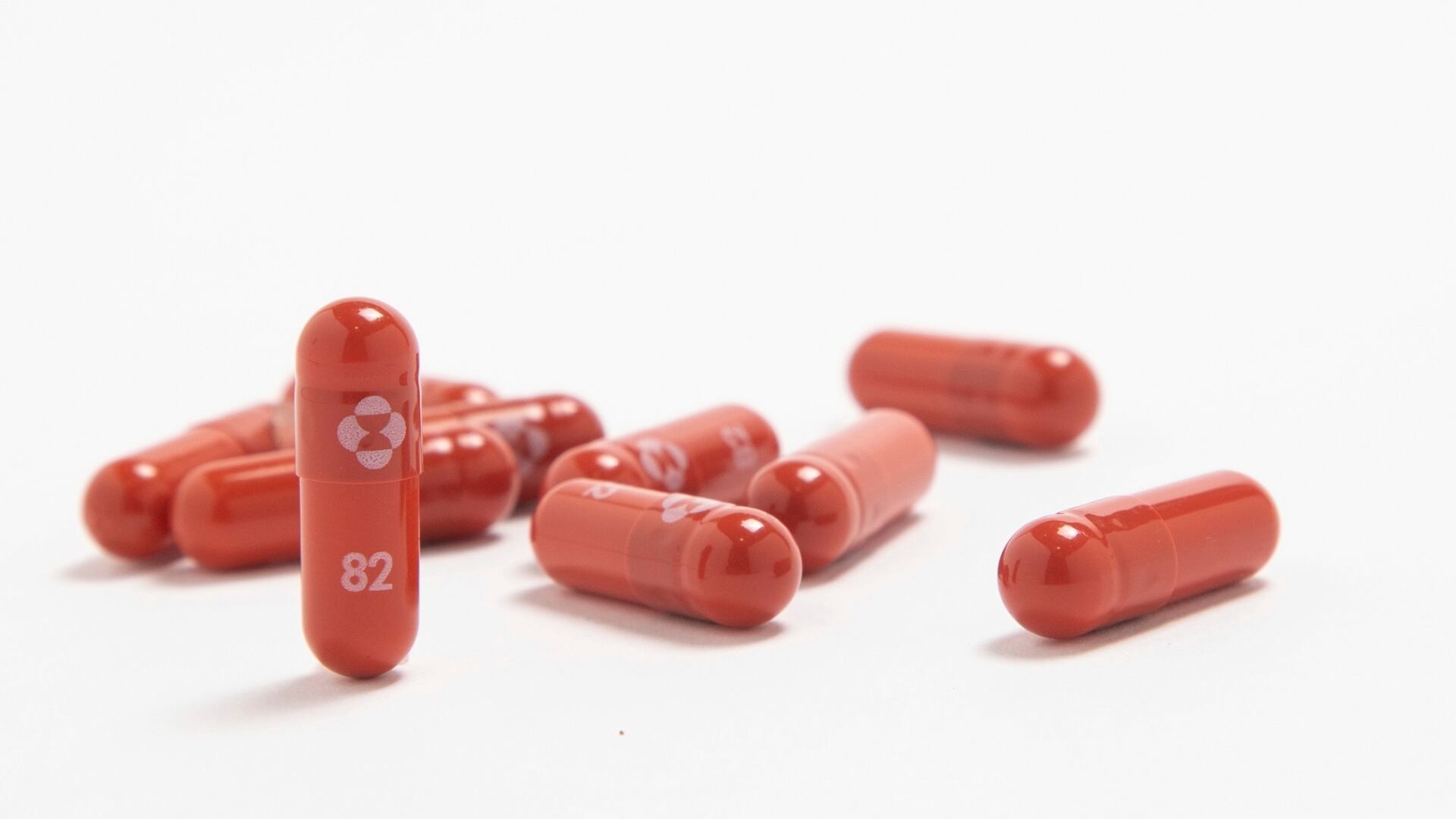
Pharmaceutical company Merck has announced that it will share the formula of its COVID-19 pill with poor countries free of charge. The company still intends to charge wealthier nations leaving the end cost at more than $700 per five-day treatment course.
Dems race for a deal on President Biden's economic agenda ahead of his big foreign trip. What to make of the latest threat assessment in Afghanistan. Plus, the meme cryptocurrency of the moment that's now worth more than many Fortune 500 companies.