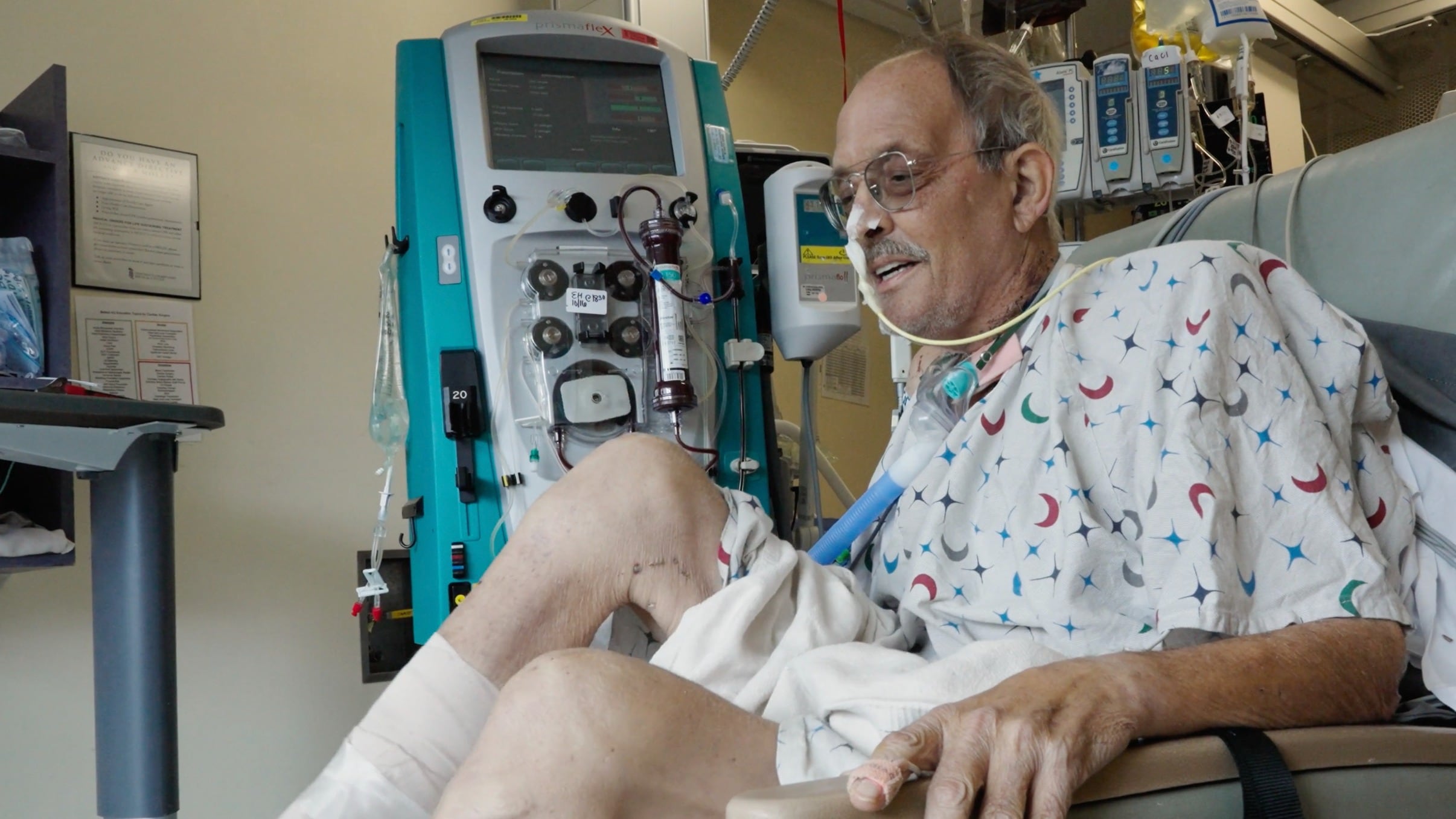
In this image from video provided by the University of Maryland School of Medicine, Lawrence Faucette, a pig heart transplant patient, works with a physical therapist at the school's hospital in Baltimore, Md., on Wednesday, Oct. 18, 2023. (Tom Jemski/University of Maryland School of Medicine via AP)
Lawrence Faucette was dying from heart failure and ineligible for a traditional heart transplant because of other health problems when doctors at the University of Maryland School of Medicine offered the highly experimental surgery.
In the first glimpse of Faucette provided since the Sept. 20 transplant, hospital video shows physical therapist Chris Wells urging him to smile while pushing through a pedaling exercise to regain his strength.
“That’s going to be tough but I’ll work it out,” Faucette, 58, replied, breathing heavily but giving a smile.
The Maryland team last year performed the world’s first transplant of a heart from a genetically altered pig into another dying man. David Bennett survived just two months before that heart failed, for reasons that aren’t completely clear although signs of a pig virus later were found inside the organ. Lessons from that first experiment led to changes before this second try, including better virus testing.
Attempts at animal-to-human organ transplants — called xenotransplants — have failed for decades, as people’s immune systems immediately destroyed the foreign tissue. Now scientists are trying again using pigs genetically modified to make their organs more humanlike.
In Friday’s hospital video, Faucette’s doctors said the pig heart has shown no sign of rejection.
“His heart is doing everything on its own,” said Dr. Muhammad Mohiuddin, the Maryland team’s cardiac xenotransplantation chief.
A hospital spokeswoman said Faucette, of Frederick, Maryland, has been able to stand and physical therapists are helping him gain strength needed to attempt walking.
Many scientists hope xenotransplants one day could compensate for the huge shortage of human organ donations. More than 100,000 people are on the nation’s list for a transplant, most awaiting kidneys, and thousands will die waiting.
A handful of scientific teams have tested pig kidneys and hearts in monkeys and in donated human bodies, hoping to learn enough for the Food and Drug Administration to allow formal xenotransplant studies.
The Associated Press Health and Science Department receives support from the Howard Hughes Medical Institute’s Science and Educational Media Group. The AP is solely responsible for all content.
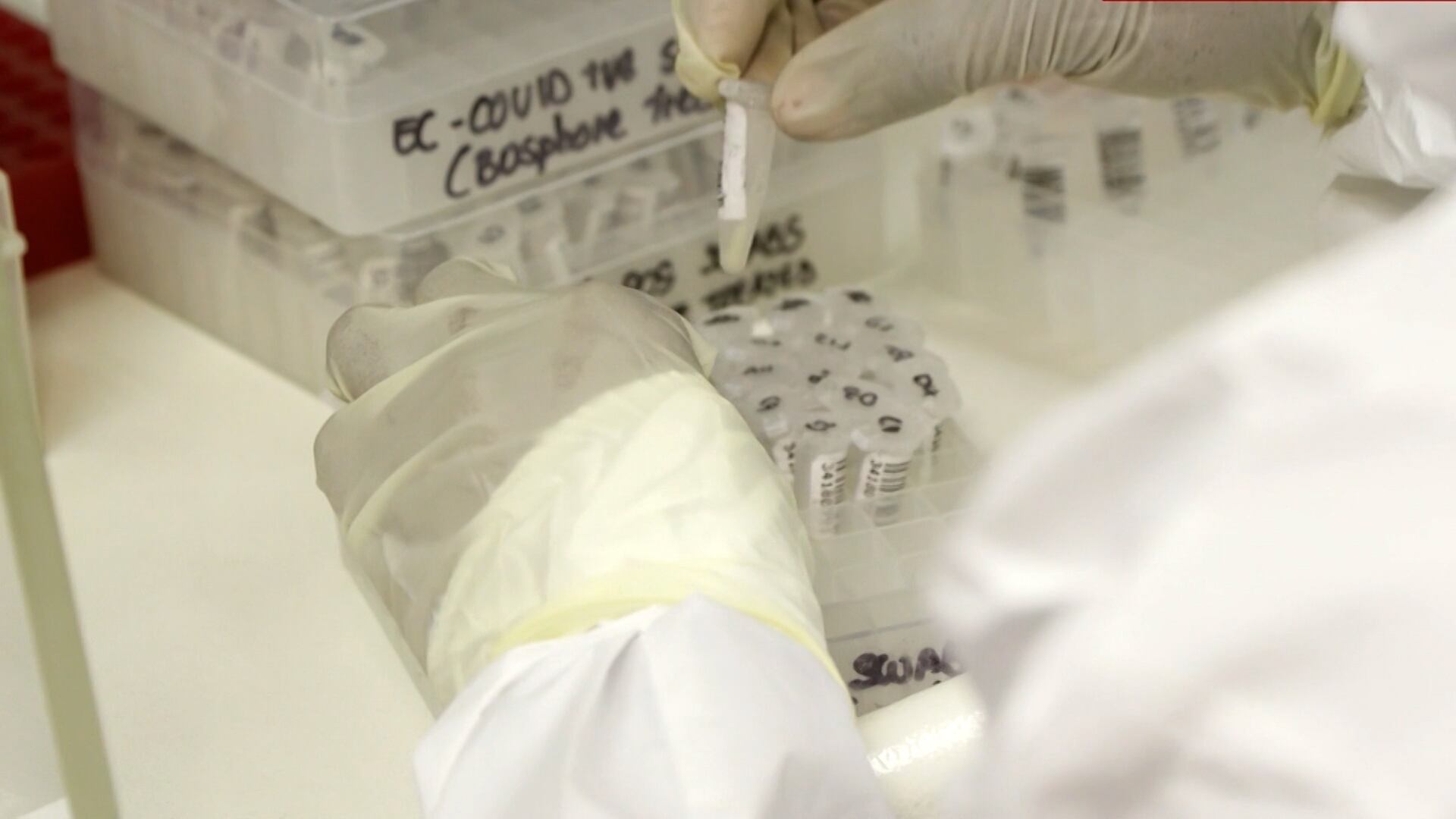
Carlo and Baker cover the latest developments with the Omicron variant, and break down what we know and what we still don't. Plus, a relatively tame Black Friday, and more.
Dr. Amesh Adalja, an infectious disease specialist and senior scholar at Johns Hopkins Center for Health Security, joined Cheddar to discuss the nations joining in on a travel ban against several African nations after South Africa reported the emergence of the omicron variant of COVID-19 currently worrying health experts. Adalja also added his own voice to the World Health Organization's objection to the travel ban at this time. "When you do a travel ban, you basically waste a lot of resources implementing the travel ban, you give people a false sense of security when the virus is likely already outside of the area of the travel ban, and then you punish countries like South Africa." He noted that South Africa should be praised for its transparency and not punished with restrictions, an act he thinks will lead to a chilling effect among other nations sharing data freely.
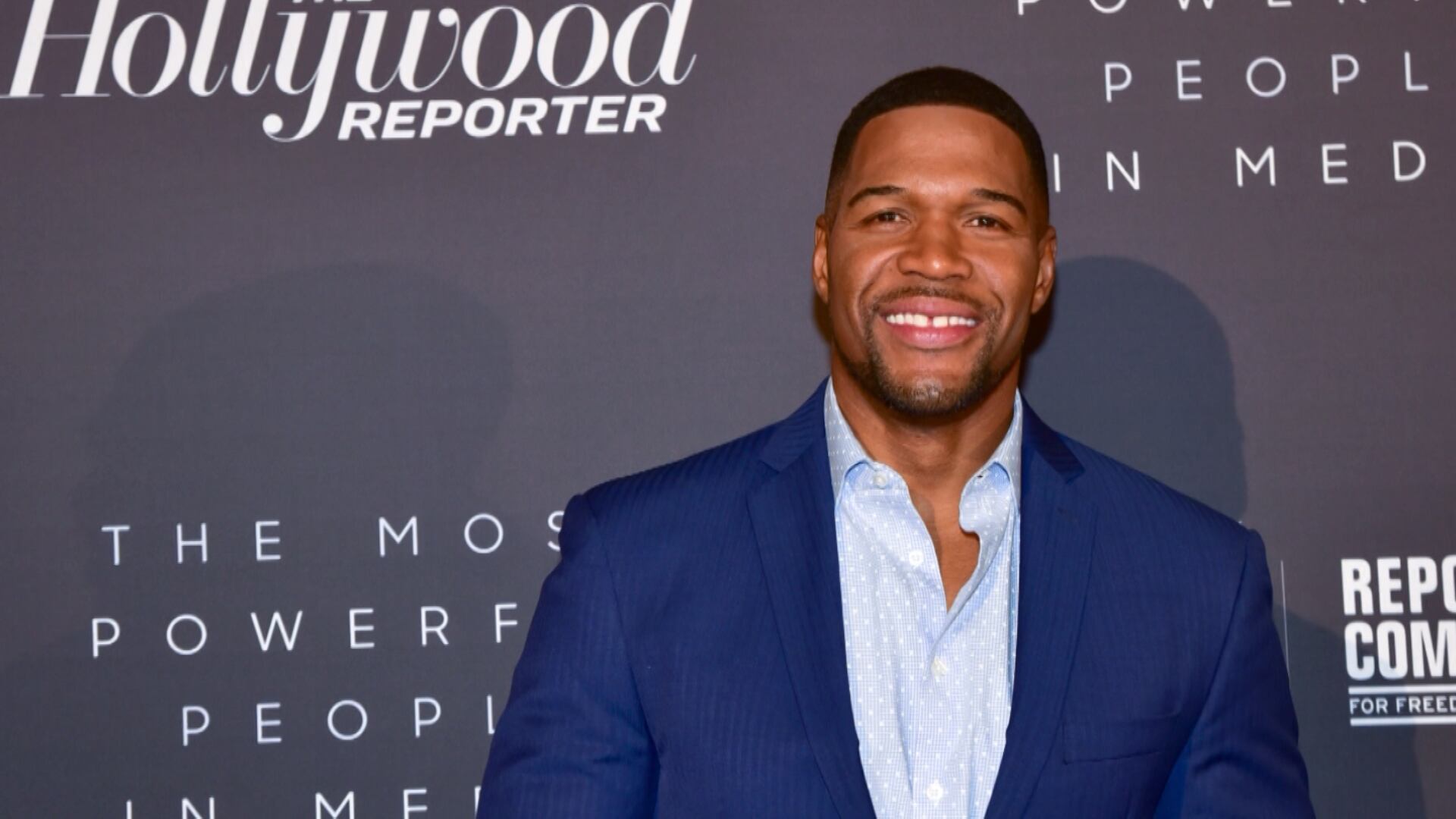
Blue Origin is gearing up for its next launch, set to blast off on December 9th. Michael Strahan is one of the six crew members who will snag a seat on the the New Shepard rocket. Jim Cantrell, CEO and co-founder at Phantom Space, joins Cheddar News to discuss.
Donald Pettey, Program Manager for Strategic Initiatives for MassDOT, and Mohammed Siddiqui, Vice President of Public Relations at Ko-Solar, join Cheddar Climate, where they discuss their plan to test highway barriers that absorb sound and solar energy, with construction expected to begin in the first half of 2022.
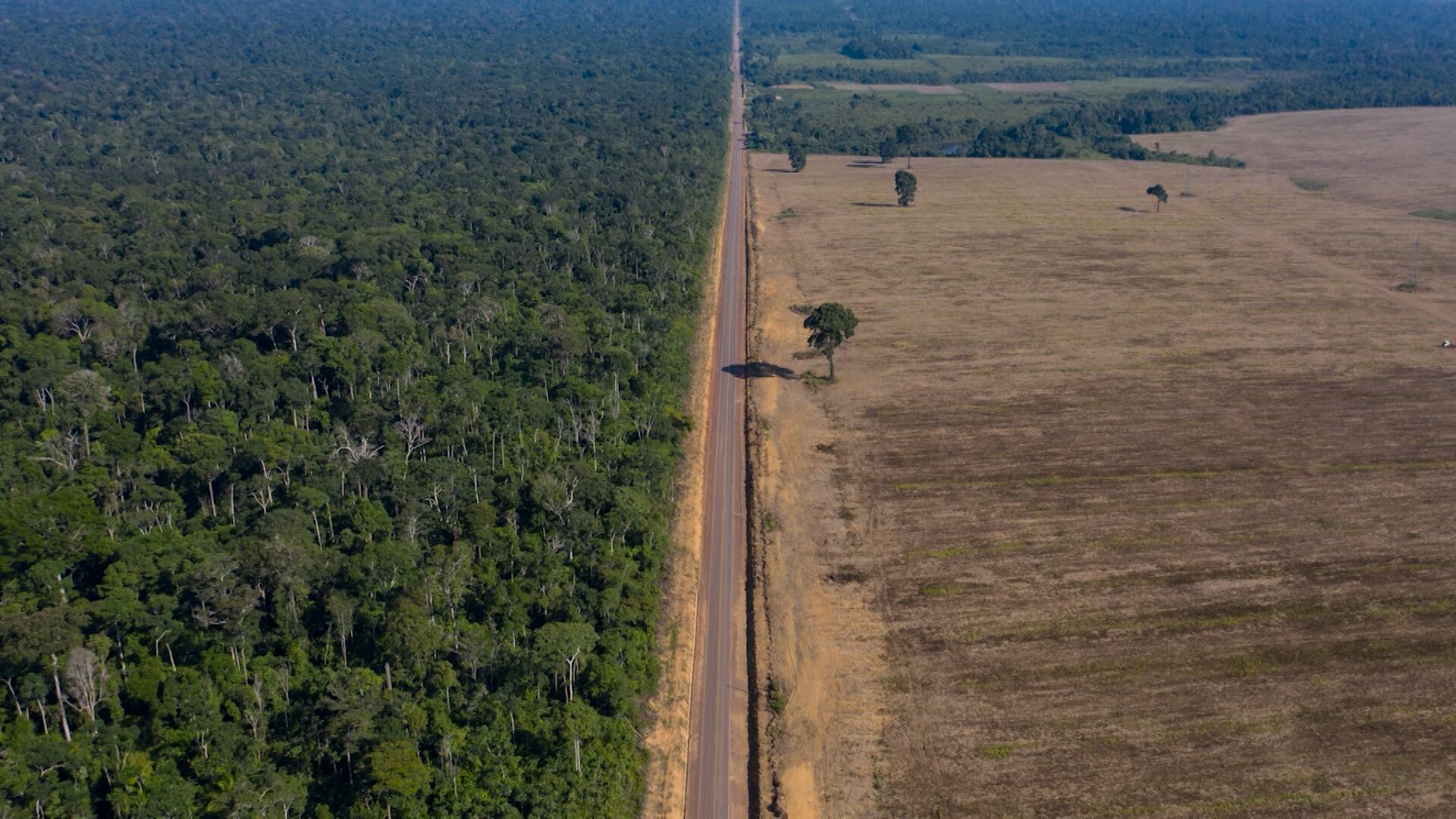
Over 100 world leaders signed on to a pledge at the United Nations COP26 climate meeting with the aim of ending and reversing deforestation by 2030. Leaders agreed to conserve forests and ecosystems, support developing countries on deforestation prevention, and more. Rod Taylor, Global Forests Director at the World Resources Institute, joins Cheddar Climate to discuss the pledge, whether it will have a significant impact, whether 2030 is a suitable deadline, and how we can verify if forests are actually being protected.
President Joe Biden's "Build Back Better" bill could mean cheaper electric bicycles and scooters as the nation attempts to shift away from gas-powered cars. Noa Banayan, the director of federal affairs at PeopleForBikes, joined Cheddar's "Closing Bell" to provide some background on the E-Bike Act included in Biden's reconciliation bill that would provide tax credits for qualified purchases. "We want to make sure, from the bike industry's perspective, that this is a technology and a product that is available to the majority of Americans who want to lower their carbon footprint and get around town faster and do everything that they would normally do in a short car trip but by bike, because it's healthier, it's fast, it's efficient, you're not in traffic," she said.
It's being called the next big trend in crypto. A decentralized autonomous organization, or DAO, is an internet community of different types of groups and businesses. The purpose is to allow people to commit funds to a specific cause in a safe way. Now, one social platform is creating a do-it-yourself kit for those who want to step into the space. Upstream Collective just launched the beta mode of its platform with the goal of putting all facets of running a DAO in one place. Alex Taub, co-founder and CEO of Upstream, joins Cheddar News to discuss.
A NASA spacecraft that will deliberately crash into an asteroid is preparing to launch this week. The goal of the DART mission, or the Double Asteroid Redirection Test, is to hit the smaller of the two asteroids, Dimorphos, with the spacecraft at about 15,000 miles per hour and see how the impact changes the asteroid’s trajectory. Joey Roulette, space reporter at The New York Times, joins Cheddar News to talk more about it.
NFL Hall of Famer and "Good Morning America" host Michael Strahan will be able to add space travel to his list of accomplishments as he prepares to launch into orbit with the next Blue Origin mission.