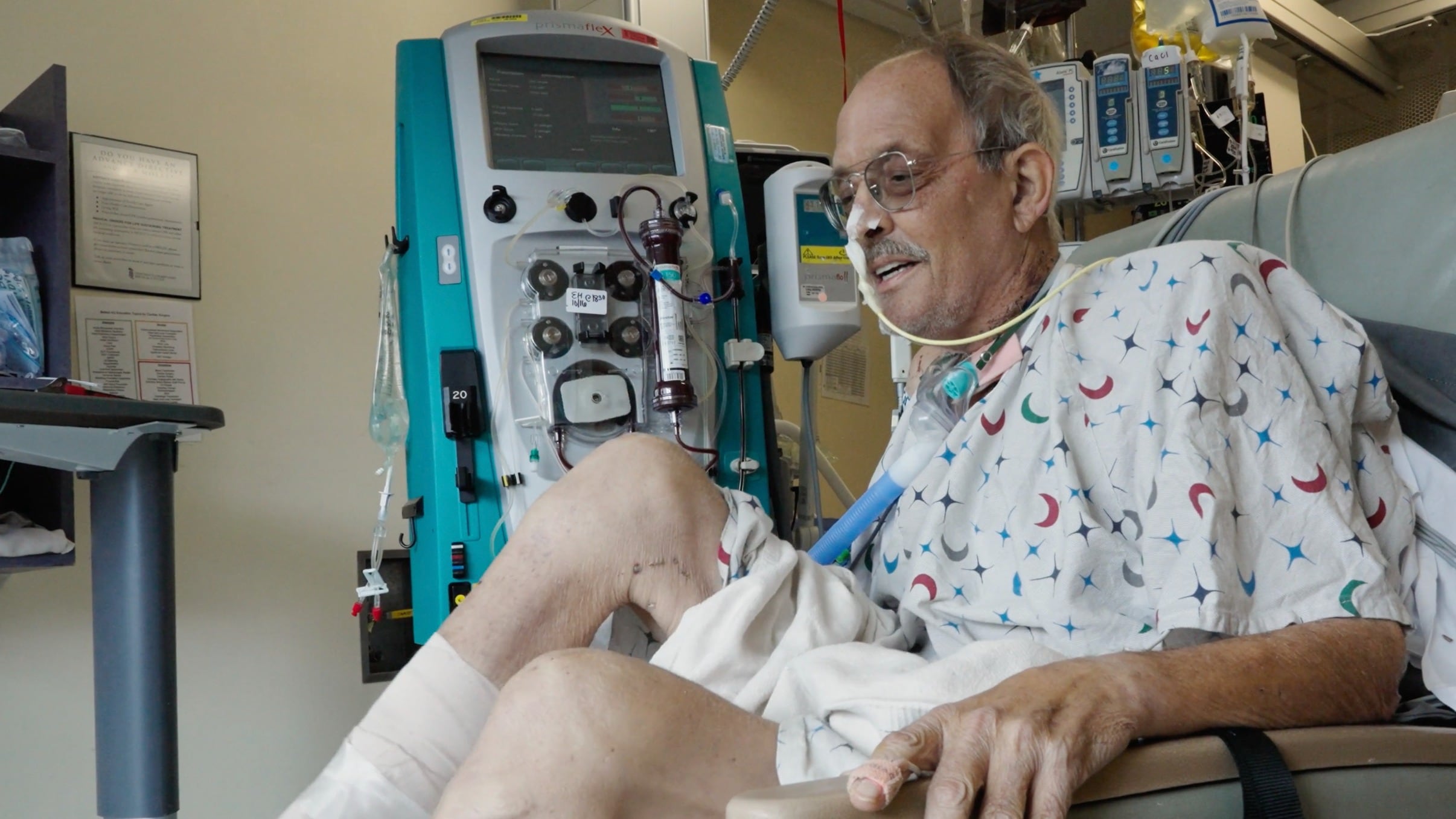
In this image from video provided by the University of Maryland School of Medicine, Lawrence Faucette, a pig heart transplant patient, works with a physical therapist at the school's hospital in Baltimore, Md., on Wednesday, Oct. 18, 2023. (Tom Jemski/University of Maryland School of Medicine via AP)
Lawrence Faucette was dying from heart failure and ineligible for a traditional heart transplant because of other health problems when doctors at the University of Maryland School of Medicine offered the highly experimental surgery.
In the first glimpse of Faucette provided since the Sept. 20 transplant, hospital video shows physical therapist Chris Wells urging him to smile while pushing through a pedaling exercise to regain his strength.
“That’s going to be tough but I’ll work it out,” Faucette, 58, replied, breathing heavily but giving a smile.
The Maryland team last year performed the world’s first transplant of a heart from a genetically altered pig into another dying man. David Bennett survived just two months before that heart failed, for reasons that aren’t completely clear although signs of a pig virus later were found inside the organ. Lessons from that first experiment led to changes before this second try, including better virus testing.
Attempts at animal-to-human organ transplants — called xenotransplants — have failed for decades, as people’s immune systems immediately destroyed the foreign tissue. Now scientists are trying again using pigs genetically modified to make their organs more humanlike.
In Friday’s hospital video, Faucette’s doctors said the pig heart has shown no sign of rejection.
“His heart is doing everything on its own,” said Dr. Muhammad Mohiuddin, the Maryland team’s cardiac xenotransplantation chief.
A hospital spokeswoman said Faucette, of Frederick, Maryland, has been able to stand and physical therapists are helping him gain strength needed to attempt walking.
Many scientists hope xenotransplants one day could compensate for the huge shortage of human organ donations. More than 100,000 people are on the nation’s list for a transplant, most awaiting kidneys, and thousands will die waiting.
A handful of scientific teams have tested pig kidneys and hearts in monkeys and in donated human bodies, hoping to learn enough for the Food and Drug Administration to allow formal xenotransplant studies.
The Associated Press Health and Science Department receives support from the Howard Hughes Medical Institute’s Science and Educational Media Group. The AP is solely responsible for all content.
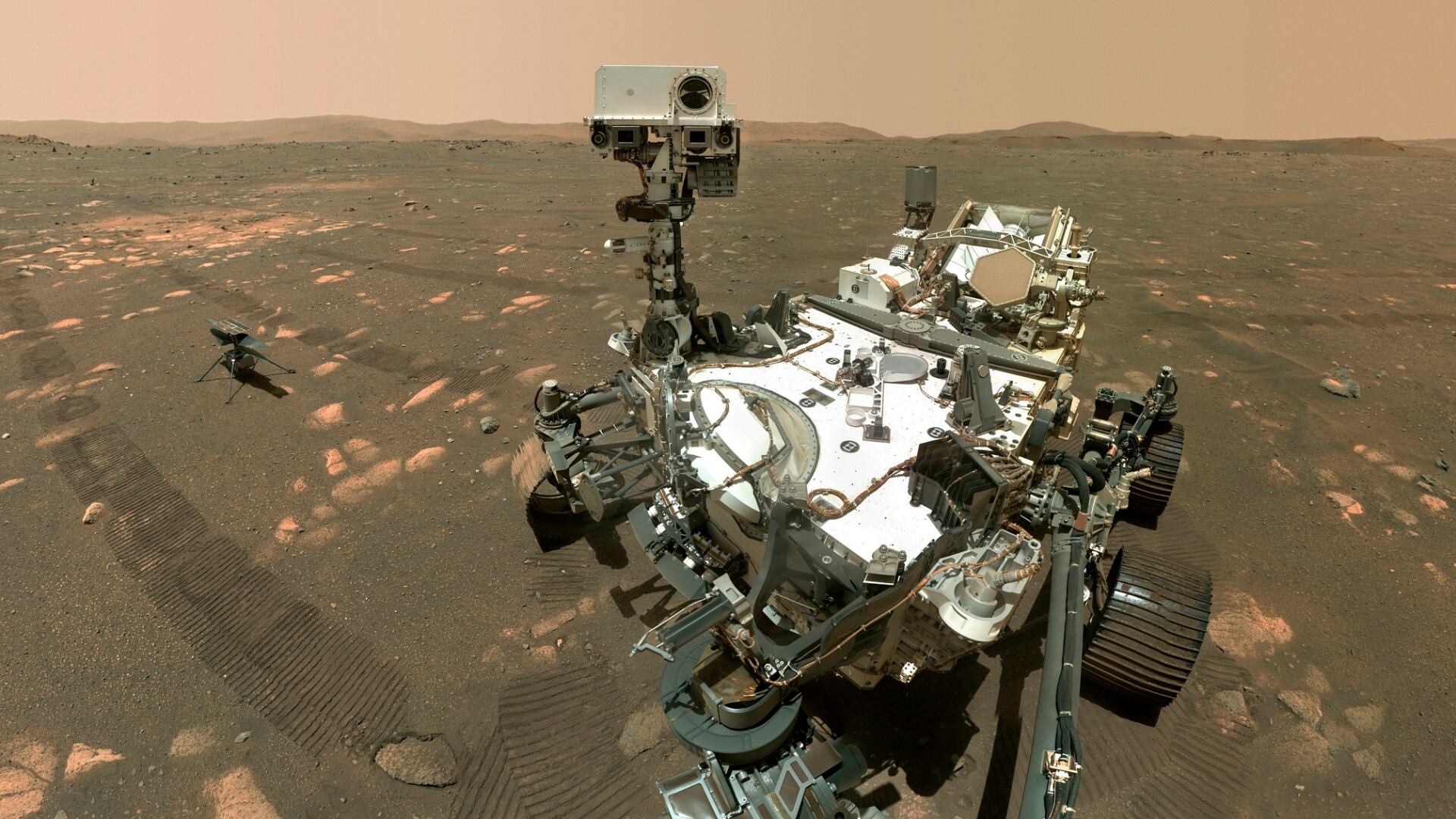
NASA's Perseverance Rover unexpectedly has discovered volcanic rock on the surface of Mars. Scientists initially had thought the rocks were sedimentary in nature.
The deadly tornadoes that devastated Kentucky and five other states last weekend have brought climate change back to forefront of the conversation. Scientists say no single weather event can be pinned to climate change alone, but this December has been unseasonably warm, and warmer temperatures can make extreme weather events more likely. Jana Houser, associate professor of meteorology at Ohio University, joined Cheddar to discuss what role climate change might have played in these deadly tornadoes, and what can be done to prevent severe weather events like this from getting even worse in the future.
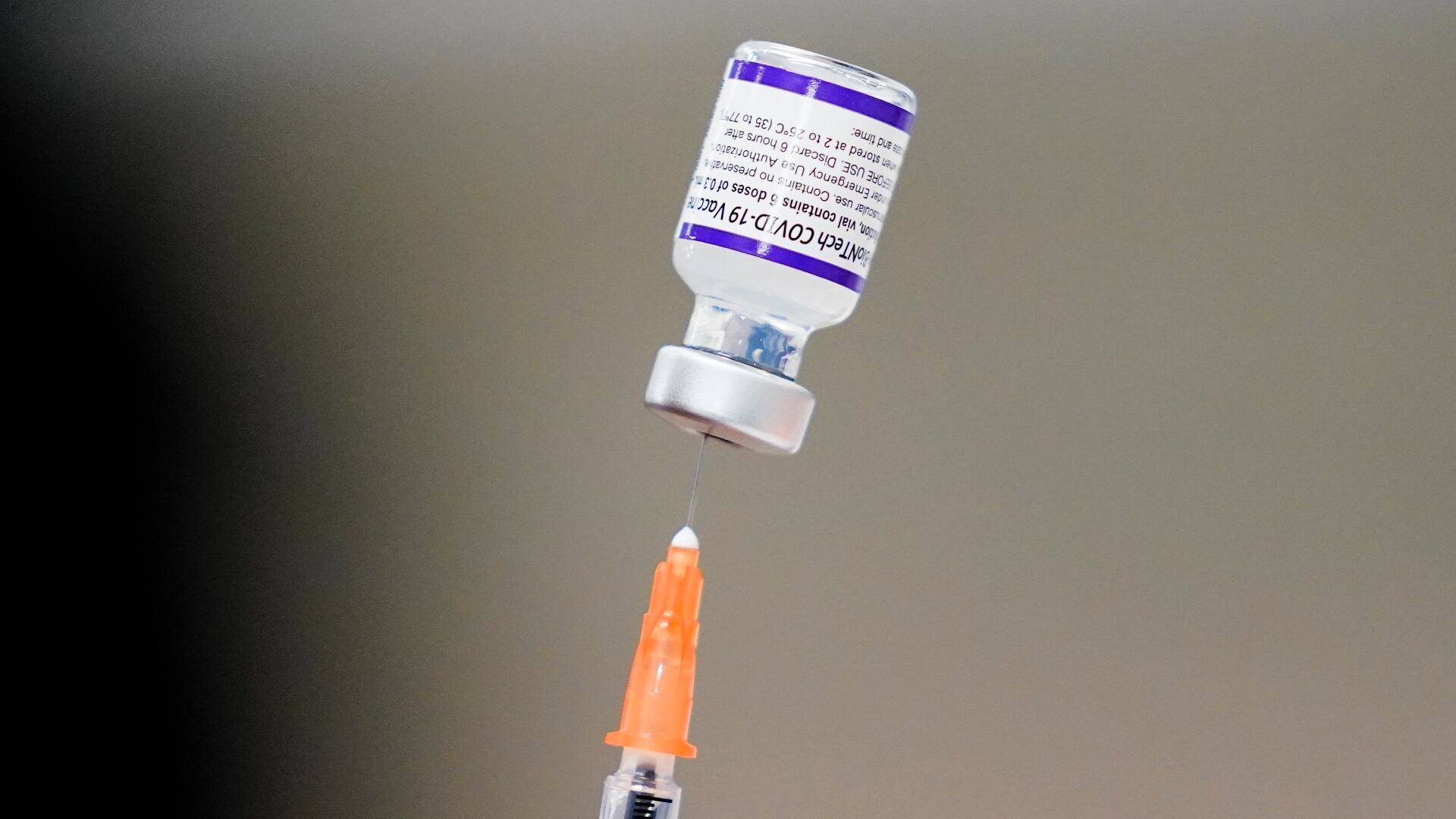
Even as tech giant Google implements a vaccination mandate, charging its employees to declare their vaccine status within a time frame or risk dismissal, the federal government is tangled up in the court system trying to impose one of its own. Cindy Cohn, the executive director of the Electronic Frontier Foundation, and Harry Nelson, founder and managing partner of Nelson Hardiman LLP, joined Cheddar to debate the ethics, efficacy, and legality surrounding the issue. While Cohn noted that she thinks the federal mandate might be legally sound, her organization is also concerned with a separate question of privacy. "At EFF what we're most interested in is the digital surveillance that's going along with some of these attempts to try to track and confirm whether people are vaccinated or not," she said.
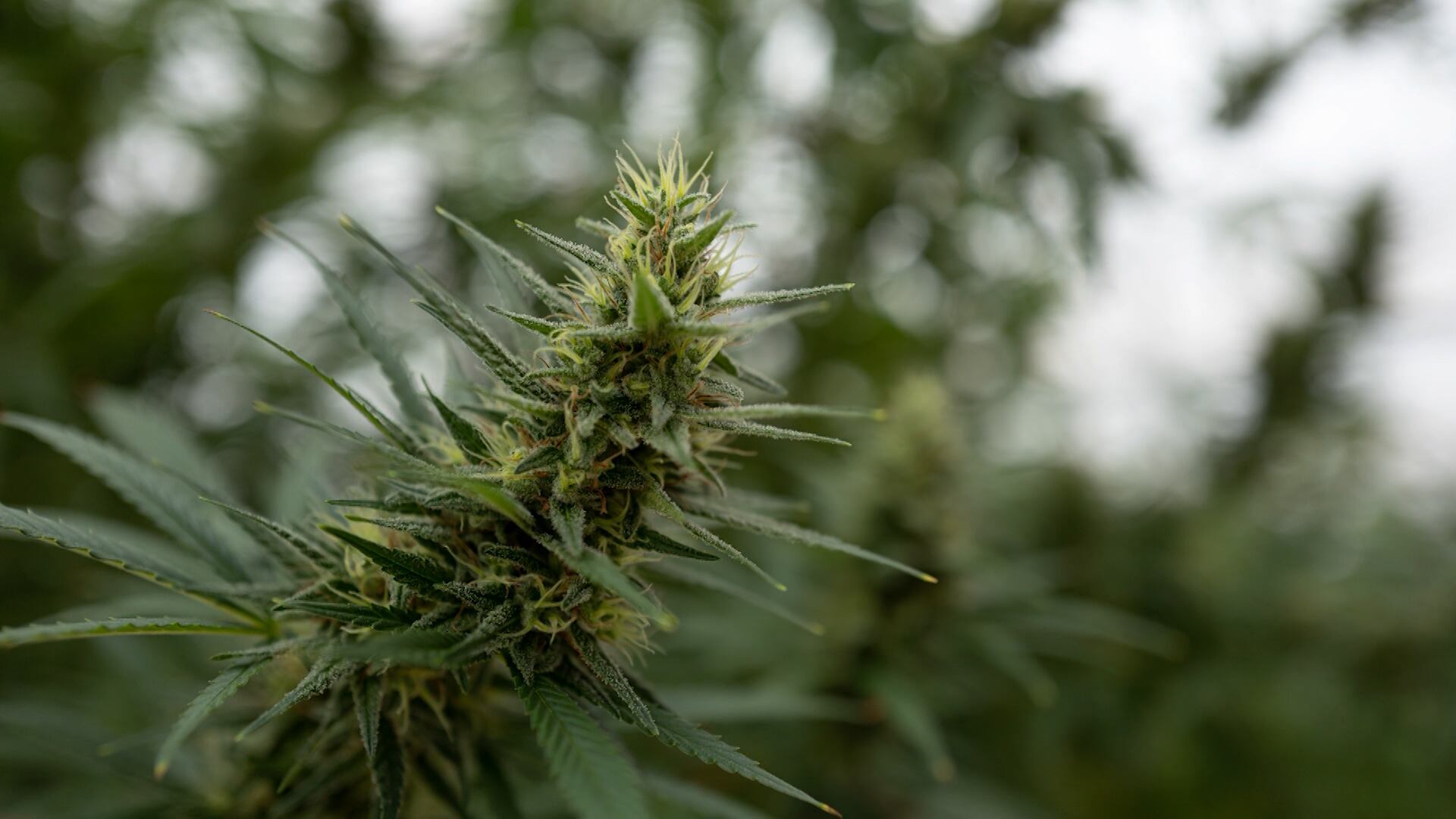
There is a new way for investors to bet on cannabis - the AdvisorShares Poseidon Dynamic Cannabis ETF targets about 20 of the biggest names in U.S. cannabis. It comes at a time when it's still difficult for investors to access the space. Cheddar News cannabis reporter Chloe Aiello spoke with co-founder and managing director for Poseidon Investment Management, Emily Paxhia.
Joellen Russell, Professor at the University of Arizona, joins Cheddar Climate to discuss how poor academic curricula and misinformation online are hindering efforts to educate children about climate change, as well as how Science Moms is providing resources to moms to help create a safer world for their children.
Another successful spaceflight is in the books for Jeff Bezos' Blue Origin. The company's third human spaceflight blasted off from Van Horn, TX. on Saturday, lasting about ten minutes from takeoff to landing. The crew, which included former NFL star and current GMA host Michael Strahan, traveled to the edge of space and experienced a few minutes of weightlessness before the capsule descended back to earth. Andrew Chanin, CEO of ProcureAM, joined Cheddar's Opening Bell to discuss the significance of the launch.
The U.S. Government is making its first major move toward encouraging nuclear energy in the U.S., as it pushes toward a sustainable future. Scott Waldman, White House reporter for Politico's E&E News joined Cheddar News to break down the developments. "There's definitely an audience for this now since we're looking at the value of nuclear in terms of climate policy," he said, regarding the prospects for bipartisan support.
Google reportedly has announced that its employees must declare their vaccination status by January 18 or face a loss of pay, administrative leave, and eventual termination.