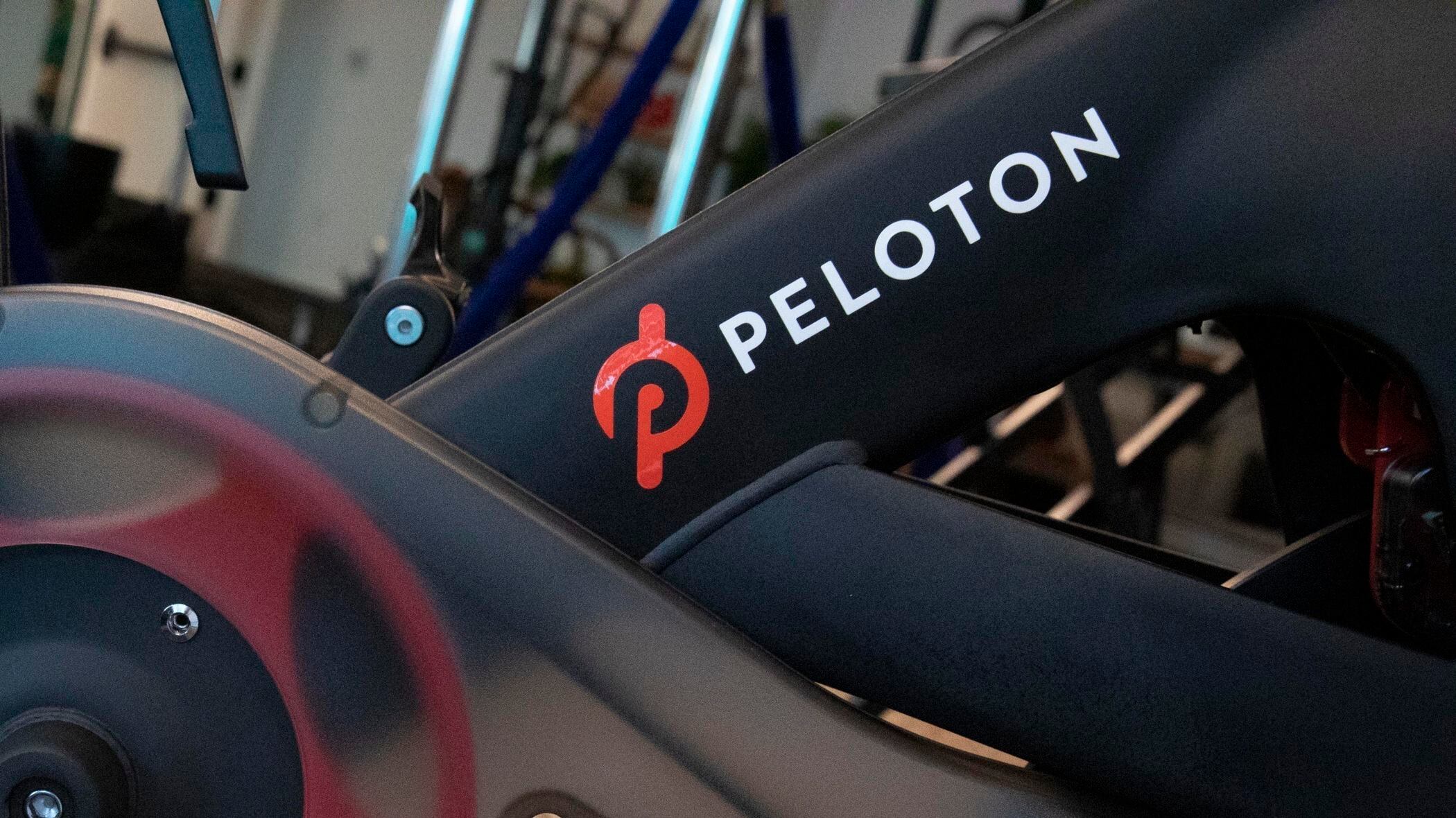
In this Sept. 26, 2019 file photo, the Peloton logo is displayed on the company's stationary bicycle in New York. Peloton plans to spend about $400 million to build its first U.S. factory in Ohio. The exercise equipment maker said Monday, May 24, 2021, that the Peloton Output Park will make the Peloton Bike, Bike+ and Peloton Tread starting in 2023. (AP Photo/Mark Lennihan, File)
Peloton plans to spend about $400 million to build its first U.S. factory in Ohio.
The exercise equipment maker said Monday that the Peloton Output Park will make the Peloton Bike, Bike+ and Peloton Tread starting in 2023. It will have more than 200 acres and more than 1 million square feet of manufacturing, office and amenities space.
Peloton Interactive Inc. said it plans to break ground on the site in Troy Township over the summer. The company anticipates adding more than 2,000 jobs in Ohio over the next few years. Positions will span corporate, manufacturing, assembly and quality assurance functions.
The New York-based company employs about 3,700 people, according to FactSet.
Peloton has faced surging demand during the pandemic. It reported that revenue in the first three months of the year more than doubled on strong subscription growth. Last December, the company spent $420 million to acquire Precor, a company whose fitness machines populate hundreds of commercial and hotel gyms. That deal gave Peloton its first manufacturing capacity in the U.S.
“While we will continue to invest in our Asian manufacturing footprint as well as our existing facilities in the U.S. via our Precor sites, the new Peloton Output Park gives us a massive strategic lever to make sure we have capacity, quality, and economies of scale in our bike and tread product lines, to support our continued growth for years and years to come," said Peloton CEO John Foley.
The plans still need final approvals from state and local officials.
Shares of Peloton fell less than 2% in afternoon trading.
Walmart, which became the nation’s largest retailer by making low prices a priority, has found itself in a place it’s rarely been: Warning customers that prices will rise for goods ranging from bananas to car seats.
Chris Beauchamp, Chief Market Analyst at IG International, joins J.D. Durkin to give analysis on the recent trade truce between the U.S. and China. Watch!
Shan Aggarwal, VP of Corporate and Business Development at Coinbase, discusses the company's acquisitio of Deribit as it heads into the S&P 500. Watch!
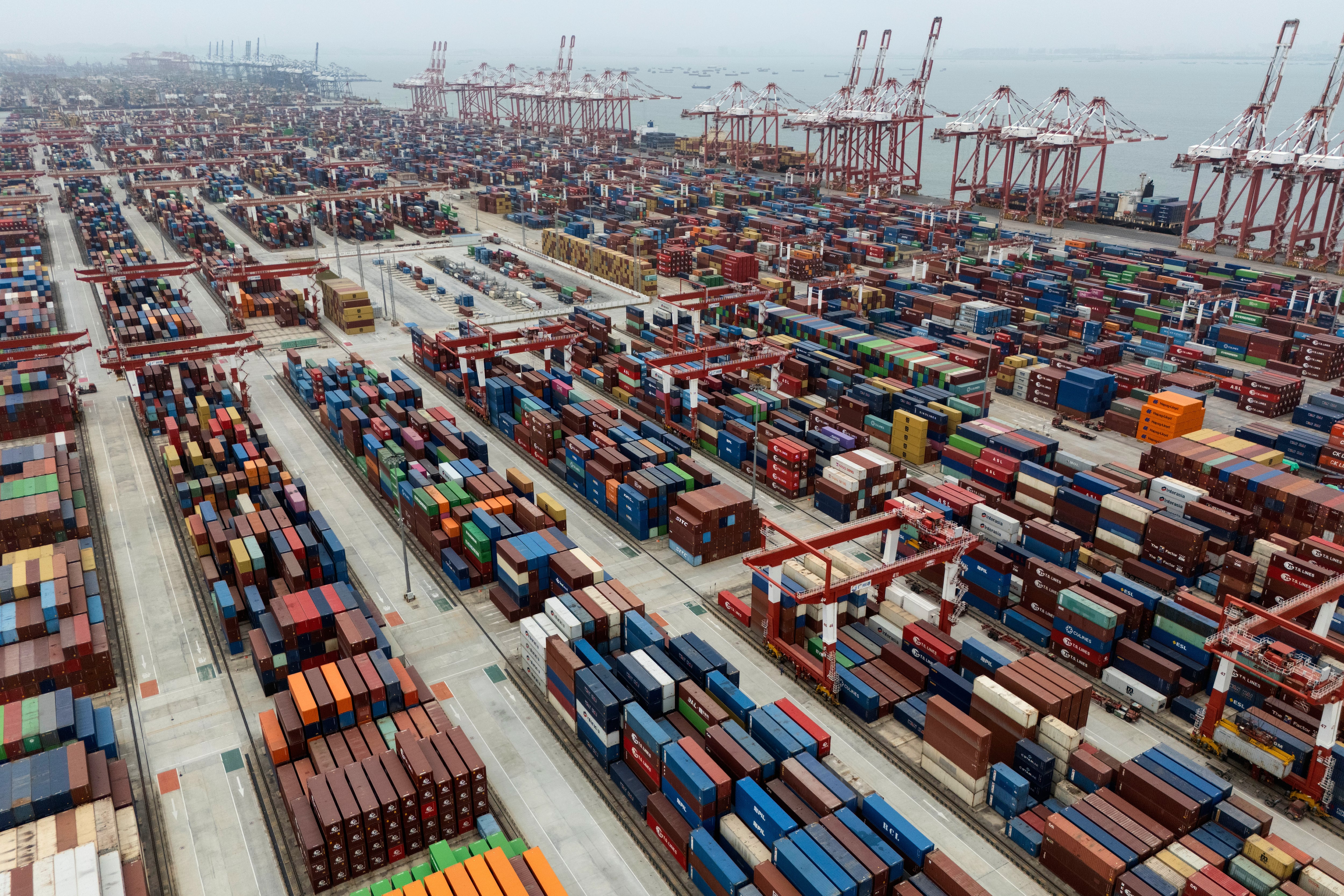
American businesses that rely on Chinese goods are reacting with muted relief after the U.S. and China agreed to pause their exorbitant tariffs on each other’s products for 90 days. Many companies delayed or canceled orders after President Donald Trump last month put a 145% tariff on items made in China. Importers still face relatively high tariffs, however, as well as uncertainty over what will happen in the coming weeks and months. The temporary truce was announced as retailers and their suppliers are looking to finalize their plans and orders for the holiday shopping season. They’re concerned a mad scramble to get goods onto ships will lead to bottlenecks and increased shipping costs.
Shopping expert Trae Bodge discusses how talks between the U.S. and China is good news for now, but uncertainty remains for back-to-school and the holidays.
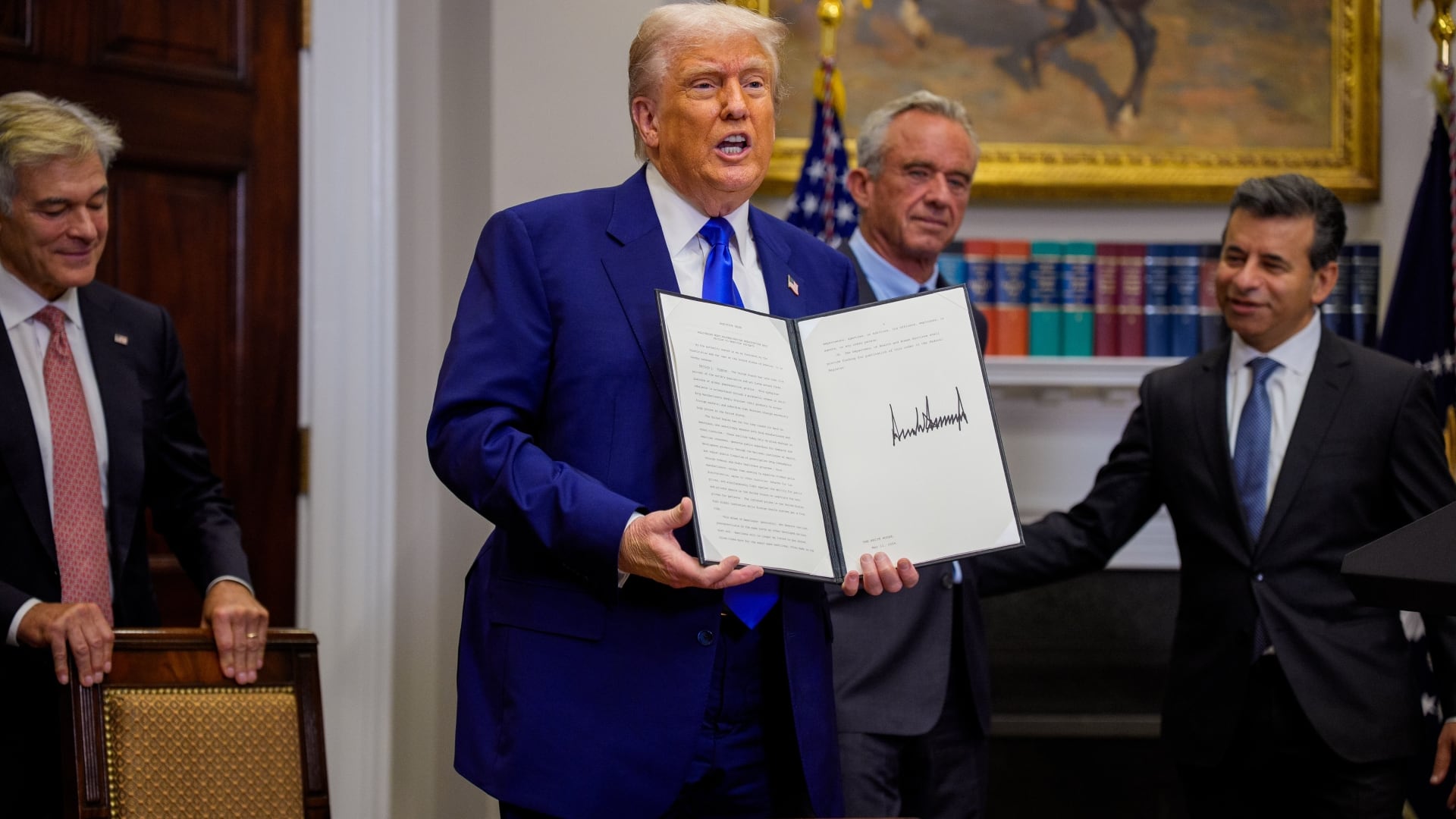
Jake Traylor, White House reporter at Politico, joins Cheddar to discuss how Trump is aiming to lower drug prices and how it differs from Biden's approach.