Marjory Stoneman Douglas High School student Kyle Kashuv says he's changed his viewpoint on gun control after witnessing such a tragedy in his community. Cheddar's Hope King and Baker Machado speak with Kashuv one day after the 16-year-old student met with Florida legislators.
"Something has to be done," says Kashuv. "There shouldn't be school shootings. This should never happen. Parents should feel safe sending their kids to school, and we have to make a change. That's why I think--both parties it's a bipartisan issue now."
Kashuv says even though it's only been a week, the movement to change gun laws needs to keep the pressure going so the issue won't get swept under the rug like it has been after every other mass shooting.
"It's absolutely amazing to see people from all different parts of the country come together, and work tirelessly to make a change," says Kashuv.
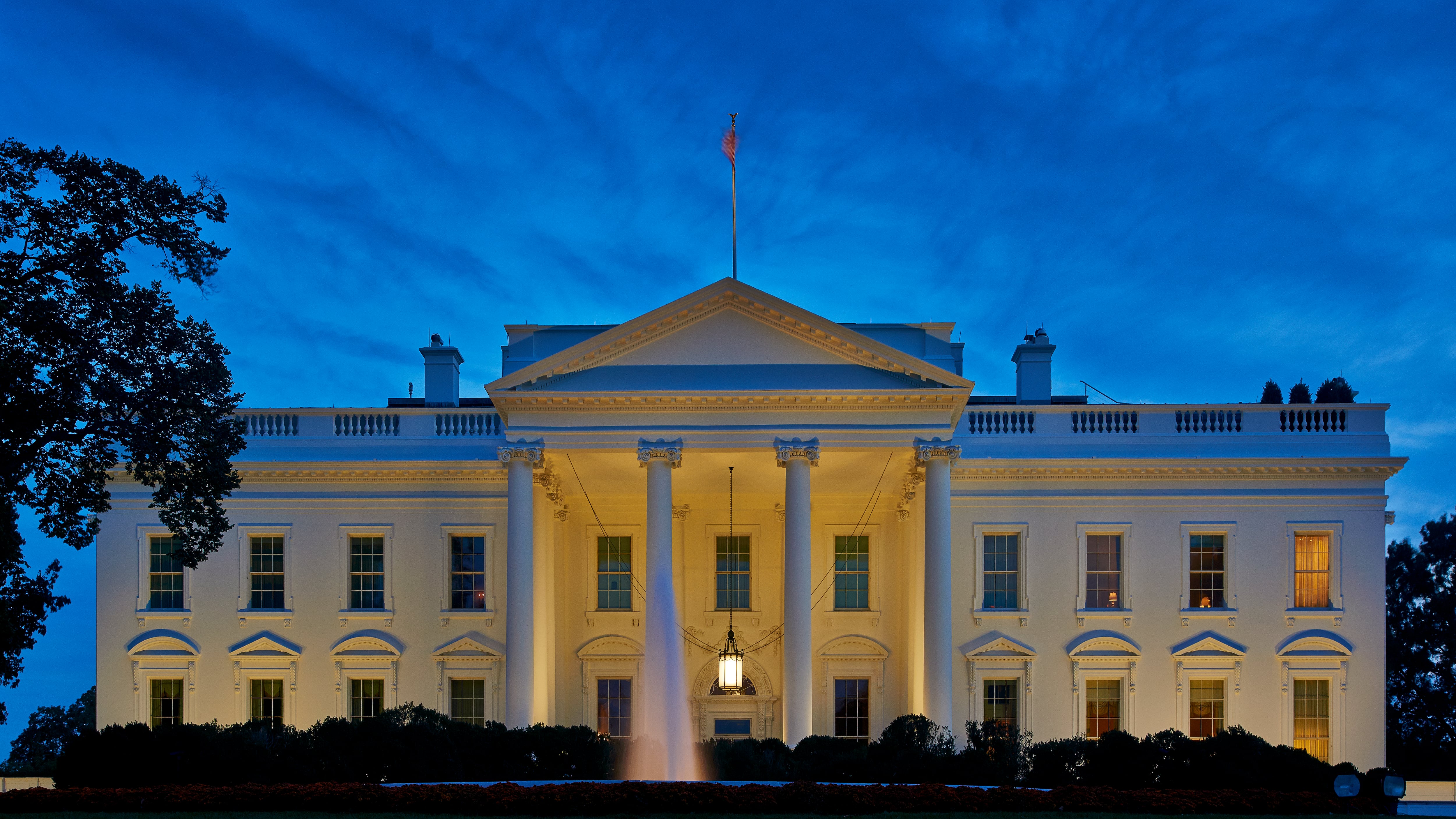
No fingerprints or DNA turned up on the baggie of cocaine found in a lobby at the White House last week despite a sophisticated FBI crime lab analysis, and surveillance footage of the area didn’t identify a suspect, according to a summary of the Secret Service investigation obtained by The Associated Press. There are no leads on who brought the drugs into the building.
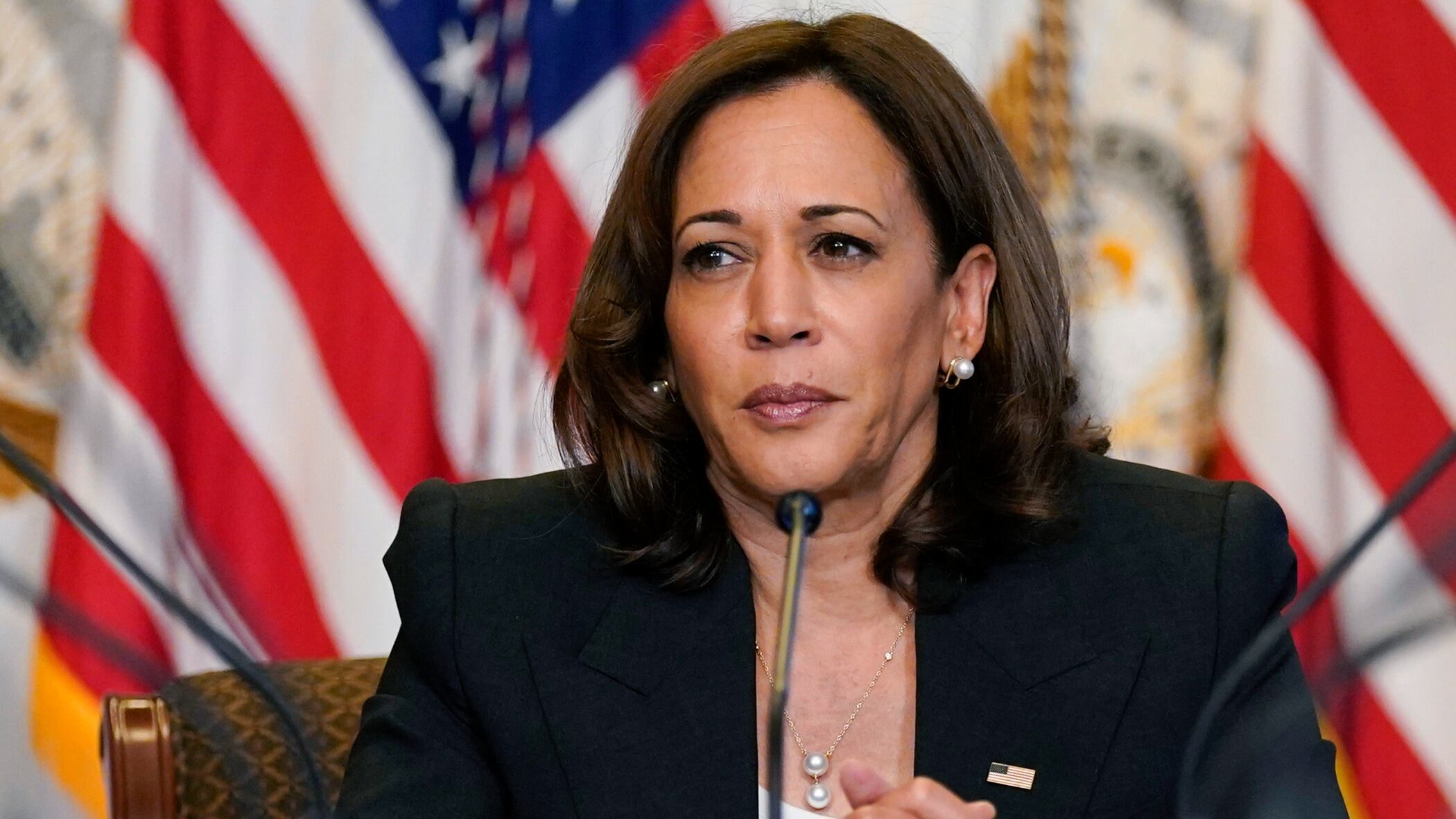
Kamala Harris, who made history as the first woman or person of color to serve as vice president, has made history again by matching the record for most tiebreaking votes in the Senate.
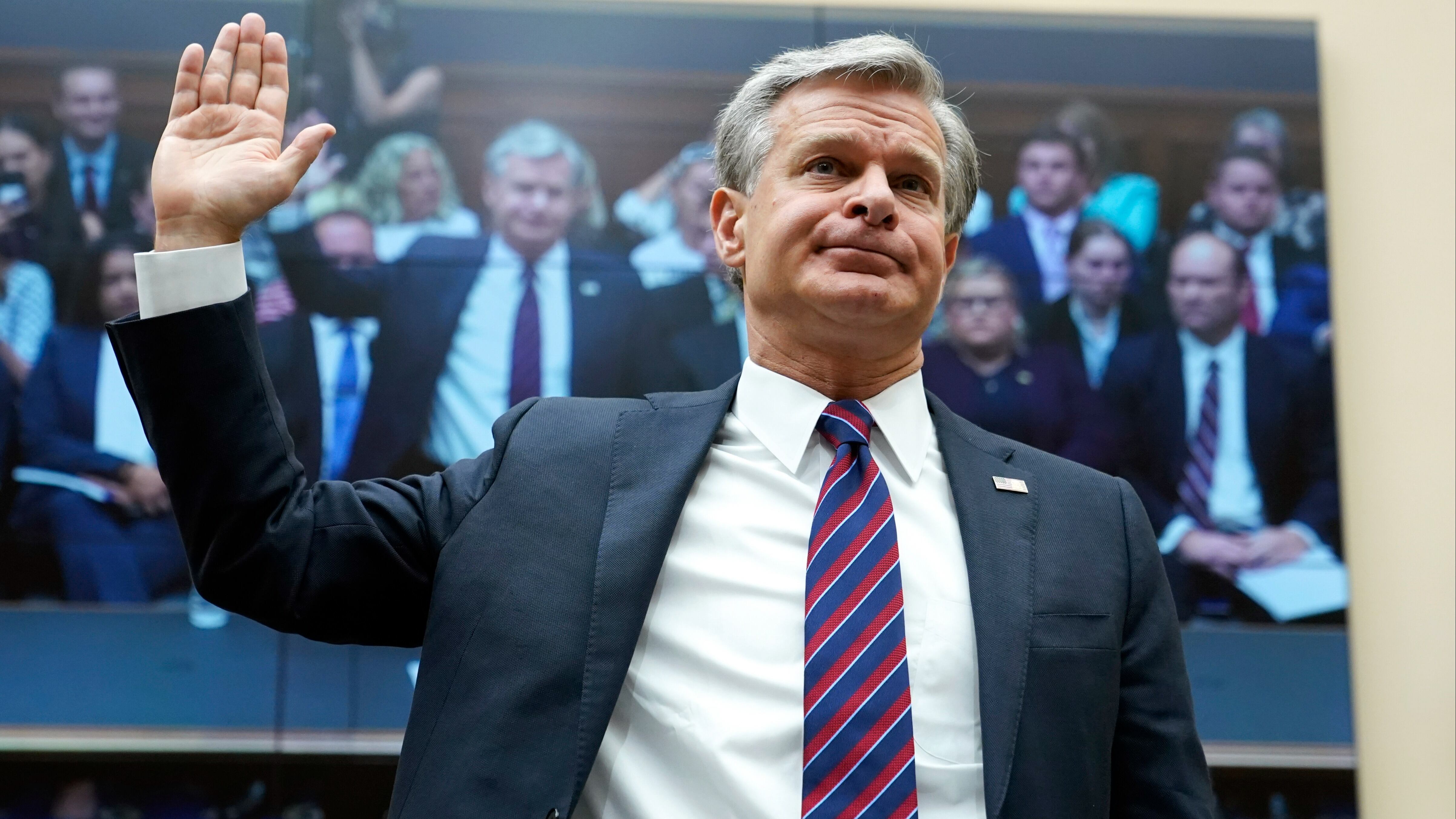
Republicans on the House Judiciary Committee accused the agency of targeting conservatives, suppressing evidence that Covid-19 came from a lab leak and abusing its surveillance powers.
The Biden administration calls it a “student loan safety net.” Opponents call it a backdoor attempt to make college free. And it could be the next battleground in the legal fight over student loan relief.
Nearly 30,000 people in Mississippi were dropped from the state's Medicaid program after an eligibility review that the government ended during the pandemic.
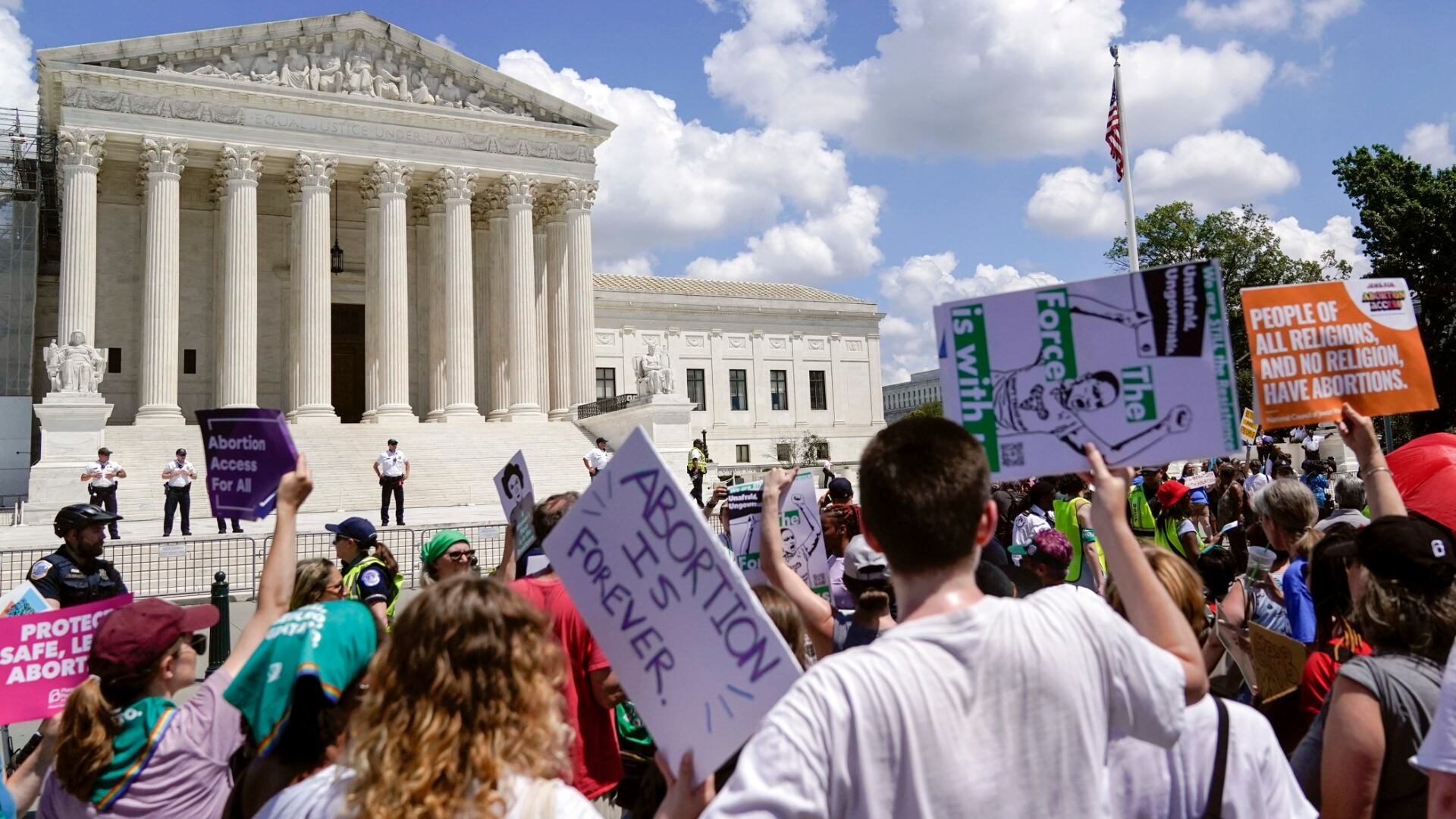
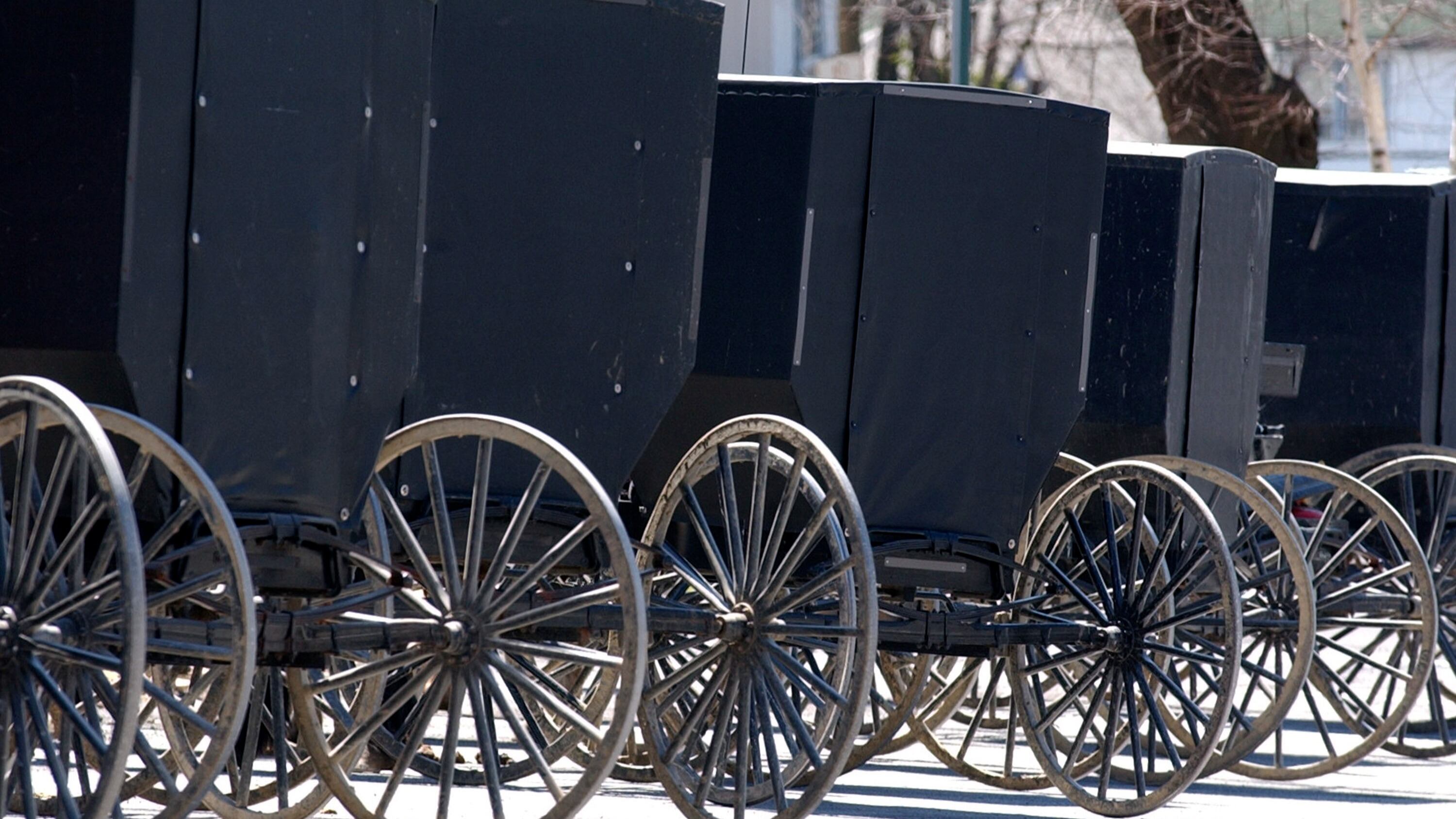
Members of a deeply conservative Amish community in Minnesota don't need to install septic systems to dispose of their “gray water,” the state Court of Appeals ruled Monday in a long-running religious freedom case that went all the way up to the U.S. Supreme Court.