Other Cities Considering Following San Francisco's Lead in Clearing Marijuana Convictions
San Francisco District Attorney George Gascón says three other California cities reached out to his office after he announced this week the city is wiping out Marijuana convictions dating back to 1975. Cheddar's Baker Machado spoke with Gascón about why he felt it was so important to clear these convictions.
"We've had now three different jurisdictions that have approached me, and my office this morning," said Gascón. "People in California are tired of the war on drugs, they are tired of the war on marijuana."
With San Francisco's move more than 3,000 misdemeanor convictions will be dismissed, and sealed automatically. Nearly 5,000 felony marijuana convictions will be reviewed for potential reduction, and resentencing said Gascón.
"We wanted to provide immediate relief for our community," said Gascón. "We are very concerned about the conversation at the national level where we have our Attorney General talking about marijuana being an existential threat to the American way of life."
U.S. states could face some hurdles as they experiment with road usage charging programs aimed at one day replacing motor fuel taxes, which are generating less each year, in part due to fuel efficiency and the rise of electric cars.
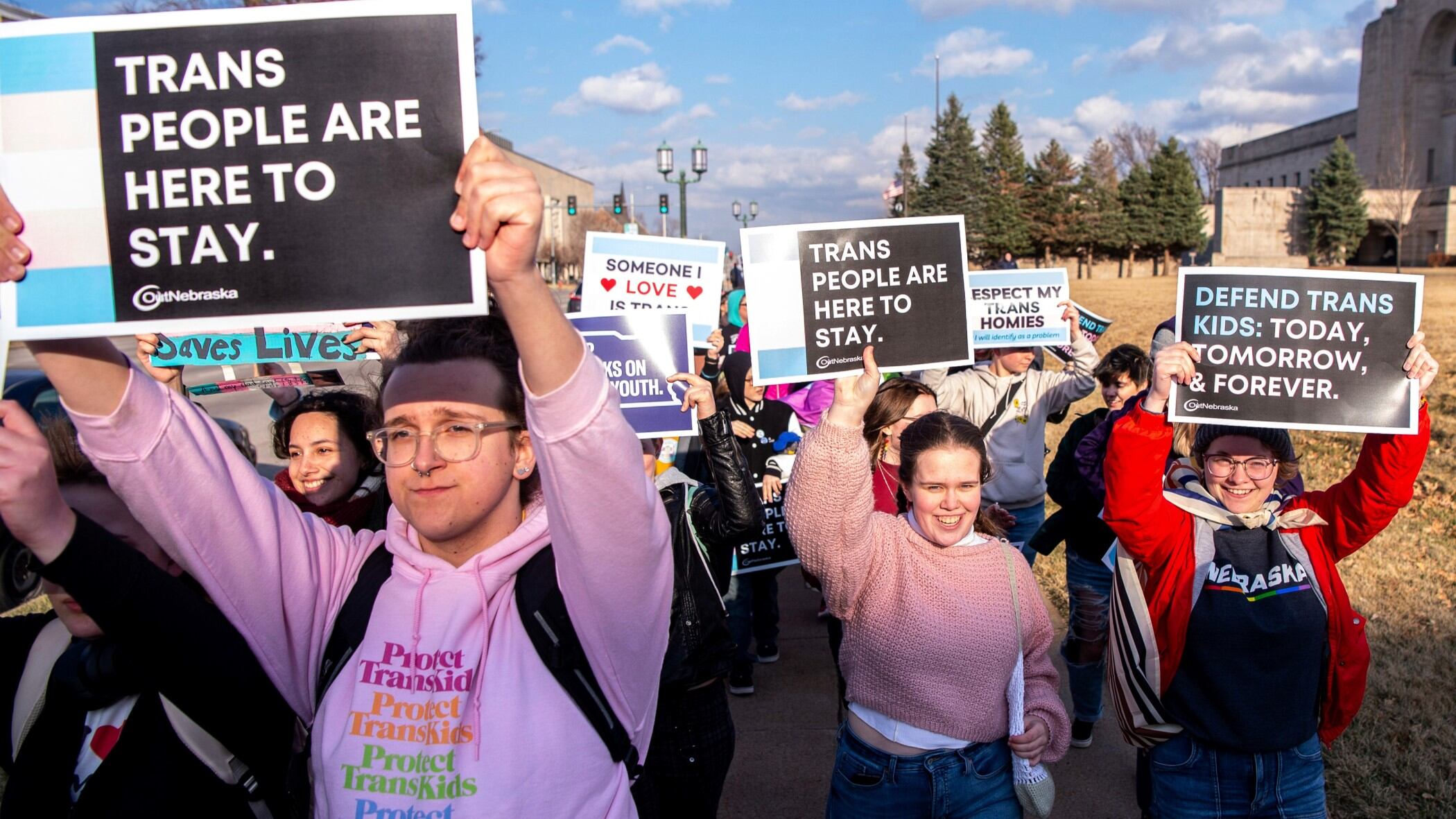
The defiance of restrictions in North Dakota on what bathrooms transgender students can use in public schools and universities shows that it's not exactly clear how bathroom laws will play out in local communities after being enacted in at least 10 states with Republican-controlled legislatures.
The Supreme Court on Monday left in place an appellate ruling barring a North Carolina public charter school from requiring girls to wear skirts to school.
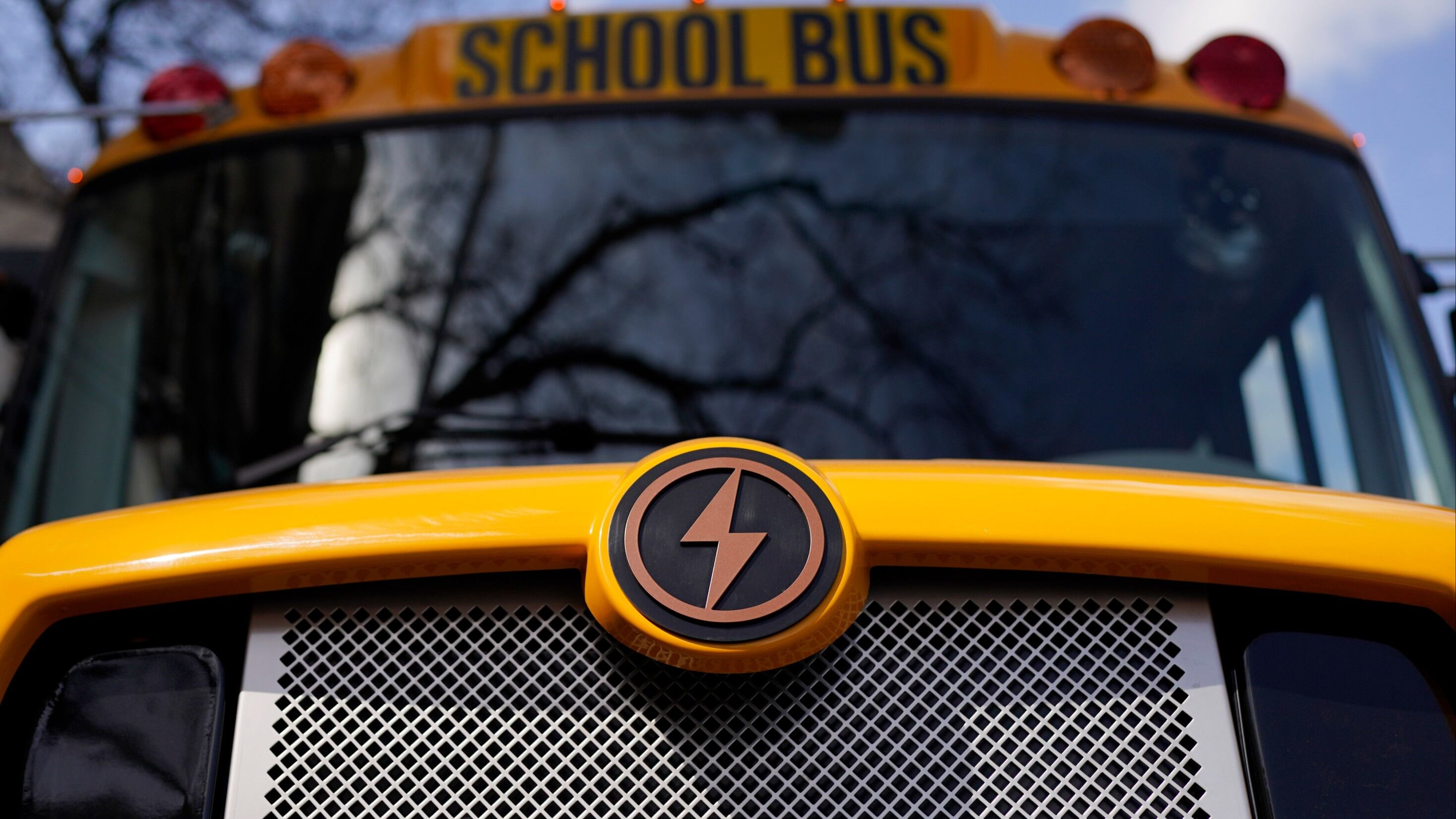
The U.S. Department of Transportation is awarding almost $1.7 billion in grants for buying zero- and low-emission buses, with the money going to transit projects in 46 states and territories.
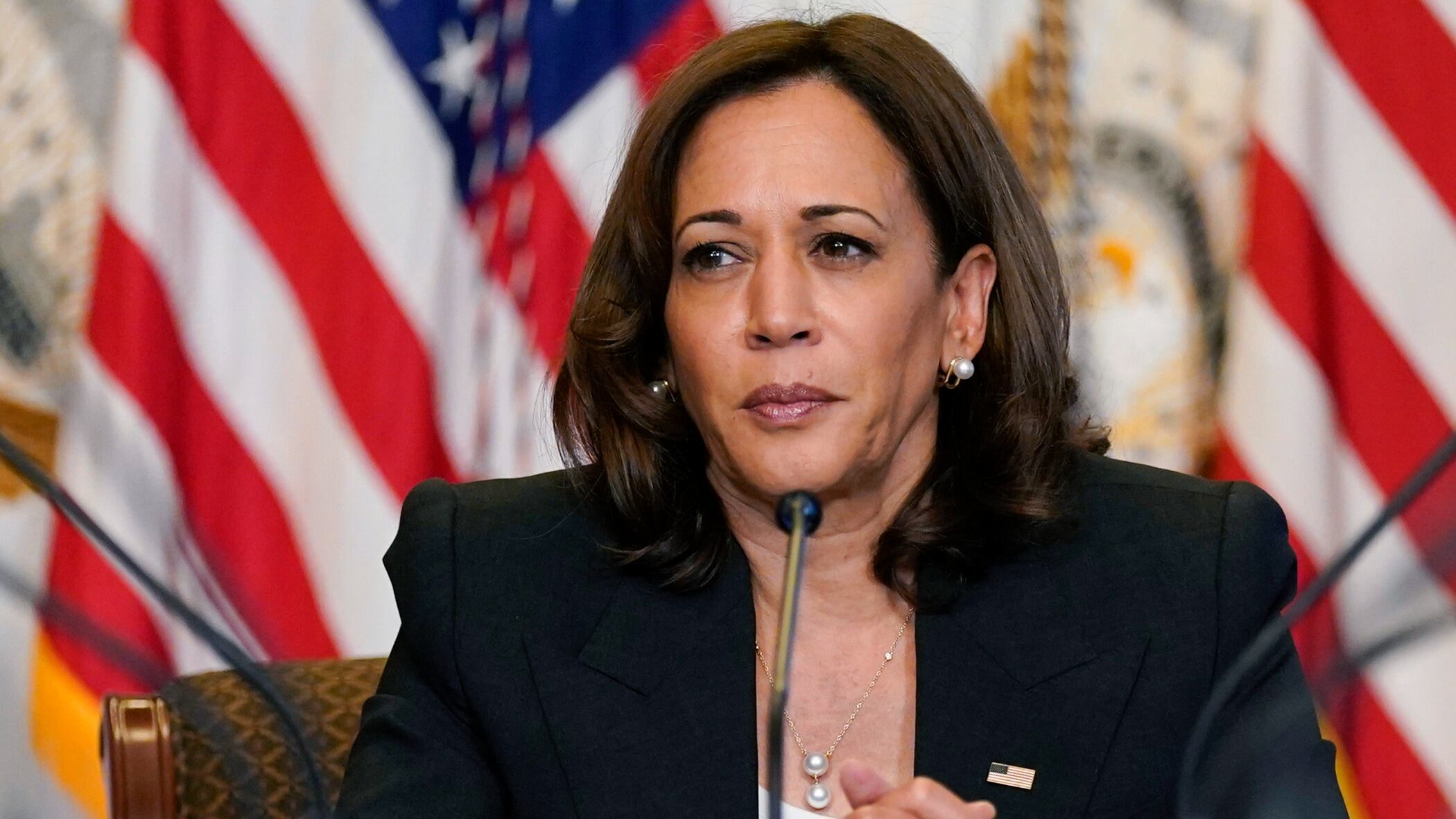
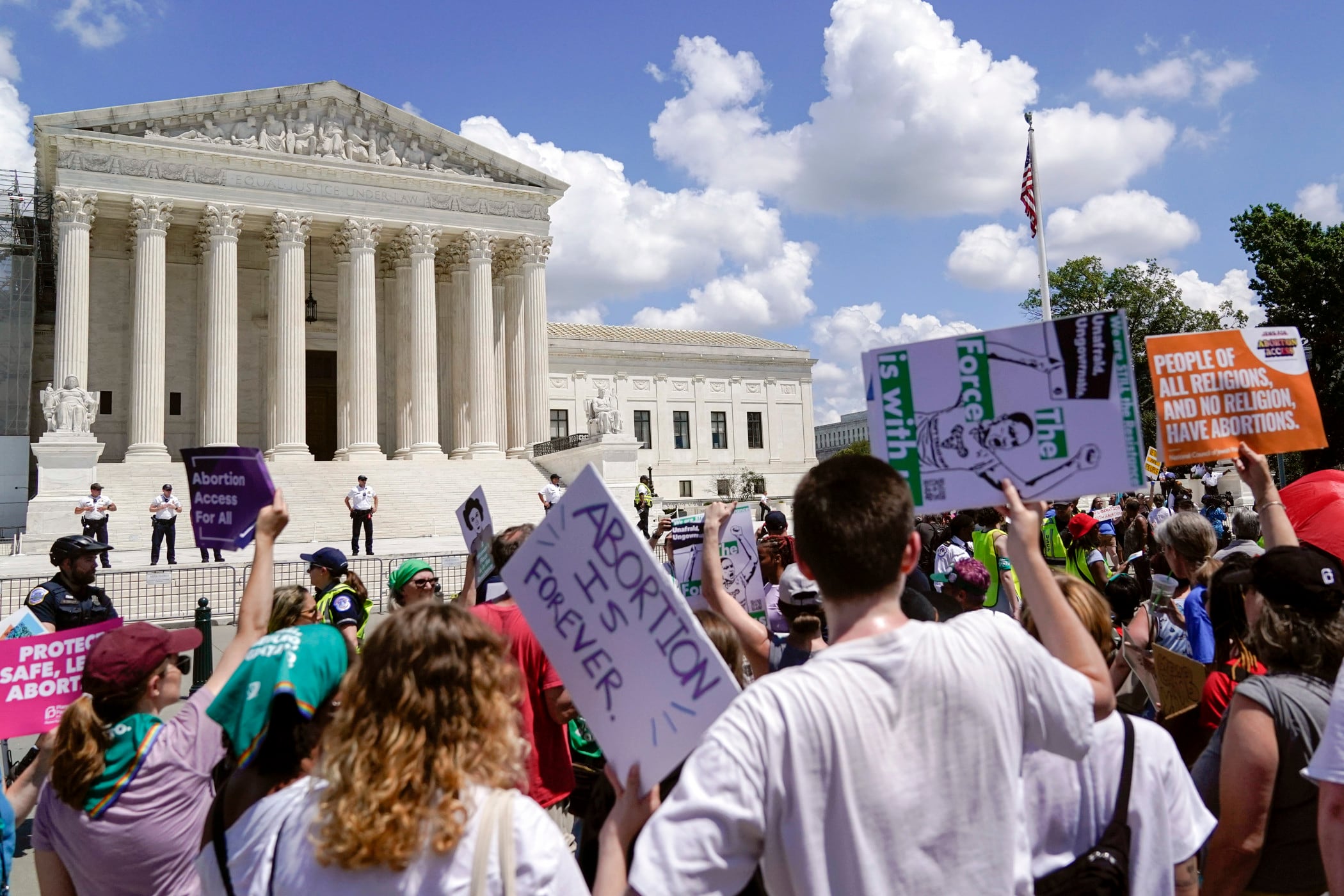
Vice President Kamala Harris said Supreme Court conservatives caused a healthcare crisis in America and blasted abortion bans in Republican-led states.
To many observers, the efforts to roll back two policies that disproportionately help Black students and other students of color reflect a backlash to racial progress in higher education.