Other Cities Considering Following San Francisco's Lead in Clearing Marijuana Convictions
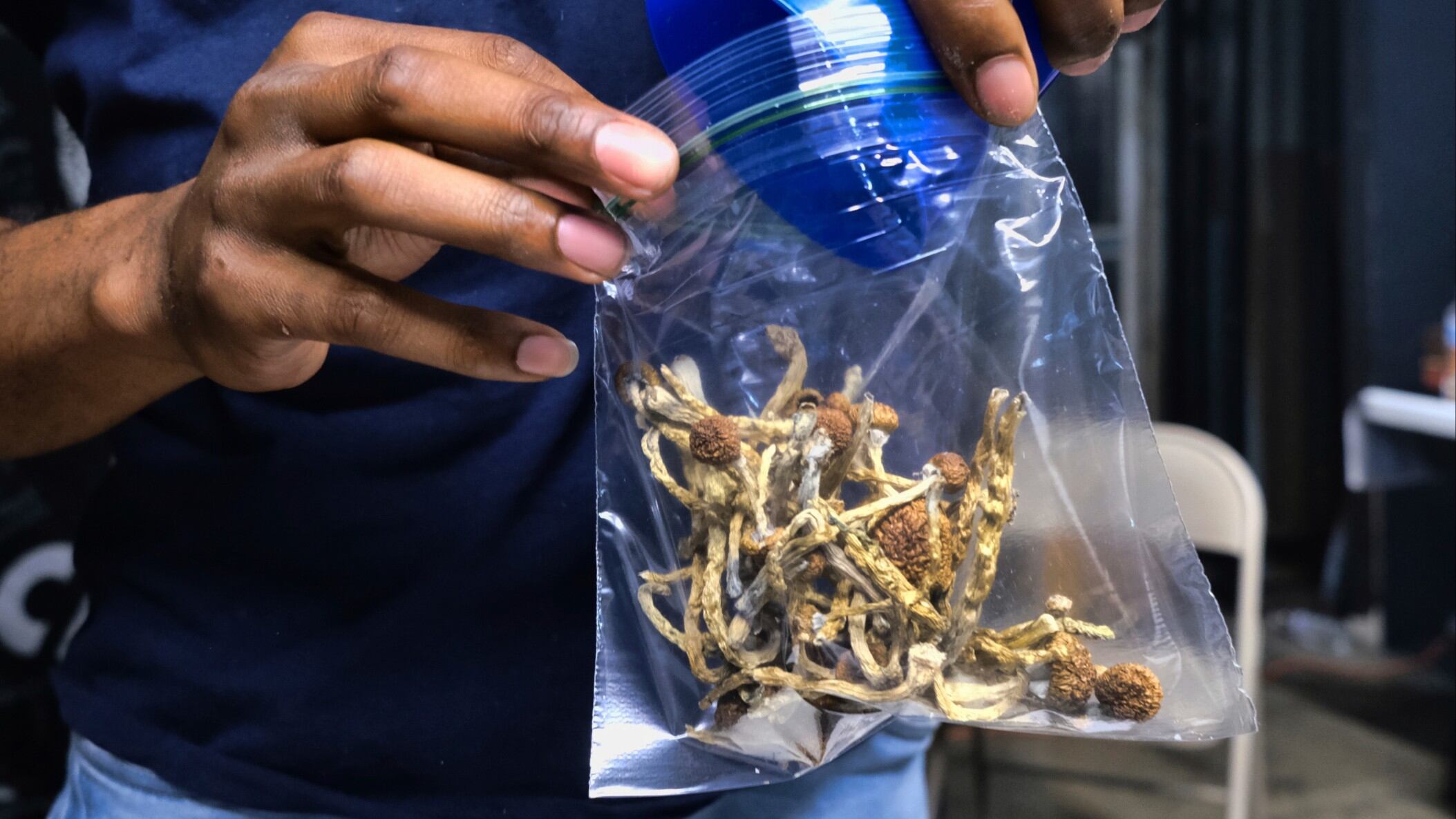
San Francisco District Attorney George Gascón says three other California cities reached out to his office after he announced this week the city is wiping out Marijuana convictions dating back to 1975. Cheddar's Baker Machado spoke with Gascón about why he felt it was so important to clear these convictions.
"We've had now three different jurisdictions that have approached me, and my office this morning," said Gascón. "People in California are tired of the war on drugs, they are tired of the war on marijuana."
With San Francisco's move more than 3,000 misdemeanor convictions will be dismissed, and sealed automatically. Nearly 5,000 felony marijuana convictions will be reviewed for potential reduction, and resentencing said Gascón.
"We wanted to provide immediate relief for our community," said Gascón. "We are very concerned about the conversation at the national level where we have our Attorney General talking about marijuana being an existential threat to the American way of life."
The lawyer for former NYPD commissioner Bernard Kerik turned over thousands of pages and documents to a special counsel as part of an investigation into Kerik's alleged involvement to overturn the results of the 2020 election.
Israel’s parliament on Monday approved the first major law in Prime Minister Benjamin Netanyahu’s contentious plan to overhaul the country’s justice system, triggering a new burst of mass protests and drawing accusations that he was pushing the country toward authoritarian rule.
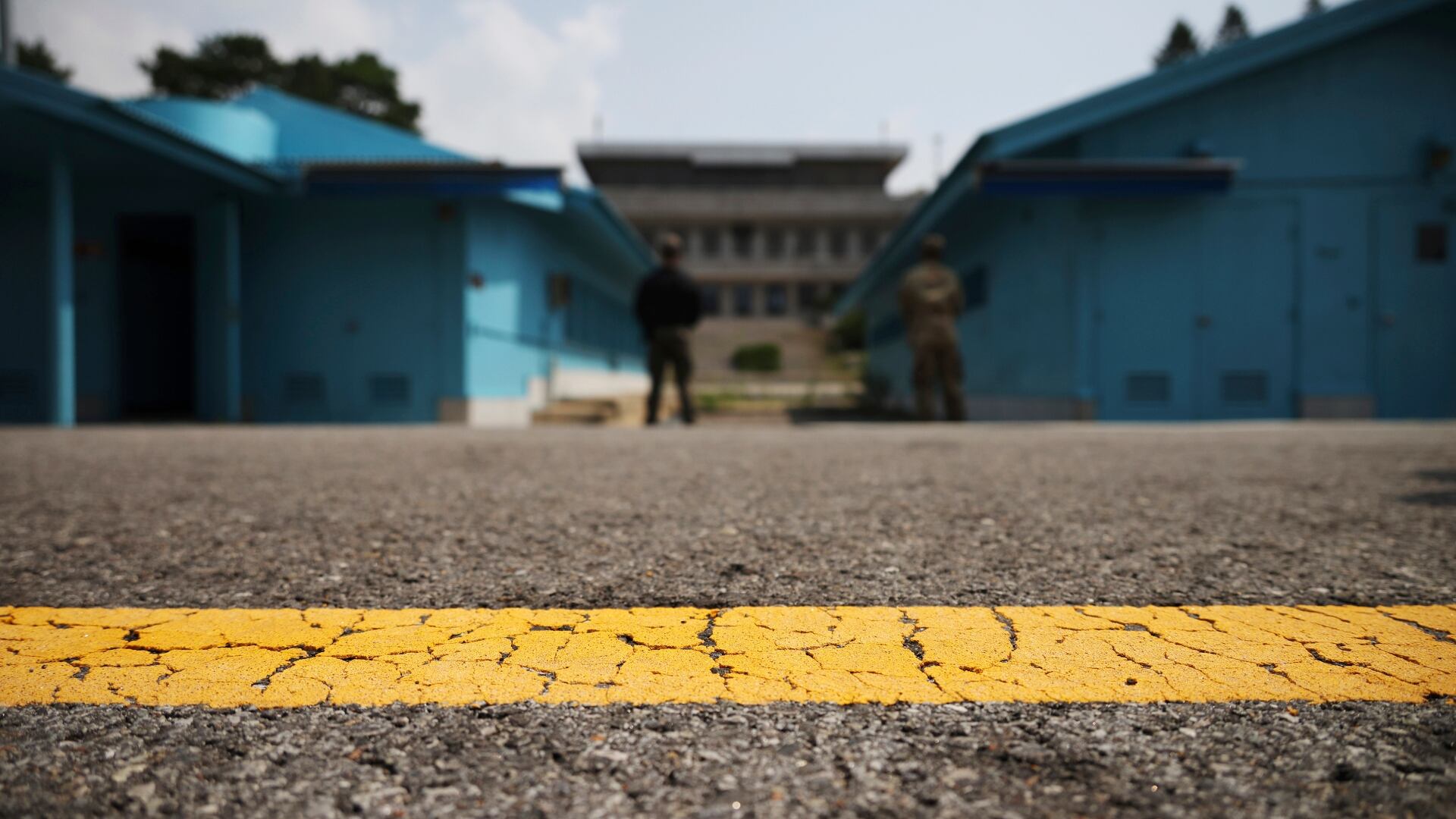
North Korea fired two short-range ballistic missiles into its eastern sea, South Korea’s military said Tuesday, adding to a recent streak in weapons testing that is apparently in protest of the U.S. sending major naval assets to South Korea in a show of force.
Now the federal Mine Safety and Health Administration has proposed a rule that would cut the current limit for silica exposure by half — a major victory for safety advocates. But there is skepticism and concern about the government following through after years of broken promises and delays.
A state trooper's account of officers denying migrants water in 100-degree Fahrenheit (37.7 Celsius) temperatures and razor wire leaving asylum-seekers bloodied has prompted renewed criticism.