Ohio Mistakenly Put 40,000 Legit Voters on Voter Roll Purge List
Voting rights groups in Ohio are being lauded for their oversight efforts which uncovered massive errors in the state's recent bid to remove hundreds of thousands of voters from its rolls. The inspection, which was carried out primarily by nonprofit volunteers, found that more than 40,000 voters were mistakenly included on the state's to-be-deleted list.
"It definitely showed that Ohio's registration system needs a major upgrade," Jen Miller, the director of the League of Women Voters of Ohio, told Cheddar on Monday. "We can't be using a policy as severe as a purge when we can't even be sure that our purge lists are correct."
In an unusual move, this past August Ohio's Secretary of State Frank LaRose publically released a list of 235,000 voters that were set to be deleted from the state's registry. By reviewing the long spreadsheet, the League of Women Voters and several other groups uncovered gross inaccuracies, including the inclusion of Miller's name.
Yet Secretary LaRose, a Republican, has praised the process, saying his office undertook the most transparent review of Ohio's voting rolls to date. "Because of our collaboration with outside organizations, the proper safeguards are in place to ensure any eligible voter will have the opportunity to have their voice heard," LaRose said in a statement after revising the list.
The list maintenance process, as it's officially called, is legally mandated in Ohio and seeks to clear the state's system of deceased residents, inactive voters, or people who have moved out of state. Voter purging, however, has become a major issue nationwide as Republican-led initiatives in several states have sought to remove voters through controversial registration requirements, which critics say primarily target minority or Democratic voters.
Other oversight groups that participated in the review include the National Association for the Advancement of Colored People, All Voting is Local, and the Fair Elections Center.
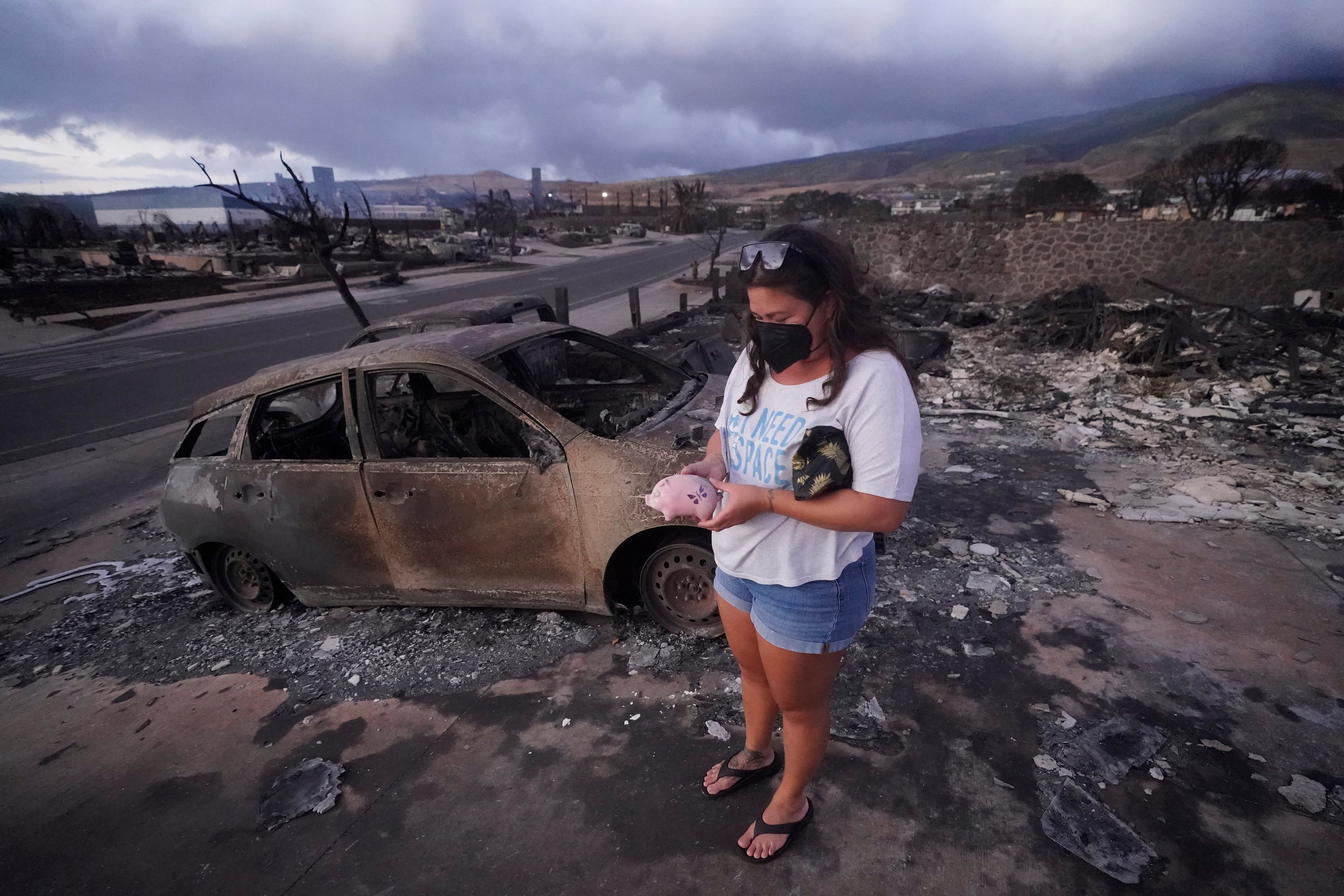
Lawmakers probing the cause of last month’s deadly Maui wildfire did not get many answers during Thursday's congressional hearing on the role the electrical grid played in the disaster.
President Joe Biden announced Wednesday that federal disaster assistance is available for Louisiana, which is working to slow a mass inflow of salt water creeping up the Mississippi River and threatening drinking water supplies in the southern part of the state.
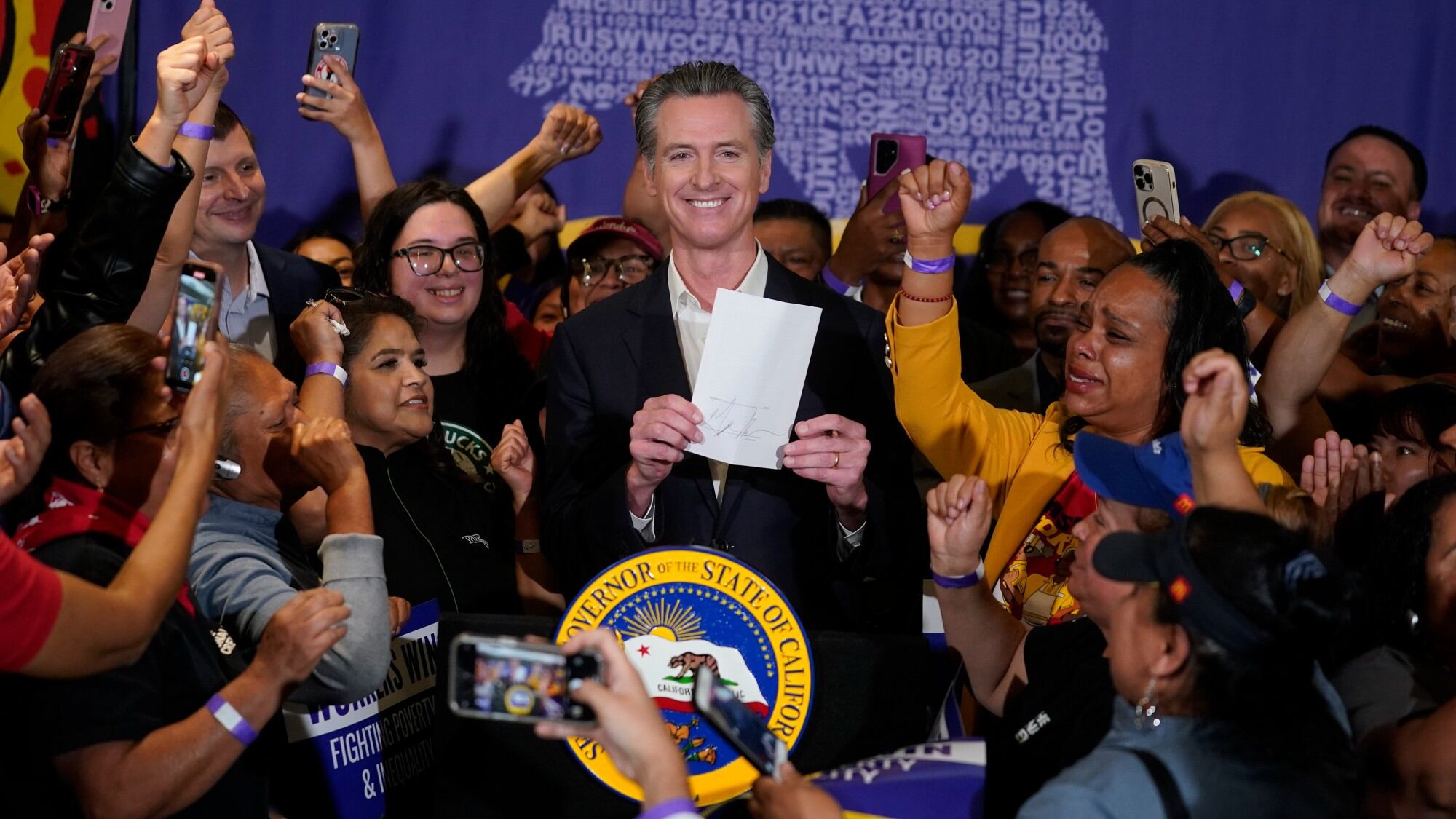
A new law in California will raise the minimum wage for fast food workers to $20 per hour next year, an acknowledgment from the state's Democratic leaders that most of the often overlooked workforce are the primary earners for their low-income households.
From Sunday, workers at the main United States base in Antarctica will no longer be able to walk into a bar and order a beer, after the U.S. federal agency that oversees the research program decided to stop serving alcohol.
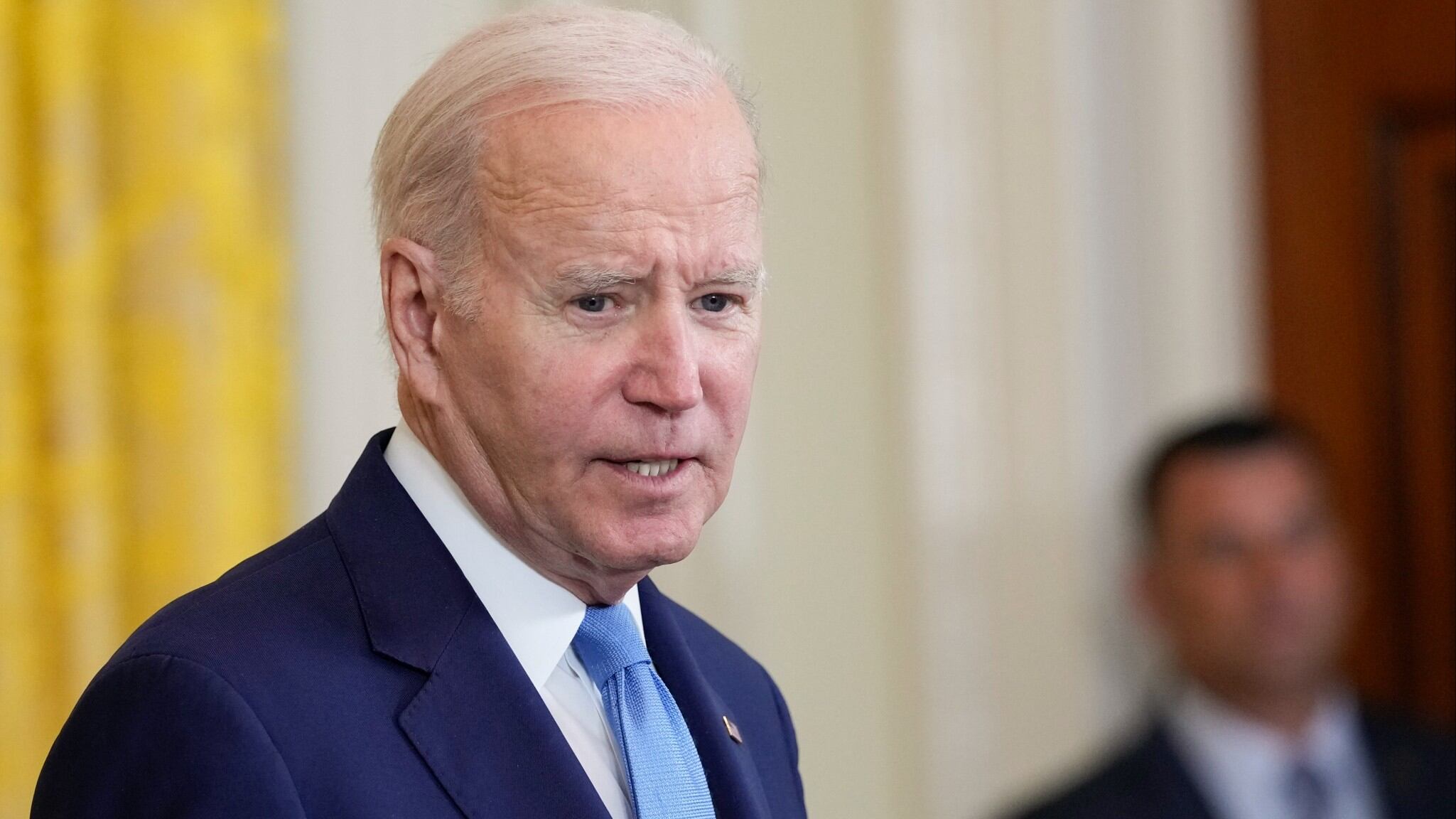
House Republicans launched a formal impeachment hearing Thursday against President Joe Biden, promising to “provide accountability” as they probe the family finances and business dealings of his son Hunter and make their case to the public, colleagues and a skeptical Senate.
The FBI and other government agencies should be required to get court approval before reviewing the communications of U.S. citizens collected through a secretive foreign surveillance program, a sharply divided privacy oversight board recommended on Thursday.
The federal government is just days away from a shutdown that will disrupt many services, squeeze workers and roil politics as Republicans in the House, fueled by hard-right demands, force a confrontation over federal spending.
The Biden administration is finalizing a new rule that would cut federal funding for colleges that leave graduates with low pay and high debt after graduating.
The Biden administration is finalizing a new rule that would cut federal funding for colleges that leave graduates with low pay and high debt after graduating.