By Kevin McGill
The government can keep enforcing “Obamacare” requirements that health insurance plans cover preventative care — such as HIV prevention, some types of cancer screenings and other illnesses — while a legal battle over the mandates plays out, under a court agreement approved Tuesday.
The pact approved by the 5th U.S. Circuit Court of Appeals preserves — at least for now — cost-free preventive care coverage for millions of Americans under the Affordable Care Act.
That coverage was thrown into question by a March ruling from a federal judge in Texas, who said some of the preventive care requirements under former President Barack Obama’s 13-year-old health care law are unconstitutional.
The ruling by U.S. District Judge Reed O'Connor had nationwide effects. The Biden administration had argued last week at the appeals court that the ruling should be stayed while appeals are pursued.
The agreement was filed with the court Monday. In it, the plaintiffs in the case, including a Christian dentist who opposes coverage for contraception and HIV prevention on religious grounds, agreed to a broad stay nationwide. In return, during the appeal process, the handful of plaintiffs would be allowed to provide insurance plans that don't include the preventive care. If O'Connor's ruling were reversed, they would have to provide the coverage, but they would not be penalized for having dumped the coverage during appeals.
O’Connor's March ruling deals with requirements for coverage driven by recommendations by the U.S. Preventive Services Task Force. The judge ruled that because the task force is made up of volunteers, enforcing its recommendations violates the Constitution’s Appointment Clause, which lays out how government officials can be appointed.
Not all preventive care was threatened by O'Connor’s ruling. An analysis by the nonprofit KFF foundation found that some screenings, including mammography and cervical cancer screening, would still be covered without out-of-pocket costs because the task force recommended them before the health care law was enacted in March 2010.
Oil companies offered a combined $264 million for drilling rights in federal waters in the Gulf of Mexico on Wednesday in a sale mandated by last year’s climate bill compromise.
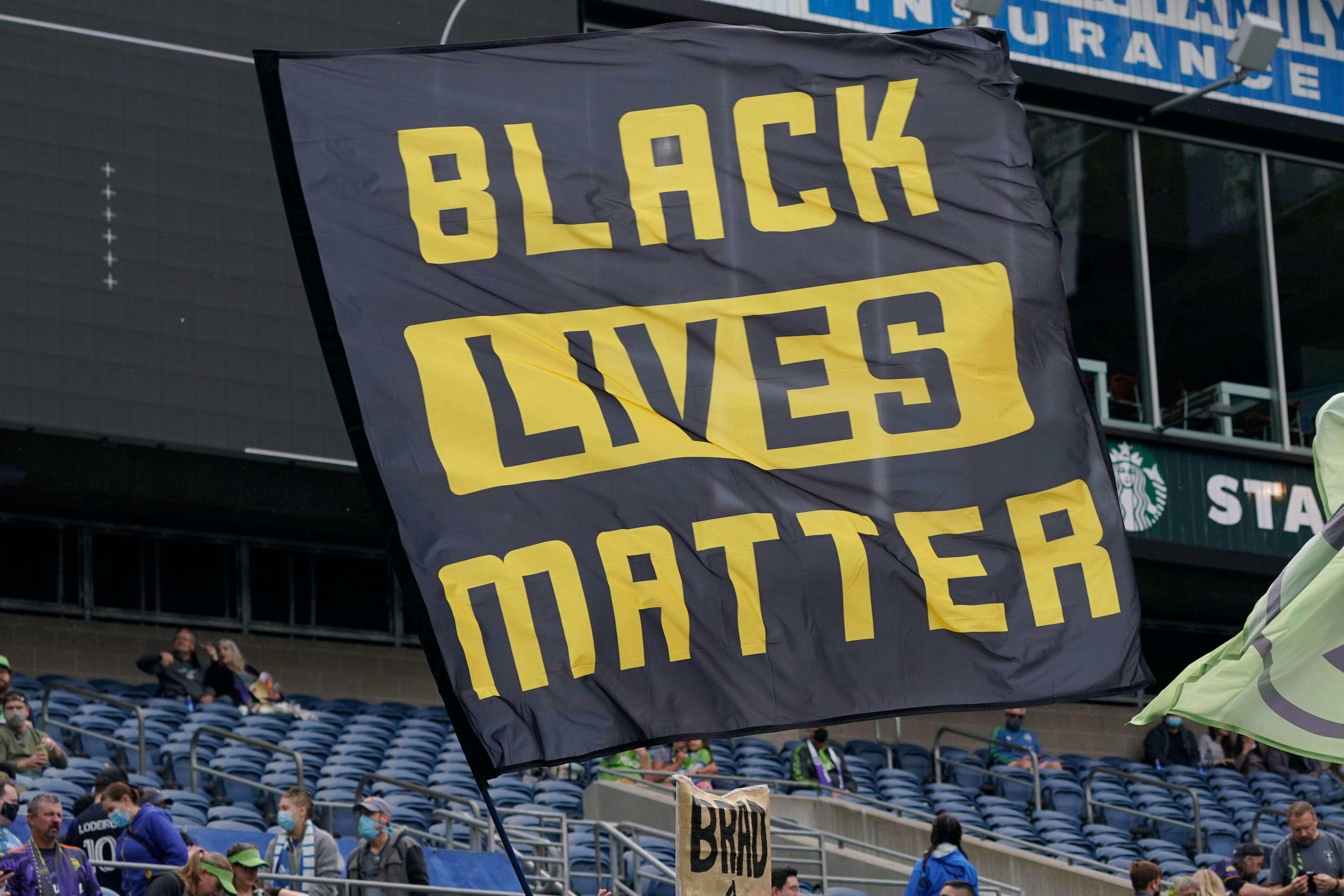
Adidas is withdrawing its challenge to a Black Lives Matter trademark application featuring three parallel stripes, two days after it contested the image with the U.S. Trademark Office.
The state of Arkansas sued TikTok and Facebook parent Meta on Tuesday, claiming the social media companies were misleading consumers about the safety of children on their platforms and protections of users' private data.
Russia’s top security agency arrested an American reporter for the Wall Street Journal on espionage charges, the first time a U.S. correspondent was put behind bars on spying accusations since the Cold War. The newspaper denied the allegations against Evan Gershkovich.
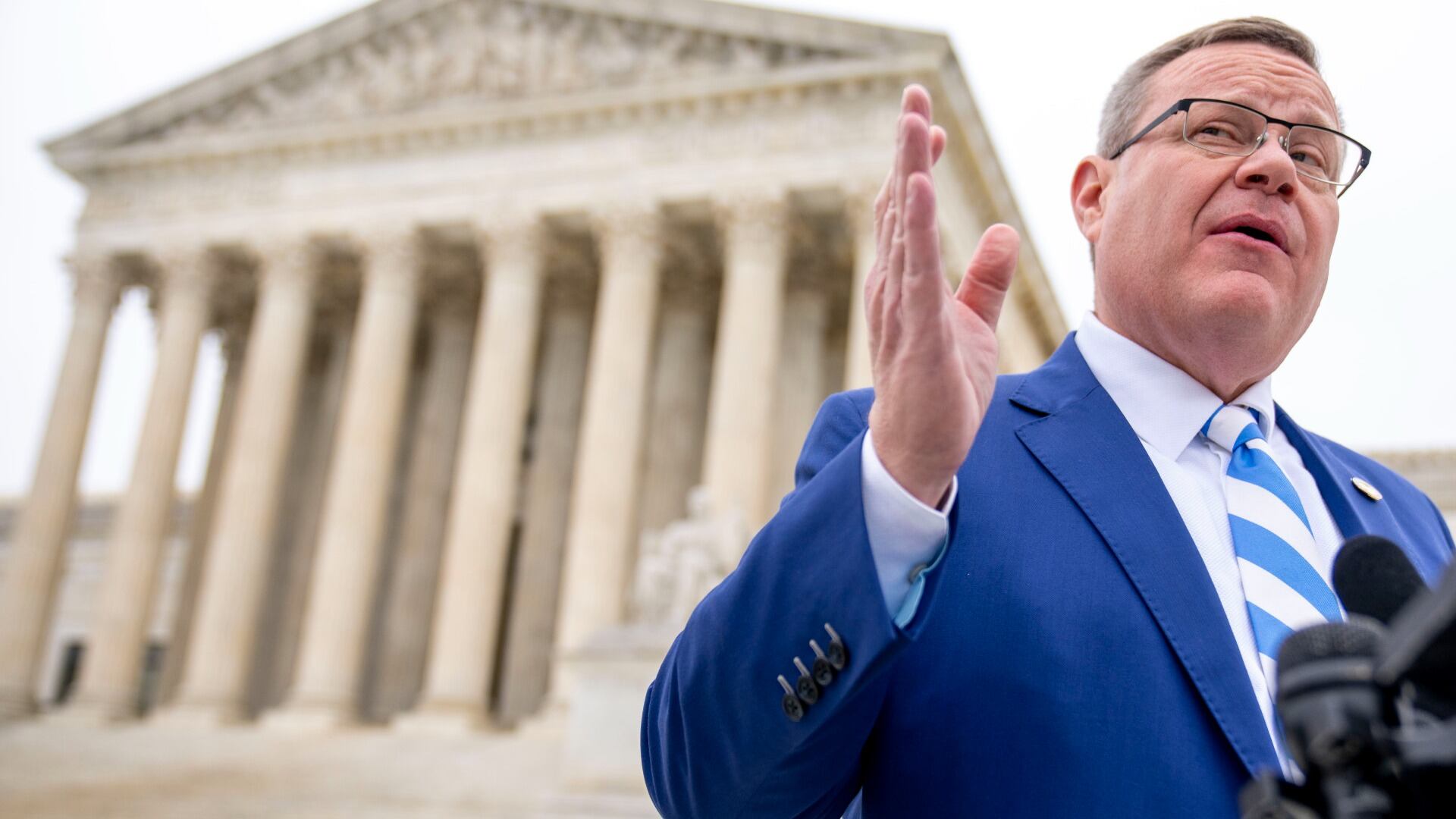
North Carolina residents can now buy a handgun without getting a permit from a local sheriff. The Republican-controlled state House on Wednesday overrode the Democratic governor’s veto.
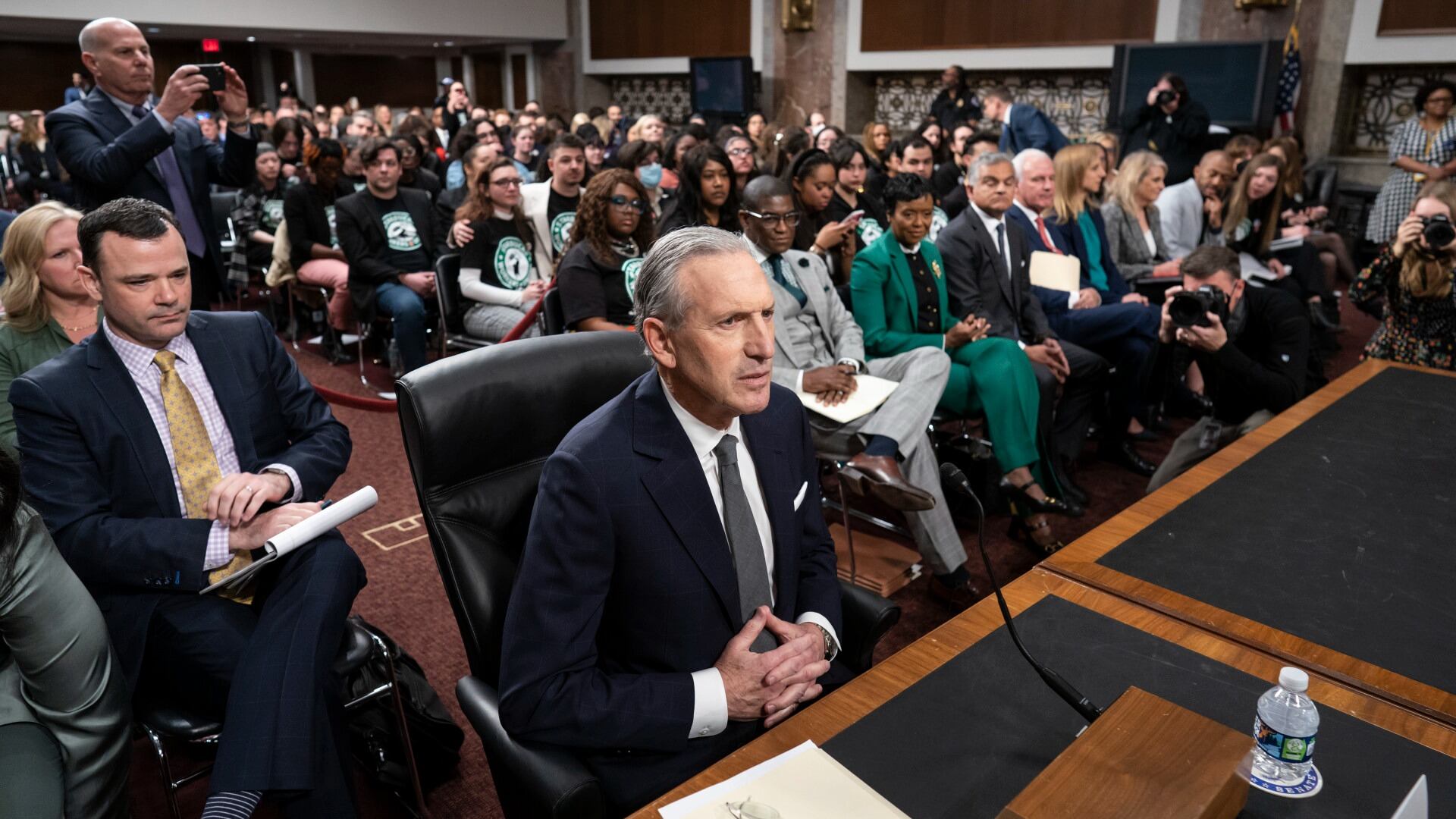
Longtime Starbucks CEO Howard Schultz is facing sharp questioning before the Senate Health, Education, Labor and Pensions Committee where he is defending the company’s actions during an ongoing unionizing campaign.
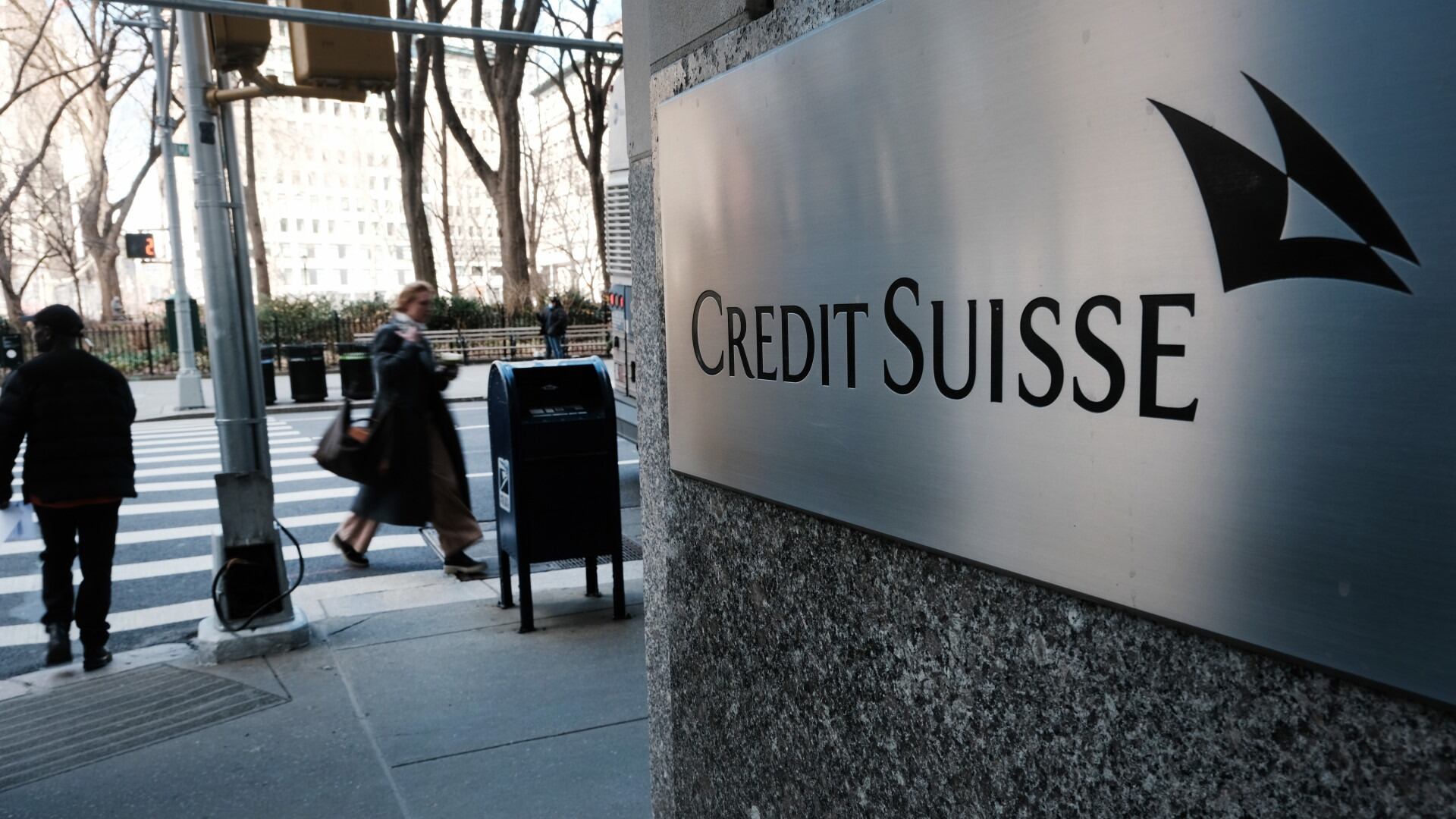
Credit Suisse violated a plea agreement with U.S. authorities by failing to report secret offshore accounts that wealthy Americans used to avoid paying taxes, U.S. lawmakers said Wednesday.
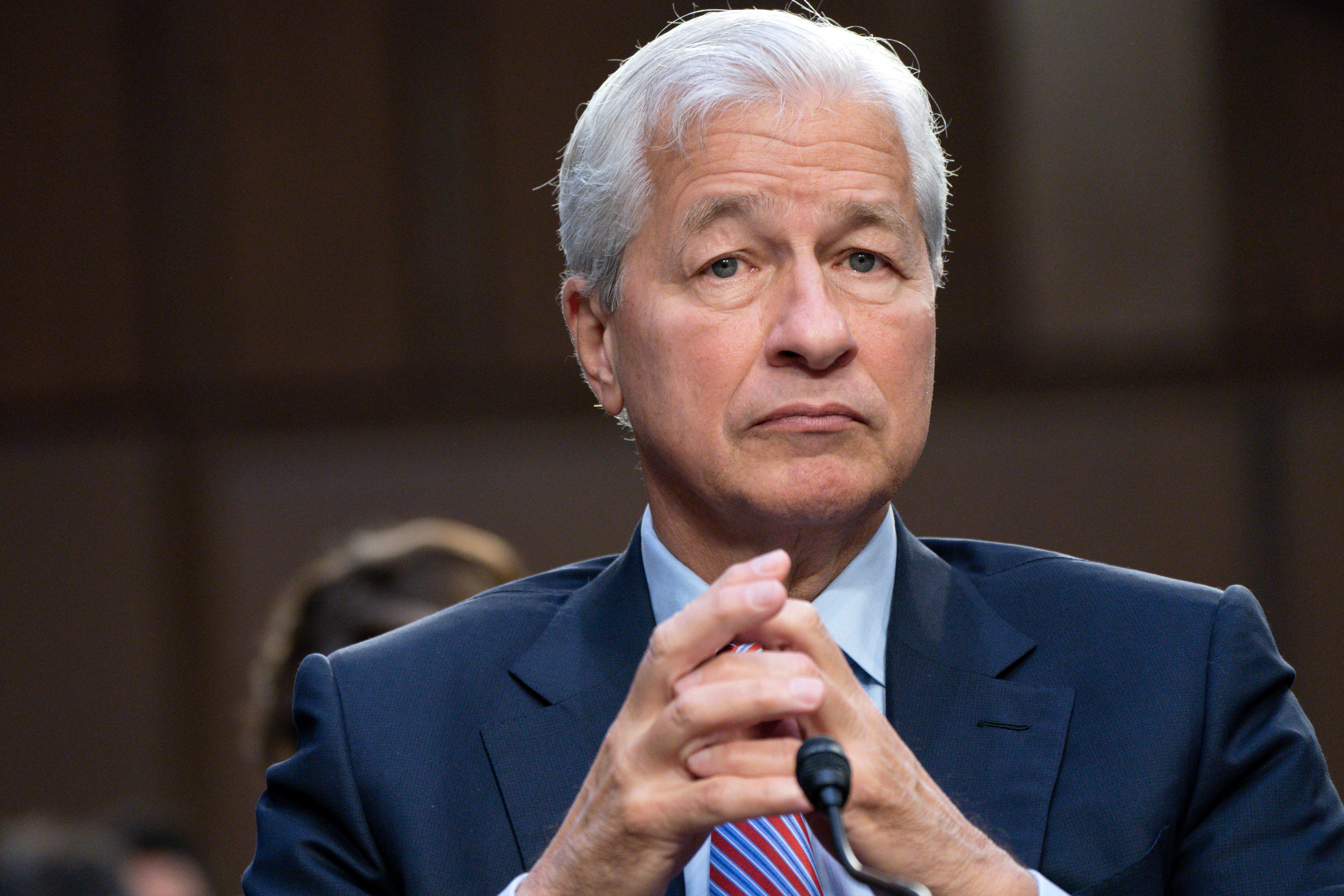
According to a Reuters report, JPMorgan CEO Jamie Dimon is being deposed over the bank's relationship with sex offender Jeffrey Epstein.
Capitol hill is trying to get to the bottom of the bank collapses that shocked the financial system last month, and today lawmakers grilled banking regulators about why they weren't able to stop the crisis. Cheddar News correspondent Lisa Bennatan broke down the proceedings.
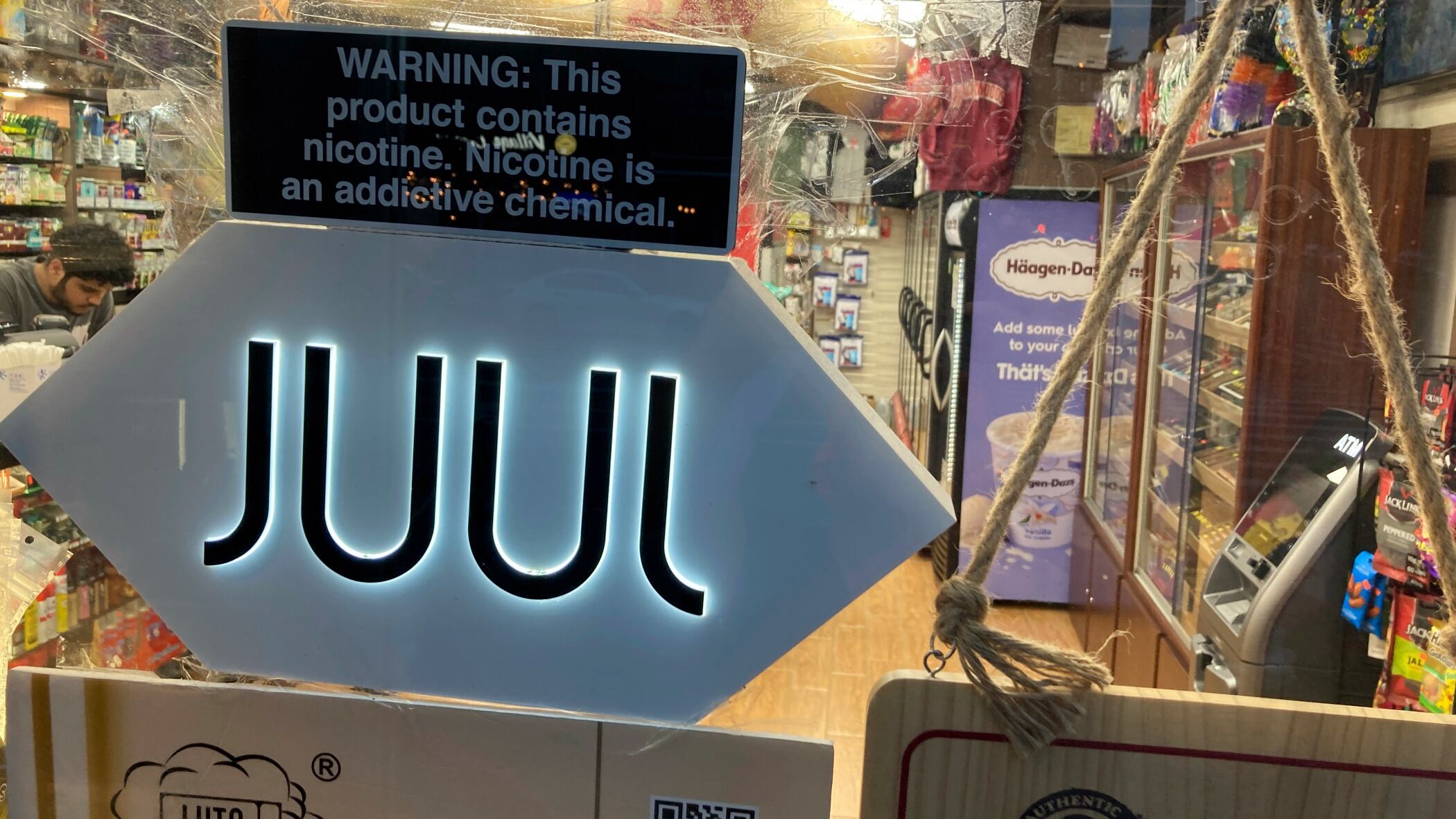
Juul will finally have its day in court for its role in the teen vaping epidemic. The Minnesota attorney general is preparing for opening arguments in the state's lawsuit against the vape maker. Here to break down the complicated backstory for this legal case is Senior Reporter Chloe Aiello.