(Photo by Phil Barker/Future Publishing via Getty Images)
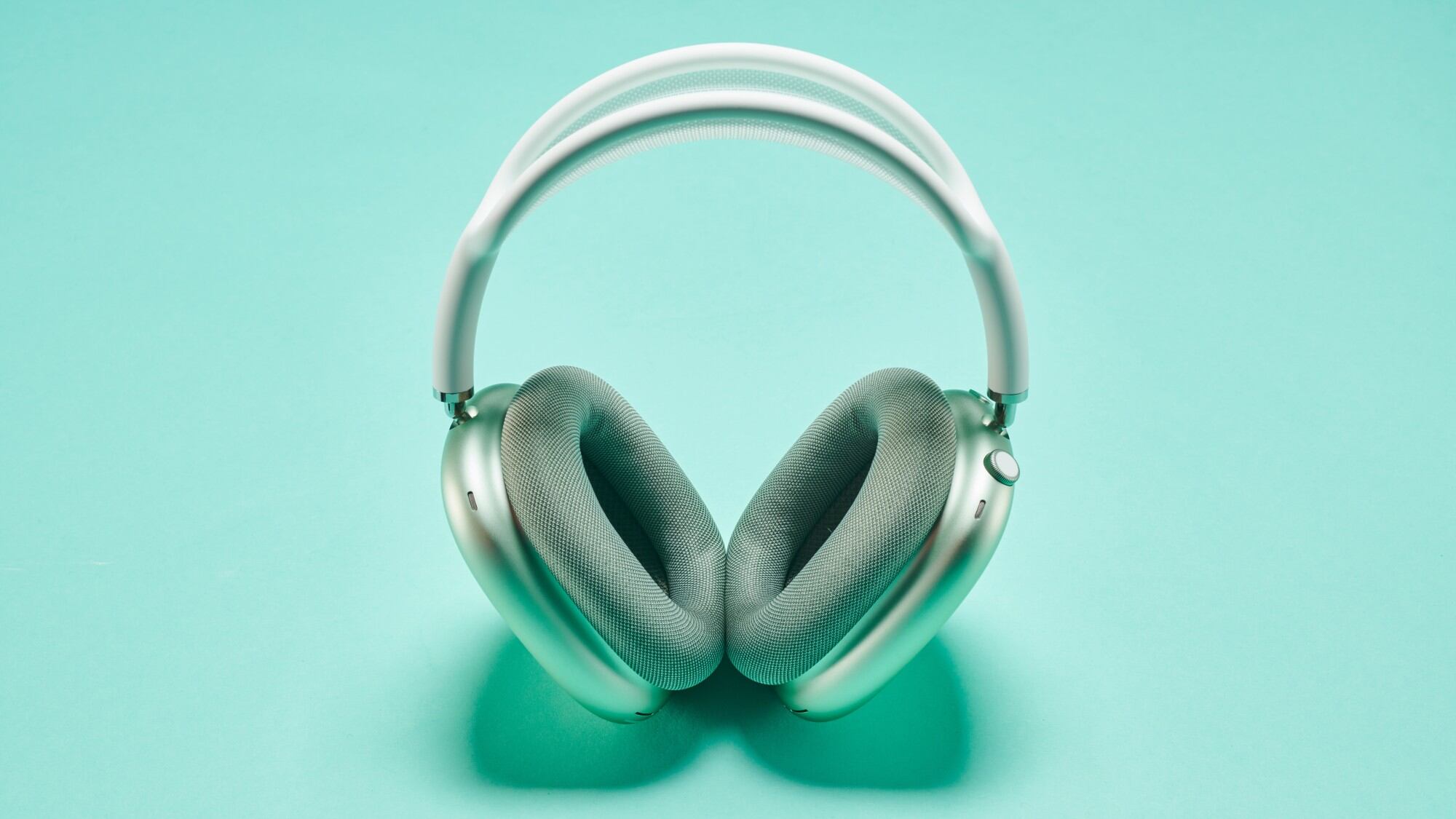
Listen up! At least 21 people in New York City have had their fancy Apple headphones stolen right off their heads by a roving team of moped-riding bandits, police say.
The thefts started on Jan. 28 and have typically involved four people on two mopeds riding up to victims from behind, snatching their Apple AirPods Max headphones and then speeding off. The noise-canceling devices currently retail for $549 a piece.
The sonic swipers have struck all over Manhattan, including one incident in Central Park, with victims ranging in age from 18 to 41, police said. The bulk of the thefts happened in mid-to-late afternoon. Five headphones were stolen on Feb. 8 and eight were taken on Feb. 18.
The thieves remain at large, and no arrests have been made.
Police this week released a photo of suspects riding mopeds and a video showing one of them getting off a moped carrying two AirPod Max headphones and walking into Washington Square Park.
Unlike AirPods and AirPods Pro, which are small and fit inside the ear, AirPods Max headphones rest over the ears and have an adjustable headband connecting the right and left sides.
Victims called the Colorado Springs mass shooter a “monster” who hunted down LGBTQ+ patrons in a calculated attack last year that killed five people, as the suspect faced life in prison after pleading guilty Monday to murder and other charges.
Cleanup continues after a train carrying hot asphalt and molten sulfur crashed into the Yellowstone River in Montana after a bridge collapsed while one was confirmed dead in a boat crash in Miami.
The U.S. Coast Guard said Sunday it is leading an investigation into the loss of the Titan submersible that was carrying five people to the Titanic, to determine what caused it to implode.
In the past, government agencies have typically taken on the cost of such searches, even when rich people pay thousands of dollars for questionable activities.
To many observers, the efforts to roll back two policies that disproportionately help Black students and other students of color reflect a backlash to racial progress in higher education.