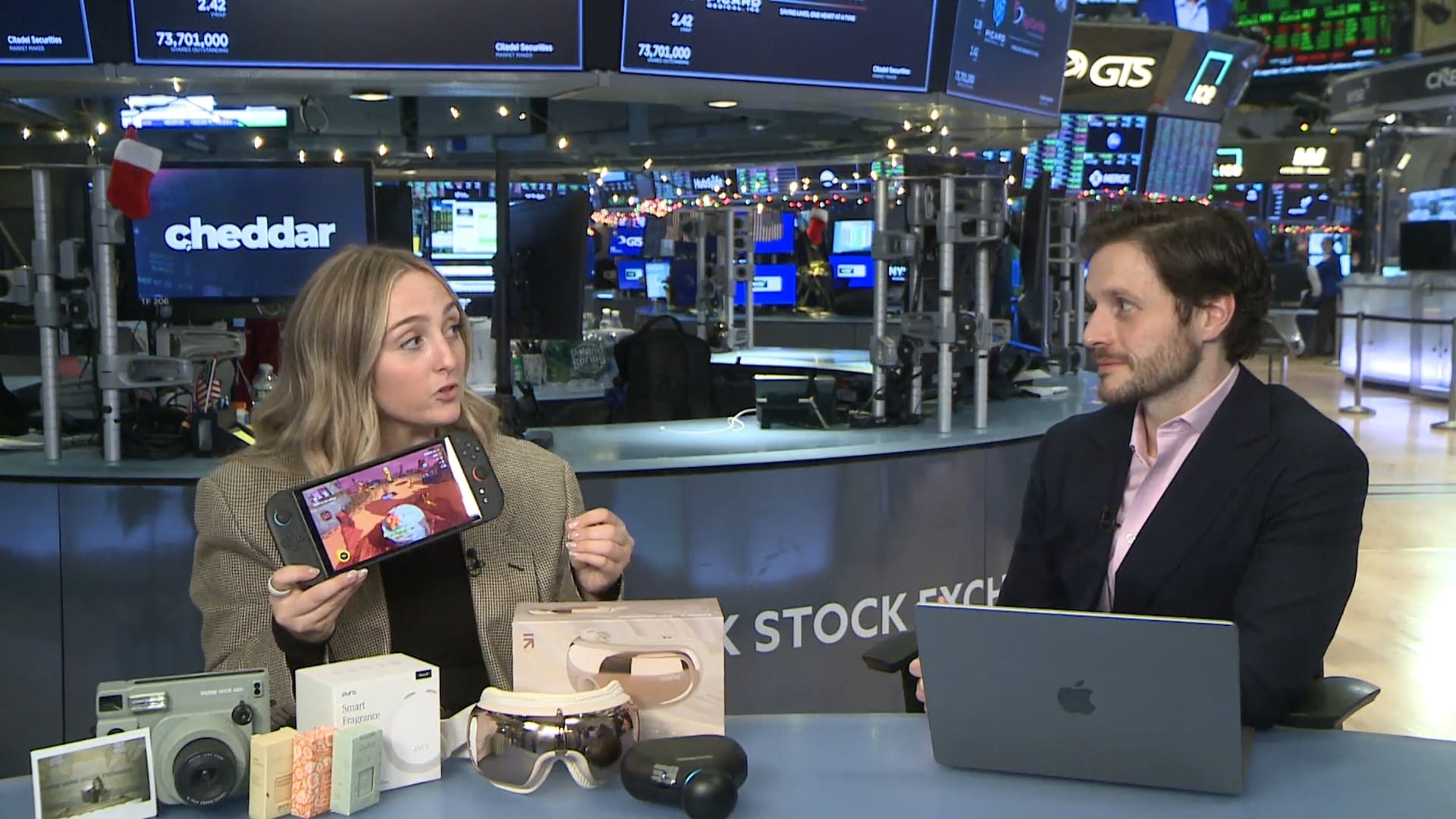
*By Carlo Versano* Shares of Nike were down as much as 3 percent Tuesday morning, with the #NikeBoycott hashtag among the top trends on Twitter. The sell-off came just a day after the athletic giant confirmed an endorsement deal with Colin Kaepernick, the former NFL quarterback who ignited a wave of player protests against racial and social injustice for refusing in 2016 to stand during the National Anthem. It's a "fine line" for Nike to walk with this campaign, said Susan Anderson, senior retail analyst at investment bank B. Riley FBR. While the company is presumably looking to draw in a younger audience, it also risks the possibility of alienating older customers ー or the NFL itself. Kaepernick [tweeted an image](https://twitter.com/Kaepernick7/status/1036695513251434498) on Monday of his Nike ad, which features a close-up of his face with the words, "Believe in something , even if it means sacrificing everything." The ad was retweeted by the official [@Nike](http://www.twitter.com/nike) account hours later, but it ignited a firestorm on social media and prompted some users to destroy their Nike products and [post the evidence online](https://www.businessinsider.com/nike-advert-with-colin-kaepernick-has-people-burning-products-2018-9). The former 49er has become a controversial figure for the sport, sparking a slew of protests that drew the ire of President Donald Trump, who chastised players for not respecting the anthem, and which the former CEO of Papa John's, a former sponsor of the league, blamed for flagging pizza sales. Kaepernick, who has been unsigned since the 2017-18 season, last year filed a "collusion" grievance with the league, arguing that he was blackballed for the protests he started among players. The grievance is [going to trial](https://www.npr.org/2018/08/31/643558384/nfl-arbitrator-moves-colin-kaepernicks-collusion-grievance-to-formal-hearing), but no hearings have been scheduled. For Nike, though, the company clearly made the judgement that this campaign will speak to its younger customers, Anderson said Tuesday in an interview on Cheddar. Such edge marketing campaigns are likely intended to target customers more inclined to buy Nike products online than at the mall. It's something that's been increasingly important to the company ー Nike has invested heavily in e-commerce, opening a web store on Amazon, promoting sneaker drops on its website, and selling certain shoes on its official Instagram page. "Nike has done such a great job at segmenting their products across channels," Anderson said. But going after direct-to-consumer may impact Nike's traditional retail partnerships with Dick's Sporting Goods or Foot Locker \(and, indeed, [already has](https://markets.businessinsider.com/news/stocks/dicks-sporting-goods-earnings-stock-price-plunges-2018-8-1027493482)\). Nike is also one of the NFL's top partners, having signed a 10-year, $1 billion apparel deal earlier this year. And the NFL is perhaps the most [controversy-averse] (https://www.newsday.com/opinion/editorial/nfl-national-anthem-1.18705638) of all the major leagues. It's also a matter of timing. Nike, one of the most influential brands in sports, debuted a campaign featuring Kaepernick, one of the most polarizing figures in sports, the very same week the NFL season kicks off ー and it's all just two months shy of the midterm elections. President Trump's usually-active Twitter account was silent on the issue as of Tuesday. For full interview [click here](https://cheddar.com/videos/nike-stuns-with-new-colin-kaepernick-ad).