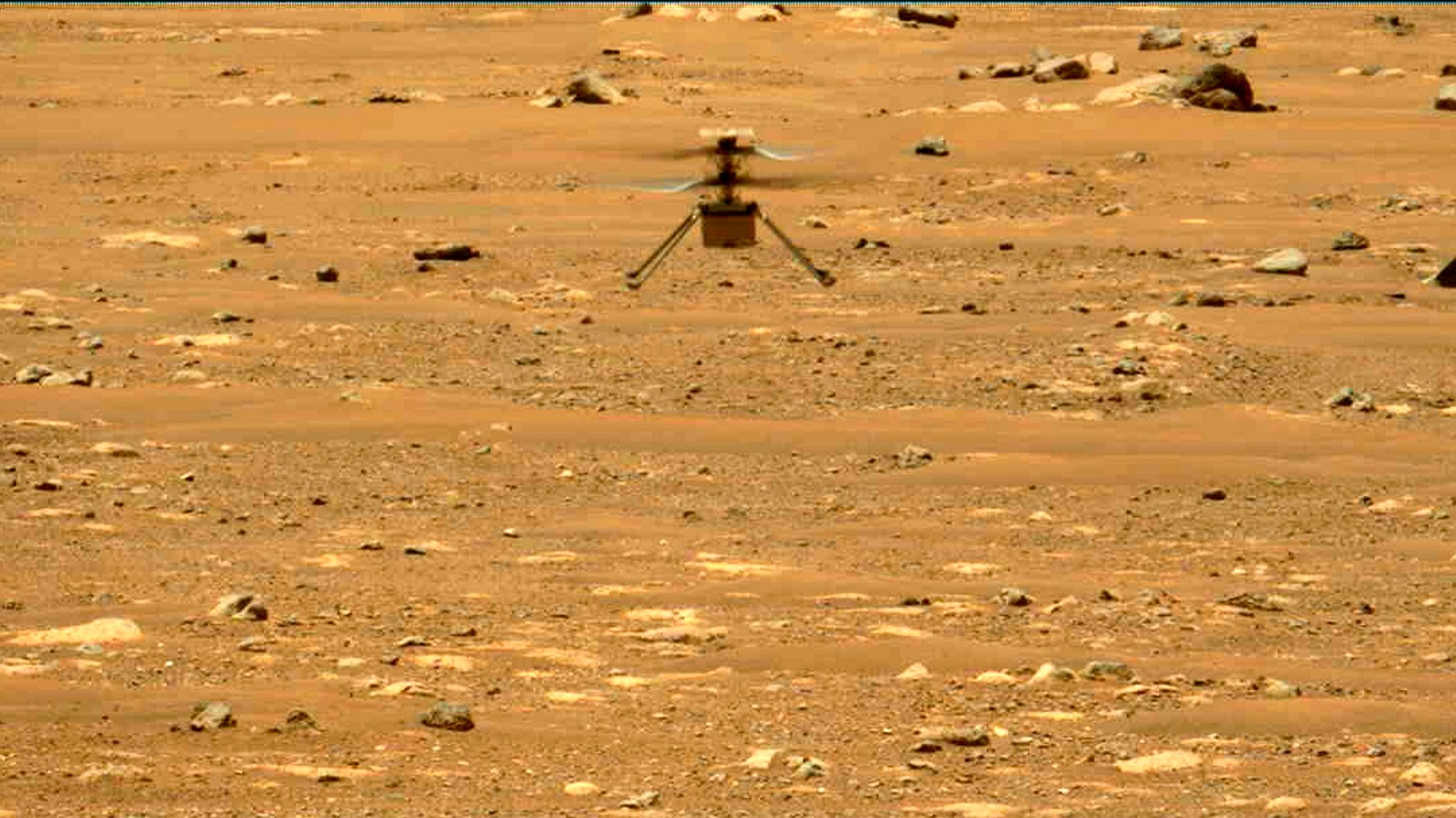
In this image made available by NASA, the Mars Ingenuity helicopter hovers above the surface of the planet during its second flight on Thursday, April 22, 2021. (NASA/JPL-Caltech/ASU/MSSS via AP)
By Marcia Dunn
NASA’s little Mars helicopter aced its second test flight Thursday, soaring even higher and longer than before.
The 4-pound (1.8-kilogram) chopper, named Ingenuity, hovered longer and also flew side to side this time, according to NASA's Jet Propulsion Laboratory in California. It achieved the intended altitude of 16 feet (5 meters) and even accelerated sideways 7 feet (2 meters).
This hop lasted 52 seconds, 13 seconds longer than the first one.
“Go big or go home!” JPL tweeted in announcing the Earth Day news.
The success came just three days after Ingenuity made the first powered flight by an aircraft on another planet. The helicopter carried a bit of wing fabric from the Wright Flyer that made similar history at Kitty Hawk, North Carolina, in 1903.
Flight controllers had to wait four hours before learning Thursday's outcome. Like it did during Monday's 10-foot-high (3-meter-high) hop, the helicopter sent back a black and white photo showing its shadow against the dusty, rock-strewn surface now known as Wright Brothers Field.
“It sounds simple, but there are many unknowns regarding how to fly a helicopter on Mars," Ingenuity’s chief pilot, Havard Grip, said from JPL in a statement. “That’s why we’re here — to make these unknowns known.”
One of the challenges is the planet’s extremely thin atmosphere — 1% that of Earth's.
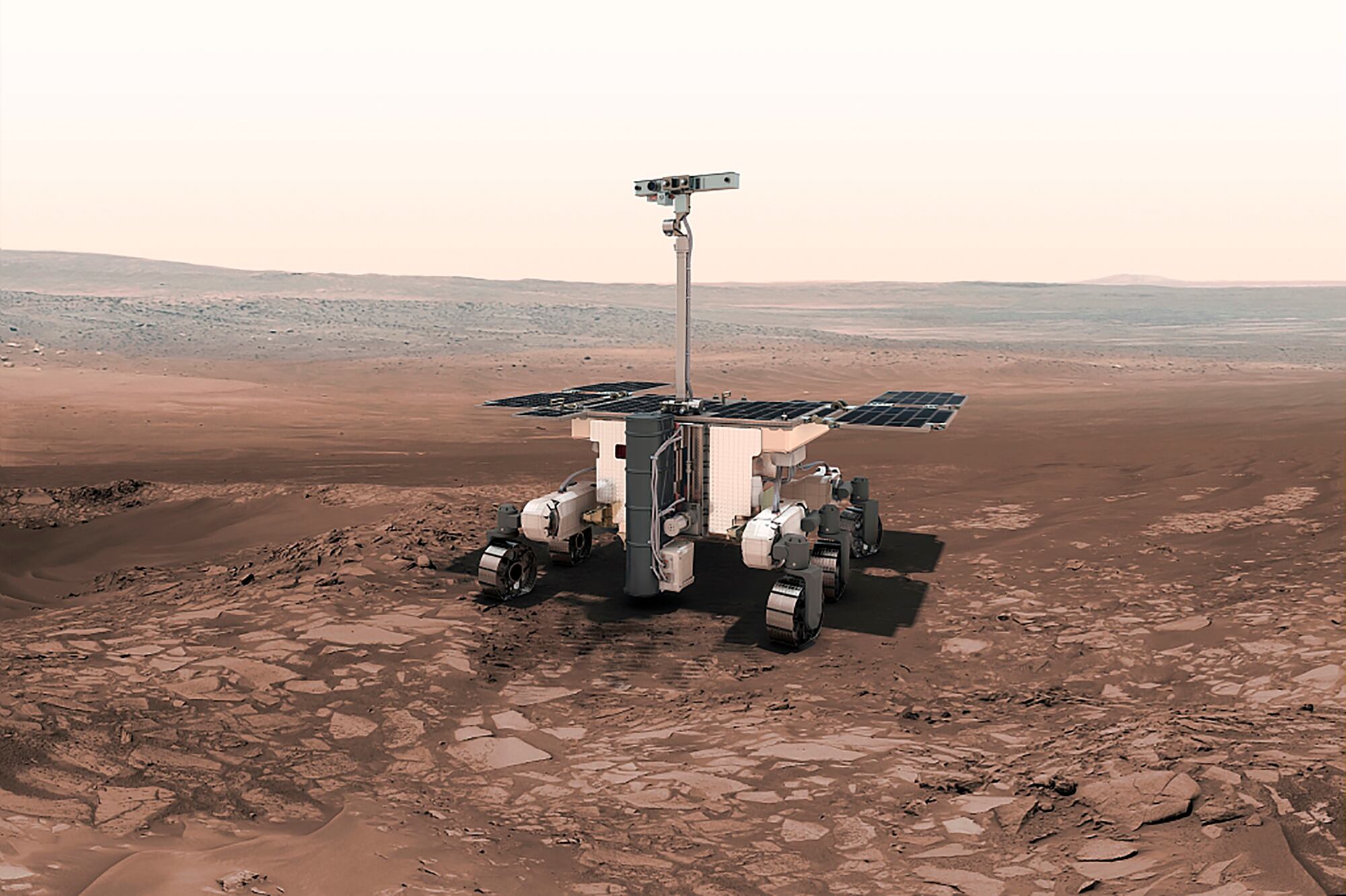
NASA plans up to three more test flights in the next 1 1/2 weeks, venturing higher each time with more complicated acrobatics. Ingenuity hitched a ride to Mars on the rover Perseverance, which photographed the proceedings from more than 200 feet (64 meters) away. The rover team allotted one month for the $85 million tech demo; The clock started ticking when Ingenuity was released from Perseverance's belly on April 3.
“We have two flights of Mars under our belts, which means that there is still a lot to learn during this month of Ingenuity," chief engineer Bob Balaram said in a statement.
Perseverance and Ingenuity arrived at Mars in mid-February, landing in an ancient river delta following a 6 1/2-month flight.
Once Ingenuity's flights are complete, Perseverance will set off on its journey to find any signs of past microscopic life. A robotic geologist, the rover will collect core samples of the most enticing rocks and set them aside for pickup by a future spacecraft a decade from now.
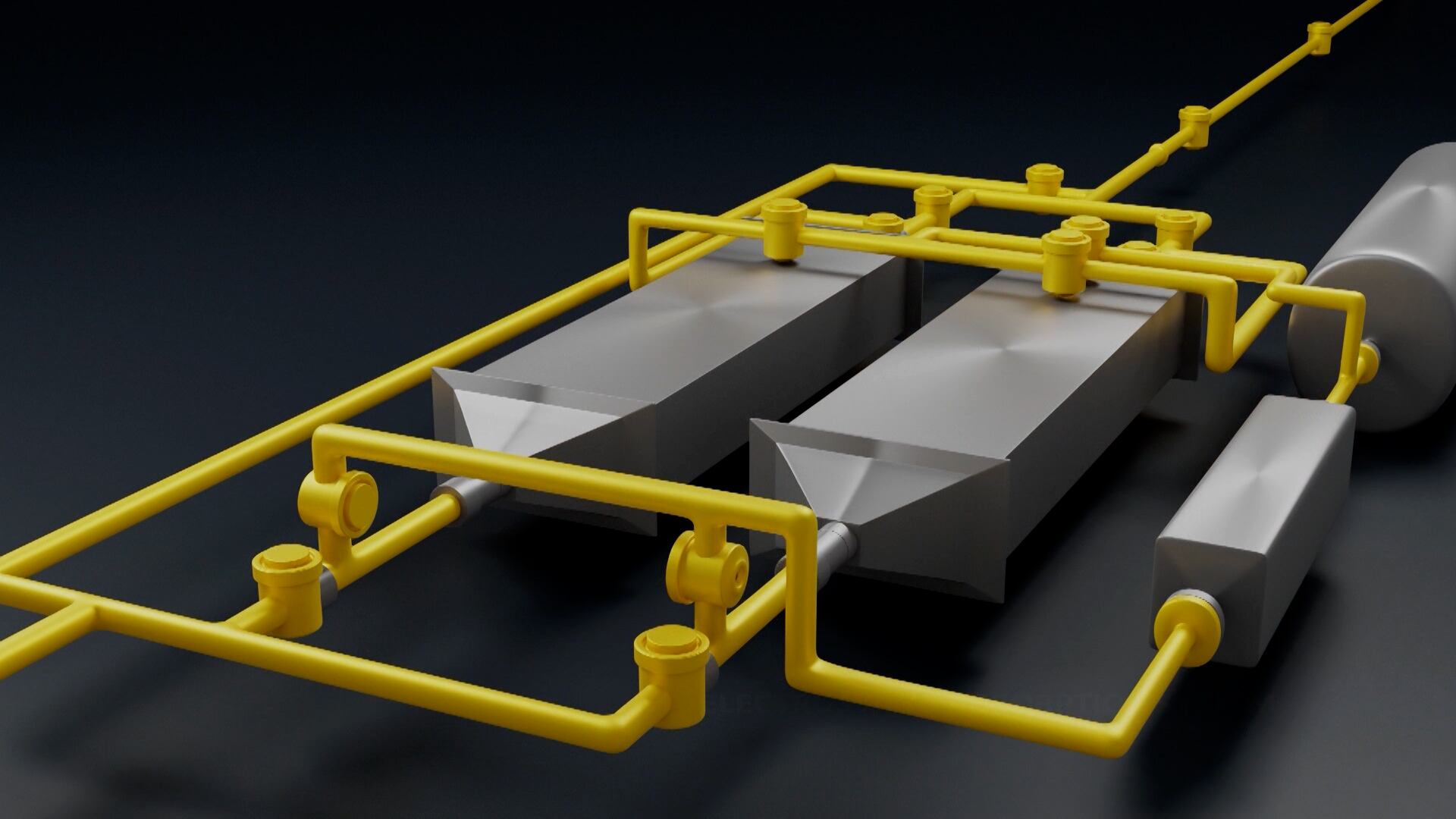
In another first, an experiment on the rover successfully converted Mars’ carbon-dioxide-rich atmosphere into pure oxygen this week. Five grams of oxygen was produced, according to NASA, the equivalent of 10 minutes of breathing for an astronaut. Large-scale production at Mars could yield oxygen not only for air, but also rocket fuel. More tests are planned over the next two years.
___
The Associated Press Health and Science Department receives support from the Howard Hughes Medical Institute’s Department of Science Education. The AP is solely responsible for all content.
The U.S. Securities and Exchange Commission Monday laid out a proposal that would require businesses to disclose the emissions they produce. Kathleen Rogers, CEO & President at EARTHDAY.ORG, joined Cheddar News to break down the implications of this historic step.
Deepwell Digital Therapeutics is a game development company looking to transform the way we look at video games — this time to improve health outcomes. Its goal is to create software to aid those who deal with conditions such as depression and ADHD. Company co-founder and co-CEO Ryan Douglas and co-founder Kate Edwards joined Cheddar News to talk about the technology is being used to help patients. "From a research perspective, the game industry itself has been well aware for many, many years of the kind of inherent, kind of anecdotal therapeutic value of playing games," said Edwards.
Catching you up on what you Need to Know on Mar 21, 2022, with updates on the Russian invasion in Ukraine, a Boeing 737-800 plane carrying 132 people crashed in China, Canadian Pacific rail workers on strike, another possible COVID surge, and the SEC's new climate rules for businesses.
The Bill Gates-founded Breakthrough Energy company invested $80 million in Verdox Inc. to facilitate efficient, lower-cost technolog to remove carbon from the air and emission sources. CEO of Verdox, Brian Baynes, joined Cheddar News to discuss the investment, how the company's tech works, and where he sees it going. "We anticipate that with technologies like ours, we potentially can get to the scale of about a million tons per year within 5-10 years," he said. "And then ultimately we need to be doing this at the scales of billions of tons per year and ultimately about 10 billion tons per year in the year 2050."
As the Russia's invasion of Ukraine continues, medical experts are worried conditions in active warzones will exacerbate the current pandemic — or even give rise to other contagions. Dr. Daniel Fagbuyi, a war veteran and former Obama administration biodefense appointee, joined Cheddar News to discuss the ongoing danger of COVID-19 on top of the war, as well as the potential for new variants to emerge. "I mean just large volumes of people definitely is a breeding ground. That's the worst case," he said. "Two things don't mix: war-conflict and a virus, a potential pandemic virus."
Medical cannabis company Akanda went public this week in what was the first traditional IPO of the month. Shares jumped about 163% in the stock's first day of trading. The London-based company says it hopes to supply medical cannabis products to wholesalers in international markets. Tej Virk, CEO of Akanda, joins Cheddar News' Closing Bell to discuss.