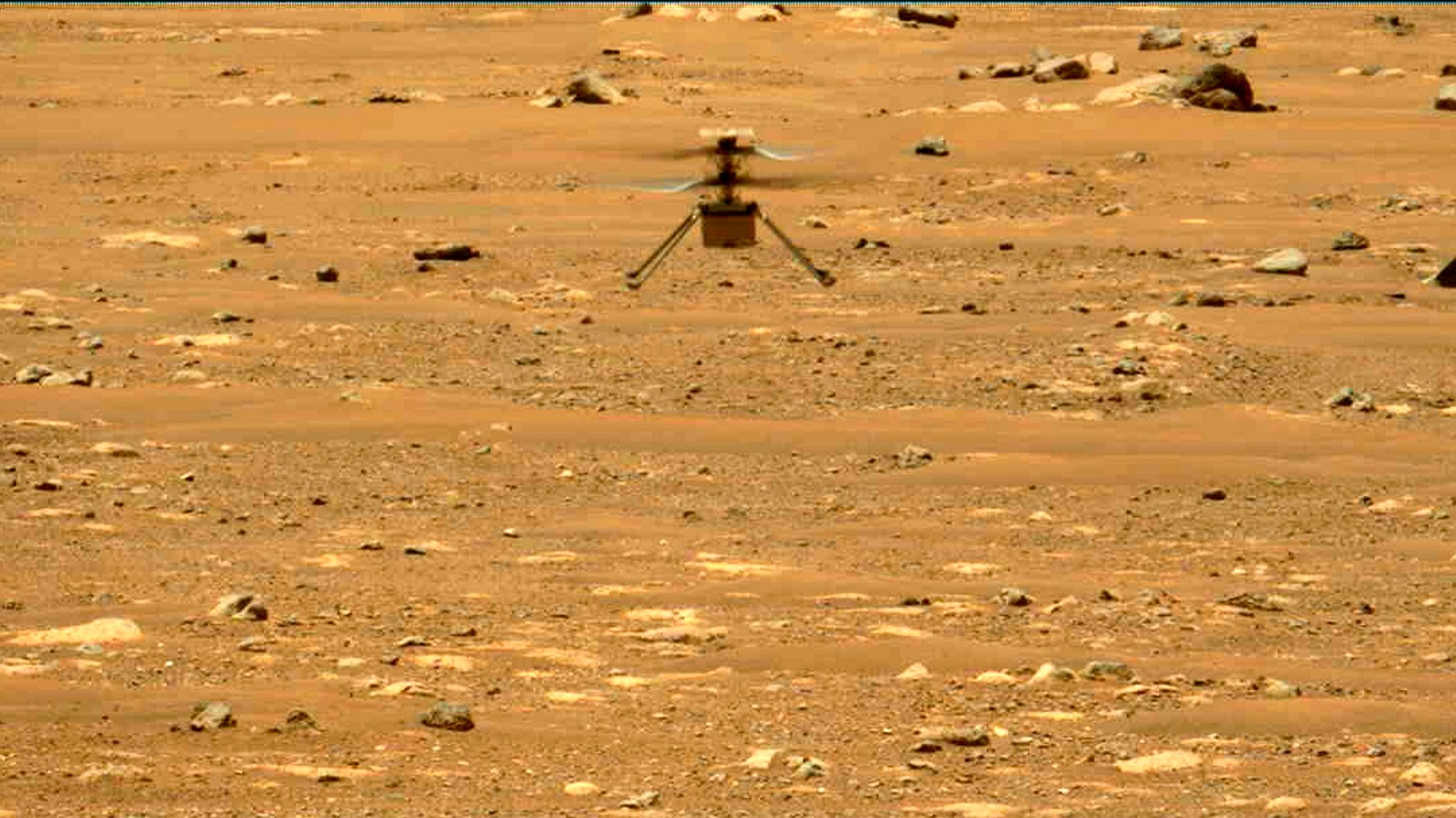
In this image made available by NASA, the Mars Ingenuity helicopter hovers above the surface of the planet during its second flight on Thursday, April 22, 2021. (NASA/JPL-Caltech/ASU/MSSS via AP)
By Marcia Dunn
NASA’s little Mars helicopter aced its second test flight Thursday, soaring even higher and longer than before.
The 4-pound (1.8-kilogram) chopper, named Ingenuity, hovered longer and also flew side to side this time, according to NASA's Jet Propulsion Laboratory in California. It achieved the intended altitude of 16 feet (5 meters) and even accelerated sideways 7 feet (2 meters).
This hop lasted 52 seconds, 13 seconds longer than the first one.
“Go big or go home!” JPL tweeted in announcing the Earth Day news.
The success came just three days after Ingenuity made the first powered flight by an aircraft on another planet. The helicopter carried a bit of wing fabric from the Wright Flyer that made similar history at Kitty Hawk, North Carolina, in 1903.
Flight controllers had to wait four hours before learning Thursday's outcome. Like it did during Monday's 10-foot-high (3-meter-high) hop, the helicopter sent back a black and white photo showing its shadow against the dusty, rock-strewn surface now known as Wright Brothers Field.
“It sounds simple, but there are many unknowns regarding how to fly a helicopter on Mars," Ingenuity’s chief pilot, Havard Grip, said from JPL in a statement. “That’s why we’re here — to make these unknowns known.”
One of the challenges is the planet’s extremely thin atmosphere — 1% that of Earth's.
NASA plans up to three more test flights in the next 1 1/2 weeks, venturing higher each time with more complicated acrobatics. Ingenuity hitched a ride to Mars on the rover Perseverance, which photographed the proceedings from more than 200 feet (64 meters) away. The rover team allotted one month for the $85 million tech demo; The clock started ticking when Ingenuity was released from Perseverance's belly on April 3.
“We have two flights of Mars under our belts, which means that there is still a lot to learn during this month of Ingenuity," chief engineer Bob Balaram said in a statement.
Perseverance and Ingenuity arrived at Mars in mid-February, landing in an ancient river delta following a 6 1/2-month flight.
Once Ingenuity's flights are complete, Perseverance will set off on its journey to find any signs of past microscopic life. A robotic geologist, the rover will collect core samples of the most enticing rocks and set them aside for pickup by a future spacecraft a decade from now.
In another first, an experiment on the rover successfully converted Mars’ carbon-dioxide-rich atmosphere into pure oxygen this week. Five grams of oxygen was produced, according to NASA, the equivalent of 10 minutes of breathing for an astronaut. Large-scale production at Mars could yield oxygen not only for air, but also rocket fuel. More tests are planned over the next two years.
___
The Associated Press Health and Science Department receives support from the Howard Hughes Medical Institute’s Department of Science Education. The AP is solely responsible for all content.
Andrew Chanin, CEO of investment management firm ProcureAM, joined Cheddar to break down the many industries in the space economy and discuss what trends are driving the most growth. "Right now there's been so much media focus on space tourism. Why? Because last year it really debuted itself to the world," he said. "However it's less than 1 percent of the overall space economy, and there are many other parts of space which are actually driving this area."
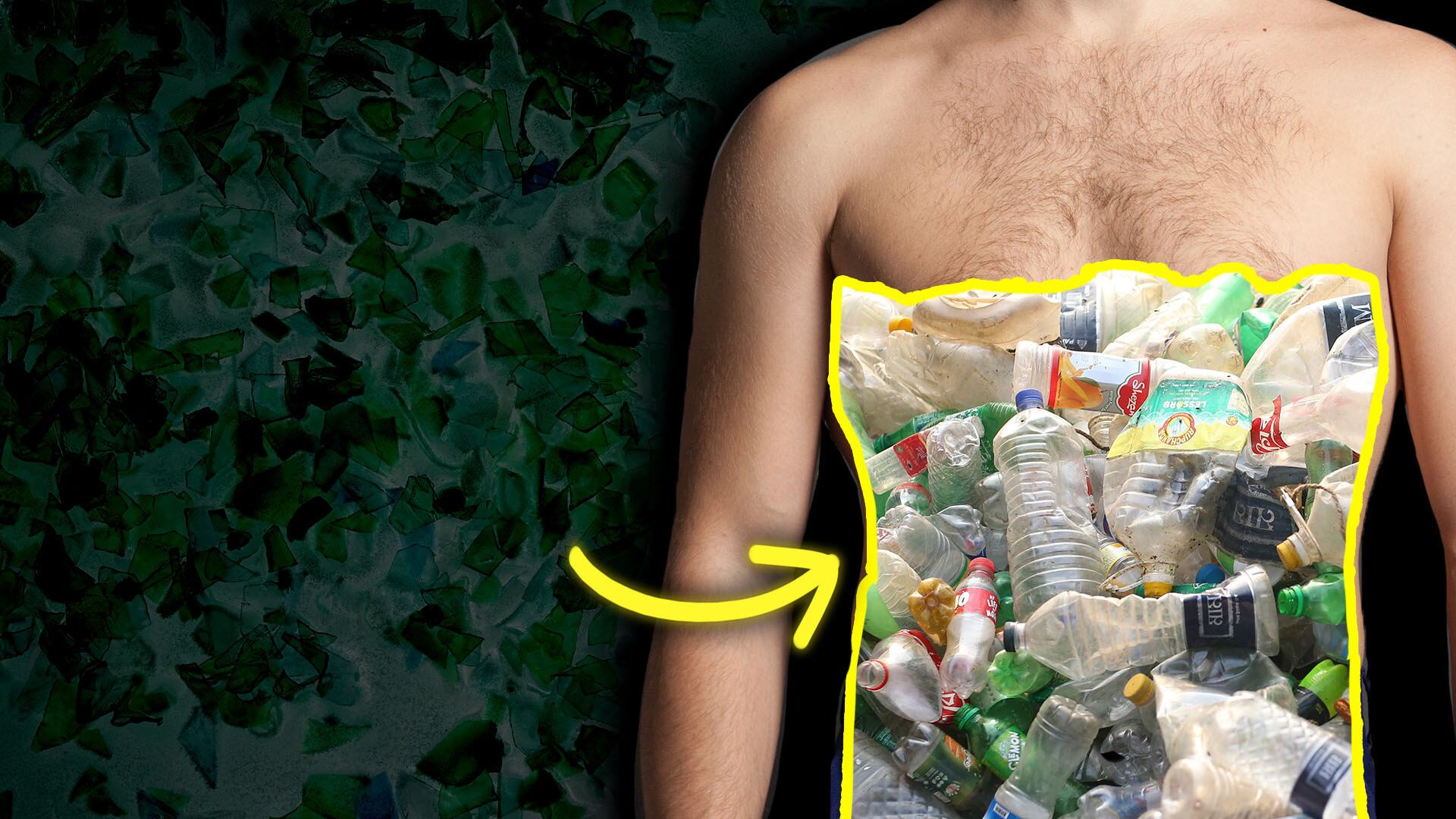
Plastic has become the face of global pollution. To date, humans have produced 8.3 billion metric tons of it. Once discarded, plastic doesn’t biodegrade. Instead, it fragments into microplastics smaller than the size of a sesame seed and further into nanoplastics.
These tiny particles of plastic end up everywhere, deep in the ice of Antarctic glaciers or even inside our bodies.
So how much plastic is inside of us? And what does it mean for our health? Let’s find out.
Catching you up on what you Need to Know on Mar 29, 2022, with updates on the snow squall in Pennsylvania that caused a pileup killing three, the teacher's strike in Sacramento heading into week two, Walmart no longer selling tobacco products in select stores, and what meme stocks are up to this week.
Catching you up on what you Need to Know on Mar 28, 2022, with peace talks resuming in Ukraine as early as today, Colorado wildfires causing evacuations, Shanghai, China, ramping up restrictions once again, the Oscars debacle between Will Smith and Chris Rock, and more.
The U.S. market value of the plant-based food industry reached an all-time high last year. According to a new report from the Plant Based Food Association, retail sales of plant-based foods reached $7.4 billion, but questions are arising over whether the industry can sustain the levels of growth it had in the past few years. Julie Emmett, senior director of marketplace development at the Plant Based Food Association, joined Cheddar News' Closing Bell to discuss.
Bowery Farming's vertical growing process allows it to cultivate 13 types of greens — and now, strawberries — in a sustainable way that's also faster than traditional farming. Bowery focuses on sustainability from start to finish, using unique technology to provide plants with what they need at the right time while eliminating waste and cutting down on carbon dioxide emissions. Katie Seawell, Chief Commercial Officer of Bowery Farming, joins Closing Bell to discuss the company's vertical farming process, sustainability focus, fixing the food supply chain, and more.
Nexii, a company based in Canada, is getting some big backing for its sustainable, low-carbon concrete alternative. CEO Stephen Sidwell, joined Cheddar News to talk about the initiatives his company is taking to tackle climate change and scaling up production to meet demand. "Most people don’t realize it, but buildings are the number one contributor to CO2 emissions," he said. "So that's really what we're attacking, the overall CO2 emissions."
Catching you up on what you need to know on March 25, 2022, with Ukrainian forces retaking Kyiv, 300 deaths reported from the bombing of a theater used as a shelter in Mariupol, U.S. regulators ditch a climate review of natural gas projects, the 94th Academy Awards, and more.
New York City Mayor Eric Adams has announced the removal of the mask mandate in school and day-care centers for children under 5. If COVID-19 cases remain low, this change will take place on April 4th. Syra Madad, an infectious disease epidemiologist, joins Cheddar News to discuss.