In this image made available by NASA, the Mars Ingenuity helicopter hovers above the surface of the planet during its second flight on Thursday, April 22, 2021. (NASA/JPL-Caltech/ASU/MSSS via AP)
By Marcia Dunn
NASA’s little Mars helicopter aced its second test flight Thursday, soaring even higher and longer than before.
The 4-pound (1.8-kilogram) chopper, named Ingenuity, hovered longer and also flew side to side this time, according to NASA's Jet Propulsion Laboratory in California. It achieved the intended altitude of 16 feet (5 meters) and even accelerated sideways 7 feet (2 meters).
This hop lasted 52 seconds, 13 seconds longer than the first one.
“Go big or go home!” JPL tweeted in announcing the Earth Day news.
The success came just three days after Ingenuity made the first powered flight by an aircraft on another planet. The helicopter carried a bit of wing fabric from the Wright Flyer that made similar history at Kitty Hawk, North Carolina, in 1903.
Flight controllers had to wait four hours before learning Thursday's outcome. Like it did during Monday's 10-foot-high (3-meter-high) hop, the helicopter sent back a black and white photo showing its shadow against the dusty, rock-strewn surface now known as Wright Brothers Field.
“It sounds simple, but there are many unknowns regarding how to fly a helicopter on Mars," Ingenuity’s chief pilot, Havard Grip, said from JPL in a statement. “That’s why we’re here — to make these unknowns known.”
One of the challenges is the planet’s extremely thin atmosphere — 1% that of Earth's.
NASA plans up to three more test flights in the next 1 1/2 weeks, venturing higher each time with more complicated acrobatics. Ingenuity hitched a ride to Mars on the rover Perseverance, which photographed the proceedings from more than 200 feet (64 meters) away. The rover team allotted one month for the $85 million tech demo; The clock started ticking when Ingenuity was released from Perseverance's belly on April 3.
“We have two flights of Mars under our belts, which means that there is still a lot to learn during this month of Ingenuity," chief engineer Bob Balaram said in a statement.
Perseverance and Ingenuity arrived at Mars in mid-February, landing in an ancient river delta following a 6 1/2-month flight.
Once Ingenuity's flights are complete, Perseverance will set off on its journey to find any signs of past microscopic life. A robotic geologist, the rover will collect core samples of the most enticing rocks and set them aside for pickup by a future spacecraft a decade from now.
In another first, an experiment on the rover successfully converted Mars’ carbon-dioxide-rich atmosphere into pure oxygen this week. Five grams of oxygen was produced, according to NASA, the equivalent of 10 minutes of breathing for an astronaut. Large-scale production at Mars could yield oxygen not only for air, but also rocket fuel. More tests are planned over the next two years.
___
The Associated Press Health and Science Department receives support from the Howard Hughes Medical Institute’s Department of Science Education. The AP is solely responsible for all content.
Virgin Galactic is reporting an increase in demand for commercial space flights after seeing a boost in ticket sales, raising the price for a seat on a shuttle to $450,000. The company said they now have 700 customers.
Jill Wagner and Baker Machado break down the state of the Opioid Crisis in the U.S. The CDC reported a 30% increase in overdose deaths from 2020 to 2021, but in recent months pharmaceutical companies have drastically raised the price of Naloxone or 'Narcan,' affecting the response of community harm prevention groups.
The world hit a grim milestone on Monday, with COVID-19 cases surpassing a quarter of a billion worldwide. As cases increase, the fight to beat the virus continues as well, with a number of medical breakthroughs coming out over the last few months in the form of pills from Pfizer and Merck. Regeneron is now the latest company to join the fight, recently releasing new data on a covid antibody cocktail. Professor Peter Pitts, former FDA Associate Commissioner and the founder of the Center for Medicine in the Public Interest breaks down the differences between the 3 treatments and why vaccines are still among the fire line of defense.
Jill and Carlo discuss the scenes of joy at American airports as borders reopen, another tool in the Covid toolbox, the latest in the Astroworld crowd crush tragedy and more.
The Biden Administration's mandate for COVID vaccinations by large employers has been put on hold by federal courts as GOP-led states and some businesses push back on the order's legality. Jonathan Adler, a law professor at Case Western Reserve University, joined Cheddar to discuss the legal challenges to implementing such mandates through OSHA (Occupational Safety and Health Administration). "Certainly expanding vaccinations is a good thing, and as vaccination rates go up that's better for all of us," Adler said. "But there are some legal questions about whether or not it's appropriate to use a law about occupational safety and health as the means to do that."
Dr. Nasia Safdar, Doctor at UW Madison, joined Wake Up With Cheddar to discuss the implications of Merck sharing its antiviral pill, which has been shown in early trials to cut hospitalizations and deaths by half, with poorer nations around the globe.
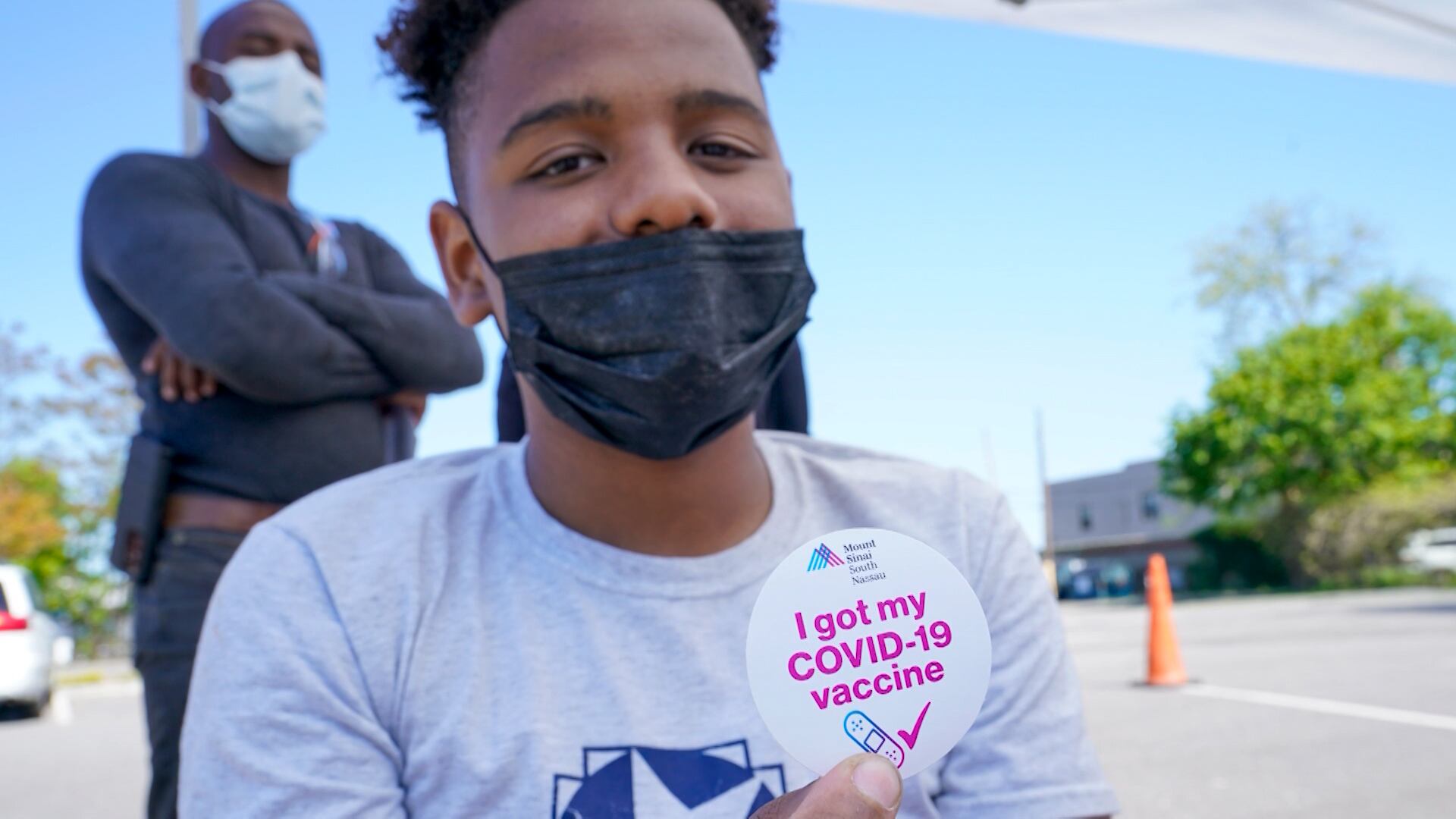
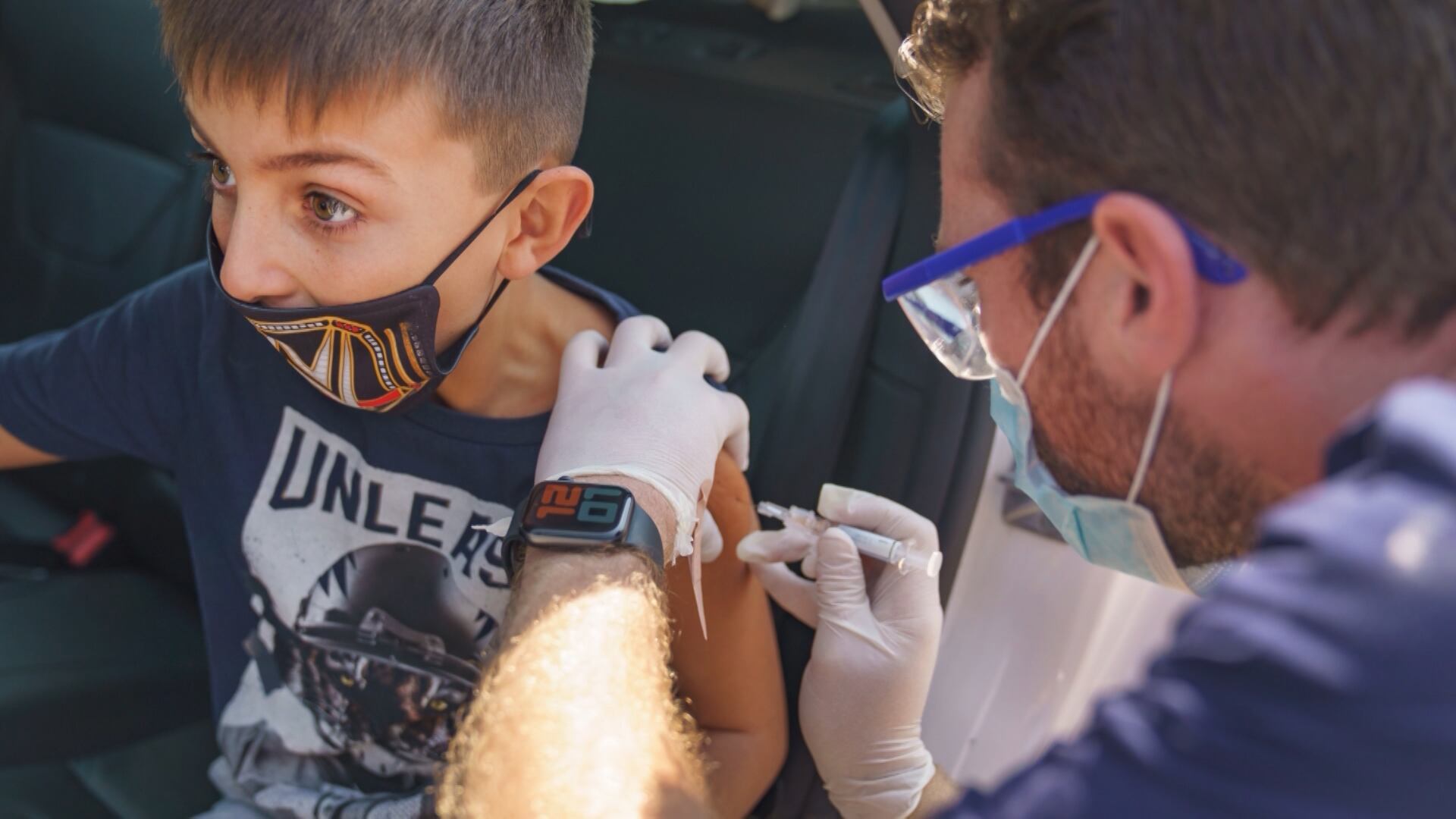
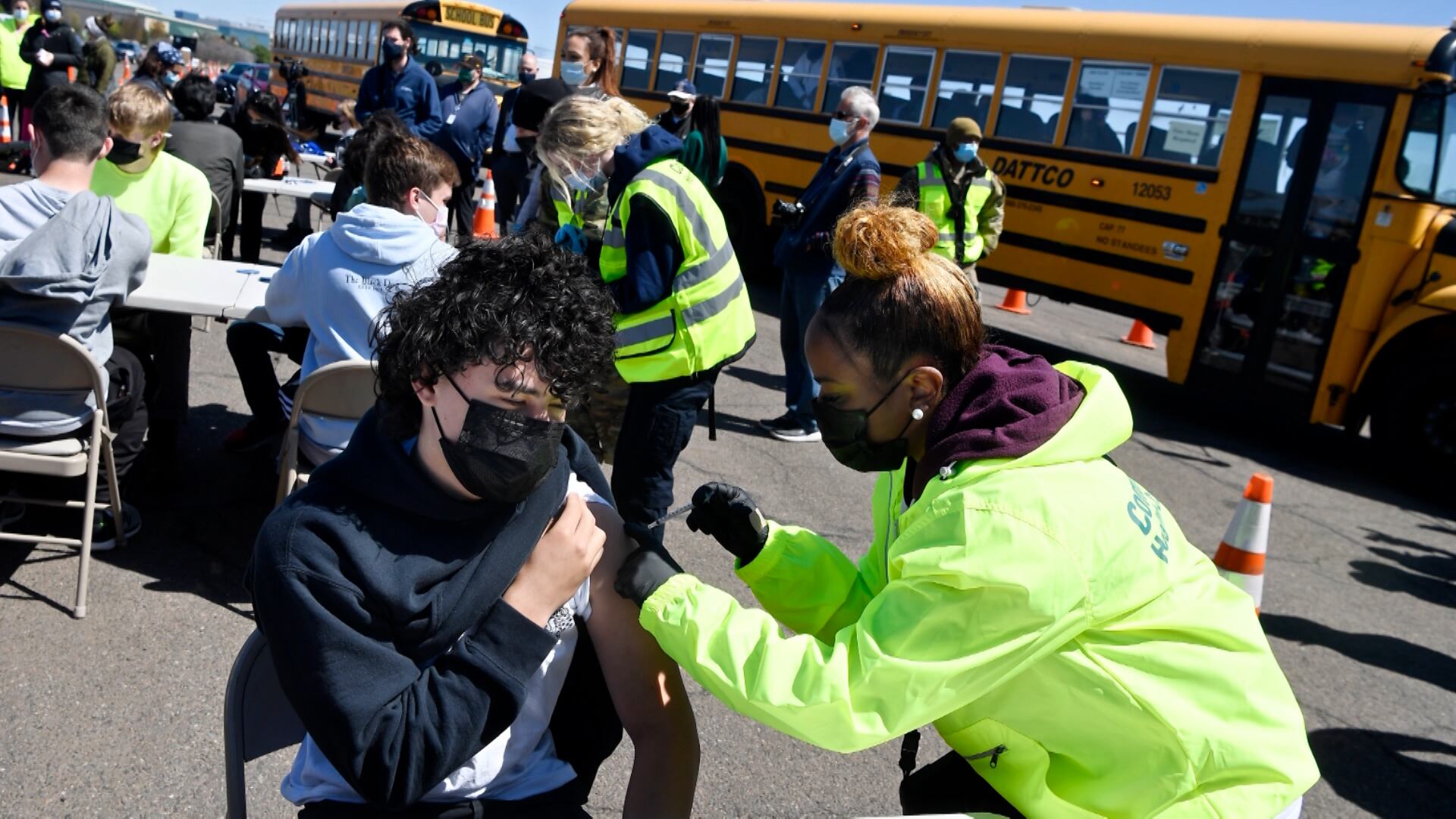
Dr. Robert Frenck, an infectious disease specialist at Cincinnati Children's Hospital, joined Cheddar to talk about the significance of children ages 5-11 being authorized to receive COVID-19 vaccinations. He also discussed schools being cleared to administer vaccines and noted the importance of meeting people where they are rather than forcing them to find the shots. Frenck also said he expects that children under 5 years old will begin getting vaccinations sometime in spring.
A CDC advisory committee as unanimously voted to recommend the Pfizer Covid-19 vaccine in children ages 5 to 11. Dr. Amesh Adalja, Infectious Disease Specialist and Senior Scholar at Johns Hopkins Center for Health Security, joined Cheddar News to discuss.
A Freitag pod with Carlo and Baker, talking about the upcoming federal vax-or-test deadline, the most shocking upset of this week's elections, an incredible story of selflessness and Love, Hate, Ate.