In this image from video made available by NASA, the core stage of the Space Launch System, NASA’s planned moon rocket, is tested at the Stennis Space Center near Bay St. Louis, Miss., on Thursday, Mar. 18, 2021. With this critical test finally finished, NASA now will send the rocket segment to Kennedy Space Center for launch preparations. (NASA via AP)
By Marcia Dunn
NASA completed an engine test firing of its moon rocket Thursday, after the first attempt in January ended prematurely.
This time, the four main engines of the rocket’s core stage remained ignited for the full eight minutes. Applause broke out in the control room at Mississippi's Stennis Space Flight Center once the engines shut down on the test stand.
NASA officials called it a major milestone in sending astronauts back to the moon, but declined to say when that might occur or even whether the first test flight without a crew would occur by year's end as planned.
John Honeycutt, NASA's program manager for the Space Launch System or SLS rocket, said everything seemed to go well in Thursday's test firing. “The core stage ... got an A-plus today,” he told reporters.
During the first test, the engines fired for just a minute, automatically cut short by strict test limits that were relaxed for the redo. Valve issues also had to be resolved prior to Thursday's countdown.
With this critical test finally finished — and assuming everything went well — NASA can now send the rocket segment to Florida's Kennedy Space Center to prepare it for launch.
Noting they're taking it one step at a time, officials declined to say whether this first SLS launch will occur by year's end as had been planned or will bump into 2022. The SLS rocket will send an empty Orion capsule to the moon and back.
The four engines tested Thursday actually flew into orbit on NASA's space shuttles and were upgraded for the more powerful SLS system. The orange core stage is reminiscent of the shuttle's external fuel tank, which held the liquid hydrogen and oxygen that fed the main engines.
Boeing built the core stage, which stands 212 feet (65 meters.)
The Trump administration had pressed for a moon landing by astronauts by 2024, a deadline increasingly difficult if not impossible to achieve at this point. The current White House has yet to issue a revised timeline.
NASA Acting Administrator Steve Jurczyk said the space agency is conducting an internal study to determine a schedule for the astronaut moon landings — “what we can optimally do” based on budgets. The review will take a few months, he noted.
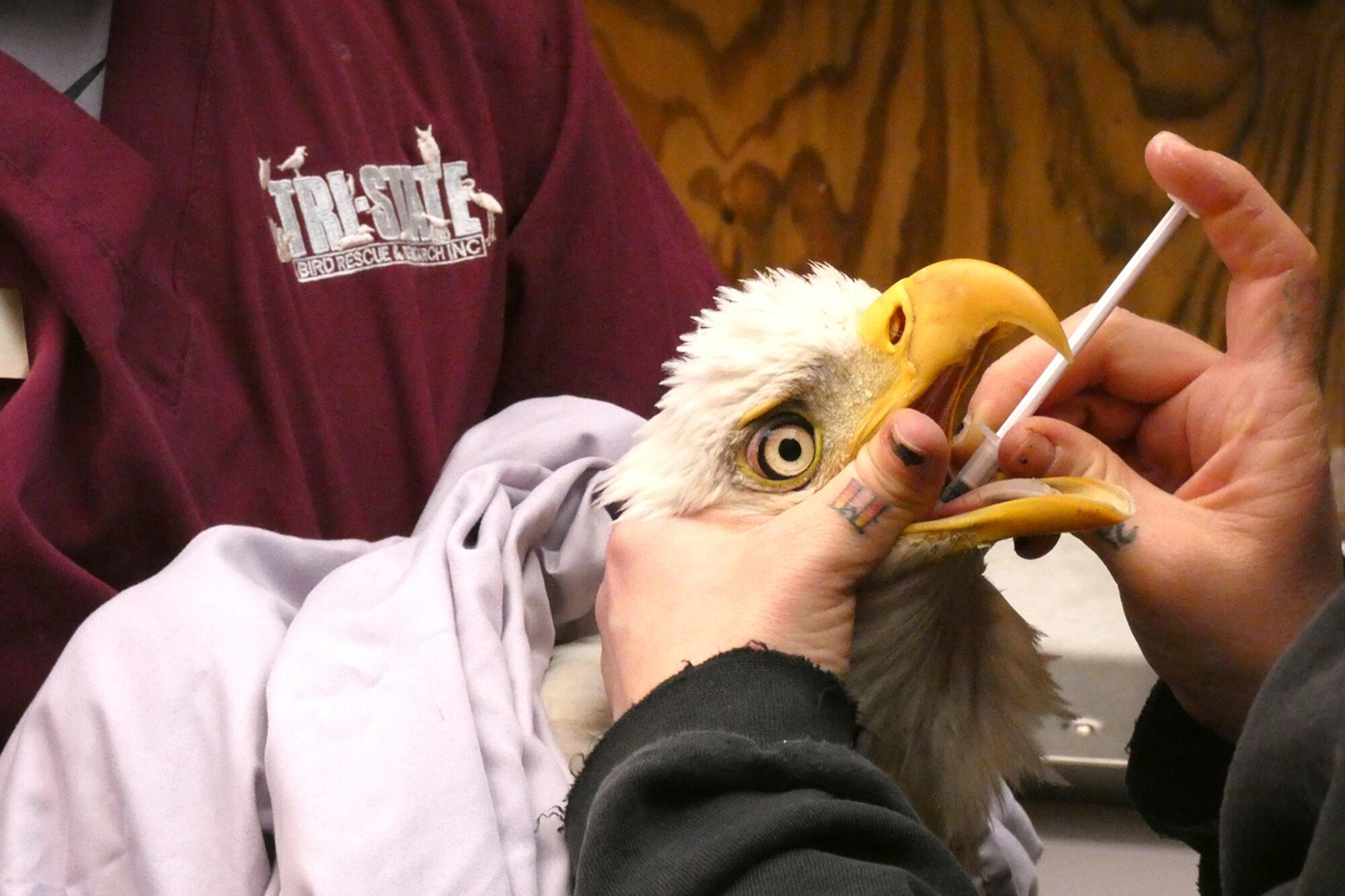
Researchers report harmful levels of toxic lead were found in the bones of 46% of bald eagles sampled in 38 states. Similar rates of lead exposure were found in golden eagles, according to their study Thursday in the journal Science.
As more and more states end mask mandates and ease other COVID restrictions, discussions about the endemic phase of the pandemic have been growing. For weeks, scientists have warned about how contagious the omicron variant is, but now it seems the tone has shifted and governors are rolling back policies they've had in place for months. Dr. Eric Feigl-Ding, epidemiologist and senior fellow at the Federation of American Scientists, joined Cheddar's Opening Bell to discuss what the next phase of the pandemic might look like, how to act now that mask mandates are ending, and if we should be worried about another variant emerging.
Swedish electric motorcycle maker Cake says its mission is to inspire society to adopt a zero-emission lifestyle. The company admits this is a lofty goal that covers a lot of ground - so it's starting with the world of urban mobility and last-mile deliveries. The company also has an agreement in place with NorthVolt to continually improve the environmental impact of batteries for electric vehicles. Stefan Ytterborn, Founder & CEO of Cake, joins Cheddar Climate to discuss.
One retailer and publicly-traded company says it is on a mission to inspire a new generation of consumers to think secondhand - first. thredUP is one of the world's largest resale platforms for women's and kids' apparel, shoes, and accessories. The company says it is changing the way consumers shop and ushering in a more sustainable future for the fashion industry. Anthony Marino, President of thredUP, joins Cheddar Climate to discuss.
German vaccine maker BioNTech unveiled plans Wednesday to establish manufacturing facilities in Africa that would boost the availability of much-needed medicines on the continent.
As we celebrate Black History Month, Cheddar is highlighting prominent Black Americans who are carving their own historic paths and trailblazing in their industries. Today we feature Dr. Kizzmekia Corbett.