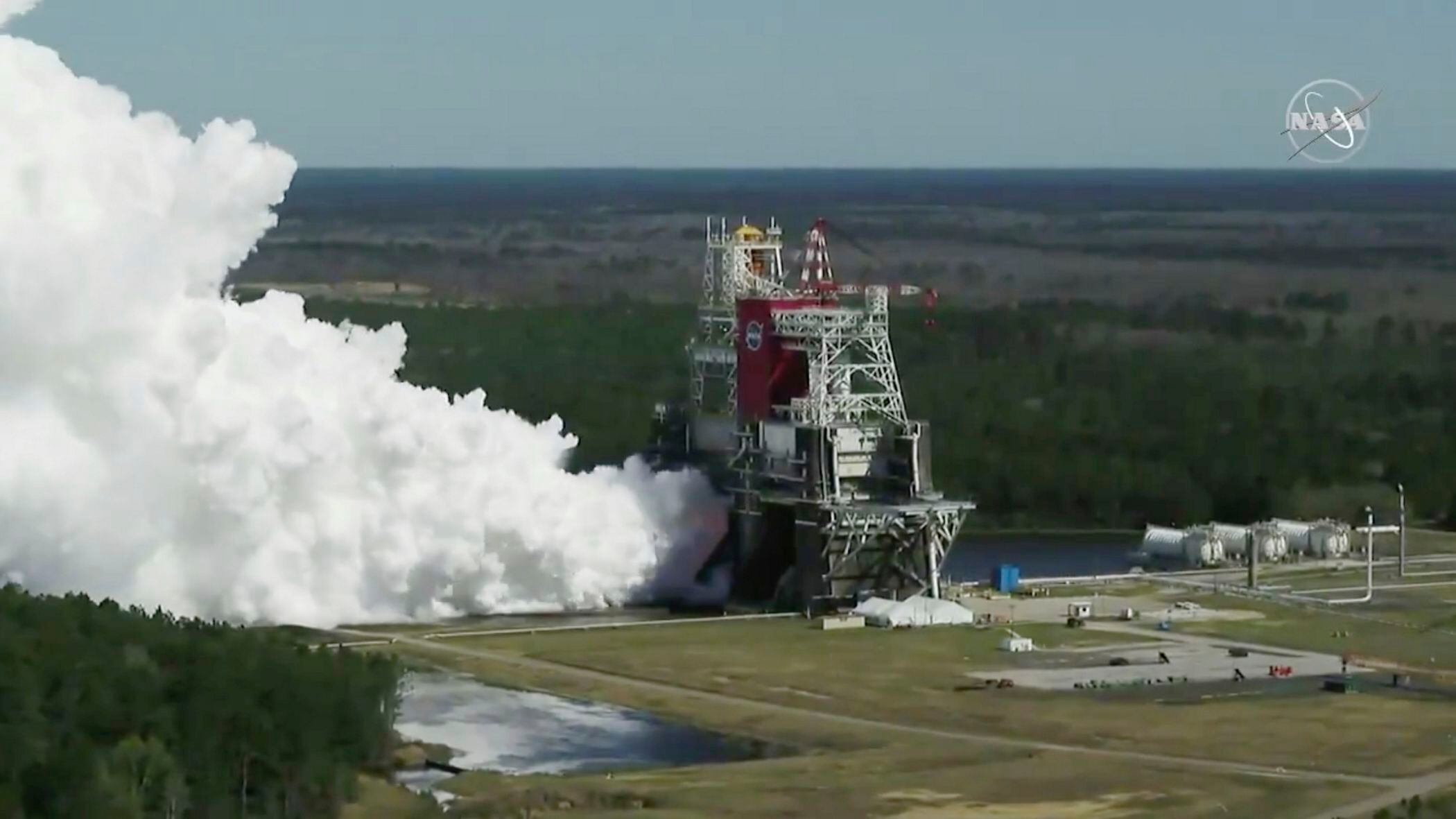
In this image from video made available by NASA, the core stage of the Space Launch System, NASA’s planned moon rocket, is tested at the Stennis Space Center near Bay St. Louis, Miss., on Thursday, Mar. 18, 2021. With this critical test finally finished, NASA now will send the rocket segment to Kennedy Space Center for launch preparations. (NASA via AP)
By Marcia Dunn
NASA completed an engine test firing of its moon rocket Thursday, after the first attempt in January ended prematurely.
This time, the four main engines of the rocket’s core stage remained ignited for the full eight minutes. Applause broke out in the control room at Mississippi's Stennis Space Flight Center once the engines shut down on the test stand.
NASA officials called it a major milestone in sending astronauts back to the moon, but declined to say when that might occur or even whether the first test flight without a crew would occur by year's end as planned.
John Honeycutt, NASA's program manager for the Space Launch System or SLS rocket, said everything seemed to go well in Thursday's test firing. “The core stage ... got an A-plus today,” he told reporters.
During the first test, the engines fired for just a minute, automatically cut short by strict test limits that were relaxed for the redo. Valve issues also had to be resolved prior to Thursday's countdown.
With this critical test finally finished — and assuming everything went well — NASA can now send the rocket segment to Florida's Kennedy Space Center to prepare it for launch.
Noting they're taking it one step at a time, officials declined to say whether this first SLS launch will occur by year's end as had been planned or will bump into 2022. The SLS rocket will send an empty Orion capsule to the moon and back.
The four engines tested Thursday actually flew into orbit on NASA's space shuttles and were upgraded for the more powerful SLS system. The orange core stage is reminiscent of the shuttle's external fuel tank, which held the liquid hydrogen and oxygen that fed the main engines.
Boeing built the core stage, which stands 212 feet (65 meters.)
The Trump administration had pressed for a moon landing by astronauts by 2024, a deadline increasingly difficult if not impossible to achieve at this point. The current White House has yet to issue a revised timeline.
NASA Acting Administrator Steve Jurczyk said the space agency is conducting an internal study to determine a schedule for the astronaut moon landings — “what we can optimally do” based on budgets. The review will take a few months, he noted.
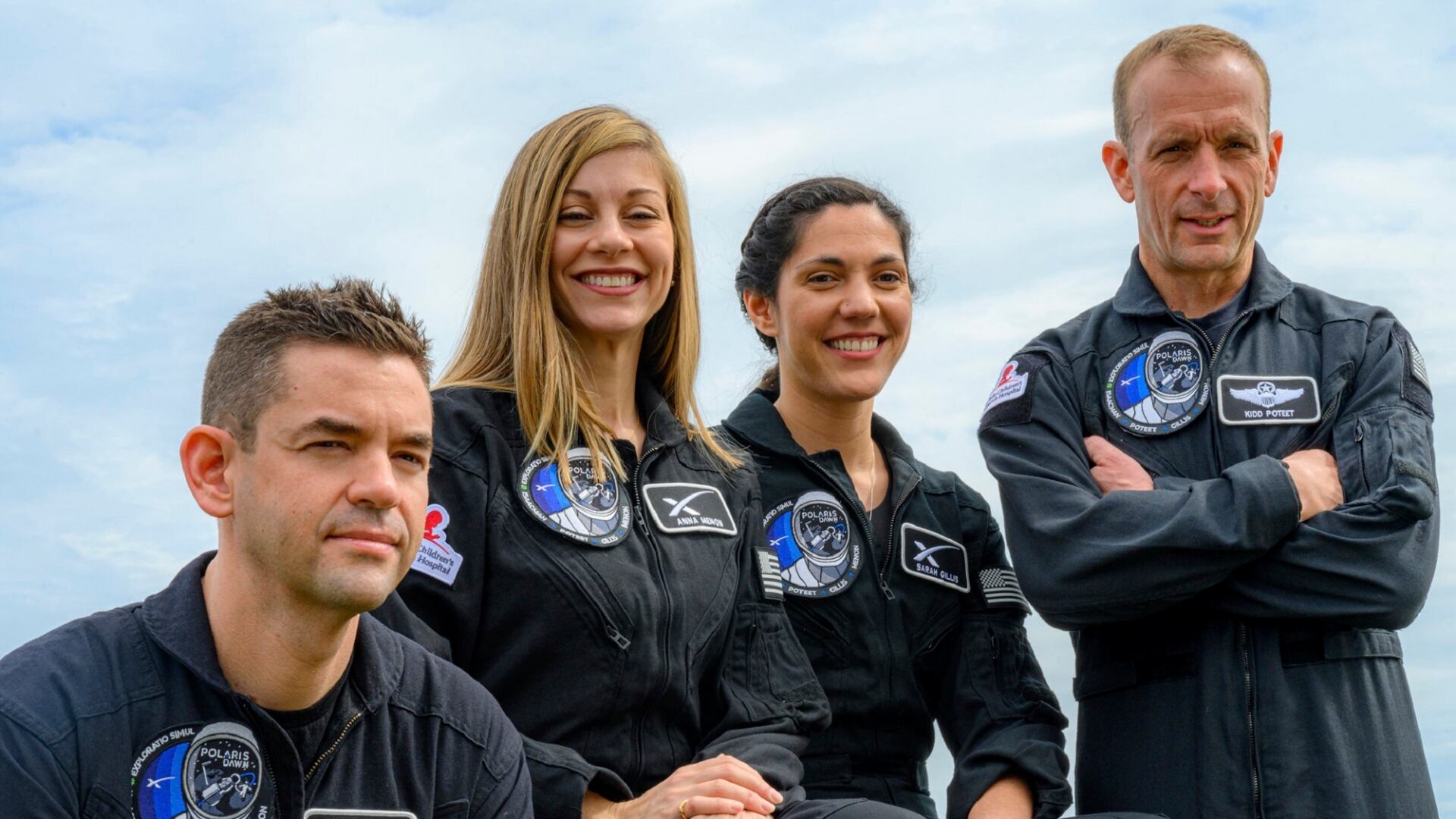
Space travel is growing rapidly, and one billionaire businessman has purchased three SpaceX flights in order to push the industry forward. The Polaris Dawn, the first of three flights, will launch later this year, and its crew will conduct the first commercial spacewalk after they've reached the highest orbit in over 50 years. Jared Isaacman, Polaris Program Mission Commander and Founder & CEO of Shift4, joins Closing Bell to discuss the Polaris program's mission, when the first launch will happen and what it will entail, balancing his business with space exploration efforts, charitable efforts with St. Jude Children's Research Hospital, and more.
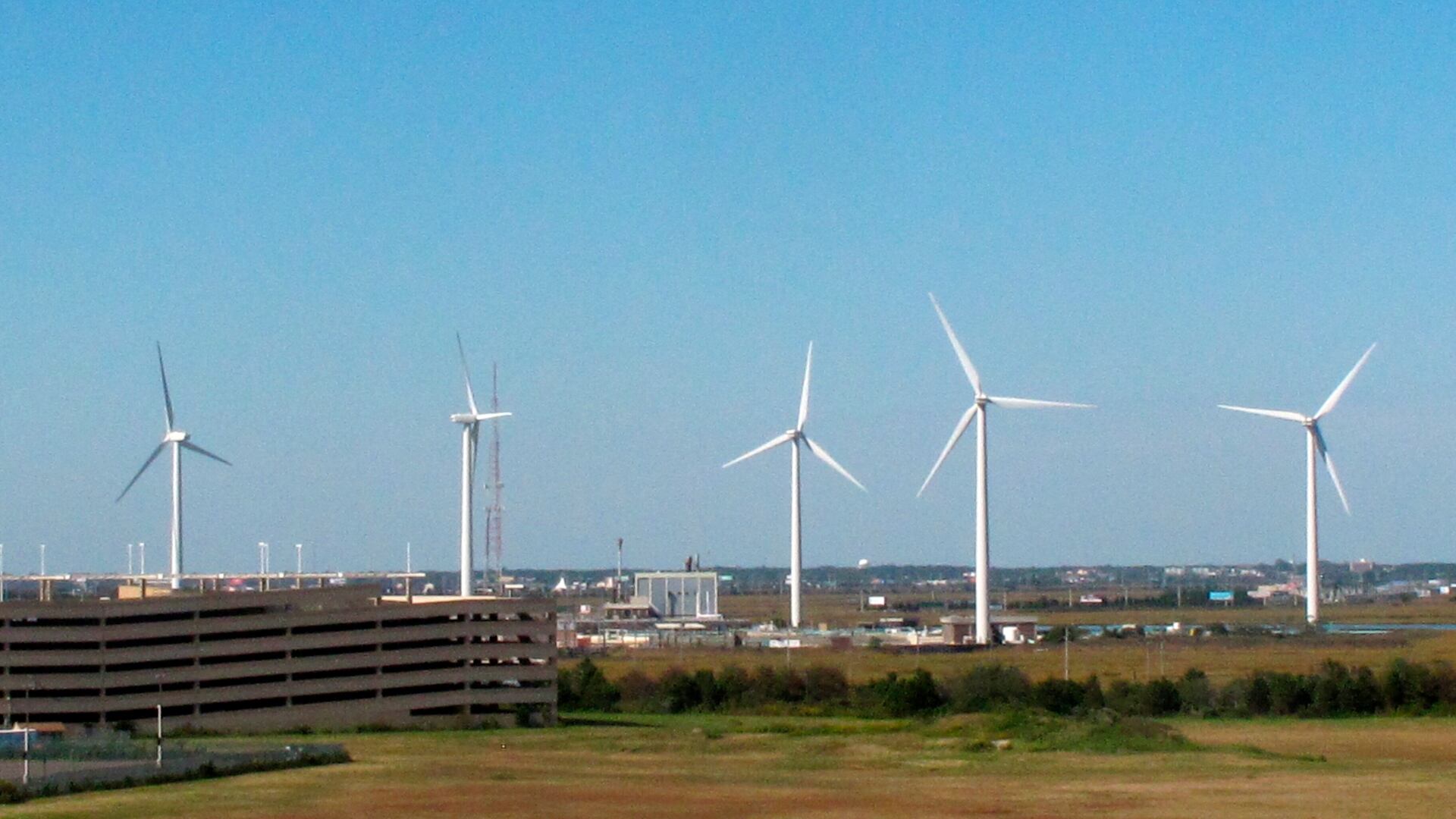
The most recent quarterly report from American Clean Power reveals the U.S. surpassed more than 200 gigawatts of total operating utility-scale clean power capacity in 2021. While it is a great milestone, significant policy issues have continued to slow growth for the industry and threaten our country's ability to meet emissions goals. John Hensley, VP for Research and Analytics at American Clean Power, joined Cheddar News to discuss more.
Cann, a cannabis-infused beverage company, announced today a $27 million Series A funding round from existing investors like Imaginary Ventures and a roster of new celebrity investors including Nina Dobrev, Adam Devine, Zoey Deutch, Jordan Cooper, Sara Foster, and Rosario Dawson. Cann is also announcing its first international expansion with the brand's launch in Canada. Jake Bullock, co-founder and CEO of Cann, joins Cheddar News' Closing Bell to discuss.
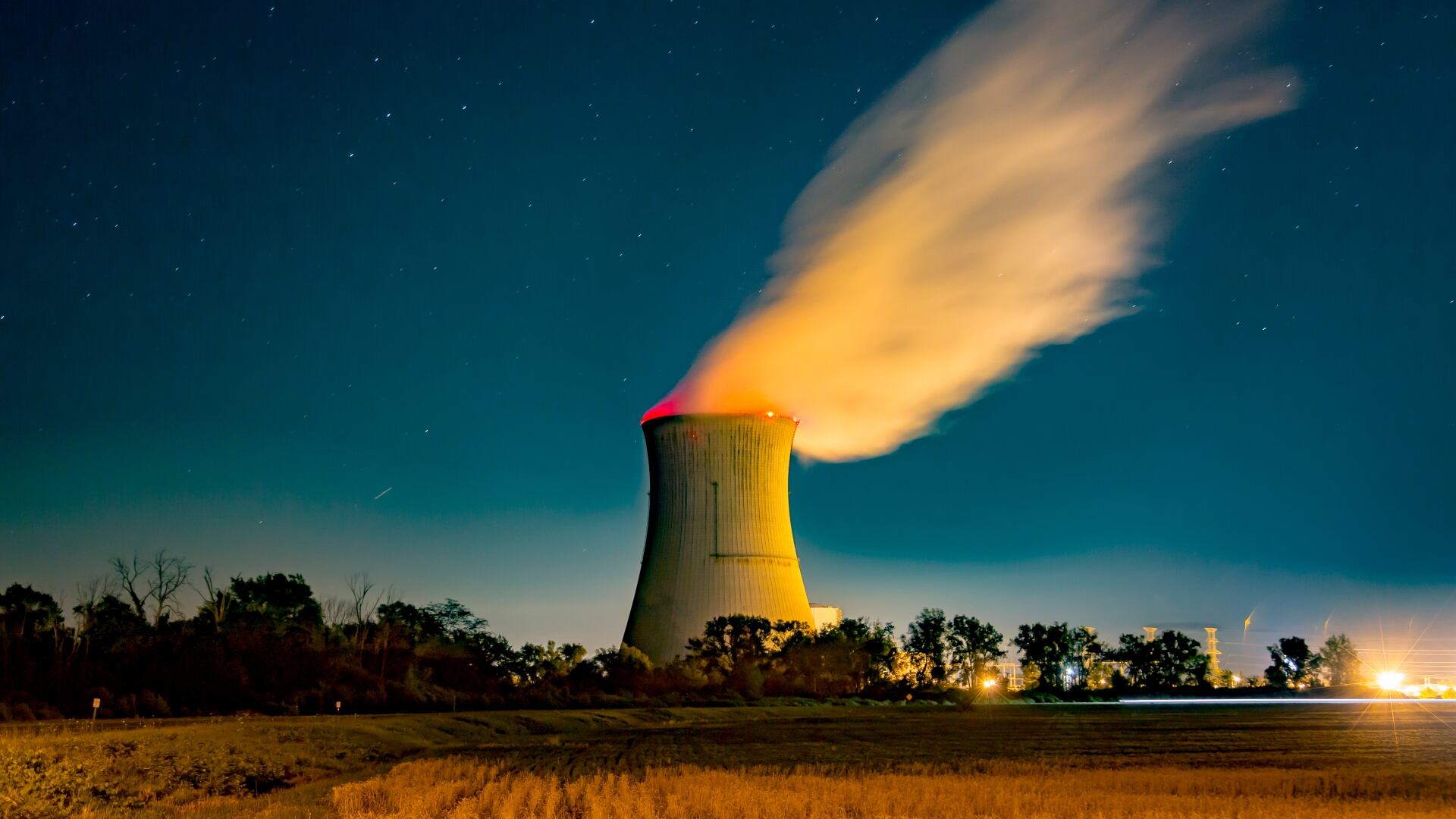
By 2050, nuclear power share of total energy consumption will dip to just 3.7% down from the already measly 4.5% it is today, according to the U. S. Energy Information Administration. However, a group of world powers including the U.S. and Japan is looking to reverse the trend. John Kotek, SVP of Policy Development and Public Affairs at the Nuclear Energy Institute, joined Cheddar News to discuss.
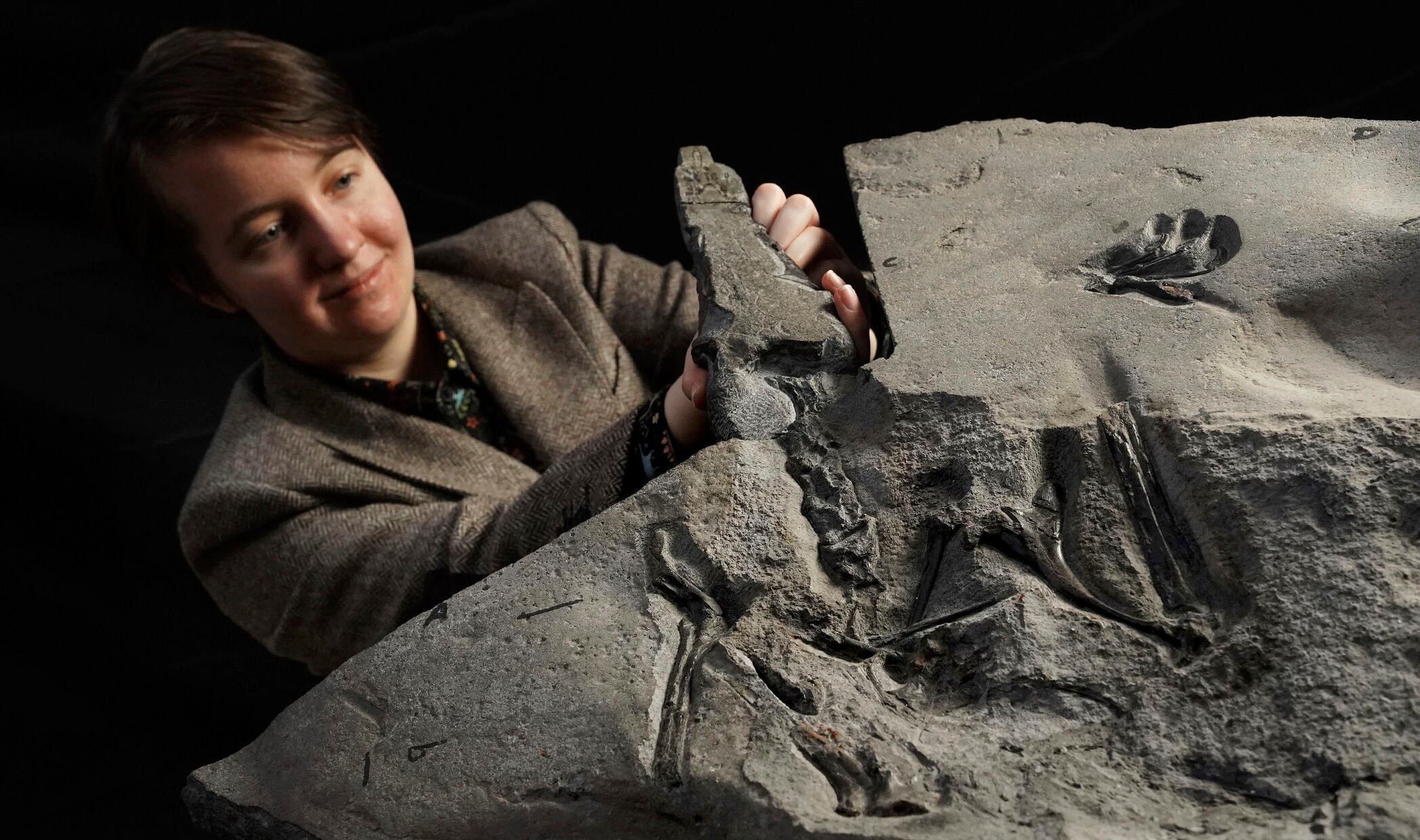
Scientists say the fossil of a 170-million-year-old pterosaur, billed as the world’s best-preserved skeleton of the prehistoric winged reptile, has been found on the Isle of Skye in Scotland.
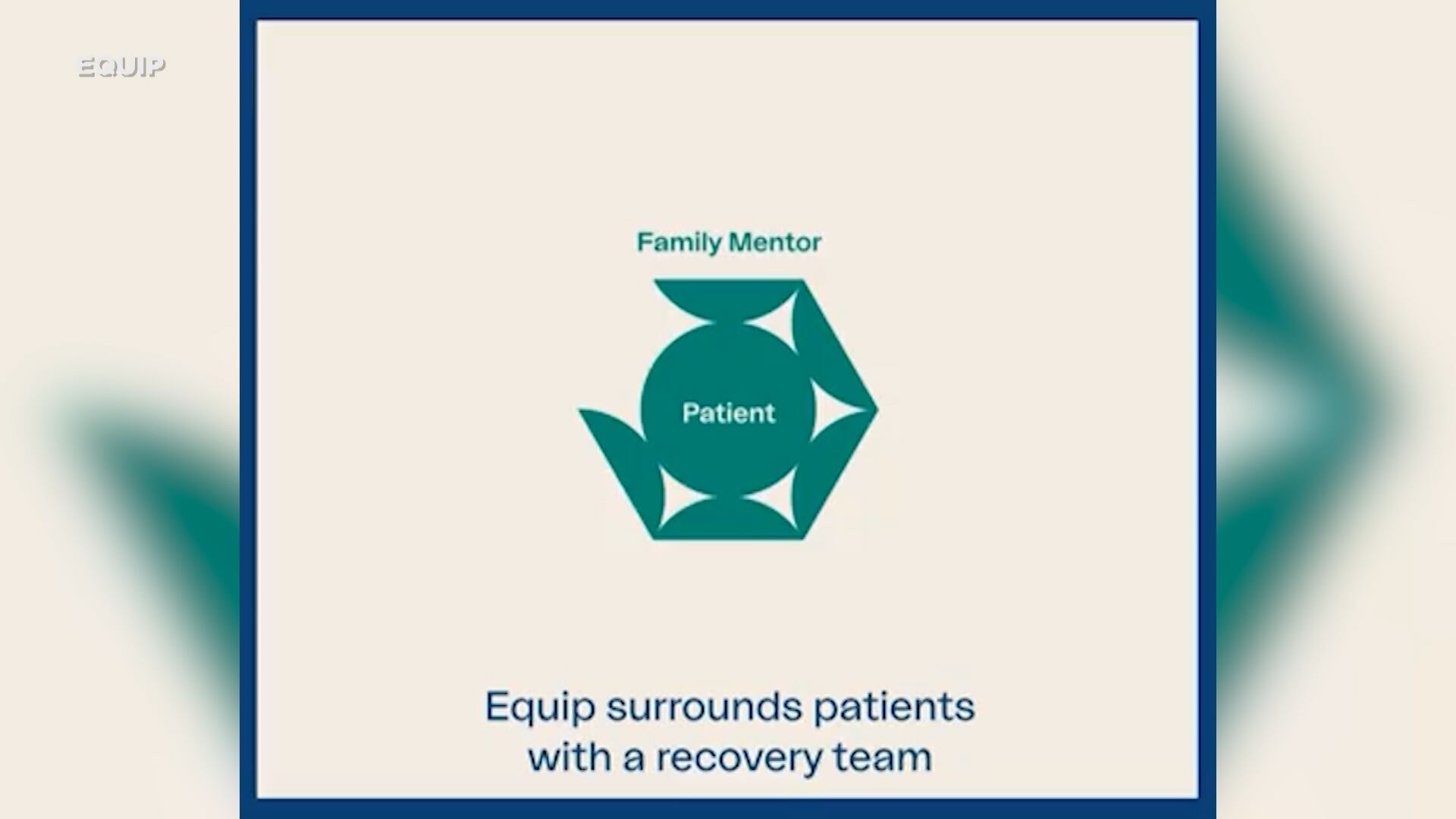
Equip is a virtual treatment platform for eating disorders, and recently raised $58 million in a Series B round led by The Chernin Group. The company aims to revolutionize treatment for eating disorders by delivering virtual care teams and clinical expertise directly to families' homes. Equip says the need for its platform has only been exacerbated by the COVID-19 pandemic. The National Eating Disorder Association's helpline has had a 107% increase in contacts since the start of the pandemic. Kristina Saffran, CEO and co-founder of Equip, joins Cheddar News' Closing Bell to discuss.
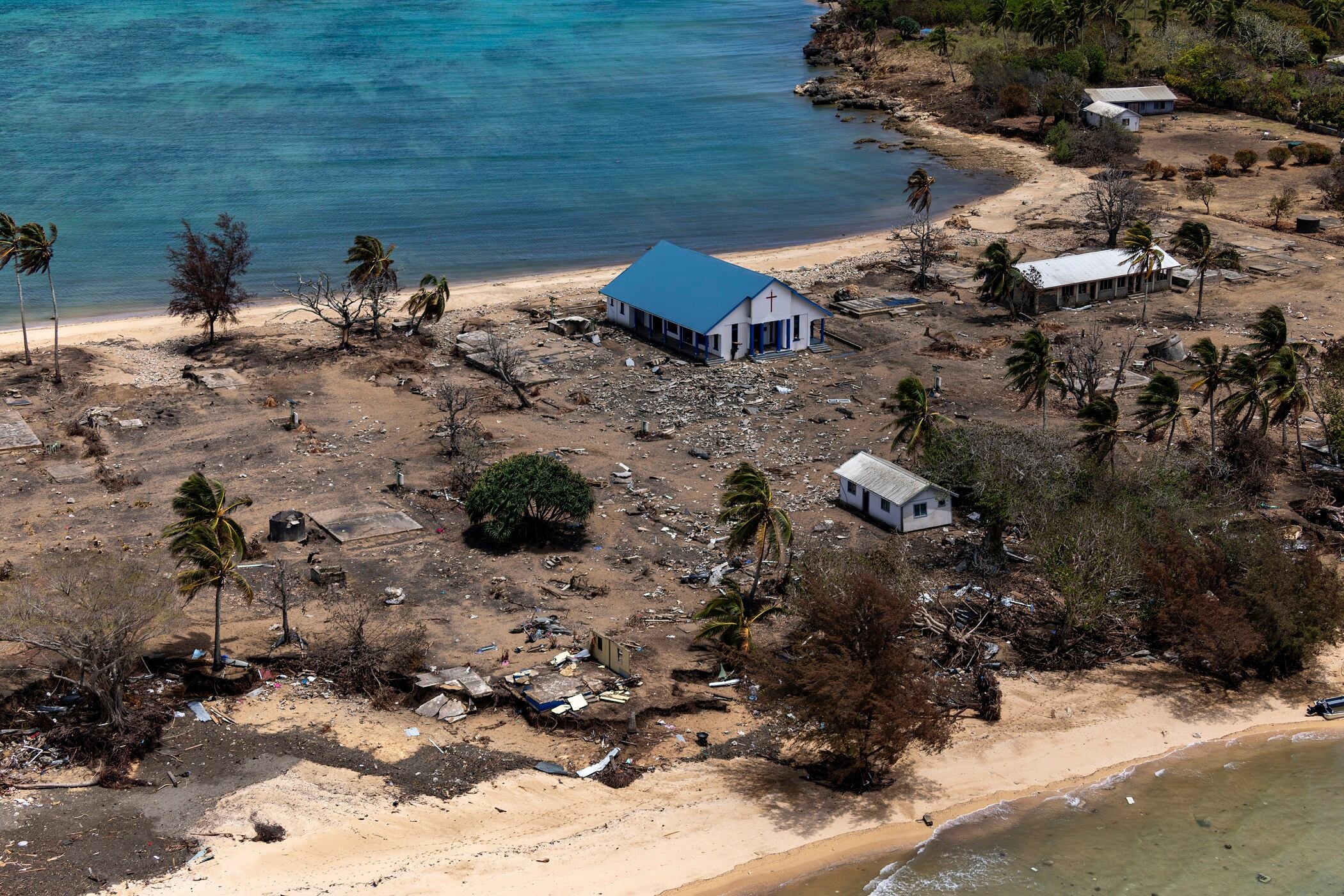
Tonga's main internet connection to the rest of the world has finally been restored more than five weeks after a huge volcanic eruption and tsunami severed a crucial undersea cable.
Hank the Tank strikes again. The 500-pound black bear that has damaged more than 30 properties around Lake Tahoe last week broke into yet another home in its endless quest for a quick meal.