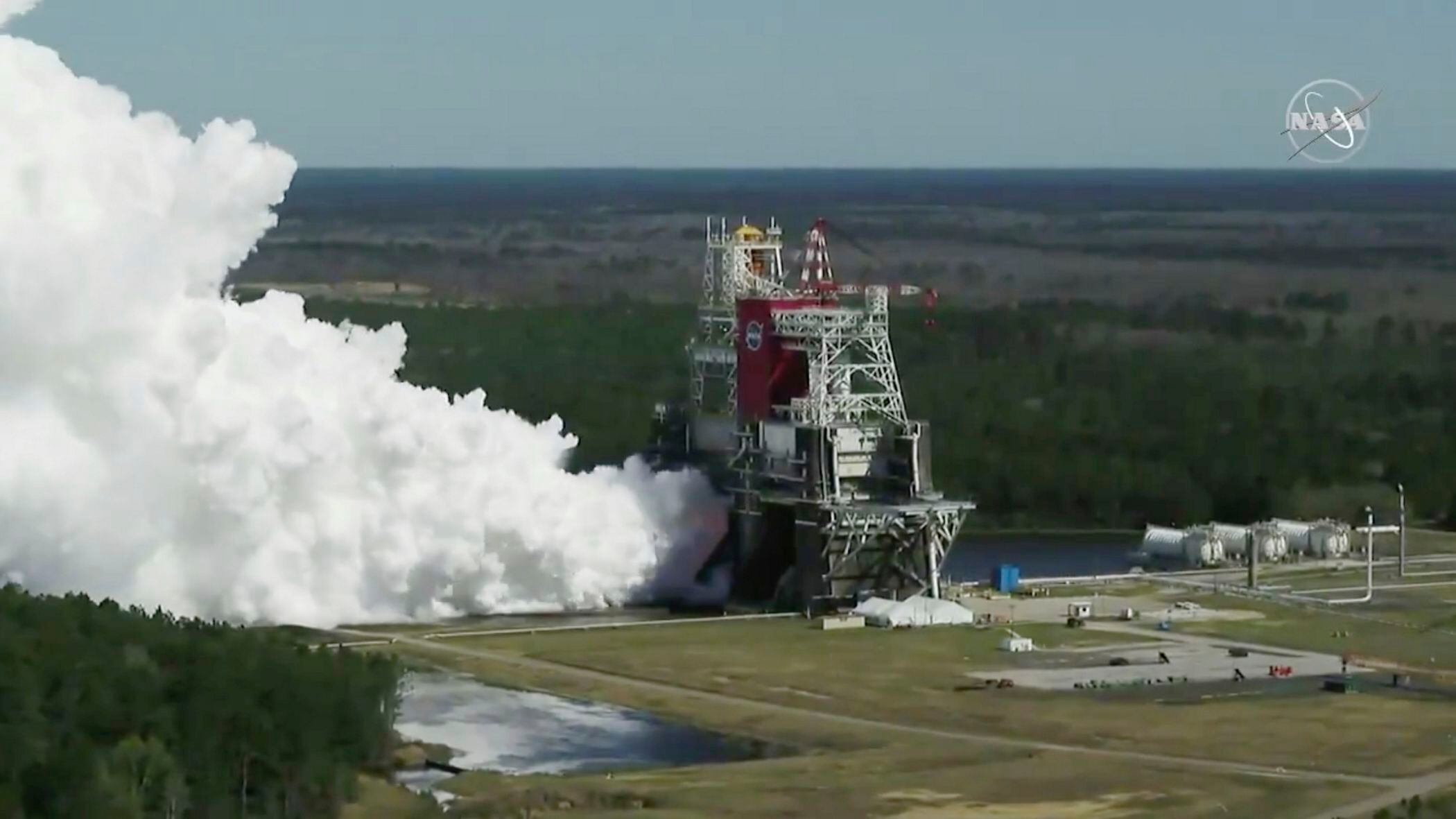
In this image from video made available by NASA, the core stage of the Space Launch System, NASA’s planned moon rocket, is tested at the Stennis Space Center near Bay St. Louis, Miss., on Thursday, Mar. 18, 2021. With this critical test finally finished, NASA now will send the rocket segment to Kennedy Space Center for launch preparations. (NASA via AP)
By Marcia Dunn
NASA completed an engine test firing of its moon rocket Thursday, after the first attempt in January ended prematurely.
This time, the four main engines of the rocket’s core stage remained ignited for the full eight minutes. Applause broke out in the control room at Mississippi's Stennis Space Flight Center once the engines shut down on the test stand.
NASA officials called it a major milestone in sending astronauts back to the moon, but declined to say when that might occur or even whether the first test flight without a crew would occur by year's end as planned.
John Honeycutt, NASA's program manager for the Space Launch System or SLS rocket, said everything seemed to go well in Thursday's test firing. “The core stage ... got an A-plus today,” he told reporters.
During the first test, the engines fired for just a minute, automatically cut short by strict test limits that were relaxed for the redo. Valve issues also had to be resolved prior to Thursday's countdown.
With this critical test finally finished — and assuming everything went well — NASA can now send the rocket segment to Florida's Kennedy Space Center to prepare it for launch.
Noting they're taking it one step at a time, officials declined to say whether this first SLS launch will occur by year's end as had been planned or will bump into 2022. The SLS rocket will send an empty Orion capsule to the moon and back.
The four engines tested Thursday actually flew into orbit on NASA's space shuttles and were upgraded for the more powerful SLS system. The orange core stage is reminiscent of the shuttle's external fuel tank, which held the liquid hydrogen and oxygen that fed the main engines.
Boeing built the core stage, which stands 212 feet (65 meters.)
The Trump administration had pressed for a moon landing by astronauts by 2024, a deadline increasingly difficult if not impossible to achieve at this point. The current White House has yet to issue a revised timeline.
NASA Acting Administrator Steve Jurczyk said the space agency is conducting an internal study to determine a schedule for the astronaut moon landings — “what we can optimally do” based on budgets. The review will take a few months, he noted.
The 2022 County Health Rankings largely found that the pandemic worsened the burdens faced by women, people of color, and in low income brackets. Cheddar News speaks with Sheri Johnson, co-director of County Health Rankings and Roadmaps who breaks down the details.
With National Infertility Awareness Week underway, the fertility and family-building benefits provider for employers, Kindbody, is looking to make a full suite of treatments and care accessible — including for LGBTQ+ patients. Founder and chairwoman Gina Bartasi joined Cheddar's Opening Bell to talk about the importance of infertility awareness, what role employers play in offering benefits, and how to remove the stigma around the fertility conversation. "We have to talk about the patient holistically, not just fertility services, but what can we do from a mental health standpoint to support patients," she said. "Most patients talk about fertility being more stressful than divorce, infertility being more prevalent than cancer or diabetes. So it is our mission, remains our mission, to elevate awareness around infertility, not just [during] National Infertility Awareness Week."
New York City’s geography makes it particularly at risk to the impacts of climate change - like rising seas and subsequent flooding. The city has already experienced the effects of increasingly severe weather. In response, the city is building a plan to protect itself, from flood walls, to levees, to redesigning its coast.
With mask mandates lifted across various parts of the country, healthy indoor air quality in public spaces is more crucial than ever before. According to the CDC, proper ventilation, in addition to other preventative measures, is instrumental to preventing the rapid spread of covid-19 indoors. As the push for higher air quality ramps up, AtmosAir is providing a high-tech solution for cleaner, greener air indoors. Steve Levine, CEO, AtmosAir, joined Cheddar’s Opening Bell to discuss.
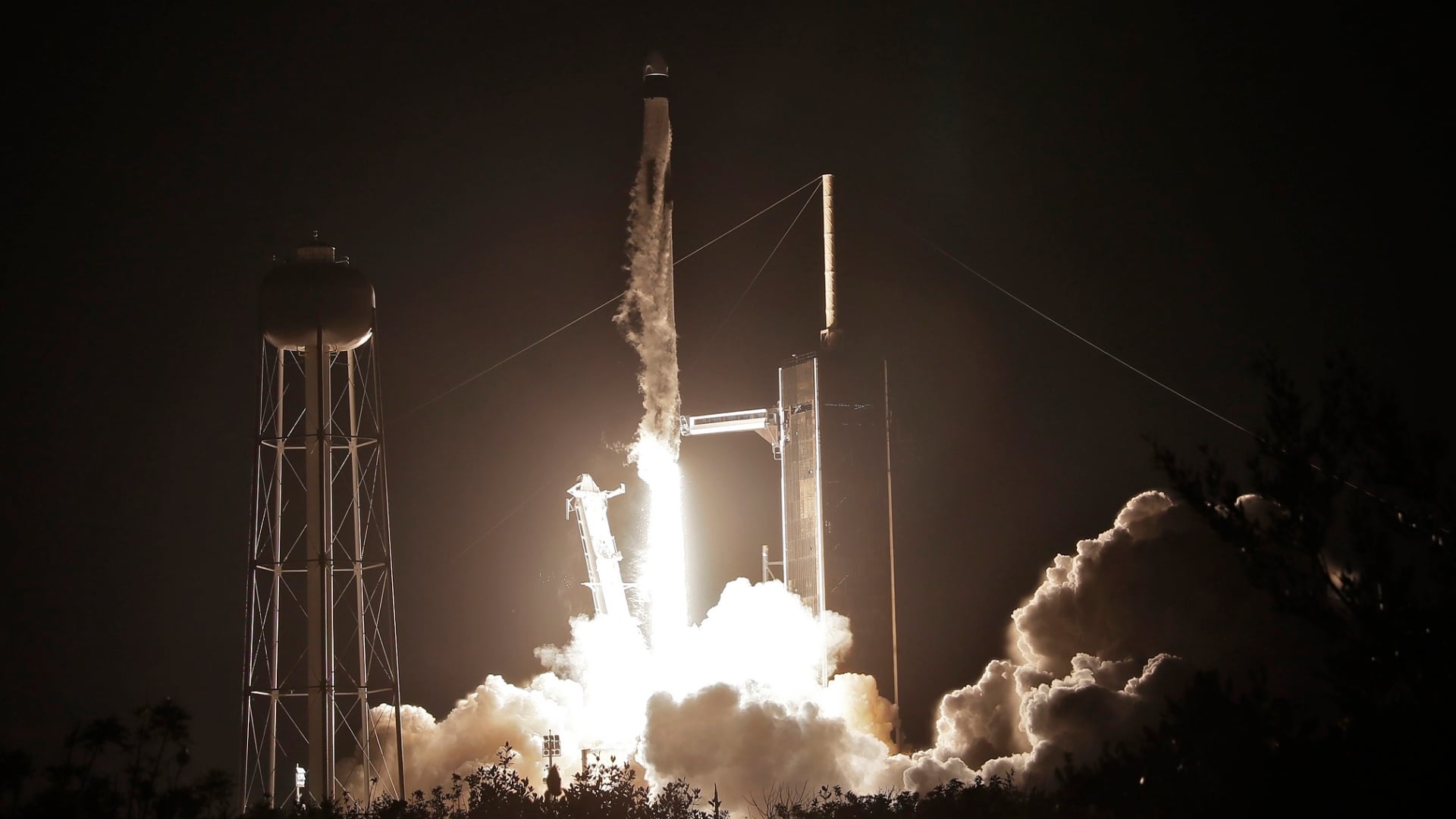
Catching you up on what you need to know on April 27, 2022, with Tesla stocks absorbing an initial hit following Elon Musk's purchase of Twitter, Russia pausing its natural gas supplies to Poland and Bulgaria, NASA's SpaceX Crew-4 mission taking off, and more.
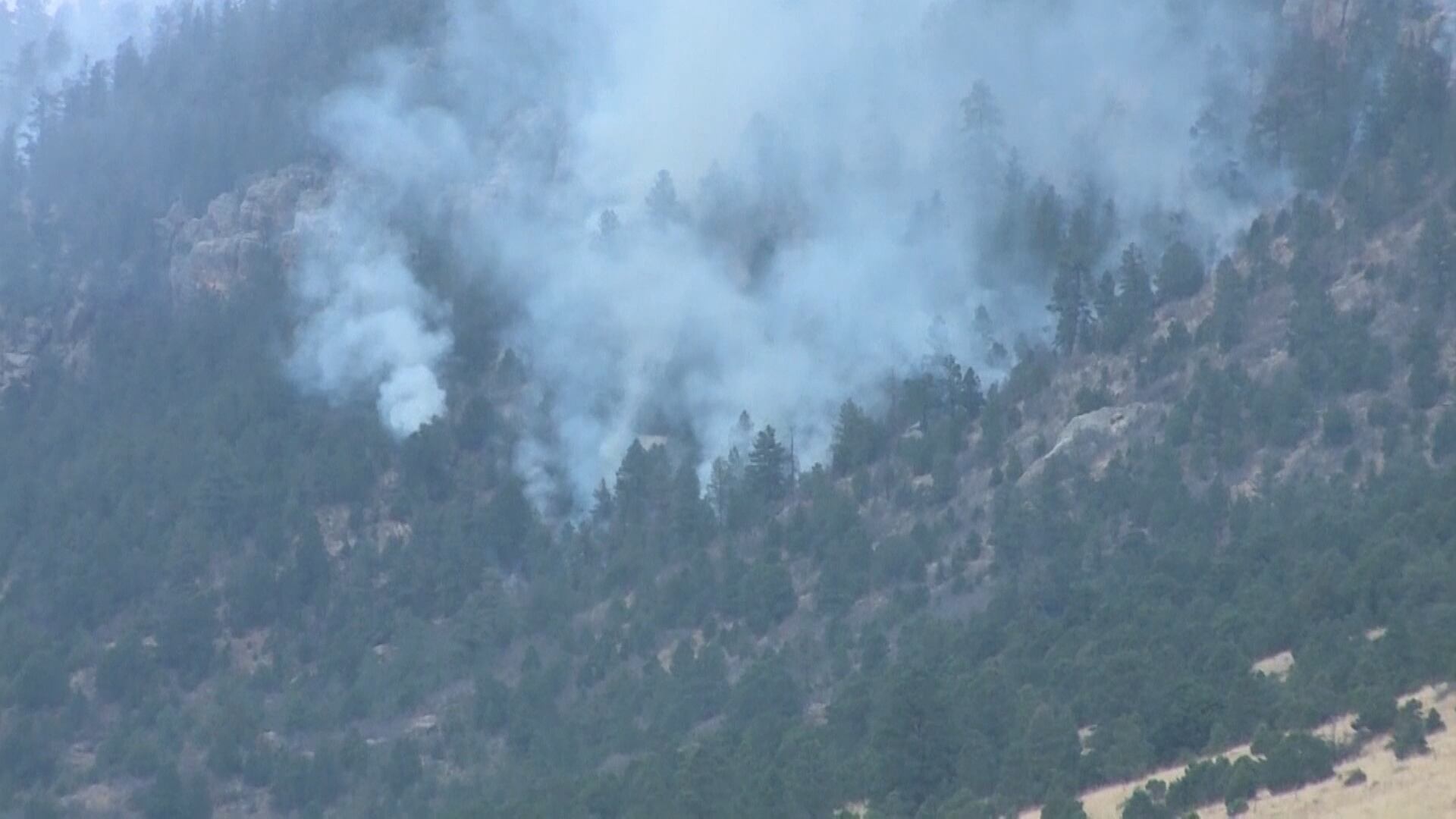
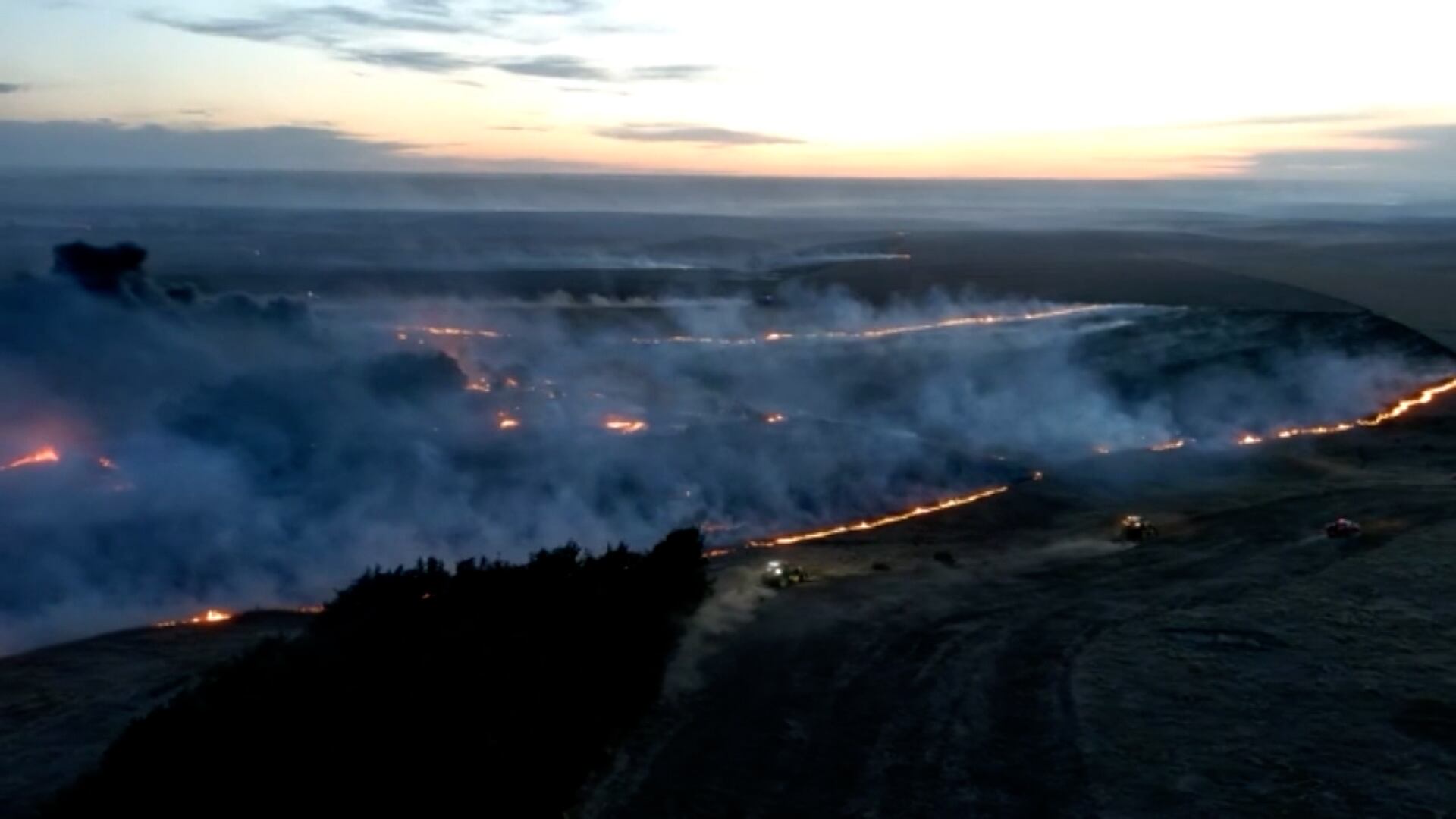
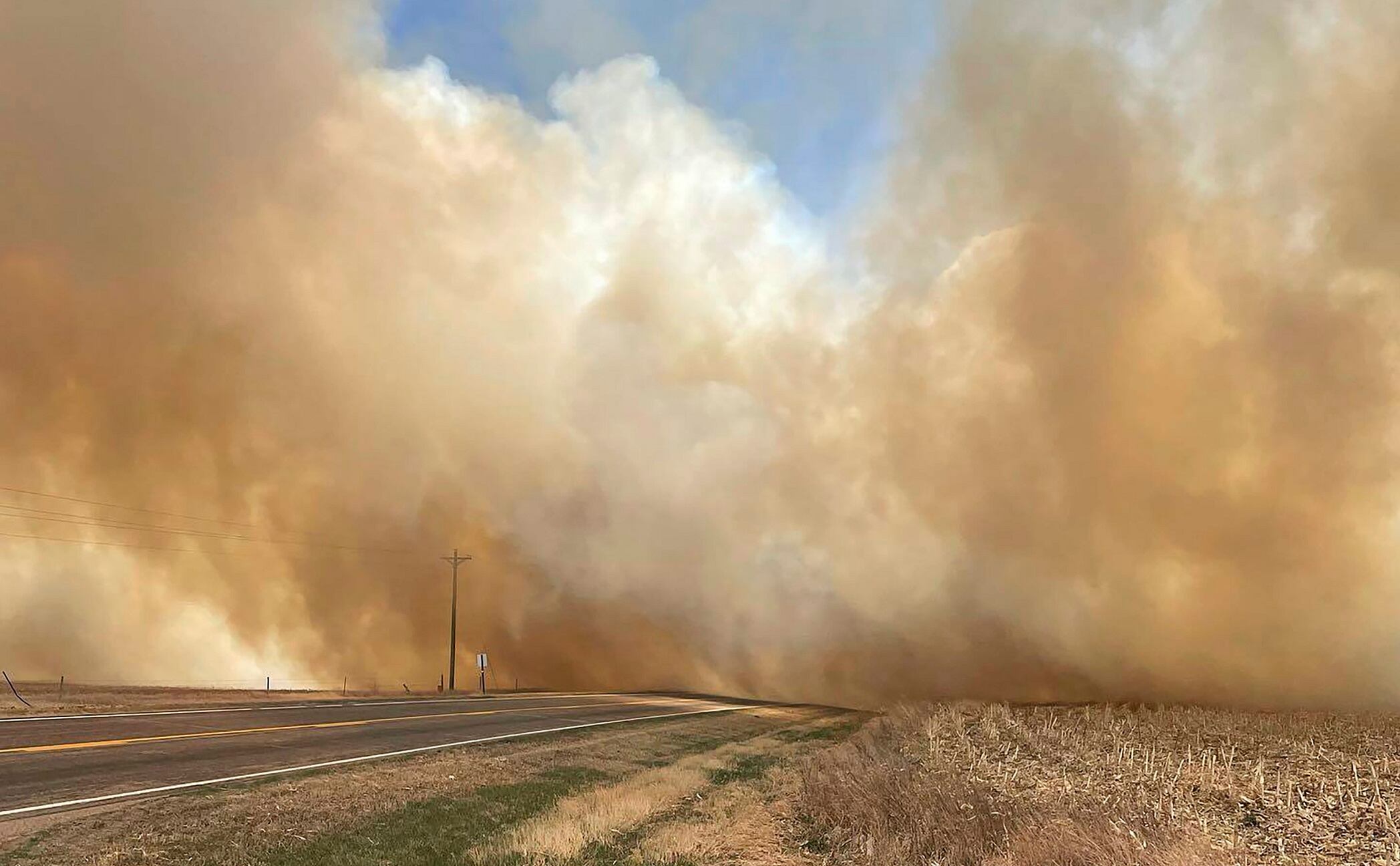
New Mexico is under a state of emergency after flames scorched across 84 square miles. Strong winds fueled 20 wildfires, destroying hundreds of buildings in the state this weekend. New Mexico is just one of several states across the southwest facing severe wildfires. James McMullen, retired California state fire marshal and forensic fire expert, joins Cheddar News to discuss.
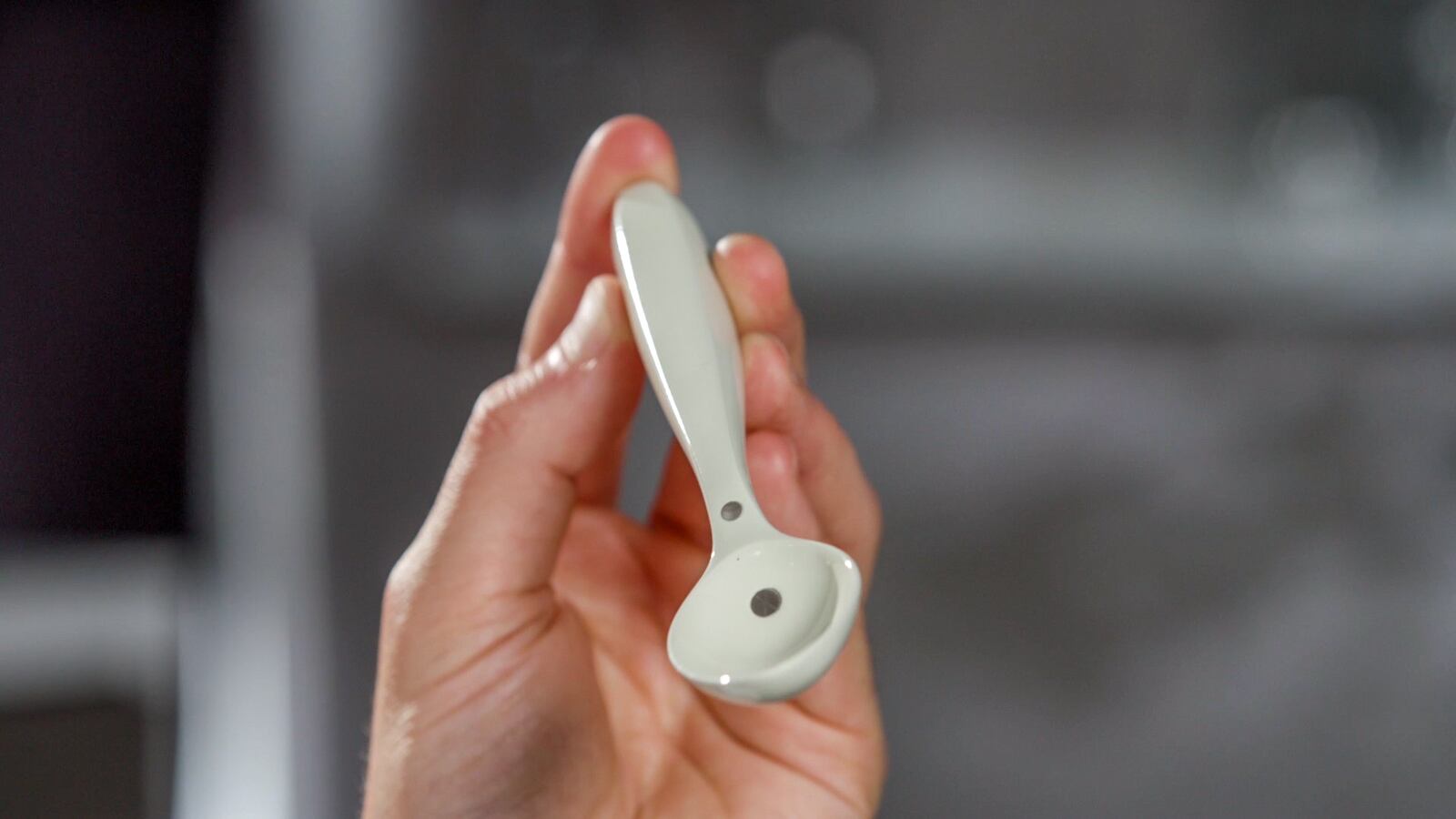
SpoonTEK is an eating utensil that uses new technology to enhance flavors. Co-founders Ken and Cameron Davidov join Cheddar News to explain how the high-tech silverware can not only boost taste but also the health of its user.
Tim Brown, research professor at Desert Research Institute and director at the Western Regional Climate Center, joins Cheddar News to discuss the environmental impact of recent wildfires.
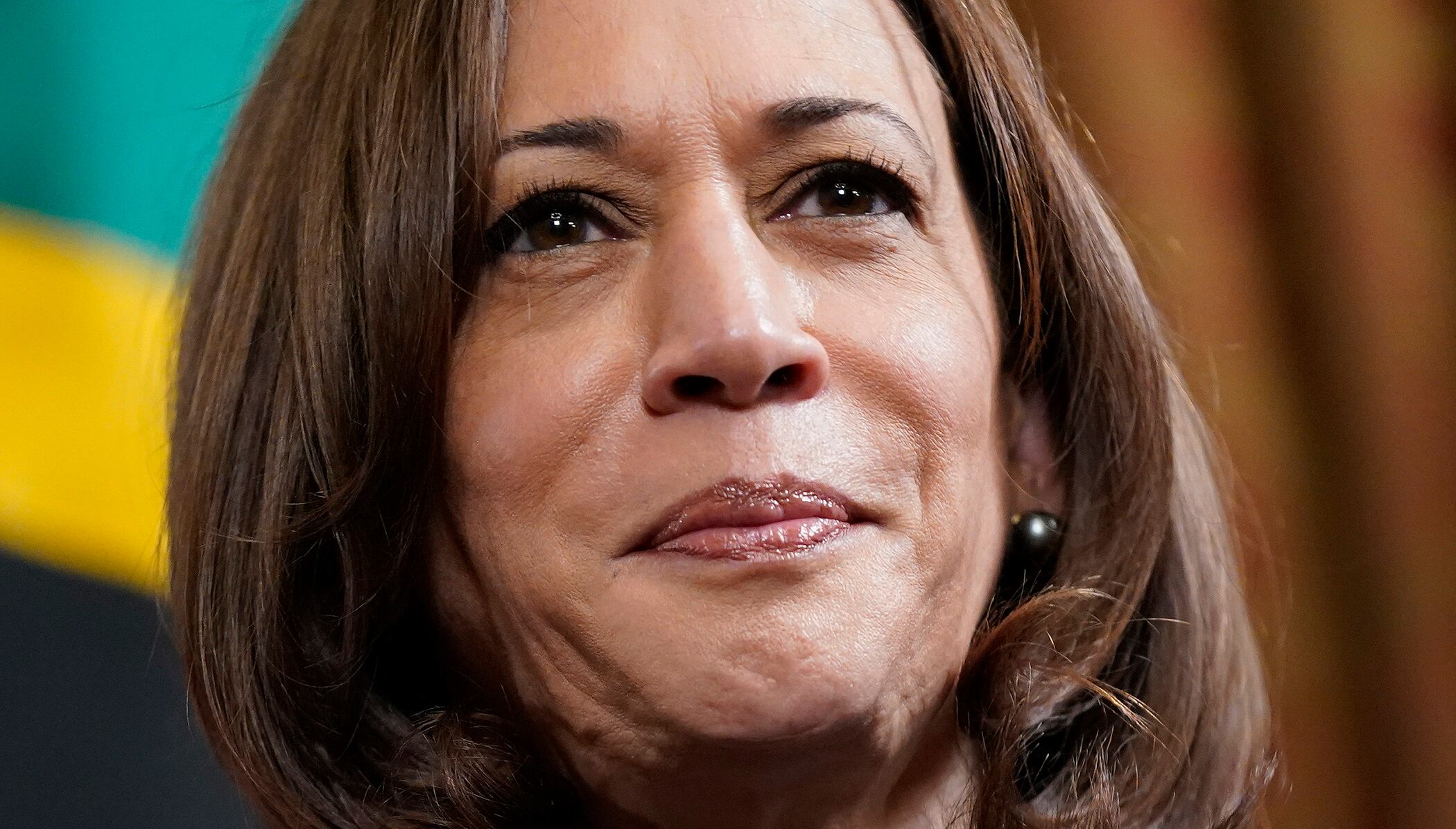
Vice President Kamala Harris tested positive for COVID-19 on Tuesday, the White House announced. That's underscoring the persistence of the highly contagious virus even as the U.S. eases restrictions in a bid to revert to pre-pandemic normalcy.