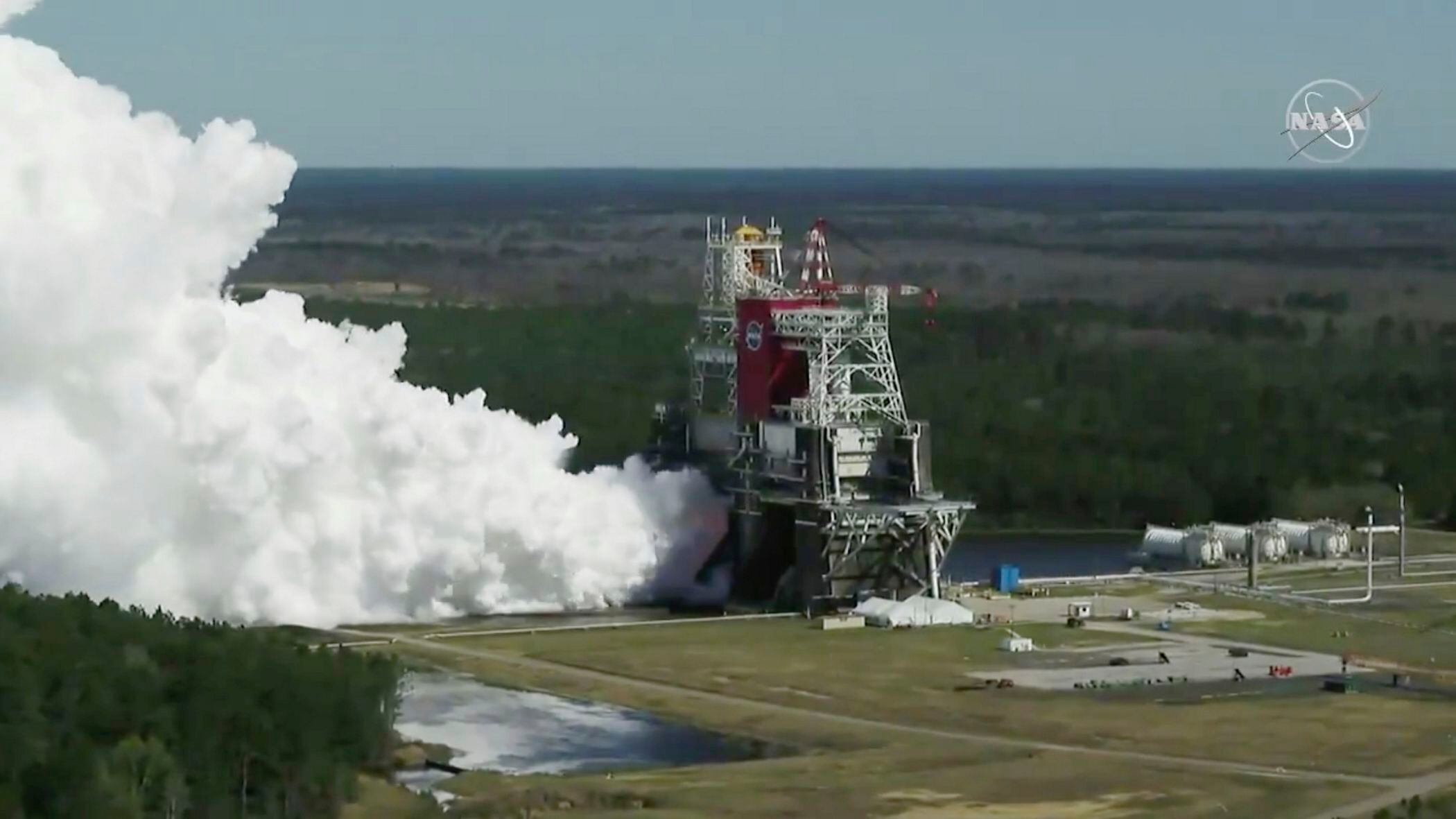
In this image from video made available by NASA, the core stage of the Space Launch System, NASA’s planned moon rocket, is tested at the Stennis Space Center near Bay St. Louis, Miss., on Thursday, Mar. 18, 2021. With this critical test finally finished, NASA now will send the rocket segment to Kennedy Space Center for launch preparations. (NASA via AP)
By Marcia Dunn
NASA completed an engine test firing of its moon rocket Thursday, after the first attempt in January ended prematurely.
This time, the four main engines of the rocket’s core stage remained ignited for the full eight minutes. Applause broke out in the control room at Mississippi's Stennis Space Flight Center once the engines shut down on the test stand.
NASA officials called it a major milestone in sending astronauts back to the moon, but declined to say when that might occur or even whether the first test flight without a crew would occur by year's end as planned.
John Honeycutt, NASA's program manager for the Space Launch System or SLS rocket, said everything seemed to go well in Thursday's test firing. “The core stage ... got an A-plus today,” he told reporters.
During the first test, the engines fired for just a minute, automatically cut short by strict test limits that were relaxed for the redo. Valve issues also had to be resolved prior to Thursday's countdown.
With this critical test finally finished — and assuming everything went well — NASA can now send the rocket segment to Florida's Kennedy Space Center to prepare it for launch.
Noting they're taking it one step at a time, officials declined to say whether this first SLS launch will occur by year's end as had been planned or will bump into 2022. The SLS rocket will send an empty Orion capsule to the moon and back.
The four engines tested Thursday actually flew into orbit on NASA's space shuttles and were upgraded for the more powerful SLS system. The orange core stage is reminiscent of the shuttle's external fuel tank, which held the liquid hydrogen and oxygen that fed the main engines.
Boeing built the core stage, which stands 212 feet (65 meters.)
The Trump administration had pressed for a moon landing by astronauts by 2024, a deadline increasingly difficult if not impossible to achieve at this point. The current White House has yet to issue a revised timeline.
NASA Acting Administrator Steve Jurczyk said the space agency is conducting an internal study to determine a schedule for the astronaut moon landings — “what we can optimally do” based on budgets. The review will take a few months, he noted.
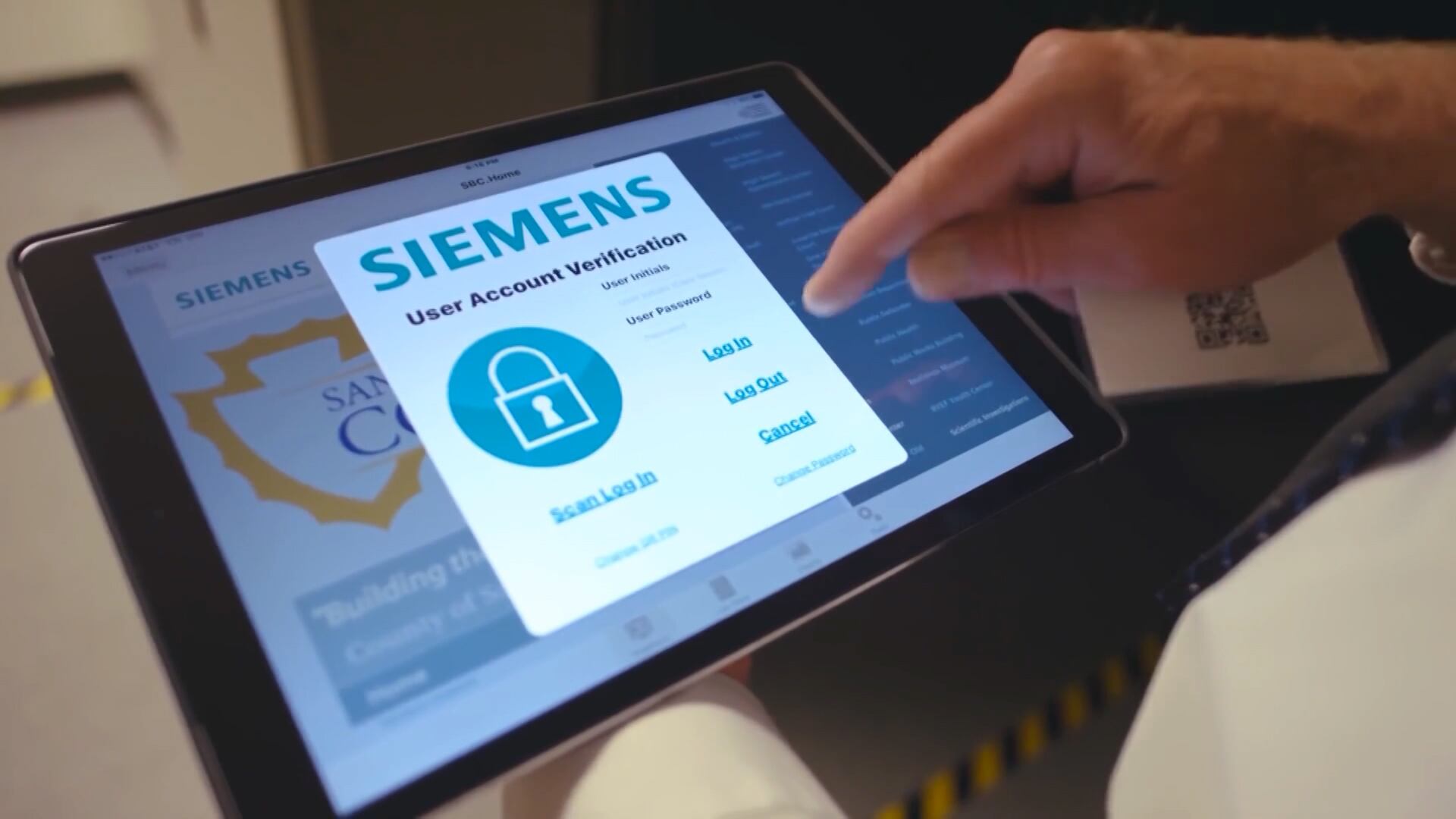
The United Nations COP26 climate talks are scheduled for October 31 to November 12 in Glasgow, Scotland. Heads of state will be joined by private sector leaders to once again discuss the shrinking window of time left to take action against global temperature rise. Barbara Humpton, CEO of focused technology company Siemens U.S., is also attending and spoke to Cheddar about what she hopes to see during the conference for both the public and private spheres. "What we are really urging is that there are large commitments made in Glasgow and that we really commit to this next decade of action," she said.
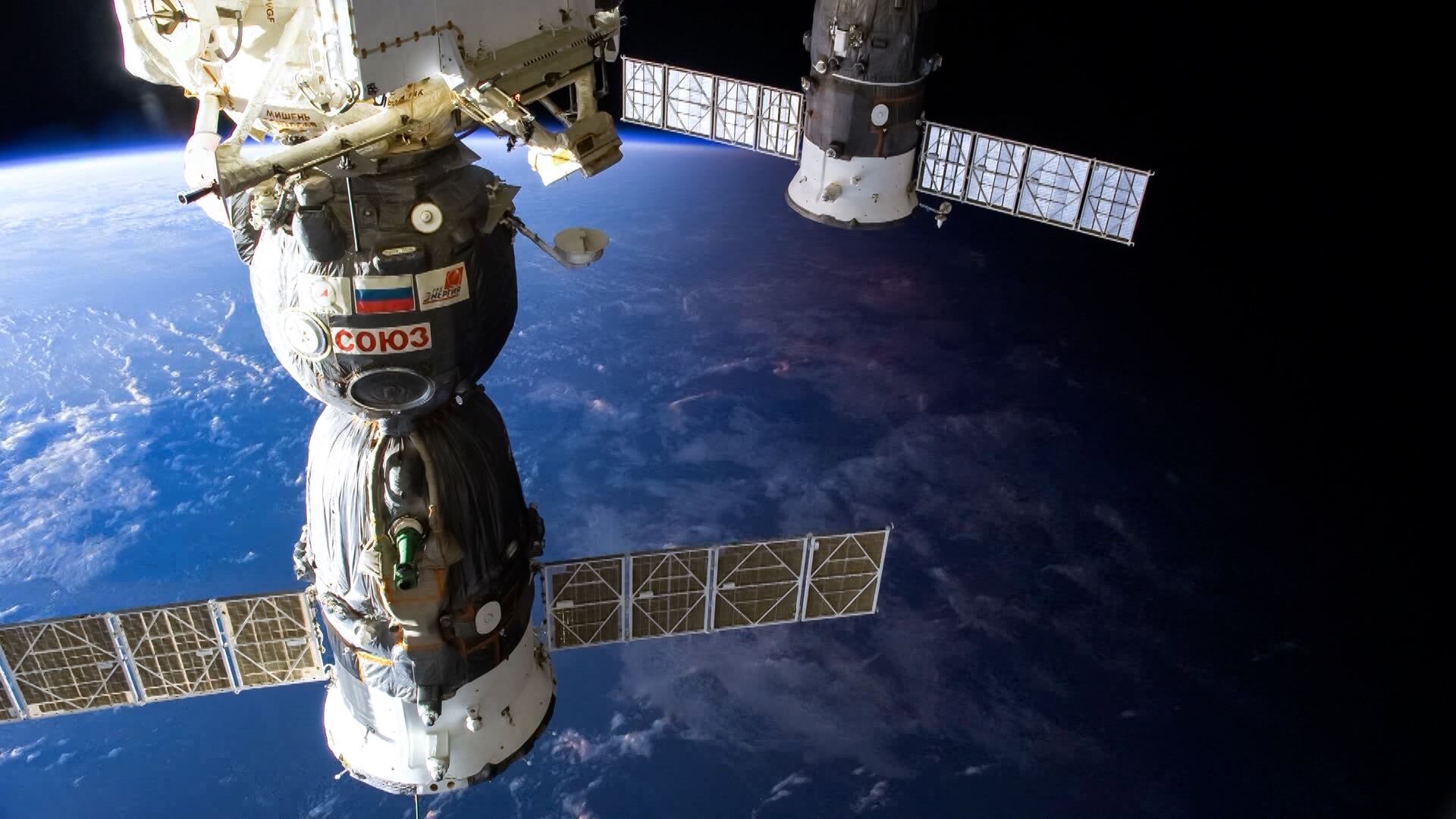
Voyager, Nanoracks, and Lockheed Martin are all teaming up to develop the first-ever free-flying commercial space station with room for a crew of four astronauts. The private companies are joining forces as part of NASA’s greater mission to retire the International Space Station by the year 2030. The low-earth orbit space station will be called "Starlab," and is planned to achieve operational capability by 2027. Lisa Callahan, Vice President and General Manager of Commercial Civil Space at Lockheed Martin, and Matthew J. Kuta, President and Chief Operating Officer of Voyager Space, joined Cheddar’s Opening Bell.
Jill and Carlo cover the latest developments in the Alec Baldwin prop gun shooting, when vaccines for kids as young as 5 should be approved, new reporting on Facebook and more.
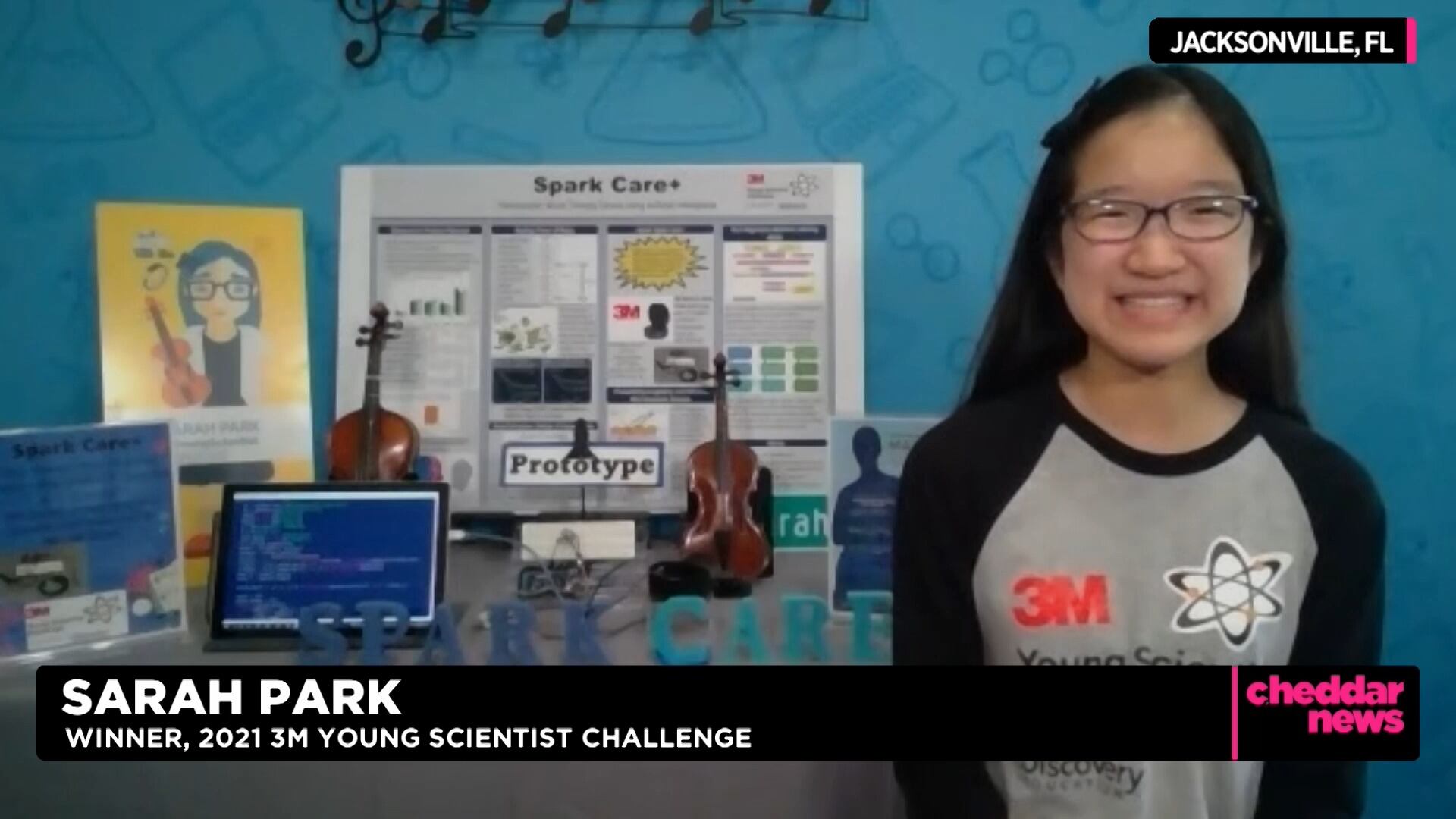
Middle school students from across the country battled it out for a chance at being crowned 'America's Top Scientist.' Each applicant had to submit a video to compete in the '3M Young Scientist Challenge' and describe a unique solution to an everyday problem for the chance to win $25,000. 10 finalists were chosen and after a two-day virtual competition, one walked away with the title. 14-year-old Sarah Park won the award, she joins Cheddar News to talk about her invention Spark Care+.
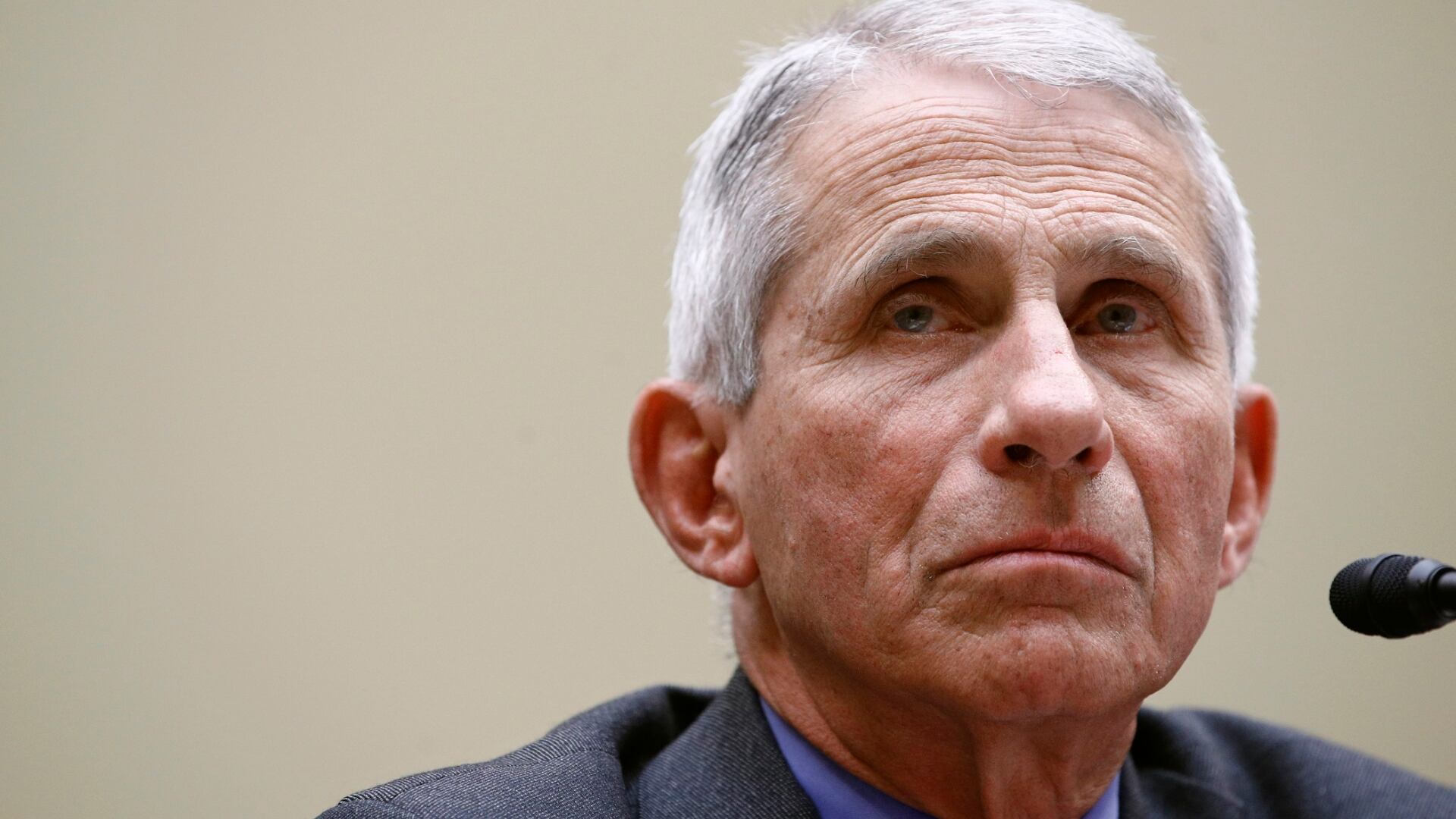
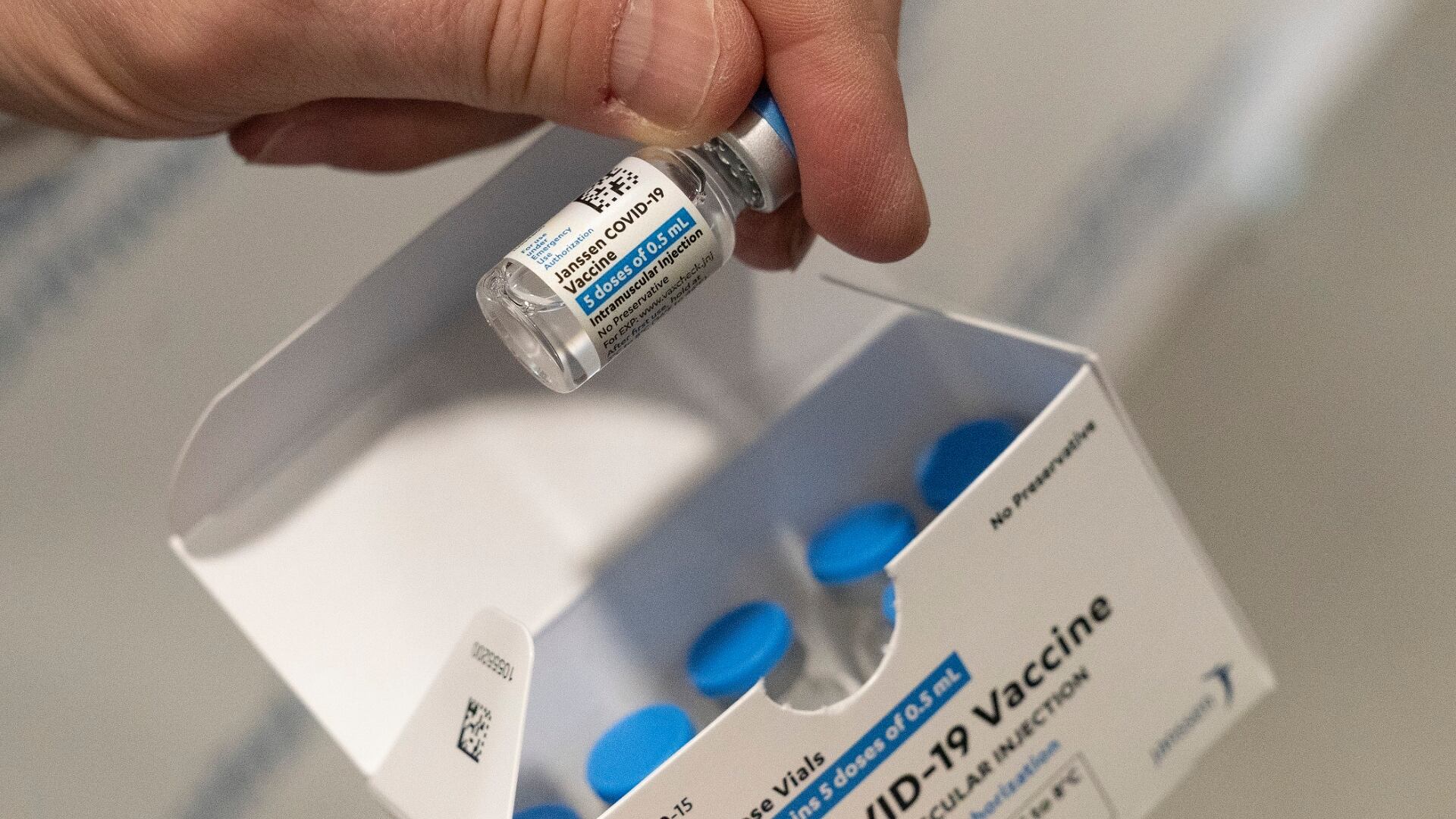
NIAID Director Dr. Anthony Fauci has stated that recipients of the single-dose Johnson & Johnson COVID-19 vaccine should have gotten two doses, to begin with. An FDA panel had recently recommended that J&J boosters be made available for everyone who received the single dose.
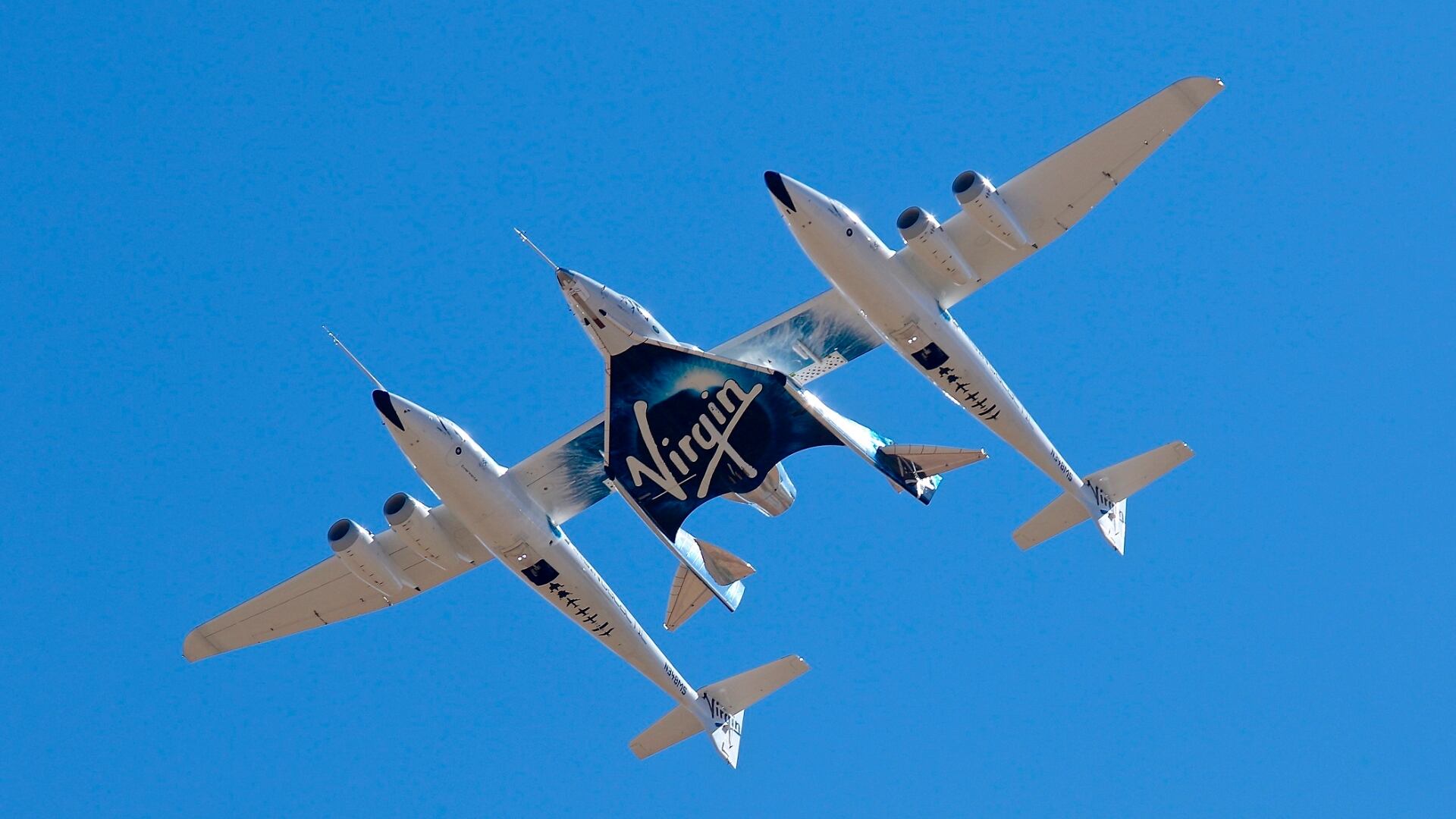
Richard Branson’s Virgin Galactic is delaying its launch date for commercial space flights to Q4 of 2022 following a rescheduled test flight. Shares for the aerospace company fell on the news.
The NIH released findings of a study that say recipients of the Johnson & Johnson COVID-19 vaccine may benefit from getting Pfizer or Moderna boosters as the antibody levels from those shots were seen as more robust than from a Johnson & Johnson booster.
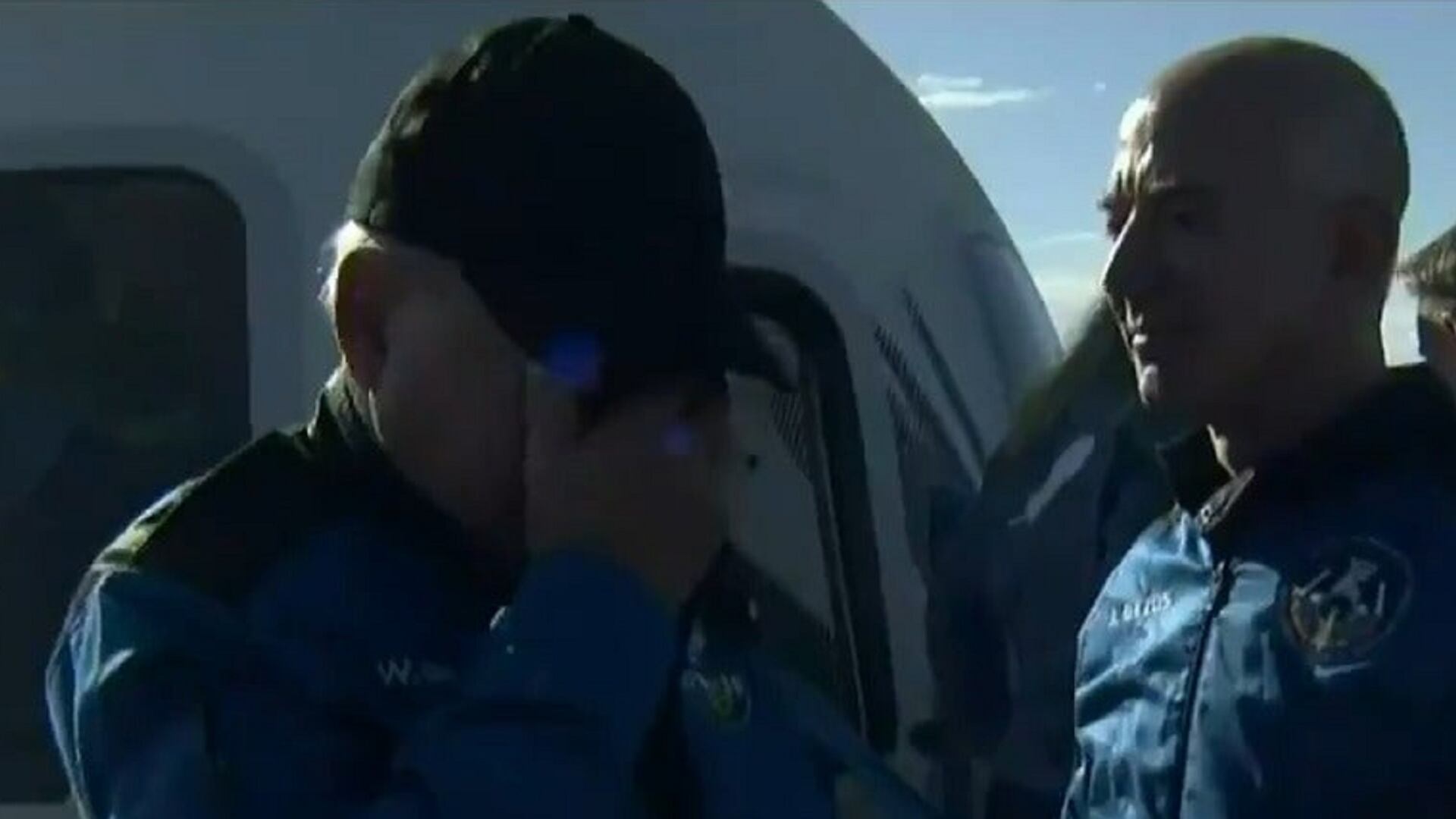
"Star Trek" actor William Shatner's voice broke with emotion as he recounted his trip into space on the Blue Origin New Shepard rocket to Jeff Bezos on October 13, 2021.