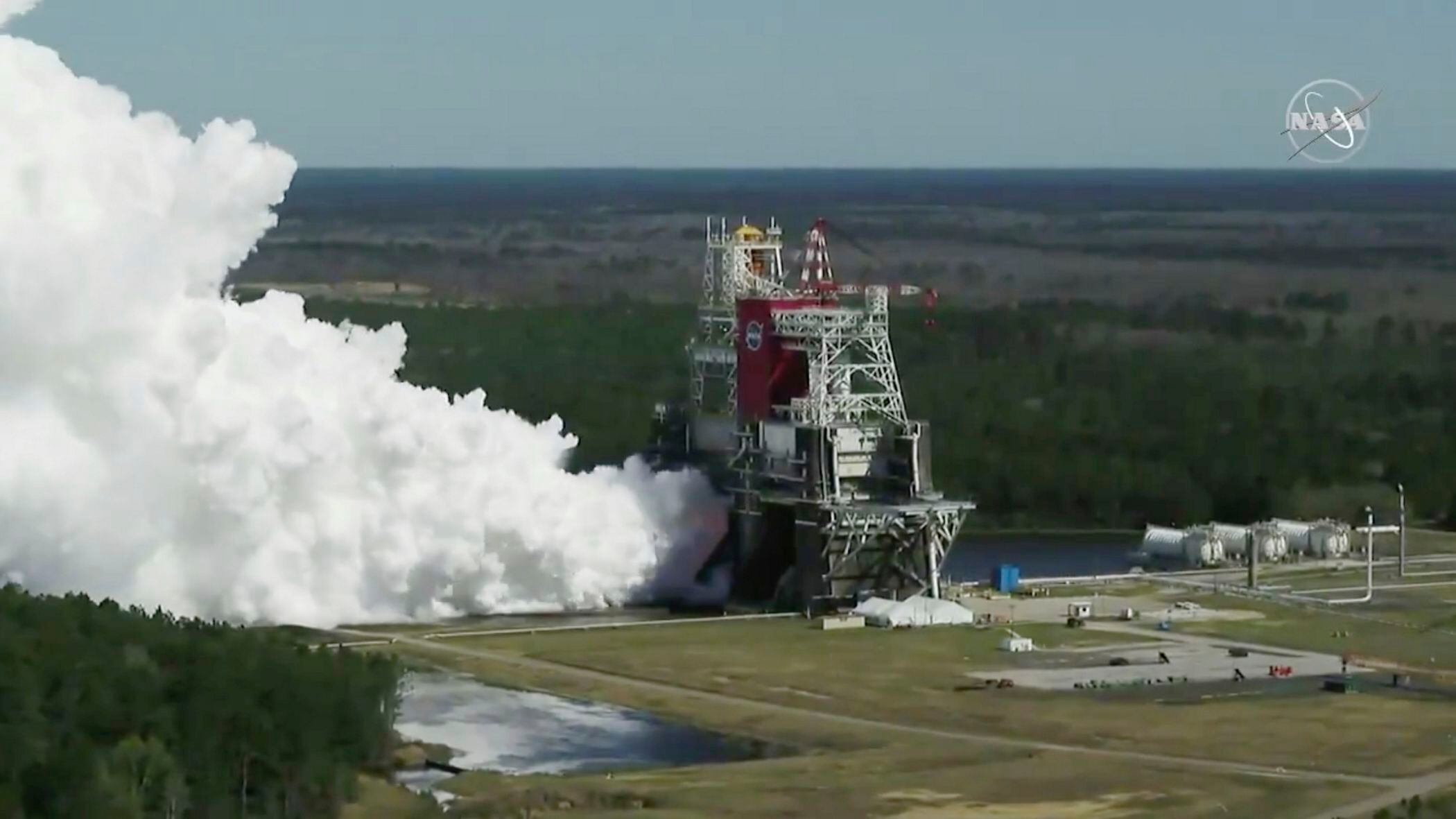
In this image from video made available by NASA, the core stage of the Space Launch System, NASA’s planned moon rocket, is tested at the Stennis Space Center near Bay St. Louis, Miss., on Thursday, Mar. 18, 2021. With this critical test finally finished, NASA now will send the rocket segment to Kennedy Space Center for launch preparations. (NASA via AP)
By Marcia Dunn
NASA completed an engine test firing of its moon rocket Thursday, after the first attempt in January ended prematurely.
This time, the four main engines of the rocket’s core stage remained ignited for the full eight minutes. Applause broke out in the control room at Mississippi's Stennis Space Flight Center once the engines shut down on the test stand.
NASA officials called it a major milestone in sending astronauts back to the moon, but declined to say when that might occur or even whether the first test flight without a crew would occur by year's end as planned.
John Honeycutt, NASA's program manager for the Space Launch System or SLS rocket, said everything seemed to go well in Thursday's test firing. “The core stage ... got an A-plus today,” he told reporters.
During the first test, the engines fired for just a minute, automatically cut short by strict test limits that were relaxed for the redo. Valve issues also had to be resolved prior to Thursday's countdown.
With this critical test finally finished — and assuming everything went well — NASA can now send the rocket segment to Florida's Kennedy Space Center to prepare it for launch.
Noting they're taking it one step at a time, officials declined to say whether this first SLS launch will occur by year's end as had been planned or will bump into 2022. The SLS rocket will send an empty Orion capsule to the moon and back.
The four engines tested Thursday actually flew into orbit on NASA's space shuttles and were upgraded for the more powerful SLS system. The orange core stage is reminiscent of the shuttle's external fuel tank, which held the liquid hydrogen and oxygen that fed the main engines.
Boeing built the core stage, which stands 212 feet (65 meters.)
The Trump administration had pressed for a moon landing by astronauts by 2024, a deadline increasingly difficult if not impossible to achieve at this point. The current White House has yet to issue a revised timeline.
NASA Acting Administrator Steve Jurczyk said the space agency is conducting an internal study to determine a schedule for the astronaut moon landings — “what we can optimally do” based on budgets. The review will take a few months, he noted.
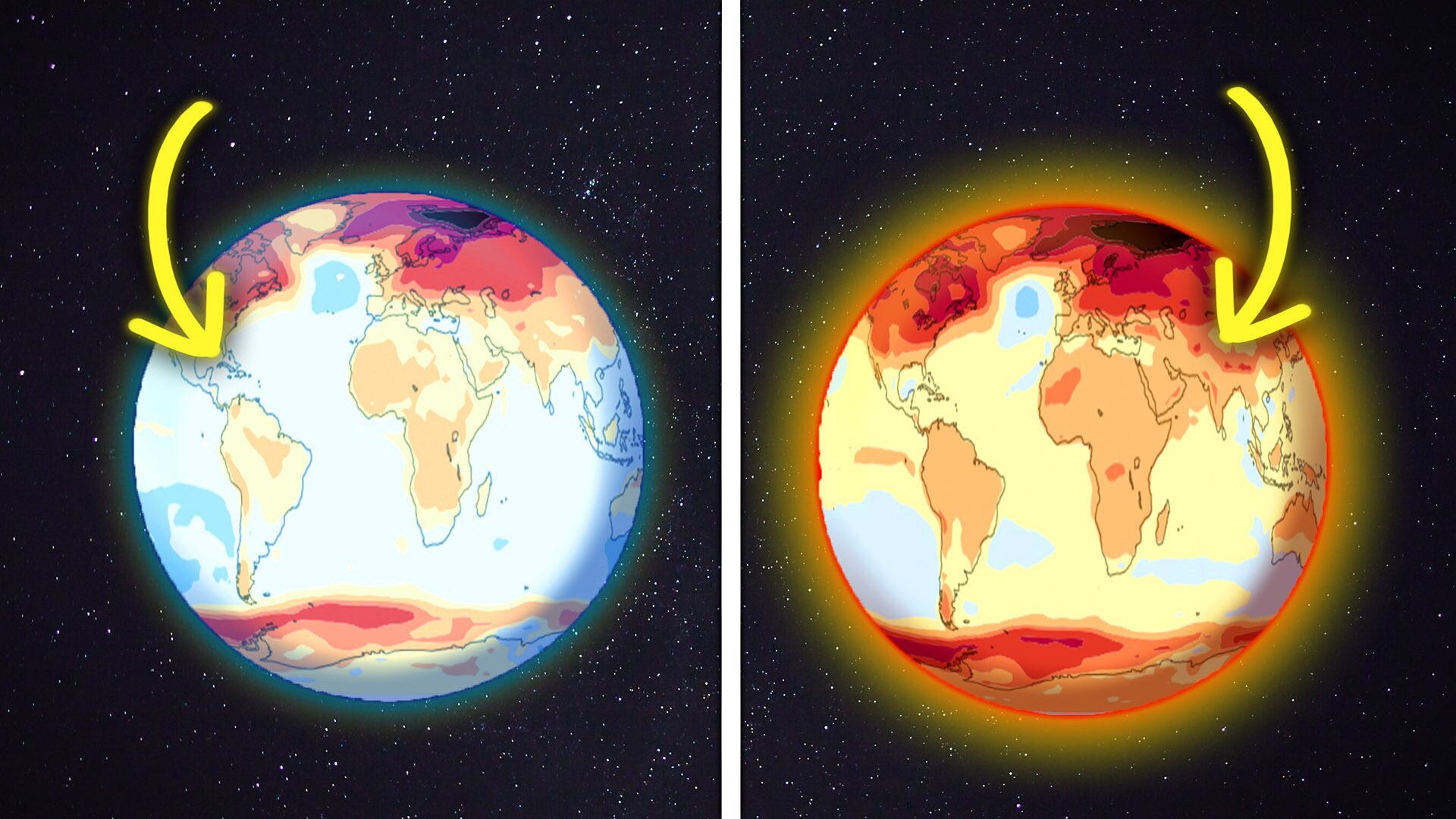
In 2015, 193 parties signed the Paris Agreement. In doing so, they agreed to pursue efforts to limit the average global temperature increase to 1.5° Celsius - or 2.7 degrees Fahrenheit -above pre-industrial levels. To be clear, our planet is already 1.1 degrees hotter than it was 150 years ago. But most scientists agree that an increase of just .4 more degrees will drastically change the world. However, it would continue to be livable. Things do get murky, though, as the projections increase above that.
Dr. Jen Caudle, family physician and associate professor at Rowan University, joined Cheddar to break down how people can protect themselves and family amid the uncertainty of the new Omicron COVID-19 variant. Caudle emphasized the importance of getting vaccinated against COVID-19 with so much still uncertain about the pandemic. "We have to remember delta variant is still here in the United States," she said. "We're still losing too many people every single day to this virus."
Jill and Carlo discuss what appears to be the beginning of the end of Roe v. Wade, another victim dies following the school shooting in Michigan, Omicron in the U.S., Trump's Covid chronology and more.
Was it a coincidence that the omicron coronavirus variant evolved in a region with low vaccination rates? Cheddar speaks with epidemiologist Dr. Eric Feigl-Ding on the topic.
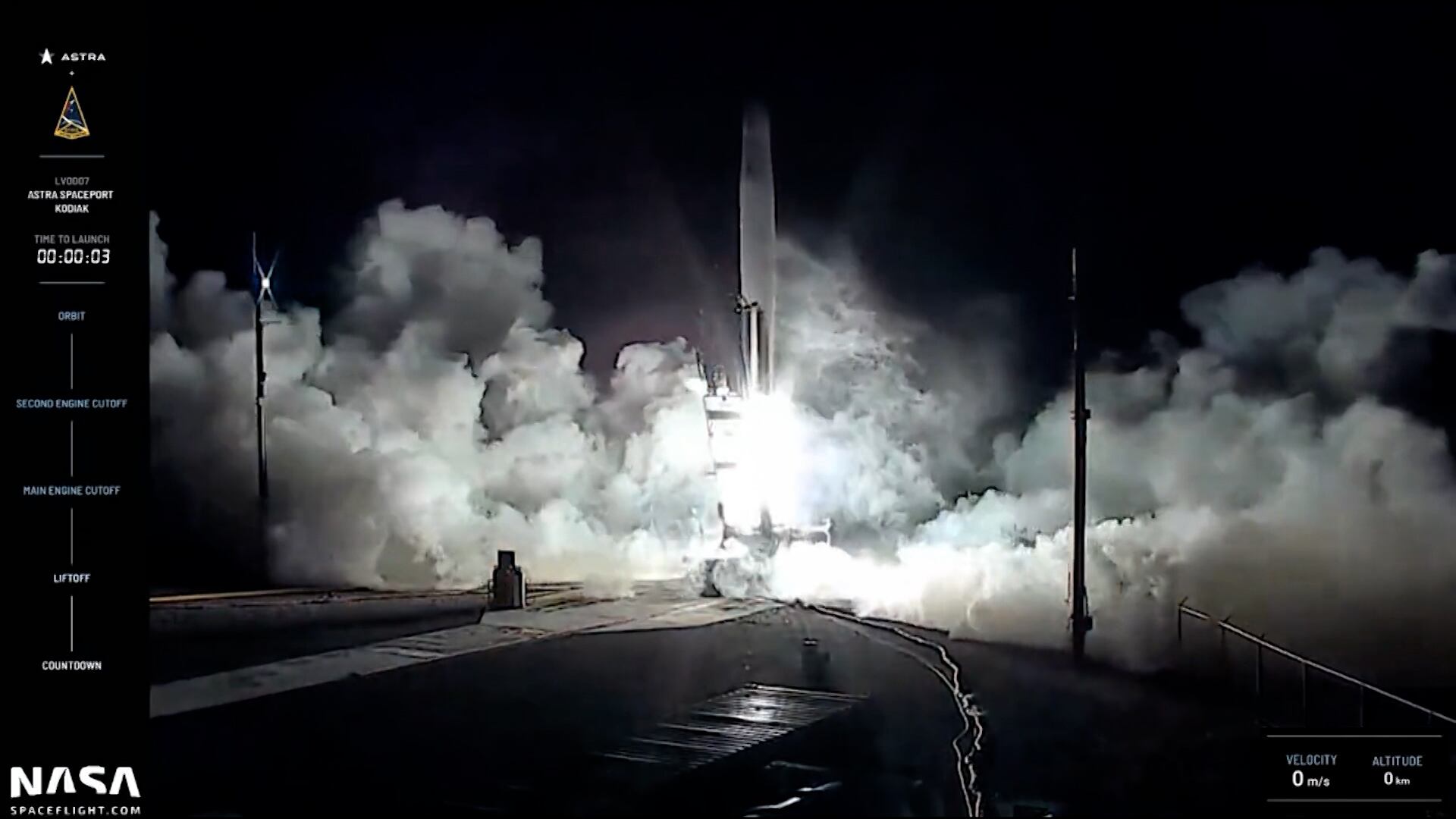
Astra founder, chairman, and CEO Chris Kemp spoke to Cheddar's Kristen Scholer about his company's first successful launch into orbit last month, becoming the fastest space company to reach orbit using a privately developed liquid-fueled rocket. He also noted that the company's priority is to "improve life on Earth from space" by rapidly increasing the number of low-orbiting satellites to do everything from connecting people to monitoring weather patterns.
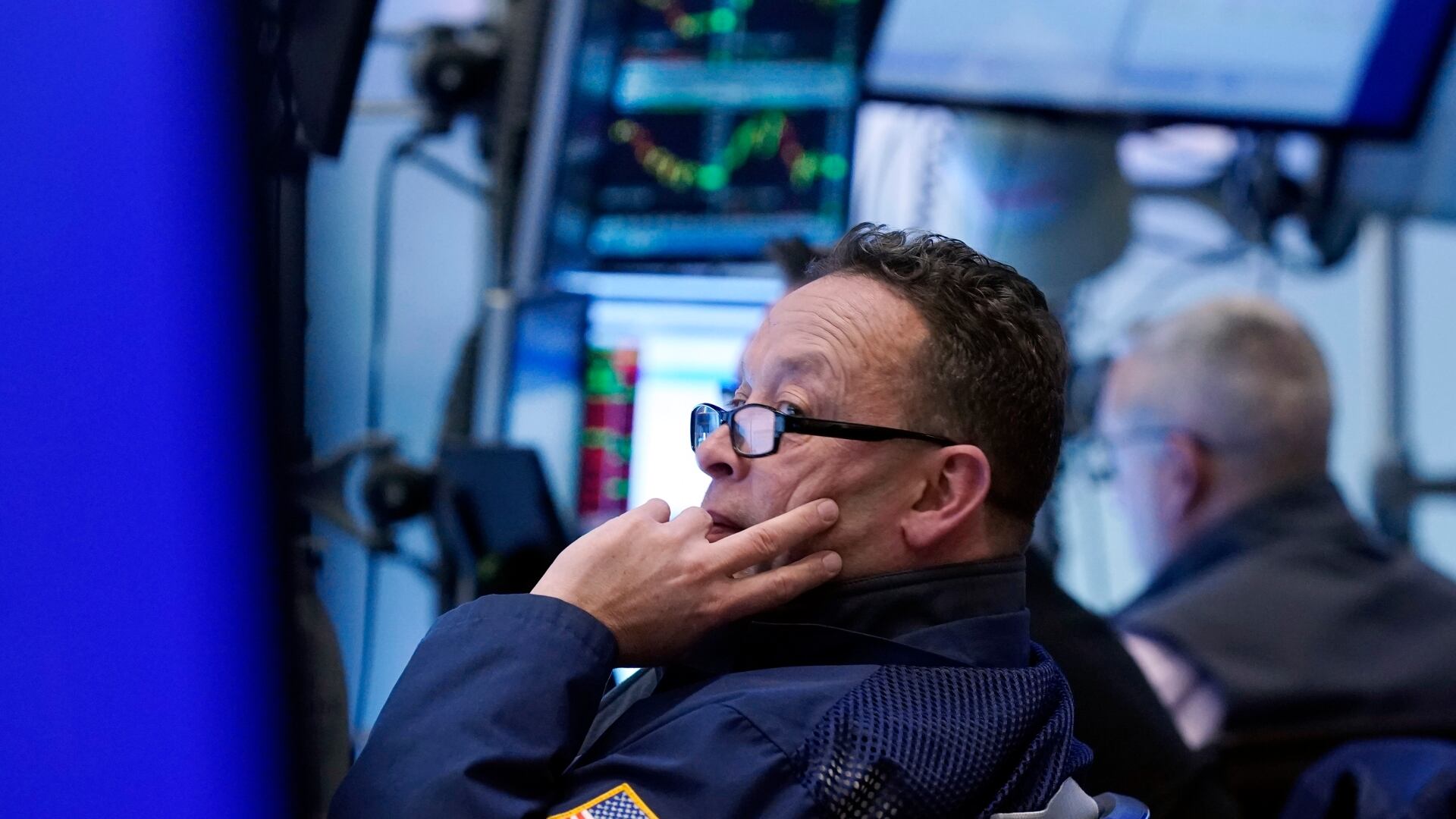
Stocks closed at session lows Wednesday as investors grew skittish over the first reported case of the COVID-19 omicron variant in California. Josh Sailar, Partner at Blue Zone Wealth Advisors, joins Cheddar News' Closing Bell to discuss investor worry over the new variant, the Fed dropping the word 'transitory' to describe inflation and potentially speeding up their asset tapering timeline, 2022 predictions, and more.
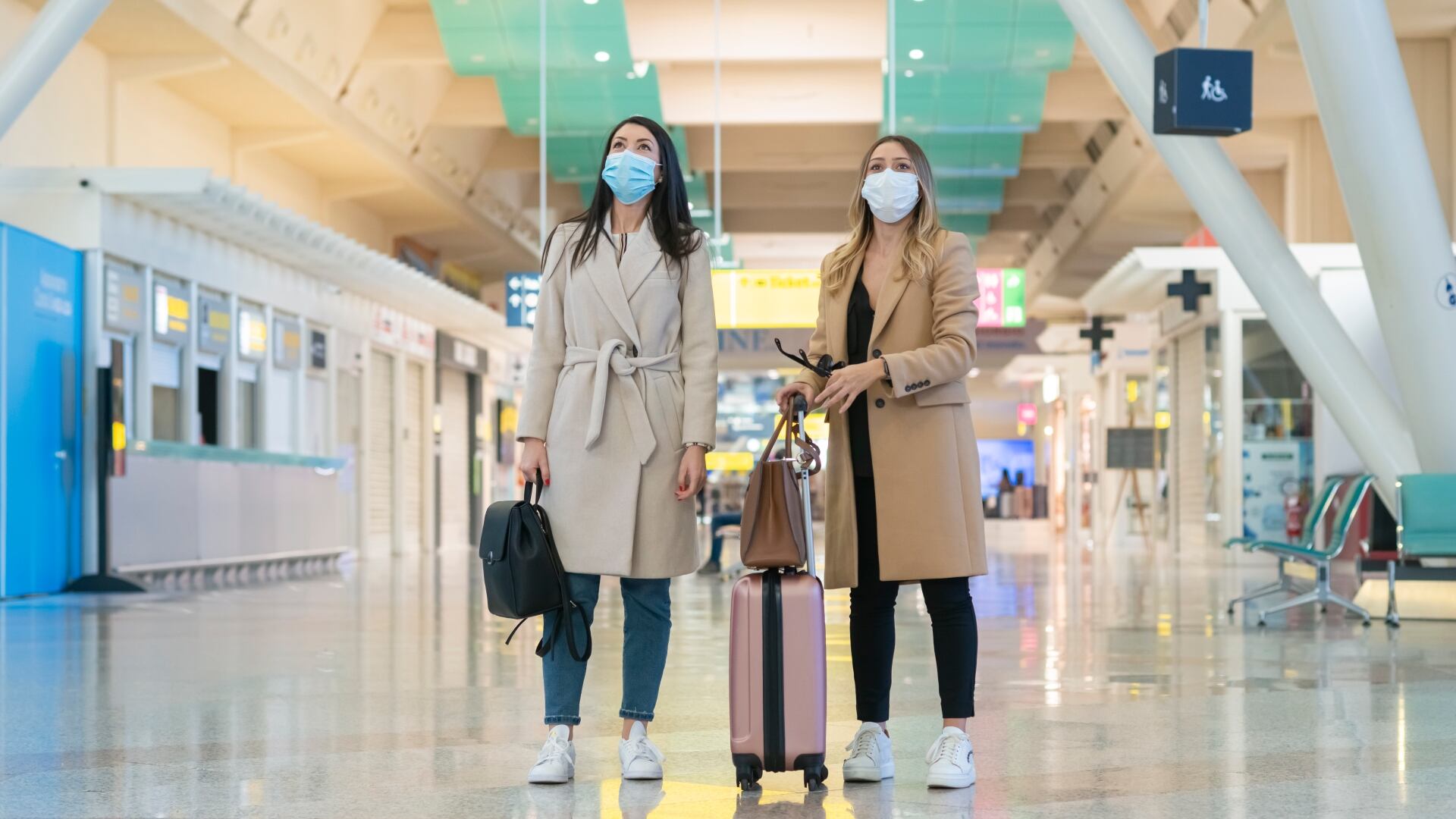
As cases of the COVID-19 Omicron variant continue to pop up, including the first U.S. case in California, how will domestic holiday travel be impacted? That part of the travel sector has mostly recovered from the year-long pandemic rout, while business travel continues its slump. But could a new variant bring new lockdowns and domestic restrictions? Clint Henderson, Senior News Editor at The Points Guy, joins Cheddar News' Closing Bell to discuss what the omicron variant means for holiday travel, best practices for passengers traveling through airports, and more.
Over the Thanksgiving holiday, Elon Musk warned SpaceX employees in a leaked email that the company could be forced to file Chapter 11 bankruptcy if its raptor engine program fails. Musk then commented on the previous statement adding the detail that a recession could make such a bankruptcy possible.