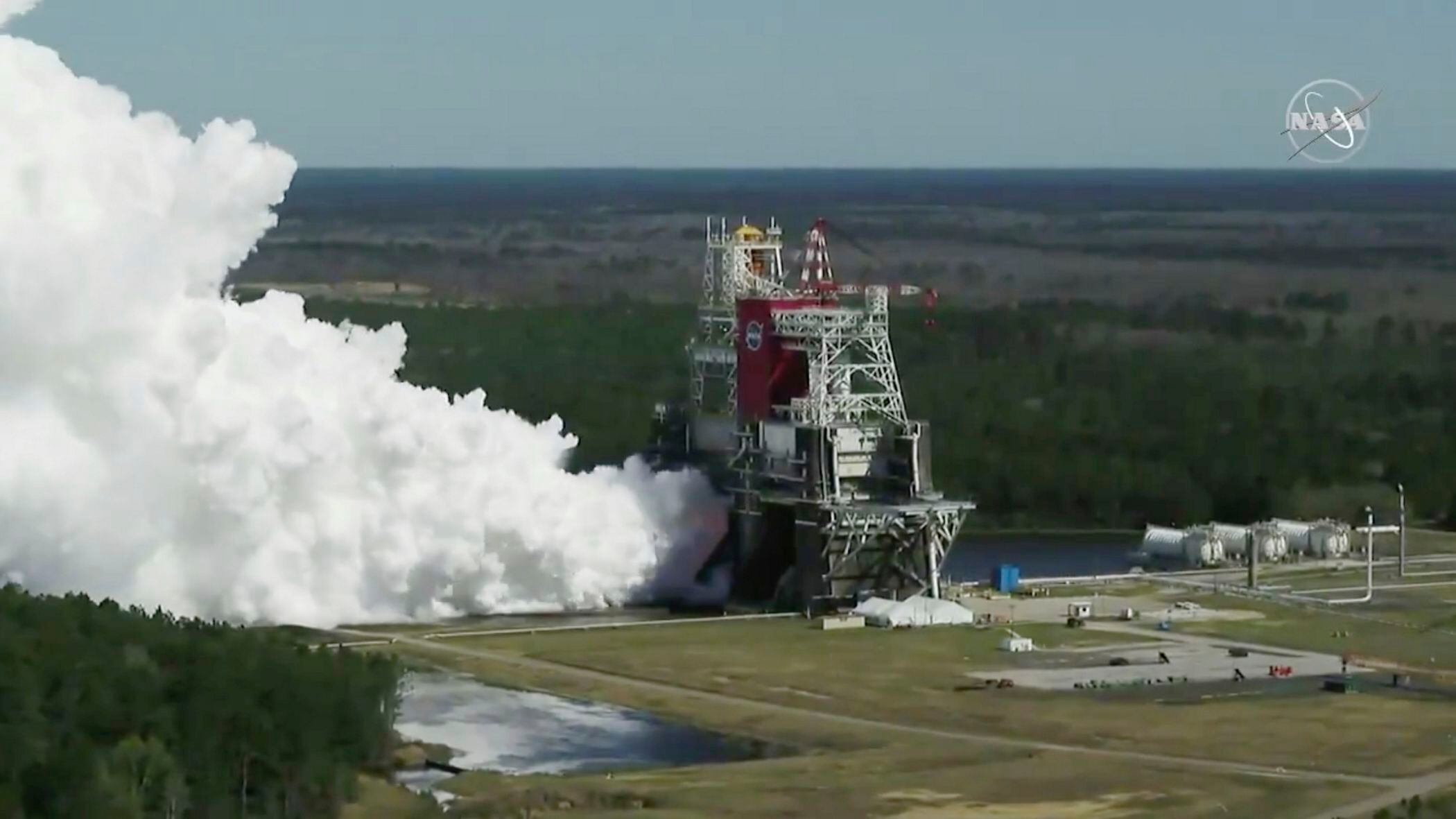
In this image from video made available by NASA, the core stage of the Space Launch System, NASA’s planned moon rocket, is tested at the Stennis Space Center near Bay St. Louis, Miss., on Thursday, Mar. 18, 2021. With this critical test finally finished, NASA now will send the rocket segment to Kennedy Space Center for launch preparations. (NASA via AP)
By Marcia Dunn
NASA completed an engine test firing of its moon rocket Thursday, after the first attempt in January ended prematurely.
This time, the four main engines of the rocket’s core stage remained ignited for the full eight minutes. Applause broke out in the control room at Mississippi's Stennis Space Flight Center once the engines shut down on the test stand.
NASA officials called it a major milestone in sending astronauts back to the moon, but declined to say when that might occur or even whether the first test flight without a crew would occur by year's end as planned.
John Honeycutt, NASA's program manager for the Space Launch System or SLS rocket, said everything seemed to go well in Thursday's test firing. “The core stage ... got an A-plus today,” he told reporters.
During the first test, the engines fired for just a minute, automatically cut short by strict test limits that were relaxed for the redo. Valve issues also had to be resolved prior to Thursday's countdown.
With this critical test finally finished — and assuming everything went well — NASA can now send the rocket segment to Florida's Kennedy Space Center to prepare it for launch.
Noting they're taking it one step at a time, officials declined to say whether this first SLS launch will occur by year's end as had been planned or will bump into 2022. The SLS rocket will send an empty Orion capsule to the moon and back.
The four engines tested Thursday actually flew into orbit on NASA's space shuttles and were upgraded for the more powerful SLS system. The orange core stage is reminiscent of the shuttle's external fuel tank, which held the liquid hydrogen and oxygen that fed the main engines.
Boeing built the core stage, which stands 212 feet (65 meters.)
The Trump administration had pressed for a moon landing by astronauts by 2024, a deadline increasingly difficult if not impossible to achieve at this point. The current White House has yet to issue a revised timeline.
NASA Acting Administrator Steve Jurczyk said the space agency is conducting an internal study to determine a schedule for the astronaut moon landings — “what we can optimally do” based on budgets. The review will take a few months, he noted.
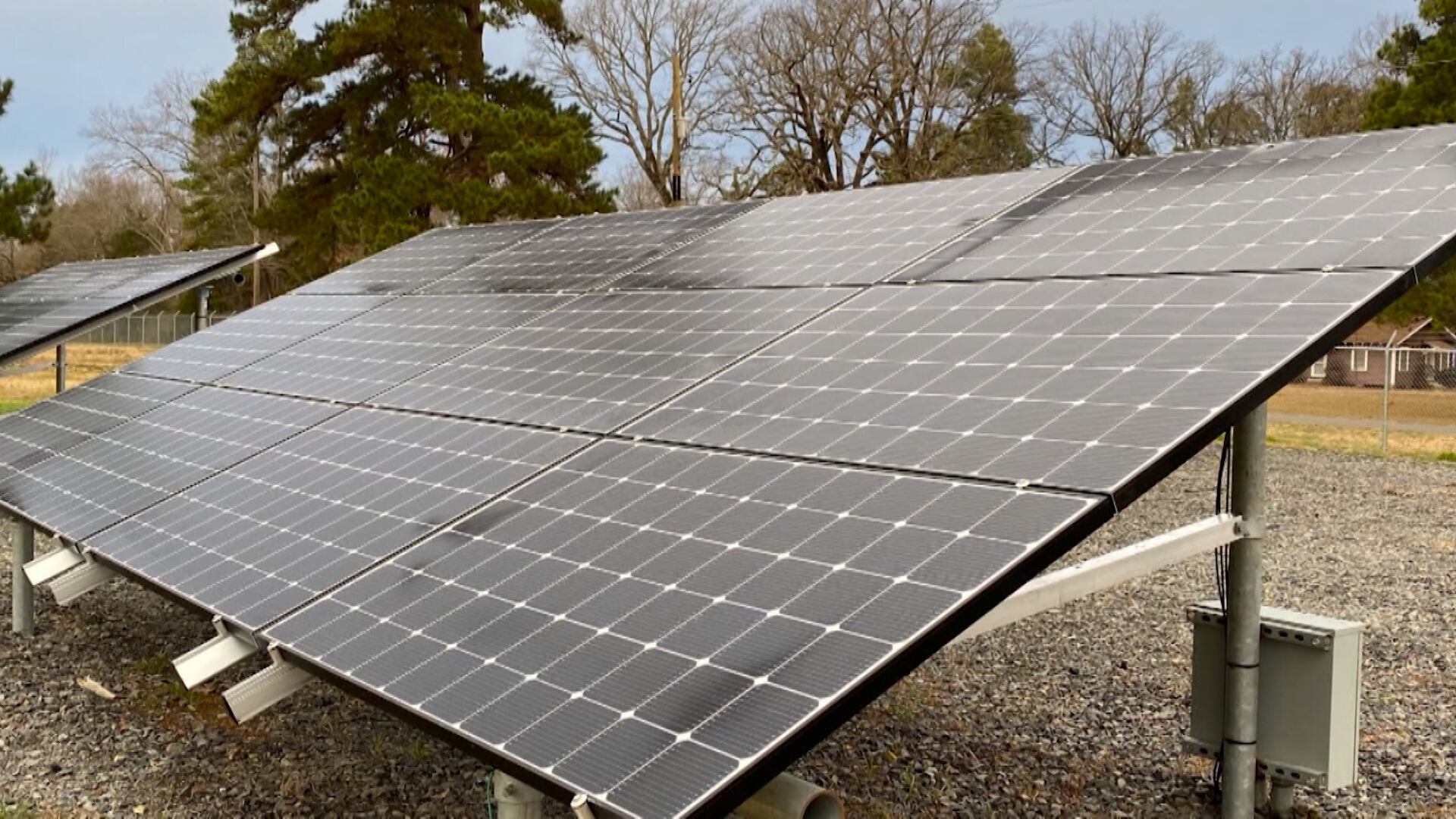
Heila Technologies, a startup that develops hardware and software to integrate renewables and batteries on a microgrid, is helping to power the first clean energy microgrid for Auto Mercado, a top supermarket chain in Costa Rica. The plant will reduce 20 tons of CO2 emissions per year. Heila Technologies CEO Francisco Morocz joins Cheddar Climate to discuss.
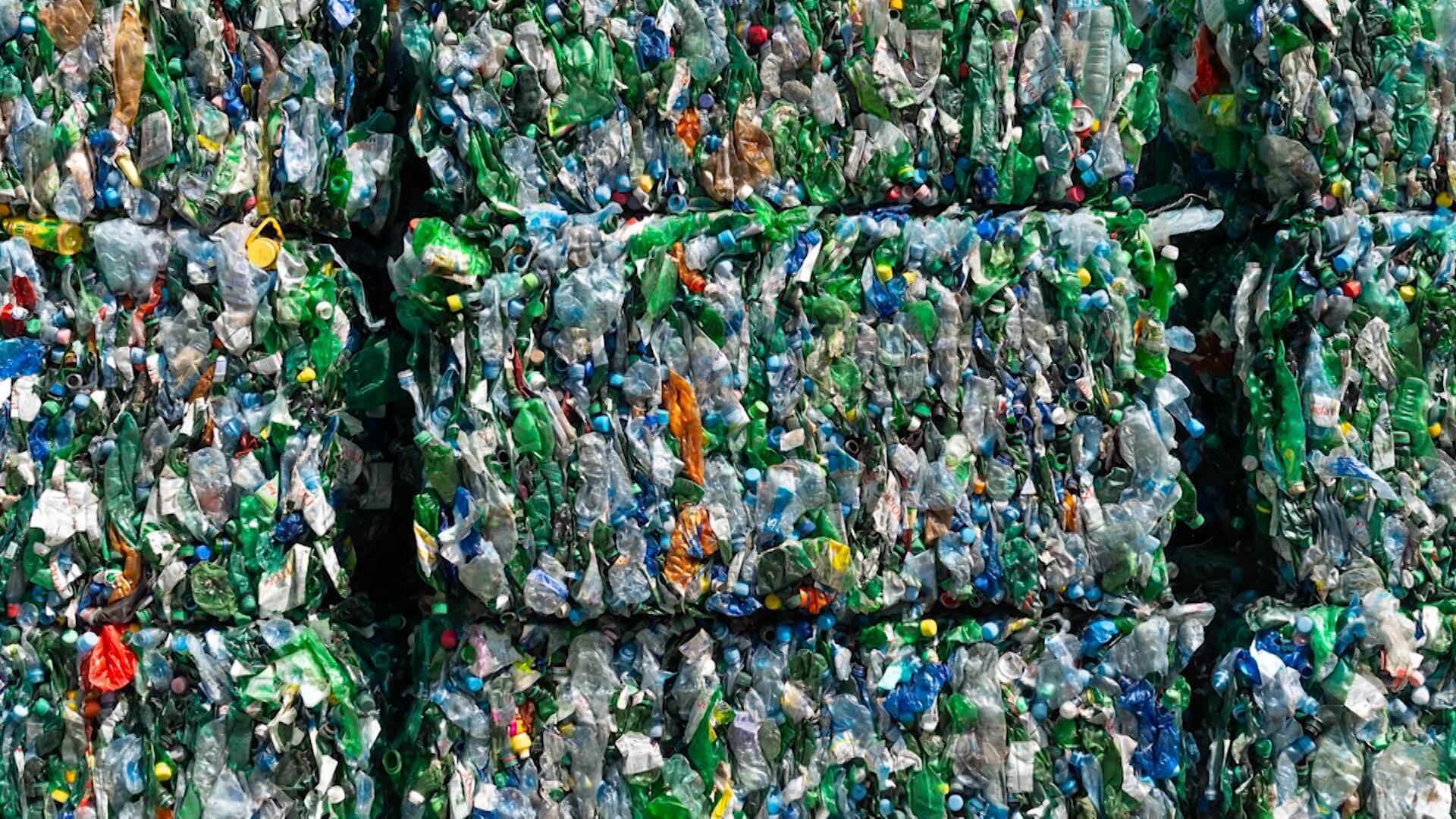
The U.S. has a million-ton problem: each year, hundreds of pounds of plastic waste are produced per person, and that leads to close to 2 million tons of that waste leaking into the environment. Eight million tons end up in the ocean, where it hinders marine life, damages ecosystems, and impacts industry. But in recent years, Congress has introduced measures including the Save our Seas act to try to mitigate the issue and turn our plastic problem around. Sen. Chris Murphy (D-CT) joins Cheddar Climate to discuss why the U.S. is the top global polluter of plastic, what Congress is doing to try to fix the issue, and more.
Daniel Huppmann, researcher at International Institute for Applied Systems Analysis, joins Cheddar Climate, where he explains how the global economy could be 2% bigger by 2100 if the world can hold global warming below 1.5°C.
While the World Health Organization strongly advises against a COVID-19 vaccine mandate, national and local governments are moving to make inoculations compulsory. Cheddar News speaks with Dr. Joel Zinberg of the Competitive Enterprise Institute on the issue.
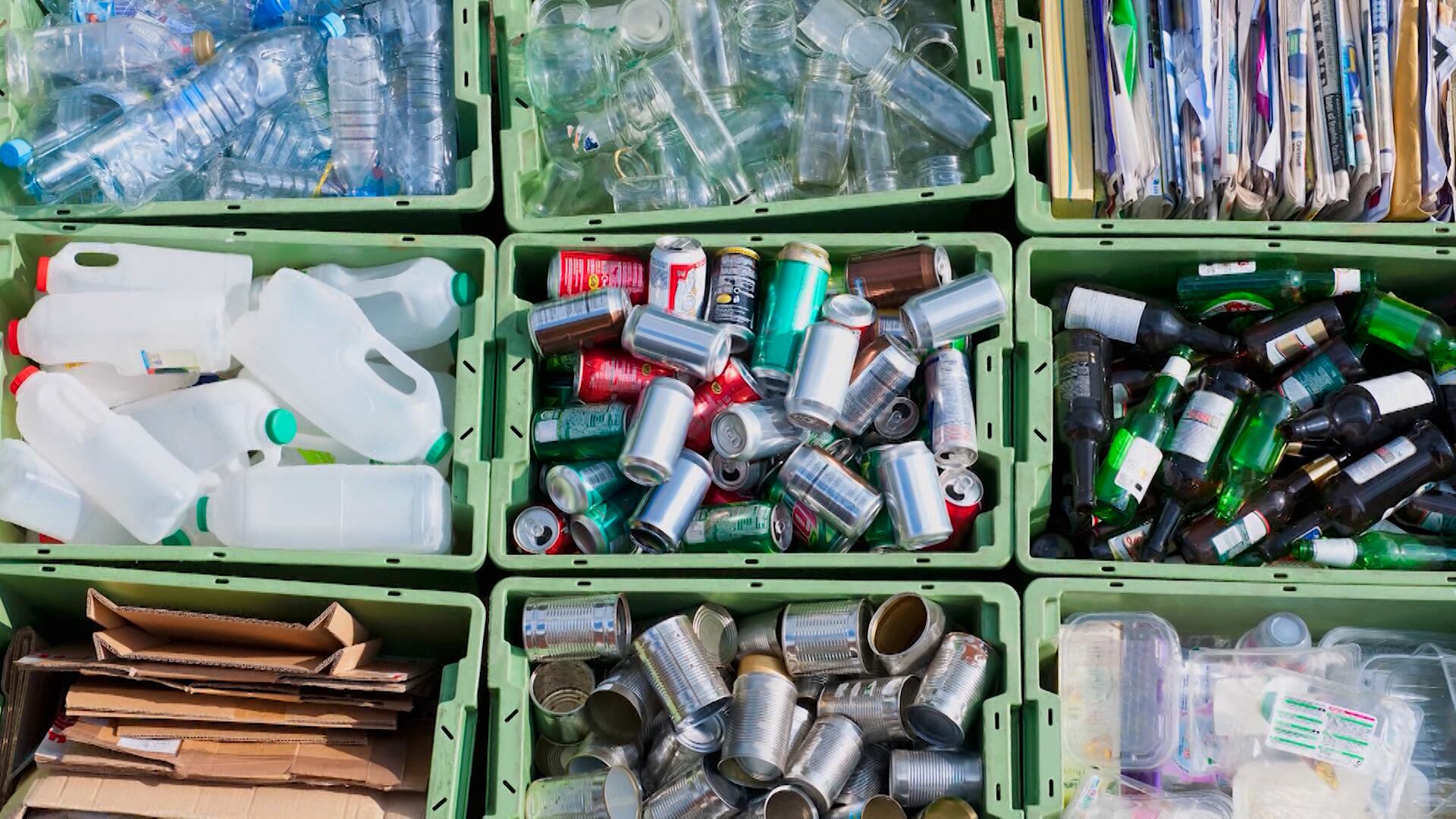
Cheddar breaks down the challenges of plastic recycling and what one company is doing to help offset the negative environmental impact of single-use plastics.
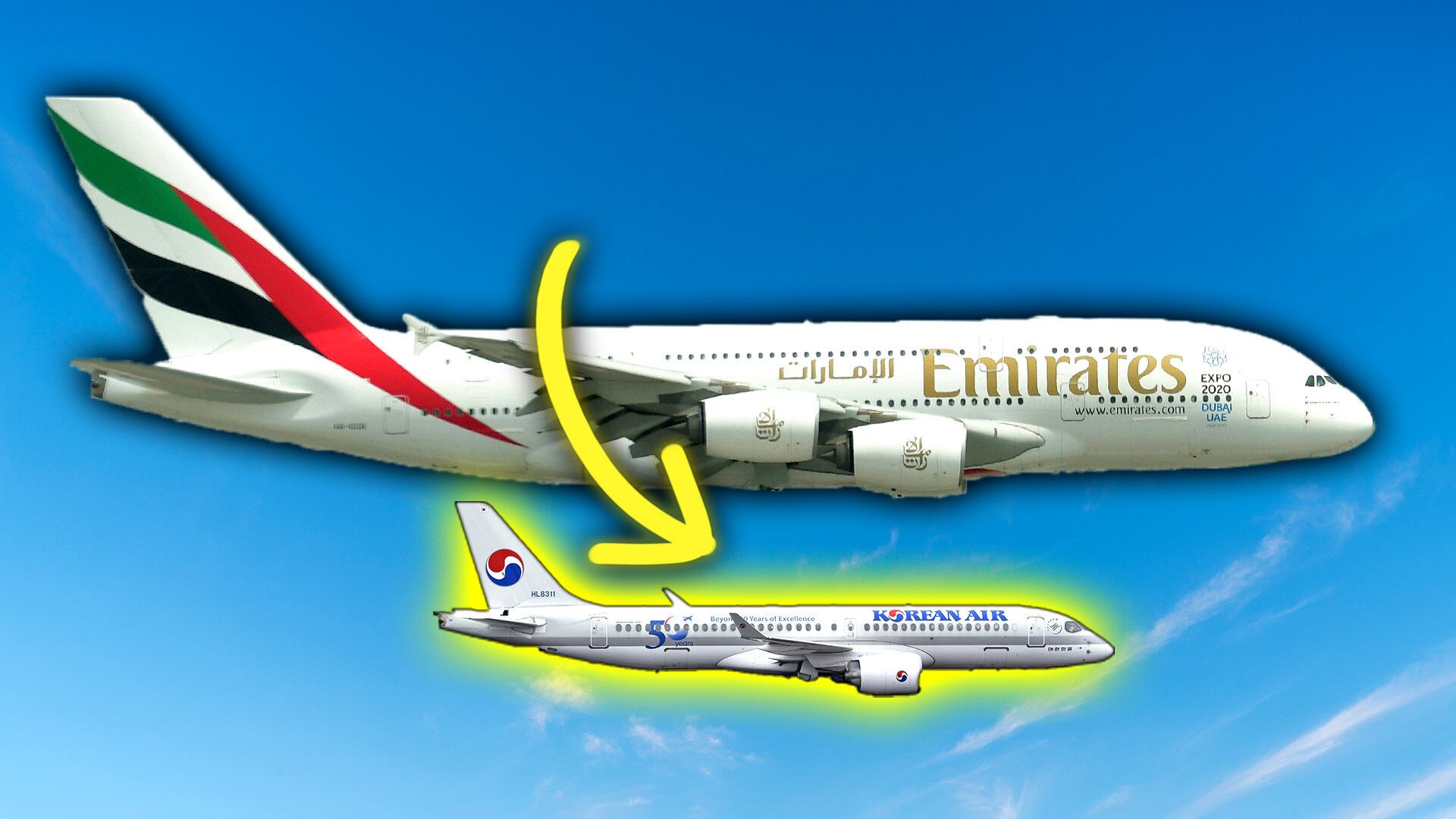
Earlier this year, JetBlue flew its inaugural flight into the United Kingdom. It was a game changer — not only did the airline enter the transatlantic market, but the plane that completed the flight was a single-aisle jet. For decades, flying the distance was synonymous with jumbo jets, but today narrow-body aircraft are now proving they are up for the task — and maybe even the best option. In this episode, Cheddar examines why airlines are betting on narrow-body aircraft.
Carlo and Baker discuss the sweeping new vaccine mandate in NYC that will target all private businesses. Plus, Trump's media venture gets its CEO and more.
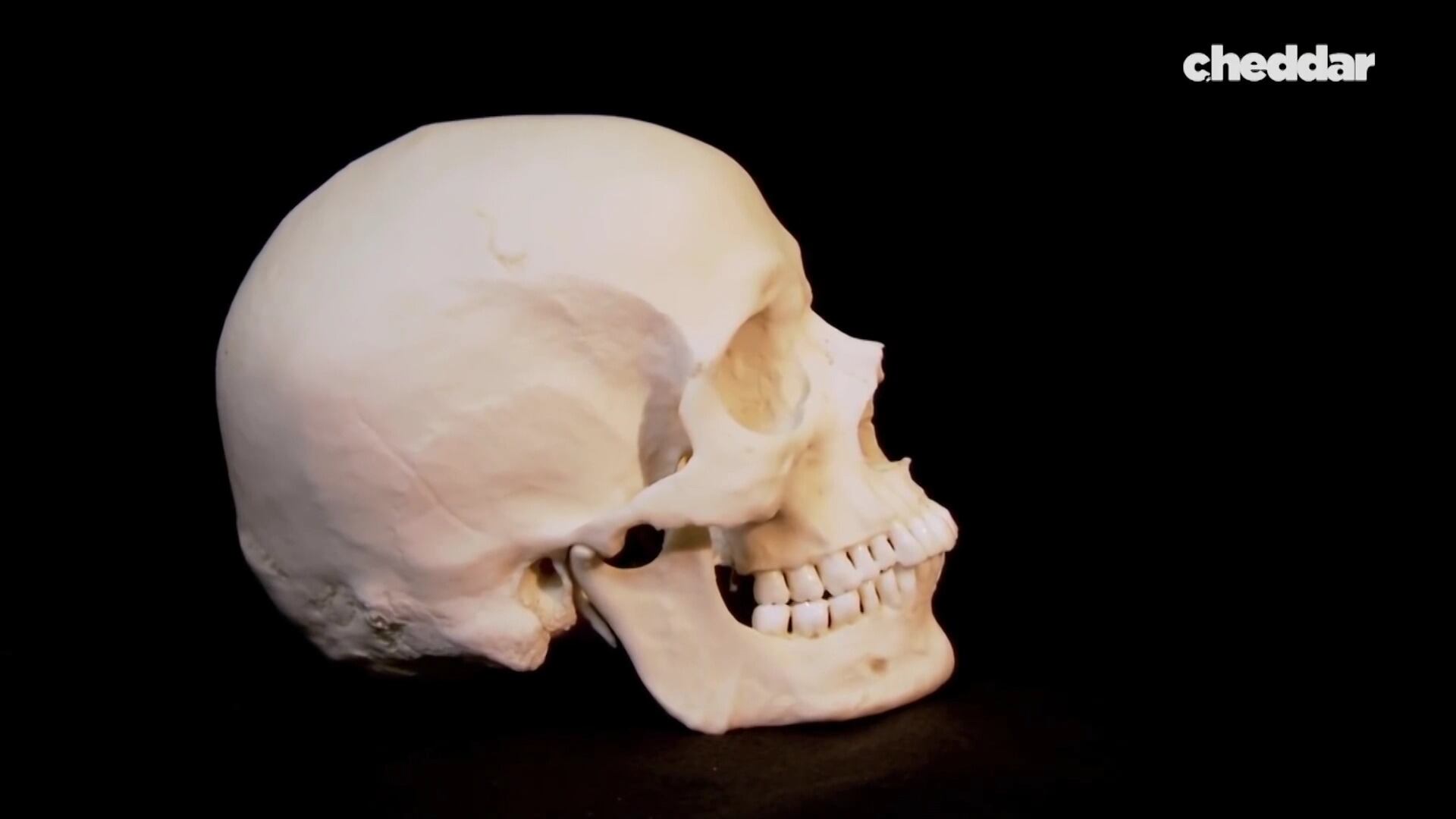
Humans are scientifically the most successful species in the history of planet earth. And for this we can thank our opposable thumbs, proportionally large brains, and our upright posture. But for all our anatomical wonders, we still have some pretty major flaws.