MoviePass CEO Expects to Be Profitable in 6-9 Months
*By Alex Heath*
MoviePass CEO Mitch Lowe said Wednesday he expects the company to turn a profit in six to nine months, even though it's losing tens of millions of dollars a month and struggling to find a sustainable business model.
The company's recent changes to its MoviePass subscription, which limits customers to three movies a month for about $10, will "quickly" lower the company’s burn rate to zero and put it on the path toward profitability, Lowe said in an interview on Cheddar.
Most MoviePass subscribers — 85 percent, according to Lowe — see three movies or fewer a month, and 15 percent of MoviePass’s over 3 million subscribers have converted to the new plan introduced Monday.
“We know that three works,” Lowe said of the new restriction on the number of movies that subscribers can watch each month. “Three is our last change.”
The CEO and former Netflix executive rebuffed concerns that MoviePass could run out of money before the end of the year. The company took out a $6.2 million emergency loan to stay afloat two weeks ago, and said in a July SEC filing that it would seek to raise about $1.2 billion in equity and debt over the next three years.
“Our mission is survival and then success,” Lowe said.
MoviePass has received "many offers" from "very big media companies" that want to buy its business, according to Lowe. He declined to name any of the companies that have approached MoviePass about an acquisition. A college student-led venture capital firm called Triton Funds recently expressed interest in buying MoviePass, but it's unclear if those talks have progressed.
Shares of MoviePass's parent company Helios and Matheson have plunged roughly 99 percent in the last year as MoviePass losses continue to climb. The stock was trading at roughly $0.06 per share on Wednesday, despite the company's attempt to raise the price through a bold reverse stock split in late July.
For the full interview with MoviePass's CEO Mitch Lowe, [click here.] (https://cheddar.com/videos/moviepass-ceo-recent-movie-cap-is-final-change-to-subscription-service)
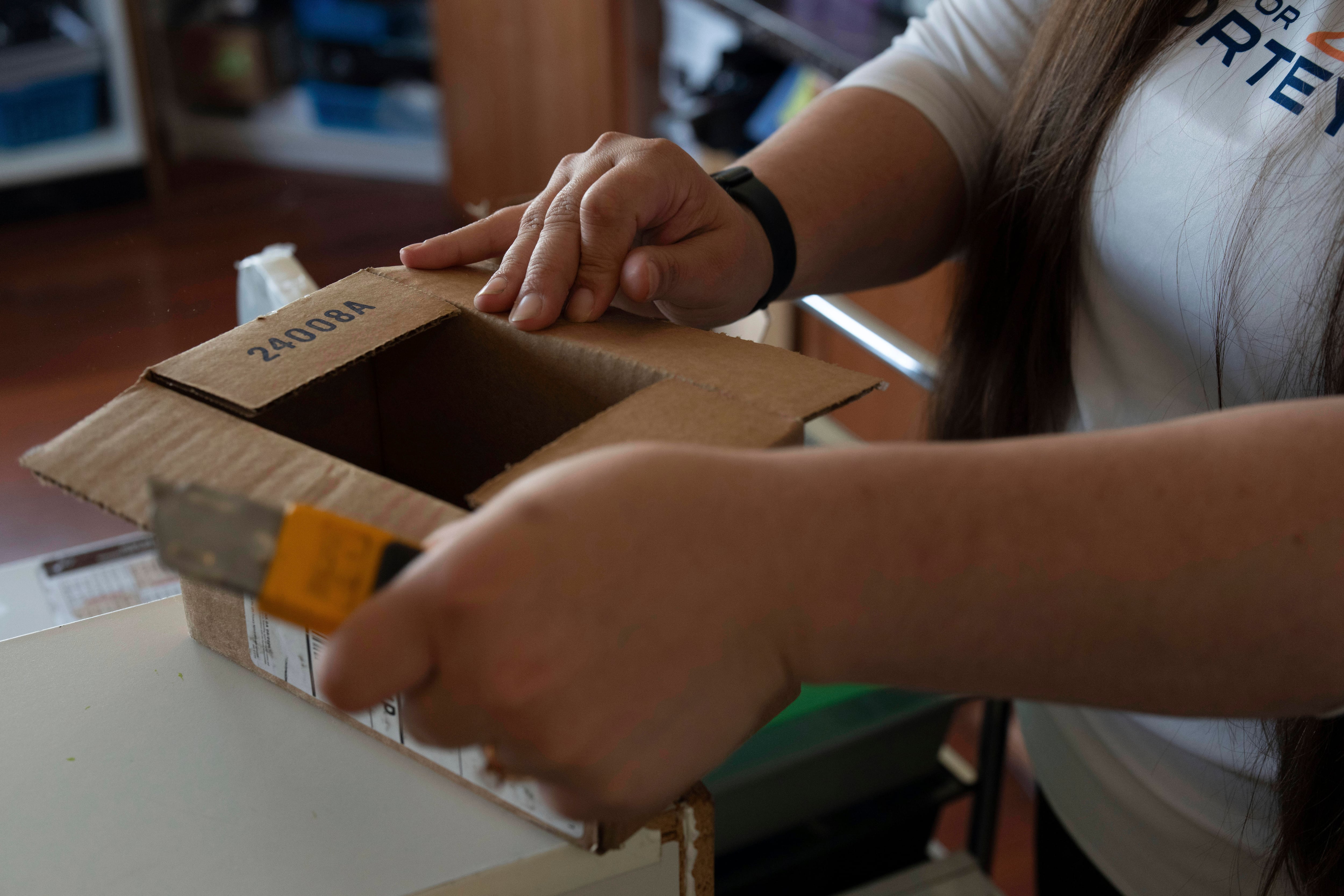
Low-value imports are losing their duty-free status in the U.S. this week as part of President Donald Trump's agenda for making the nation less dependent on foreign goods. A widely used customs exemption for international shipments worth $800 or less is set to end starting on Friday. Trump already ended the “de minimis” rule for inexpensive items sent from China and Hong Kong, but having to pay import taxes on small parcels from everywhere else likely will be a big change for some small businesses and online shoppers. Purchases that previously entered the U.S. without needing to clear customs will be subject to the origin country’s tariff rate, which can range from 10% to 50%.
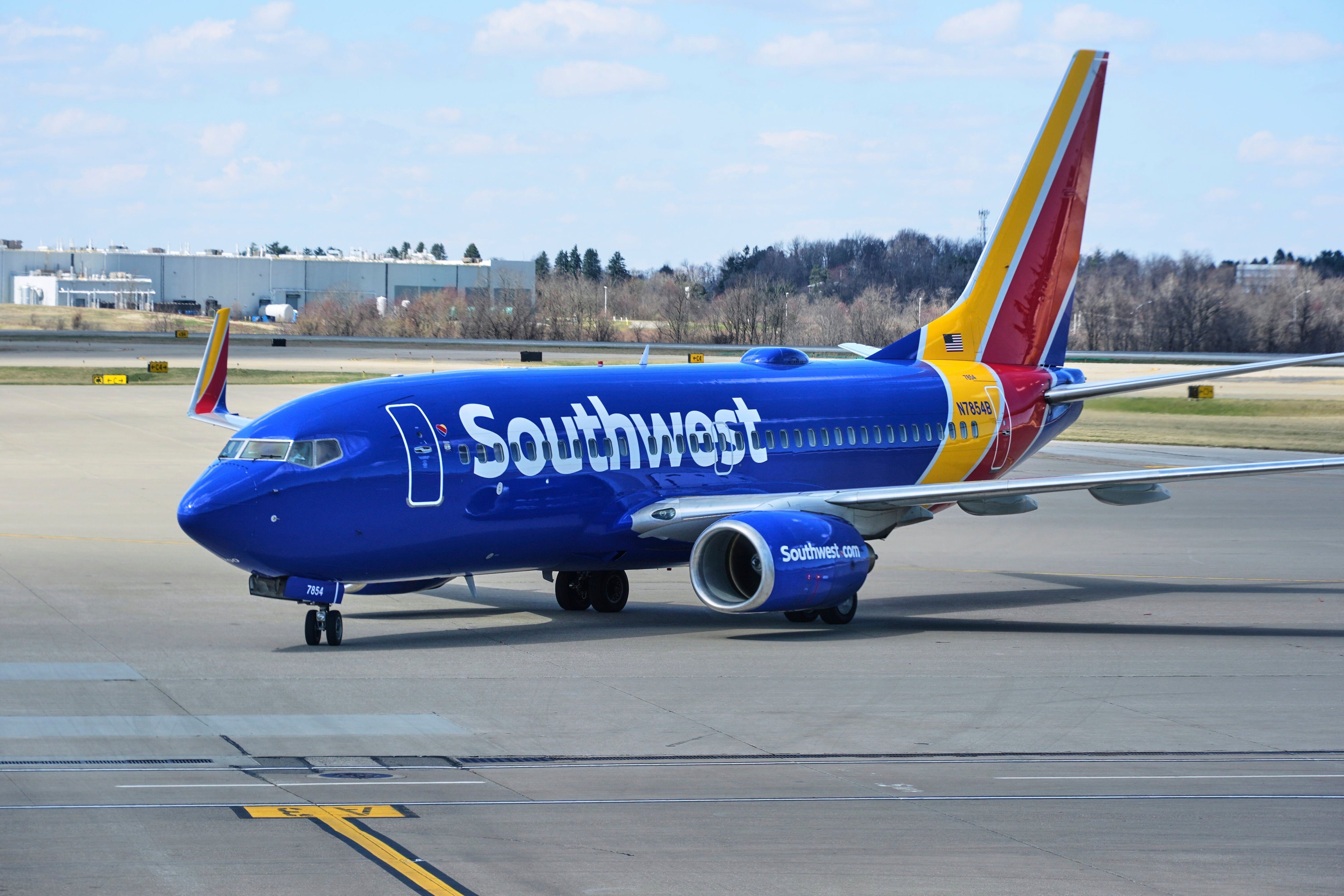
Southwest Airlines will soon require plus-size travelers to pay for an extra seat in advance if they can't fit within the armrests of one seat. This change is part of several updates the airline is making. The new rule starts on Jan. 27, the same day Southwest begins assigning seats. Currently, plus-size passengers can pay for an extra seat in advance and later get a refund, or request a free extra seat at the airport. Under the new policy, refunds are still possible but not guaranteed. Southwest said in a statement it is updating policies to prepare for assigned seating next year.
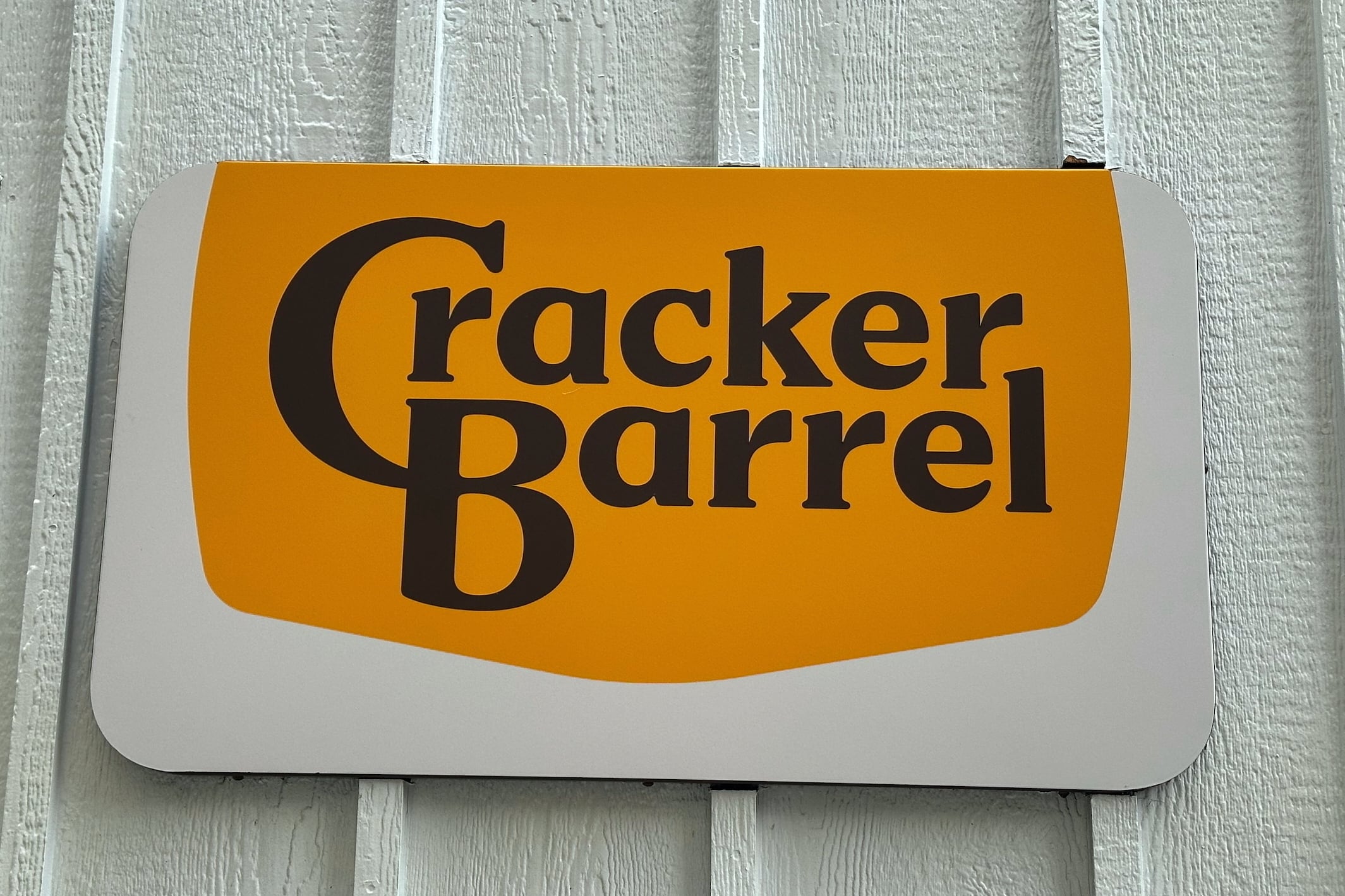
Cracker Barrel is sticking with its new logo. For now. But the chain is also apologizing to fans who were angered when the change was announced last week.
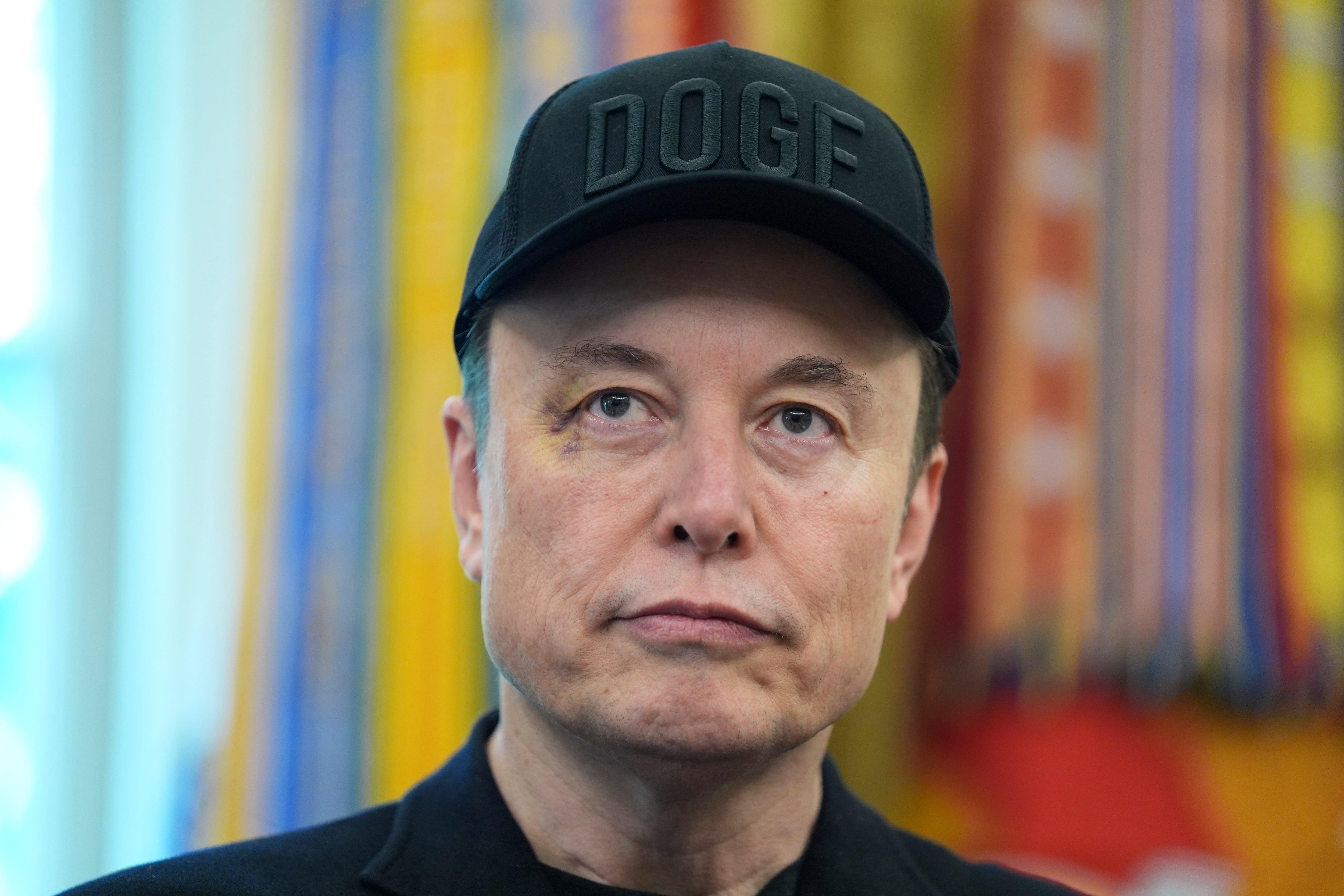
Elon Musk on Monday targeted Apple and OpenAI in an antitrust lawsuit alleging that the iPhone maker and the ChatGPT maker are teaming up to thwart competition in artificial intelligence.
Hear from Gabino & Stephen Roche on Saphyre’s institutional AI platform that centralizes pre‑ and post‑trade data, redefining settlement speed and accuracy.
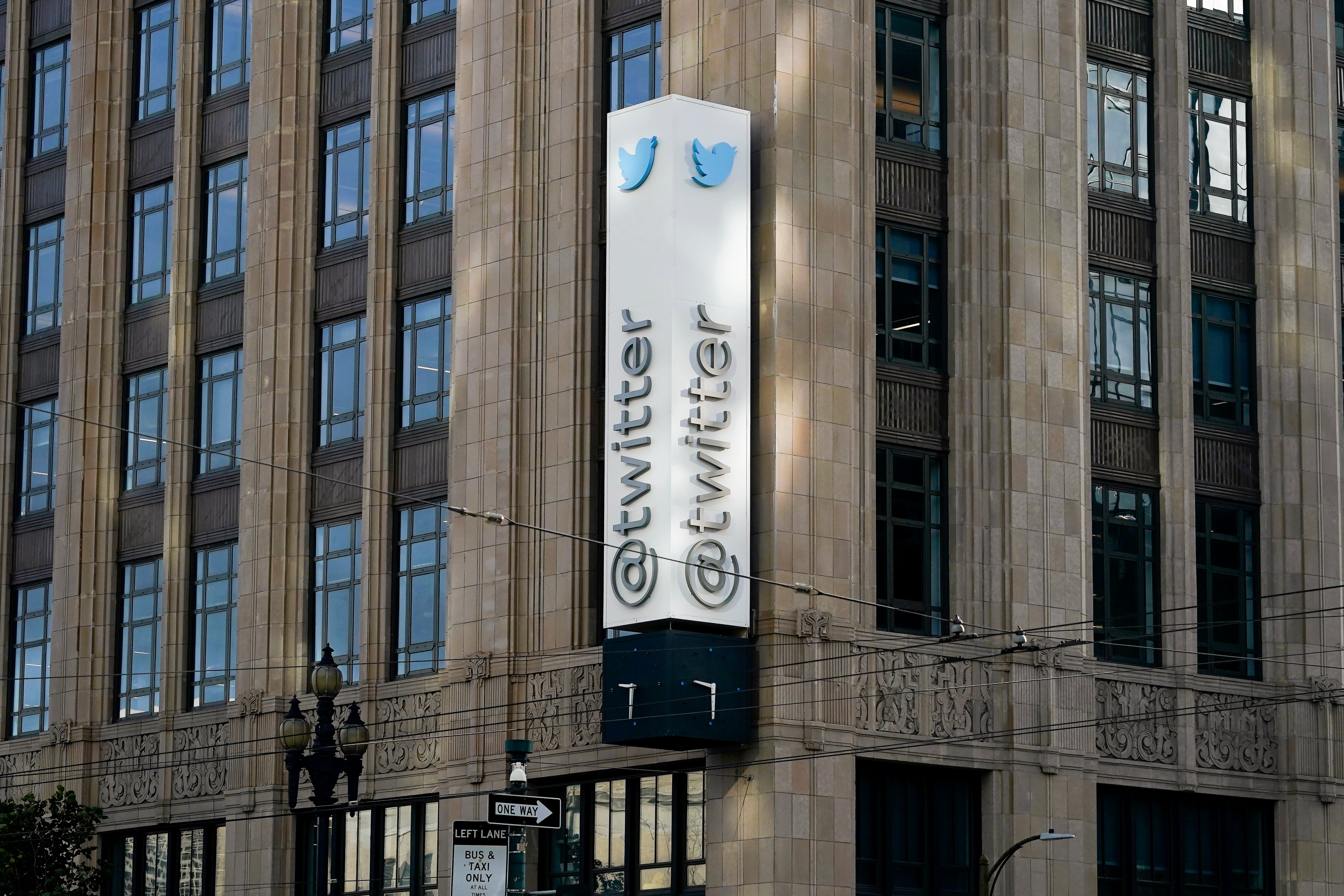
Elon Musk’s X has reached a tentative settlement with former employees of the company then known as Twitter who’d sued for $500 million in severance pay.