Most Millennials Couldn't Afford a $1,000 Emergency, Survey Says
*By Carlo Versano*
Sixty percent of millennials would have to beg, borrow, or steal if confronted with a mere $1,000 in emergency expenses, according to a new [survey](https://www.prnewswire.com/news-releases/lendingtree-survey-finds-more-than-half-of-americans-cant-cover-a-1-000-emergency-with-savings-300769040.html) from LendingTree, which defines the generation as those between 22 and 37 in age.
But the rest of the country doesn't fare much better. Only 42 percent of Gen-X could come up with a grand to cover an emergency, and just 60 percent of Boomers. All told, less than half of all Americans could cover the cost with cash or savings.
The other half said they'd either borrow from family or friends (16 percent), sell something or use a credit card (9 percent each), work more (7 percent), or take out a loan (6 percent).
Brian Karimzad, vice president of research at LendingTree, told Cheddar that millennials were least prepared in part due to the combined $1.5 trillion in student loan debt they are carrying. But asked whether they fared worse than past generations at the same point in time, he said: "the answer is mixed."
Obviously, younger generations are more stretched and less liquid than older generations, though Karimzad noted that millennials born in the 1980s had 34 percent smaller net worth than would have been predicted based on prior generations.
And yet, there is reason to remain optimistic. "This is the most educated generation in history," he said. As millennials advance in their careers and earning potential, that 60 percent number will shrink.
In the meantime, he has some age-old advice: Save. A 401(k) that automatically debits from a paycheck is the best way to avoid the temptation to spend that money instead, he said. However, he noted that money would not typically be available in an emergency situation.
"Try to force that savings," he said. It may be the difference between bouncing back from an emergency or going bankrupt.
For full interview [click here](https://cheddar.com/videos/60-of-millennials-dont-have-enough-for-emergency-expenses).
Stephen Kates, Financial Analyst at Bankrate, joins to discuss the Fed’s 25-basis-point rate cut, inflation risks, and what it all means for consumers and marke
Big tech earnings take center stage as investors digest results from Alphabet, Meta, Microsoft, Amazon, and Apple, with insights from Gil Luria of D.A. Davidson
Disney content has gone dark on YouTube TV, leaving subscribers of the Google-owned live streaming platform without access to major networks like ESPN and ABC. That’s because the companies have failed to reach a new licensing deal to keep Disney channels on YouTube TV. Depending on how long it lasts, the dispute could particularly impact coverage of U.S. college football matchups over the weekend — on top of other news and entertainment disruptions that have already arrived. In the meantime, YouTube TV subscribers who want to watch Disney channels could have little choice other than turning to the company’s own platforms, which come with their own price tags.
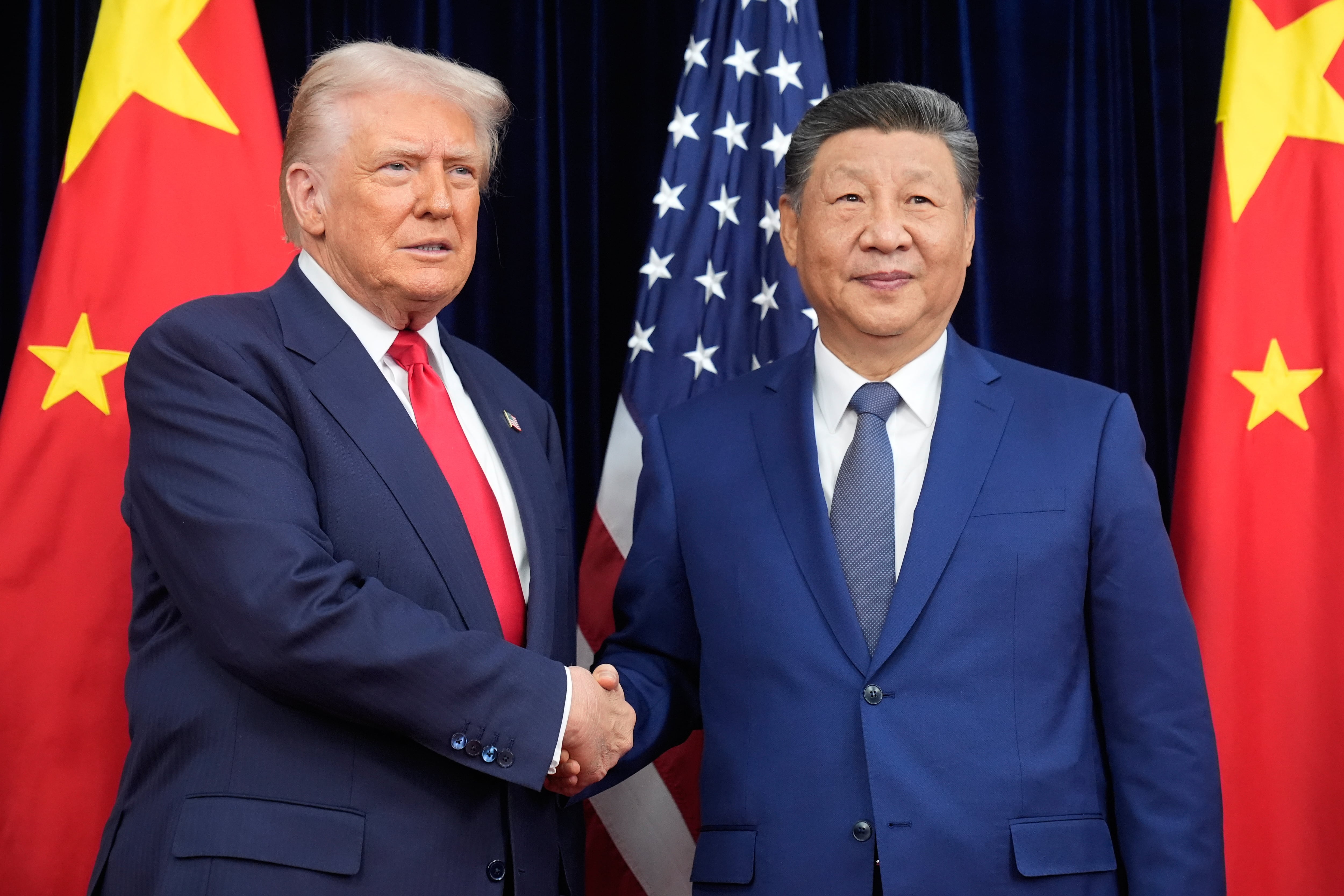
President Donald Trump said he has decided to lower his combined tariff rates on imports of Chinese goods to 47% after talks with Chinese leader Xi Jinping on curbing fentanyl trafficking.
Universal Music Group and AI platform Udio have settled a copyright lawsuit and will collaborate on a new music creation and streaming platform. The companies announced on Wednesday that they reached a compensatory legal settlement and new licensing agreements. These agreements aim to provide more revenue opportunities for Universal's artists and songwriters. The rise of AI song generation tools like Udio has disrupted the music streaming industry, leading to accusations from record labels. This deal marks the first since Universal and others sued Udio and Suno last year. Financial terms of the settlement weren't disclosed.