*By Carlo Versano*
Sixty percent of millennials would have to beg, borrow, or steal if confronted with a mere $1,000 in emergency expenses, according to a new [survey](https://www.prnewswire.com/news-releases/lendingtree-survey-finds-more-than-half-of-americans-cant-cover-a-1-000-emergency-with-savings-300769040.html) from LendingTree, which defines the generation as those between 22 and 37 in age.
But the rest of the country doesn't fare much better. Only 42 percent of Gen-X could come up with a grand to cover an emergency, and just 60 percent of Boomers. All told, less than half of all Americans could cover the cost with cash or savings.
The other half said they'd either borrow from family or friends (16 percent), sell something or use a credit card (9 percent each), work more (7 percent), or take out a loan (6 percent).
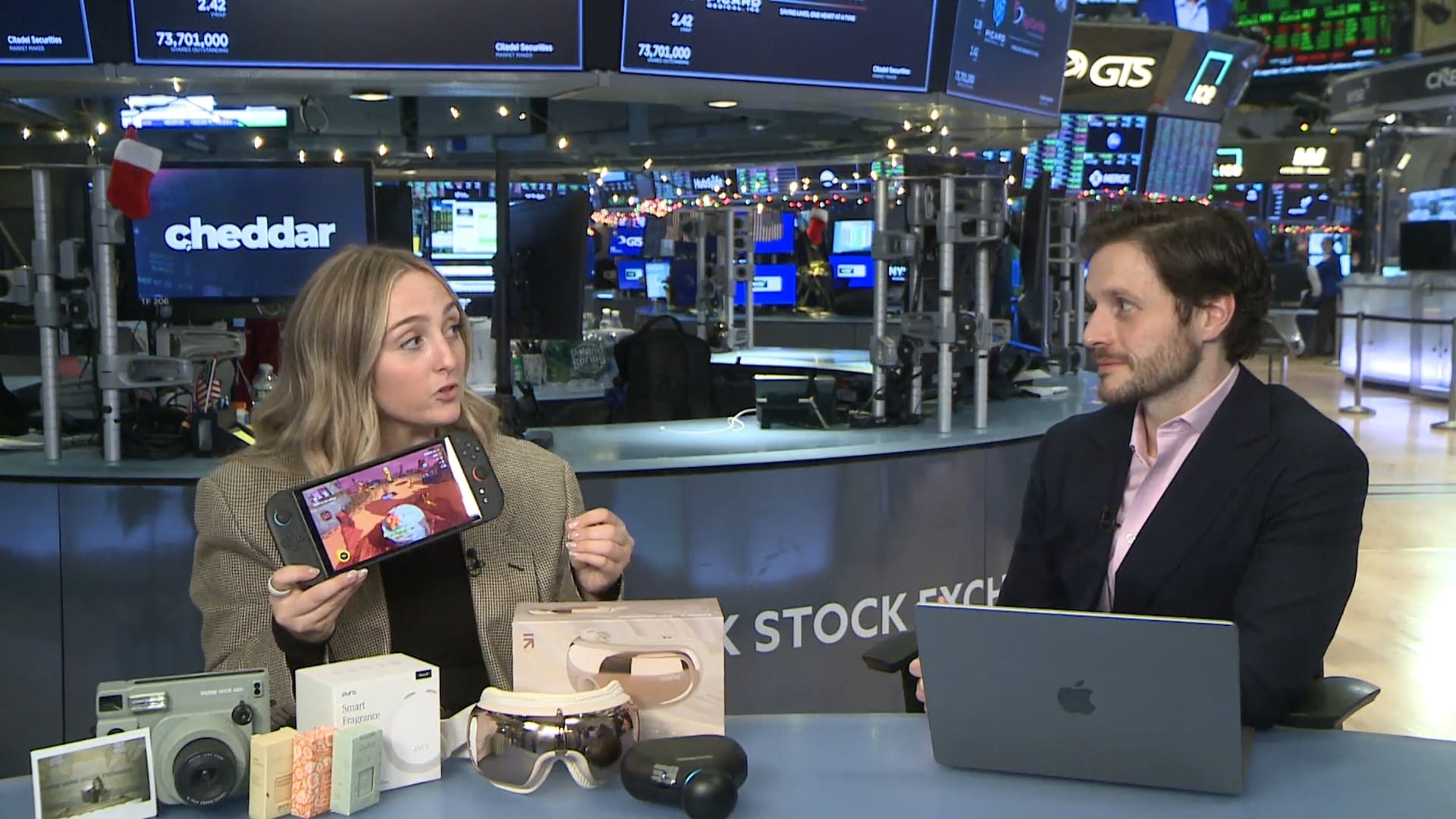
Brian Karimzad, vice president of research at LendingTree, told Cheddar that millennials were least prepared in part due to the combined $1.5 trillion in student loan debt they are carrying. But asked whether they fared worse than past generations at the same point in time, he said: "the answer is mixed."
Obviously, younger generations are more stretched and less liquid than older generations, though Karimzad noted that millennials born in the 1980s had 34 percent smaller net worth than would have been predicted based on prior generations.
And yet, there is reason to remain optimistic. "This is the most educated generation in history," he said. As millennials advance in their careers and earning potential, that 60 percent number will shrink.
In the meantime, he has some age-old advice: Save. A 401(k) that automatically debits from a paycheck is the best way to avoid the temptation to spend that money instead, he said. However, he noted that money would not typically be available in an emergency situation.
"Try to force that savings," he said. It may be the difference between bouncing back from an emergency or going bankrupt.
For full interview [click here](https://cheddar.com/videos/60-of-millennials-dont-have-enough-for-emergency-expenses).
Ford is recalling more than 355,000 of its pickup trucks across the U.S. because of an instrument panel display failure that’s resulted in critical information, like warning lights and vehicle speed, not showing up on the dashboard.
Nvidia reported a 56% increase in second-quarter revenue and a 59% rise in net income compared to a year ago.
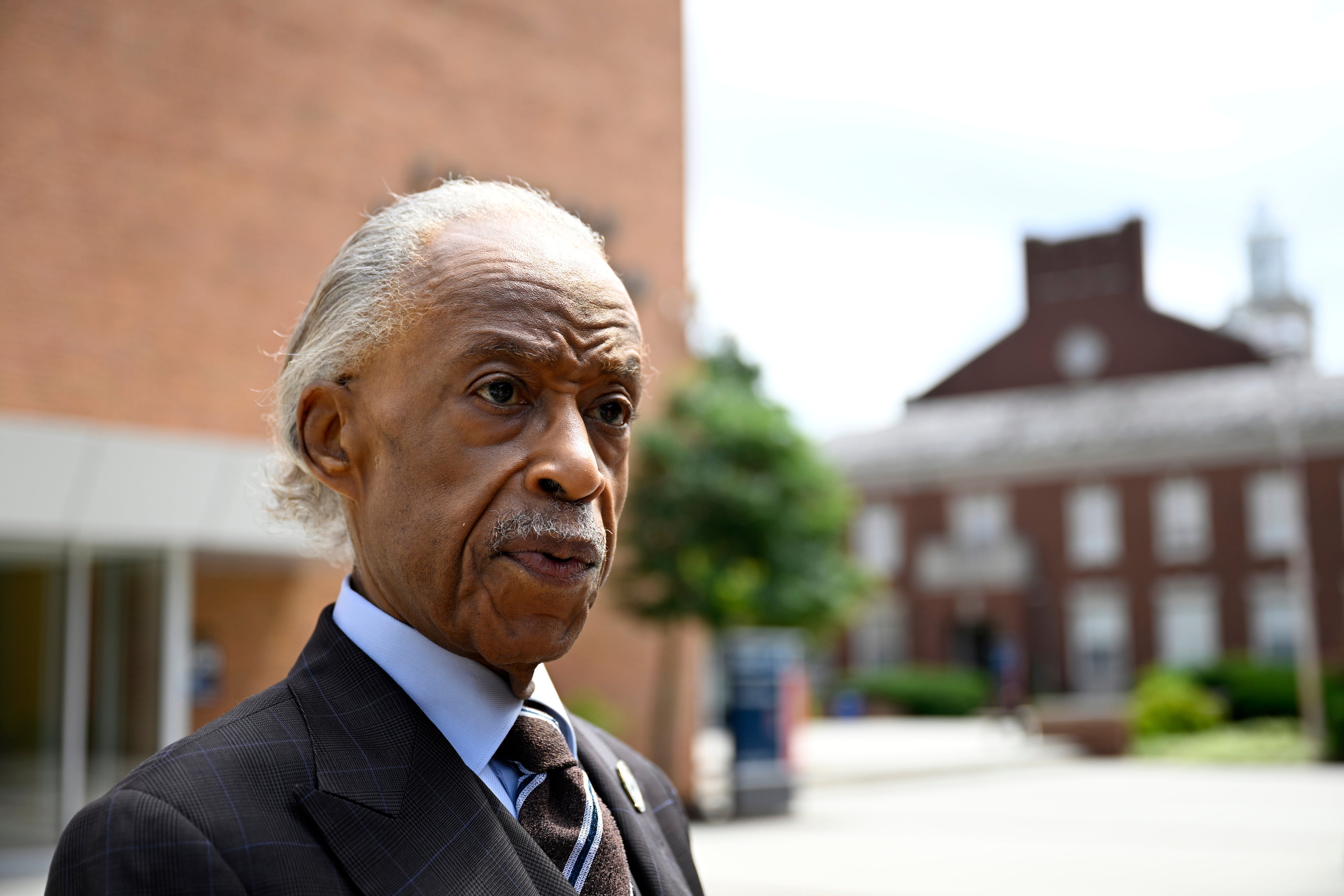
The Rev. Al Sharpton is set to lead a protest march on Wall Street to urge corporate America to resist the Trump administration’s campaign to roll back diversity, equity and inclusion initiatives. The New York civil rights leader will join clergy, labor and community leaders Thursday in a demonstration through Manhattan’s Financial District that’s timed with the anniversary of the Civil Rights-era March on Washington in 1963. Sharpton called DEI the “civil rights fight of our generation." He and other Black leaders have called for boycotting American retailers that scaled backed policies and programs aimed at bolstering diversity and reducing discrimination in their ranks.
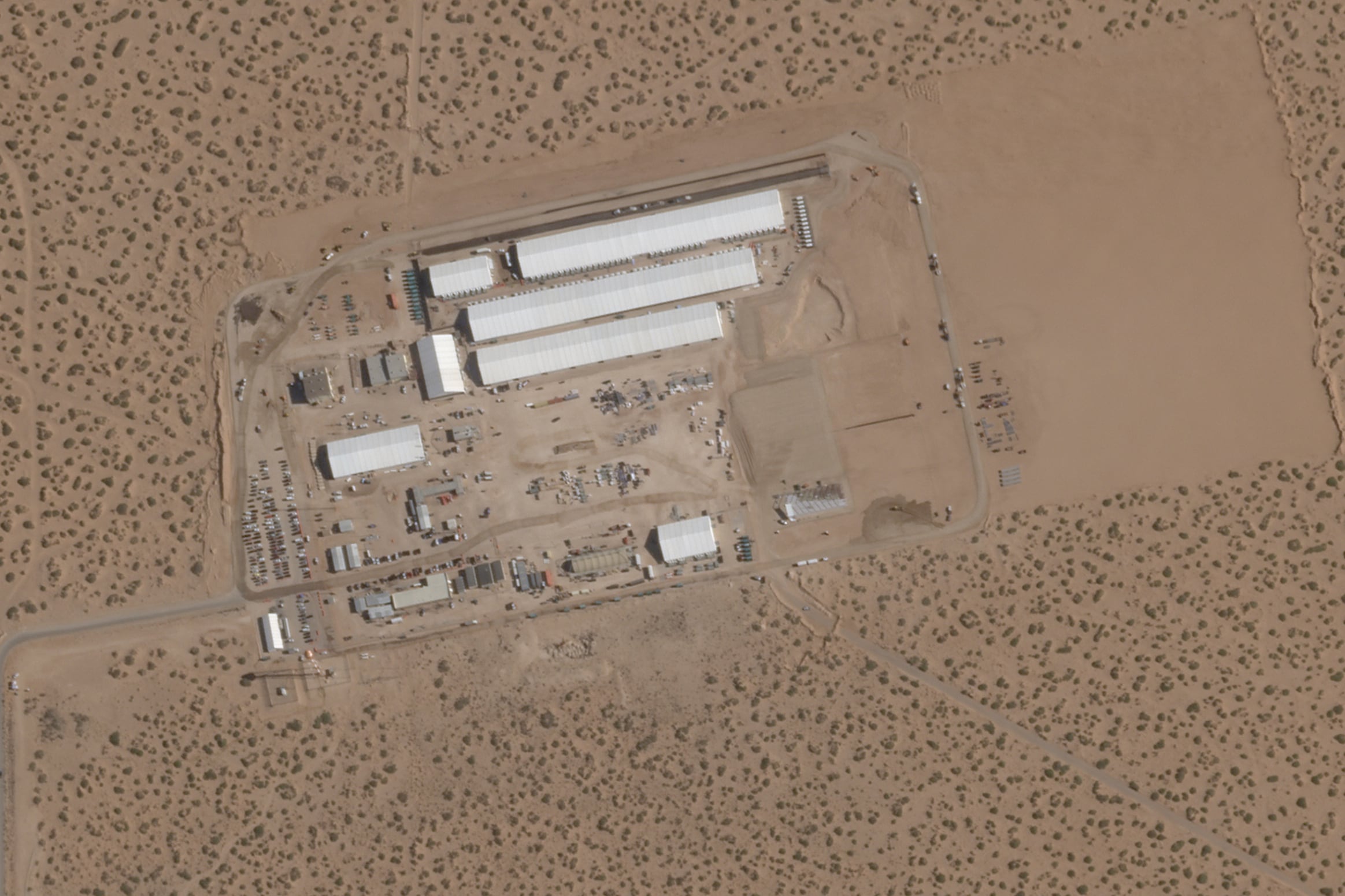
President Donald Trump's administration last month awarded a $1.2 billion contract to build and operate what's expected to become the nation’s largest immigration detention complex to a tiny Virginia firm with no experience running correction facilities.
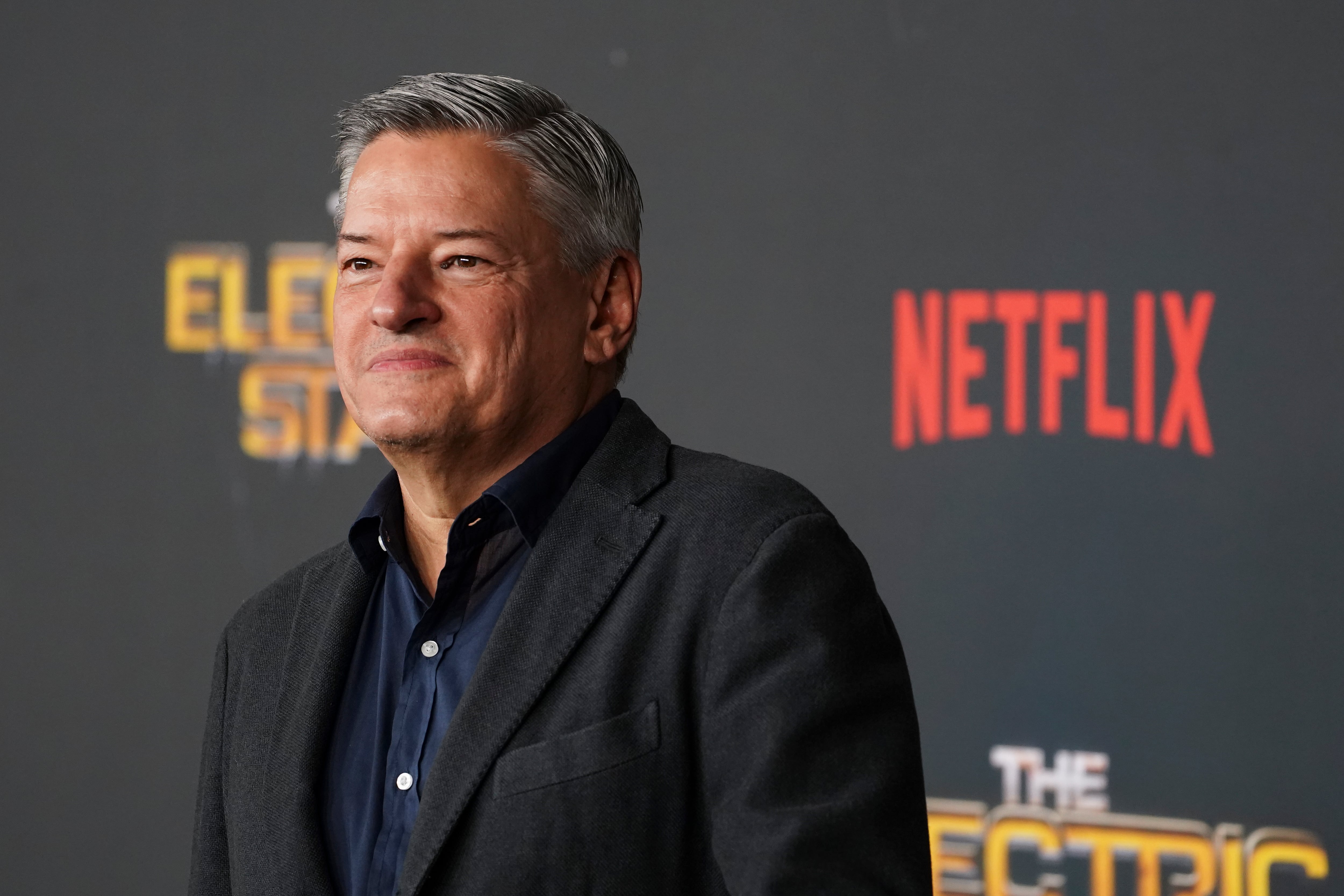
Netflix CEO Ted Sarandos claims audiences don't want to watch Netflix movies in theaters, but that seems not to be the case recently.
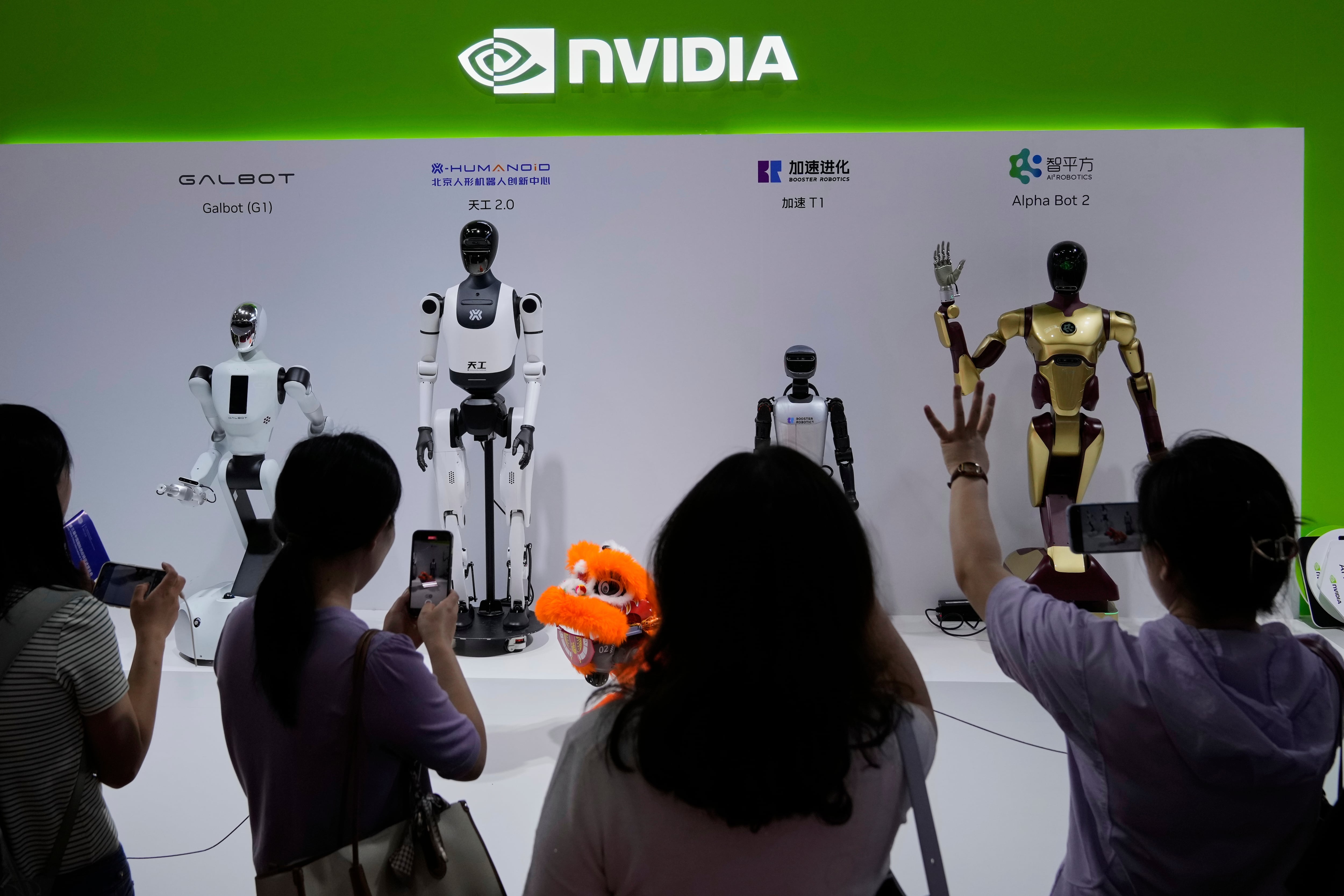
Chipmaker Nvidia is poised to release a quarterly report that could provide a better sense of whether the stock market has been riding an overhyped artificial intelligence bubble or is being propelled by a technological boom that’s still gathering momentum.
Cracker Barrel said late Tuesday it’s returning to its old logo after critics — including President Donald Trump — protested the company’s plan to modernize.
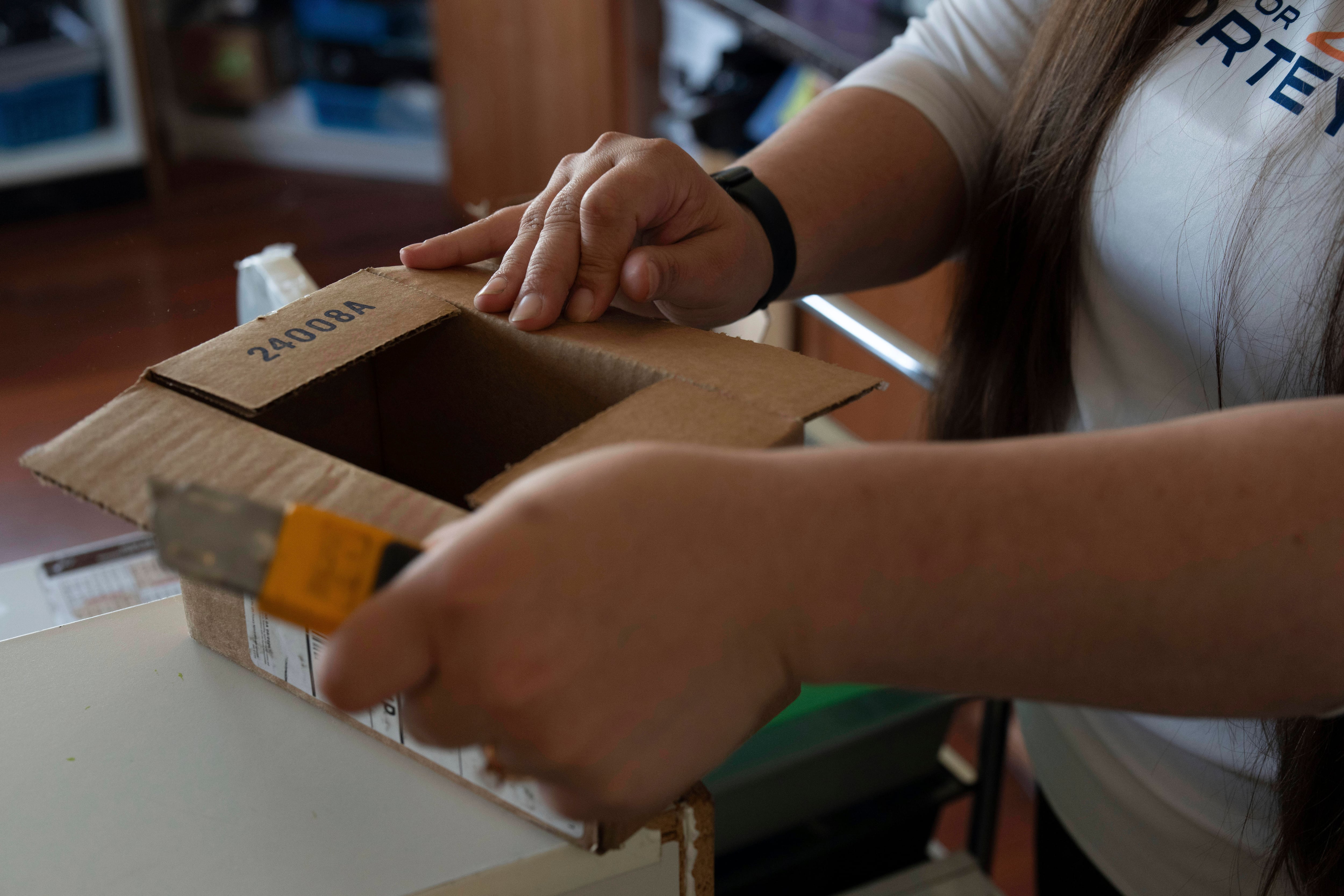
Low-value imports are losing their duty-free status in the U.S. this week as part of President Donald Trump's agenda for making the nation less dependent on foreign goods. A widely used customs exemption for international shipments worth $800 or less is set to end starting on Friday. Trump already ended the “de minimis” rule for inexpensive items sent from China and Hong Kong, but having to pay import taxes on small parcels from everywhere else likely will be a big change for some small businesses and online shoppers. Purchases that previously entered the U.S. without needing to clear customs will be subject to the origin country’s tariff rate, which can range from 10% to 50%.
Southwest Airlines will soon require plus-size travelers to pay for an extra seat in advance if they can't fit within the armrests of one seat. This change is part of several updates the airline is making. The new rule starts on Jan. 27, the same day Southwest begins assigning seats. Currently, plus-size passengers can pay for an extra seat in advance and later get a refund, or request a free extra seat at the airport. Under the new policy, refunds are still possible but not guaranteed. Southwest said in a statement it is updating policies to prepare for assigned seating next year.
Cracker Barrel is sticking with its new logo. For now. But the chain is also apologizing to fans who were angered when the change was announced last week.