Milk and Eggs' Farm-To-Table Grocery Delivery Service
*By Madison Alworth*
Grocery delivery start-up Milk and Eggs, thanks to a fresh $6 million of new funding, may be expanding beyond its Los Angeles home, according to the company's CEO.
"We’re gonna start scaling and doing what we’re planning on doing ー hit our benchmarks,” Kenneth Wu said Monday in an interview on Cheddar.
"Our goal right now is to continue scaling with this first round of funding. Get L.A., Orange County completely fortified, really completely positive. And then essentially move to the top 10 cities in the U.S."
The start-up describes itself as a direct producer-to-consumer operation. It's not just a matter of delivering produce to digitally-connected customers, but sourcing that produce to local farmers.
“We’re essentially an online farmers' market, plus a grocery delivery arm. So imagine when you order those carrots or those apples, they’re sitting in a tree somewhere or somewhere in the ground," Wu said.
"\[The farmers and producers will\] get it turned around, and we’ll get it delivered to your door in essentially five hours.”
It may seem at first glance that a local and organic company like Milk and Eggs would carry a high price tag.
But Wu said since his company directly works with farmers and uses data optimization, Milk and Egg intends to keep its prices low.
“For every dollar that a normal consumer spends at a grocery store, only 16 cents goes to the actual farmer, so there’s a lot of logistics and supply and real estate and merchandising," Wu said. "So we mediate that entire supply chain and at the same time speed up the freshness.”
Certainly Amazon ($AMZN) often comes to mind when consumers think of the grocery delivery space.
But the e-commerce giant doesn't scare Wu.
“For Amazon, obviously, about a year and a half ago, they acquired Whole Foods. That, for us, was great, because for one, it gave us clarity in what direction Amazon’s heading in, because prior to that, it was Amazon Fresh, and you never knew what direction they were going to head in," he said.
"We know they’re gonna do, essentially, last mile delivery from the grocery store. For us, we essentially are different than them in the fact that we don't involve the supermarket and completely change the supply chain altogether."
For full interview [click here](https://cheddar.com/videos/produce-delivery-company-milk-and-eggs-raises-6-million).
Former Cisco Systems CEO John Chambers learned all about technology’s volatile highs and lows as a veteran of the internet’s early boom days during the late 1990s and the ensuing meltdown that followed the mania. And now he is seeing potential signs of the cycle repeating with another transformative technology in artificial intelligence. Chambers is trying take some of the lessons he learned while riding a wave that turned Cisco into the world's most valuable company in 2000 before a crash hammered its stock price and apply them as an investor in AI startups. He recently discussed AI's promise and perils during an interview with The Associated Press.
Grove Collaborative’s CEO shares how the company is reinventing everyday goods with sustainability at the core and working toward a plastic-free future.
Atlanta Mayor Andre Dickens shares plans for affordable housing, community-led growth, and why private and public grocery stores could be key to food equity.
Tesla reported a surprise increase in sales in the third quarter as the electric car maker likely benefited from a rush by consumers to take advantage of a $7,500 credit before it expired on Sept. 30. The company reported Thursday that sales in the three months through September rose 7% compared to the same period a year ago. The gain follows two quarters of steep declines as people turned off by CEO Elon Musk’s foray into right-wing politics avoided buying his company’s cars and even protested at some dealerships. Sales rose to 497,099 vehicles, compared with 462,890 in the same period last year.
Tom’s Guide Editor-in-Chief Mark Spoonauer breaks down Apple & Amazon's latest product drops—what's hot, what's hype, and what really matters for users.
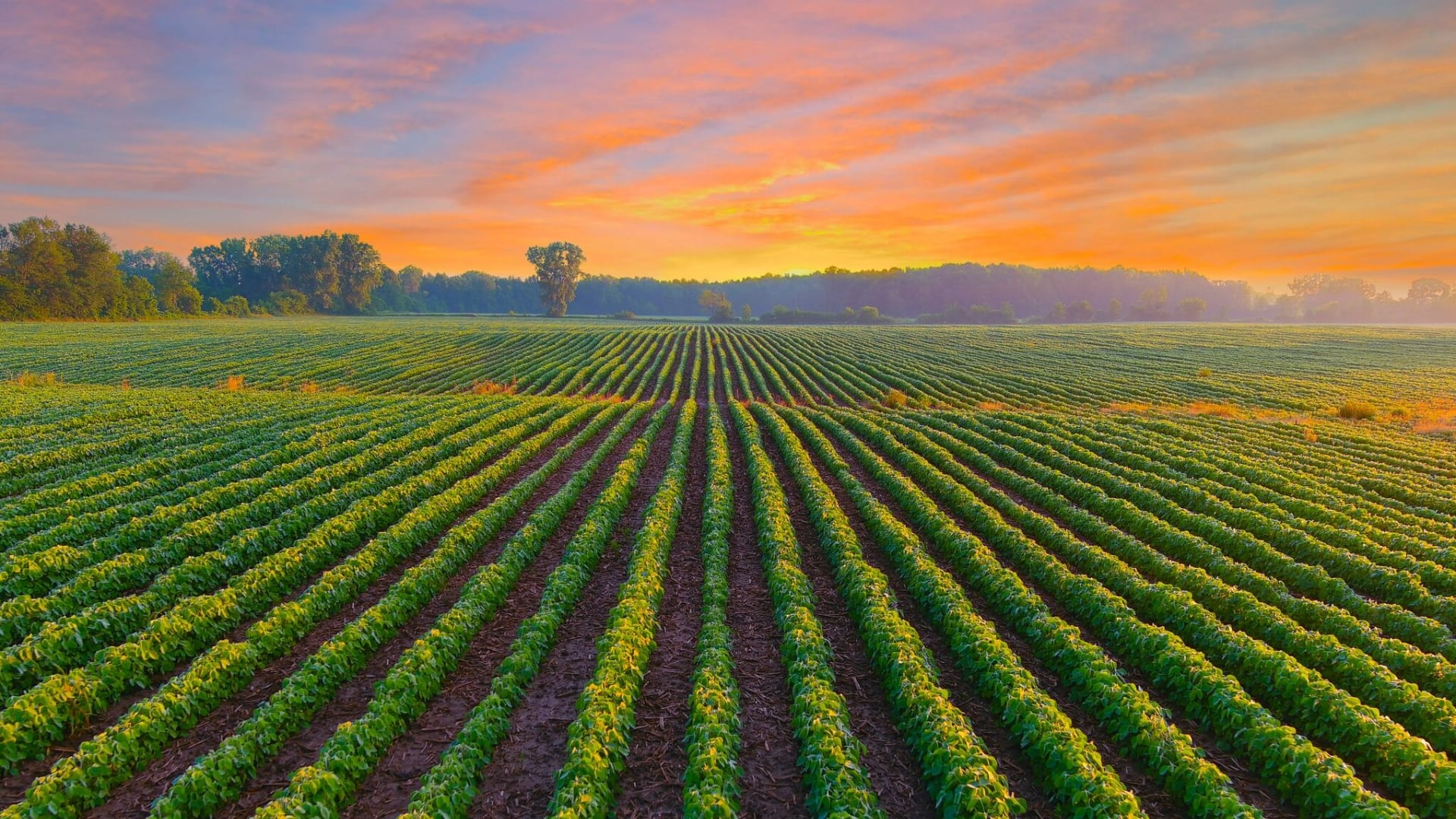
InnerPlant CEO Shely Aronov reveals how engineered crops like soybeans and corn emit signals when stressed—offering farmers early warnings to boost yields.