Microsoft "permanently disabled" Internet Explorer on Valentine's Day, shutting down a web browser that for a long time has stood in the shadow of newer, better web browsers.
Microsoft Edge has co-existed with Internet Explorer for years, but now it will be the default browser on all Windows devices.
“Not only is Microsoft Edge a faster, more secure and more modern browsing experience than Internet Explorer, but it is also able to address a key concern: compatibility for older, legacy websites and applications,” Sean Lyndersay, general manager of Microsoft Edge Enterprise, wrote in a 2021 blog post announcing Internet Explorer's eventual demise.
The browser launched in 1995 and for a long time was the most popular entry point to the web. Then federal regulators in 1997 sued Microsoft for requiring computer makers to use Internet Explorer as part of Windows.
The legal pressure eventually forced Microsoft to open up Windows to other browsers, which soon gained market share.
Google's Chrome now makes up 65 percent of the browser market, and Apple's Safari makes up 19 percent, according to analytics company Statcounter. As for Microsoft Edge, it currently stands at around 4 percent.
Internet Explorer's final version came out in 2013.
While more nostalgic web denizens lamented the brower's passing, others commented that it had become "bug-ridden and insecure," and noted that it was primarily used for downloading other browsers.
Liz Mann, EY Americas Cybersecurity Consulting Leader, joins Cheddar News to discuss the state of cybersecurity in 2022, ways to implement preventative cybersecurity practices, and what the next generation of authentication looks like.
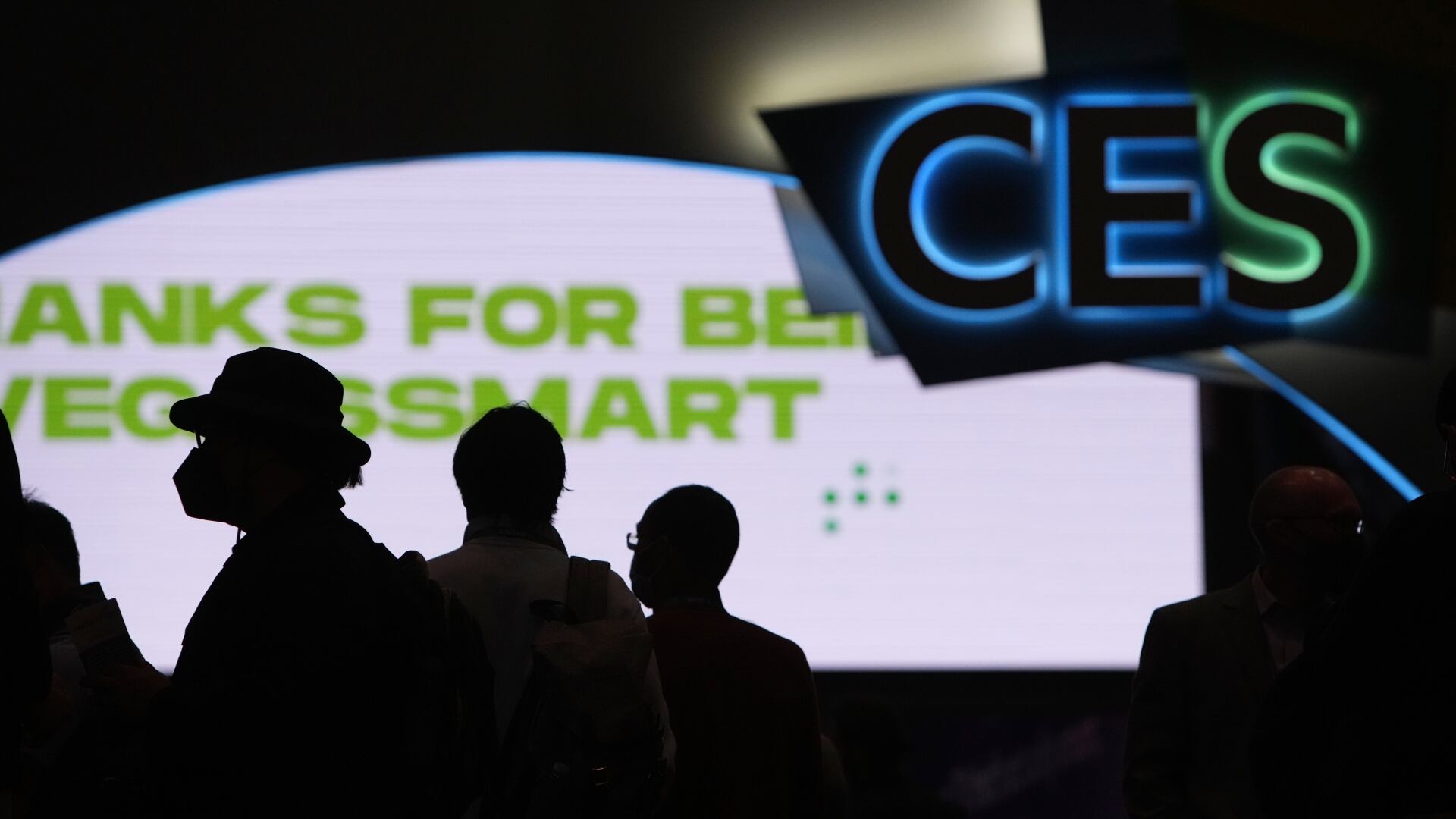
CES, the world’s largest annual tech trade show kicked off in Las Vegas on Wednesday. Cheddar News speaks with Ian Sherr, editor at large for CNET, about this year’s biggest trends.
At a time when banks in countries like Australia and Spain are offering customers cryptocurrency assets for the first time, Josh Goodbody, COO of Qredo, believes we're going to see more financial institutions across the world unveil their crypto solutions this year after developing them behind the scenes last year. He joined Cheddar News' Closing Bell to discuss.
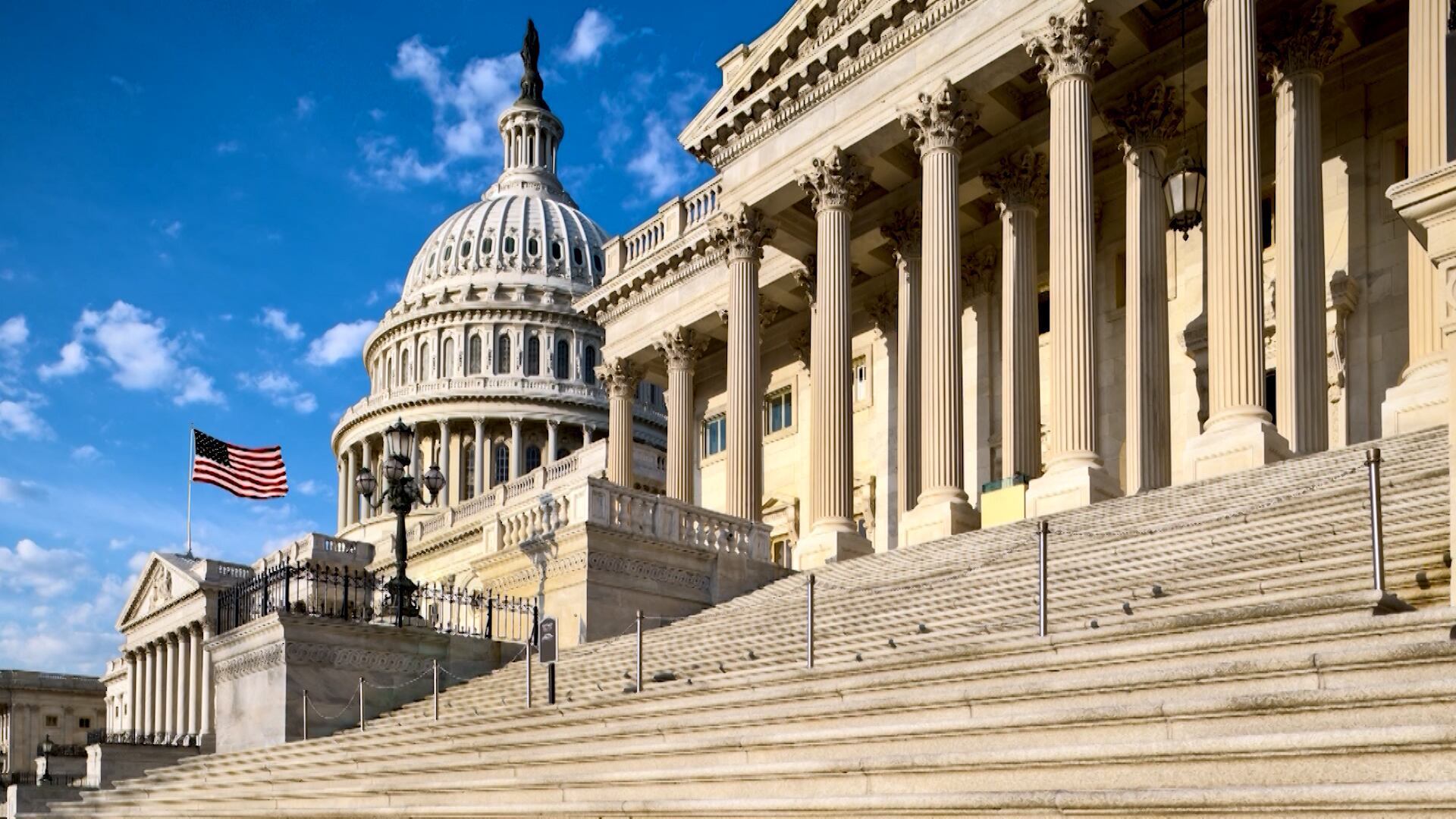
The new year has just gotten underway, but the clock is already ticking for the Democratic-led Congress to pass bills regulating big tech. Evan Greer, Director for Fight For the Future, joins Cheddar News to explain why Democratic lawmakers would want to push legislation now, and what a Republican takeover would mean for the industry.
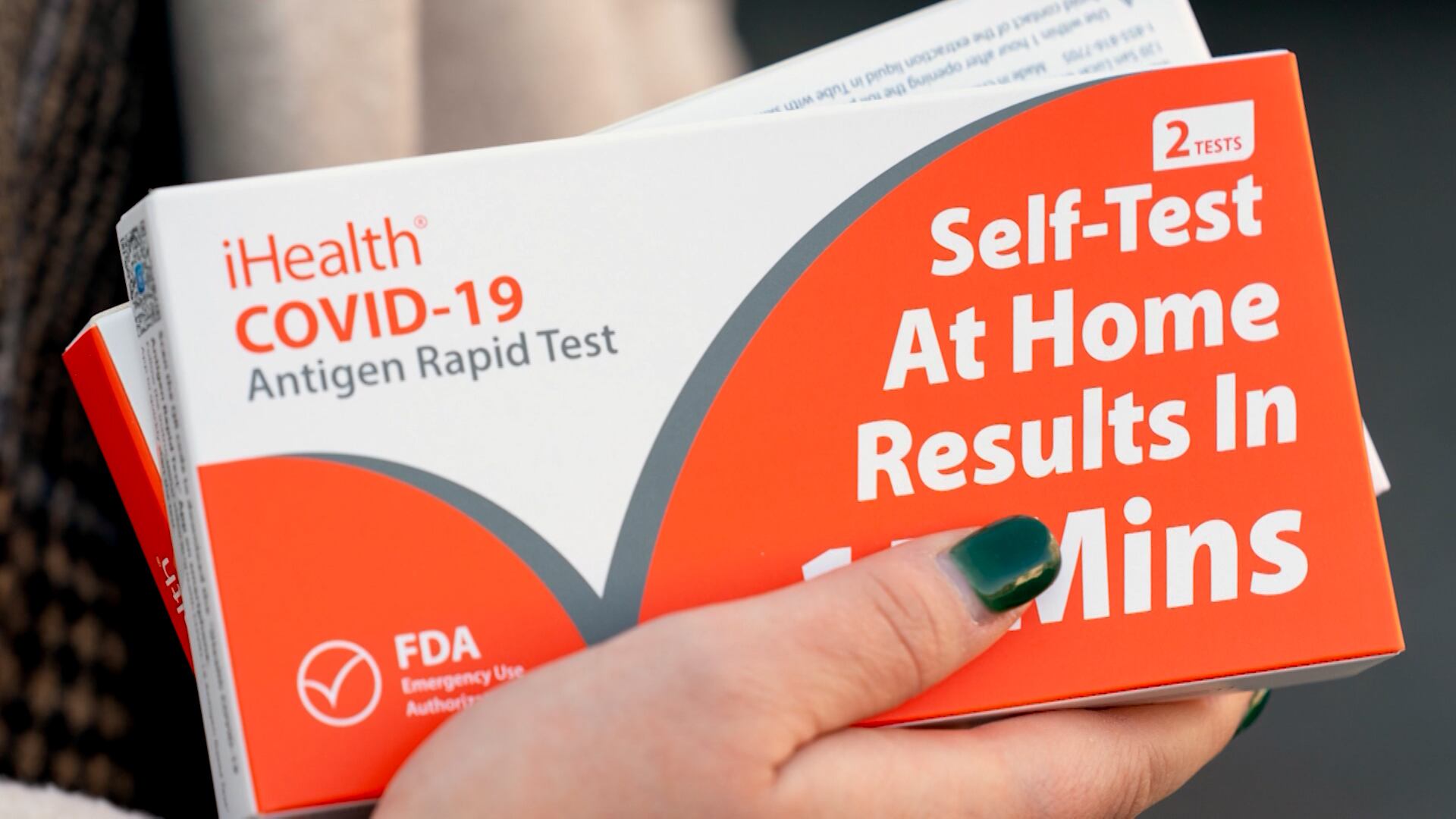
Americans looking to purchase at-home COVID-19 tests will now have to shell out a bit more money after an agreement expired between the White House and companies to sell the tests at cost. The price of Abbot's BinaxNow test kit from October to December was $14 apiece; on Tuesday, Walmart's website listed the test for $19.88, and Kroger listed the tests for $23.99. Carbon Health Regional Clinical Director Dr. Bayo Curry-Winchell joined Cheddar News' Closing Bell to discuss the impact higher prices will have as the nation experiences another surge in cases.
2022 is set to be a big year for autonomous technology. After many new partnerships, acquisitions, and developments in 2021, all eyes will be on the self-driving sector to see what progress, or lack there-of, will be made this year. Soroush Salehian, CEO and co-founder of Aeva, gives a look at what's ahead for the industry.