This presidential election cycle has a record number of women running for commander-in-chief. Still, these female candidates must navigate the question of "electability," a double-standard ー one former Hillary Clinton staffer says ー that they will have to beat back throughout the campaign.
"The ultimate answer is that to be electable, you have to win," said Amanda Litman, the executive director of Run for Something, a political action committee that aims to elect young Democrats. Litman previously served as the email director for Hillary Clinton's 2016 presidential campaign.
"It's important to step back and realize what we're talking about when we talk about electability. It's the understanding of what voters think that other voters wants. It is an entirely faulty premise based on racist, sexist, and classist understandings of what a president looks like."
"It is total garbage," she argues.
Litman says that in order to challenge the conception that women can't win higher elected offices, it will require support for different types of female leaders, finding ways to make voters and donors comfortable in expressing support for their favored-candidates, and building a stronger pipeline of qualified female politicians through state and local races.
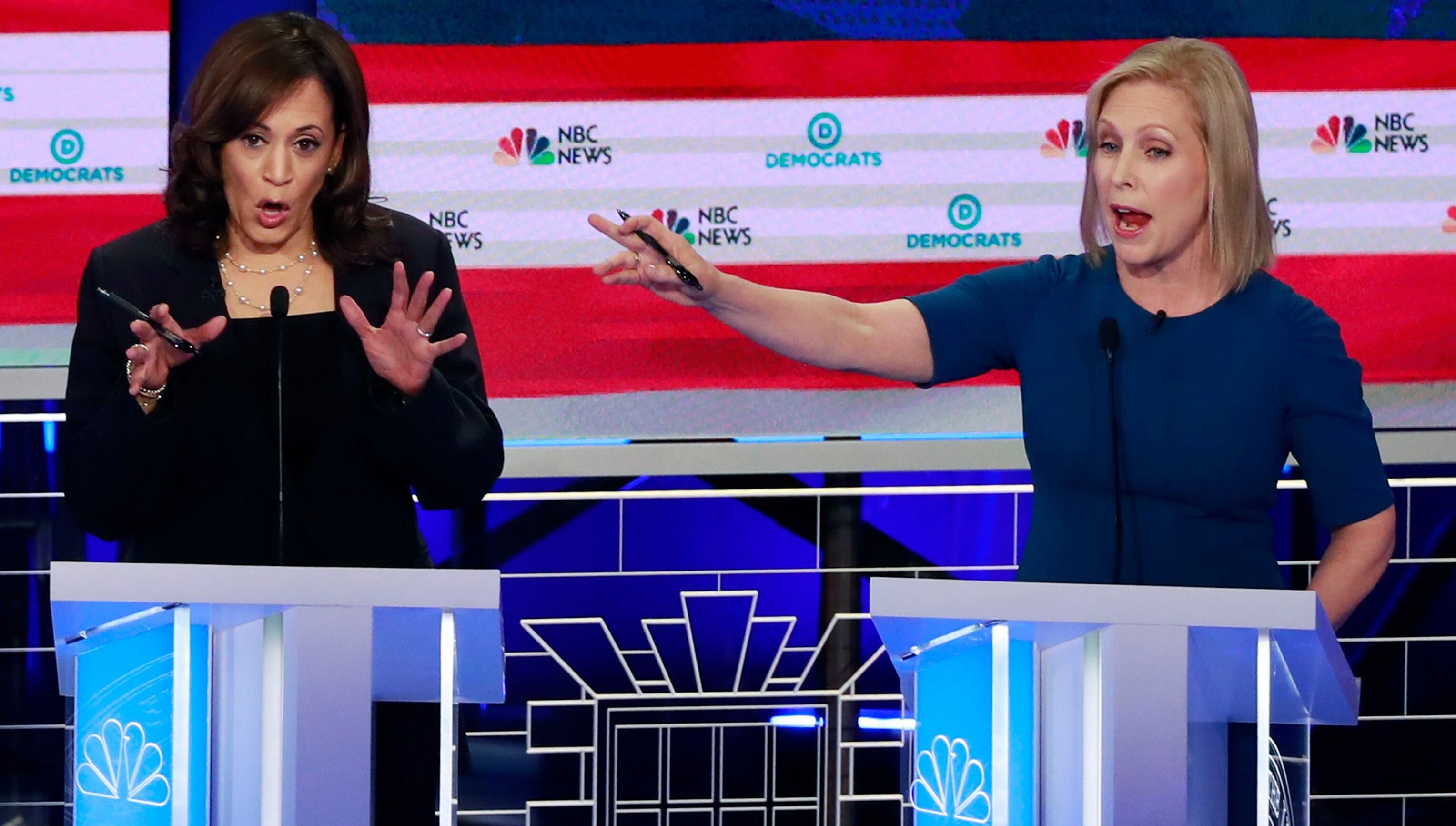
"We saw Kamala Harris in the debate really take on her opponents in a way that was sort of masculine-coded leadership. We've seen Elizabeth Warren whip out plan after plan after plan. We've see Kirsten Gillibrand be aggressive with interviewers who she doesn't think are giving her a fair shake," said Litman. "Each of them is showing a different way of being a female leader."
"Over the last two years, the number of women of color in state legislatures has more than tripled. The number of women in state legislators writ large has gone up by huge numbers," added Litman. "This means, down the line, there will be more qualified women to run for Congress, for governor, and for president."
A record number of women were elected to Congress in the 2018 midterm election, and a record number of women of color were elected to the House of Representatives. Meanwhile, women hold nearly 30 percent of state legislative seats ー totaling more than more than 2,100 ー according to the Center for American Women and Politics at Rutgers.
"Women need this experience in order to be considered serious leaders," Litman said. "A woman couldn't get away with a weak resume like a man could."
She pointed out that the serious female contenders for president ー Sen. Kamala Harris, Sen. Elizabeth Warren, Sen. Kirsten Gillibrand, Sen. Amy Klobuchar, and Sen. Tulsi Gabbard ー are all current lawmakers. The exception: author and public speaker Marianne Williamson, who has qualified to participate in the second round of the Democratic debates.
Litman says that women can beat male competitors by being willing to work harder and engaging on issues like child care, health care, school, and the opioid crisis. "Mediocre women don't tend to run for office. Only excellent women do," she said.
"The ultimate answer is that to be electable, you have to win," Litman added.
Following the surprising big beat on estimates for the January jobs report, William M. Rodgers III, vice president and director of the Institute for Economic Equity at the Federal Reserve Bank of St. Louis, joined Cheddar News to break down the data. “We ended 2021 with a strong crescendo to a recovery that had taken hold, and we started 2022 in good fashion." He also discussed the dueling pressures of wage growth and inflation.
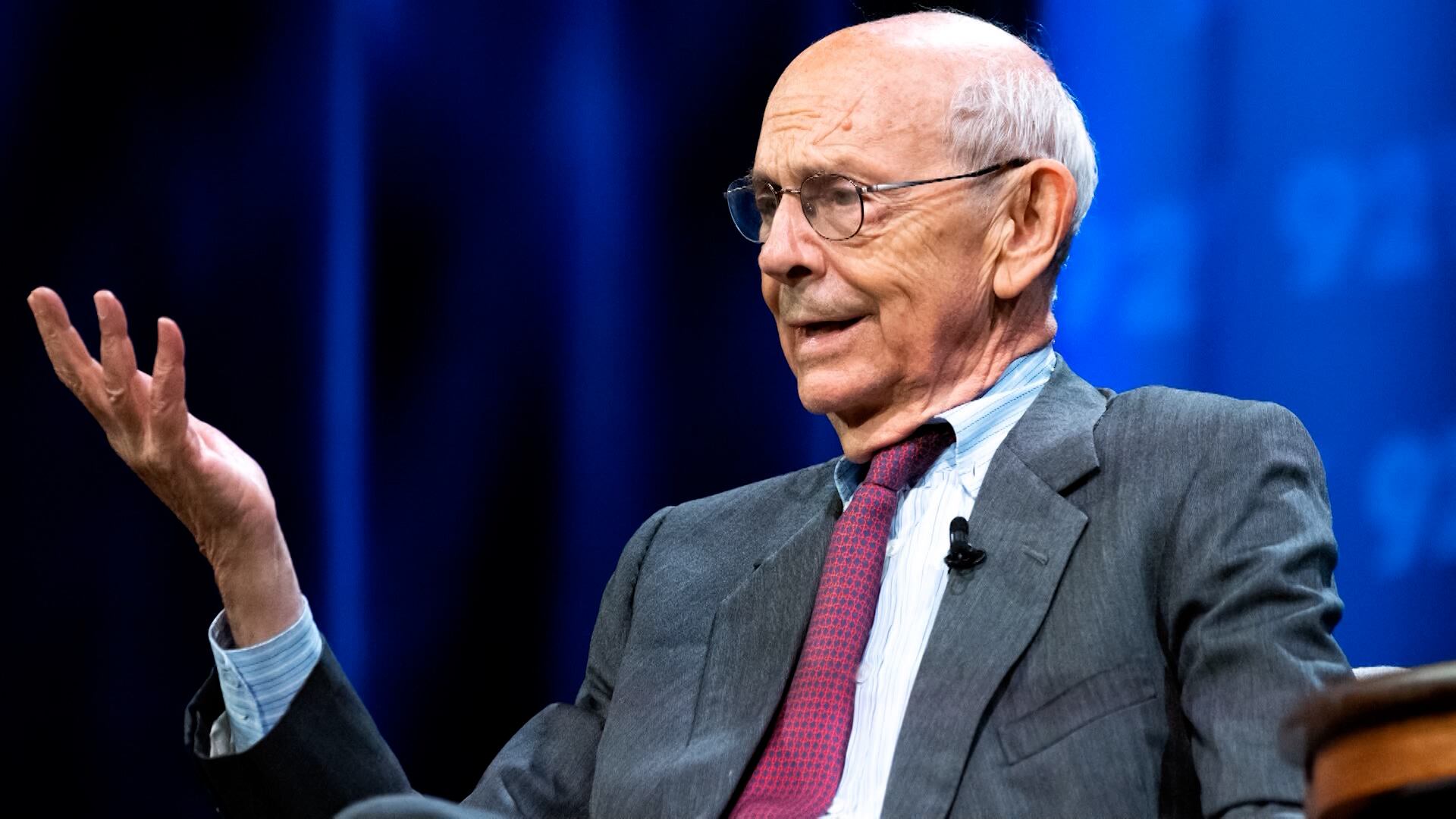
Jessica Mason Pieklo, senior vice president and executive editor of the Rewired News Group and co-host of the podcast. "Boom! Lawyered," joins Cheddar Politics to discuss Justice Stephen Breyer's retirement, legacy and potential replacement on the Supreme Court.
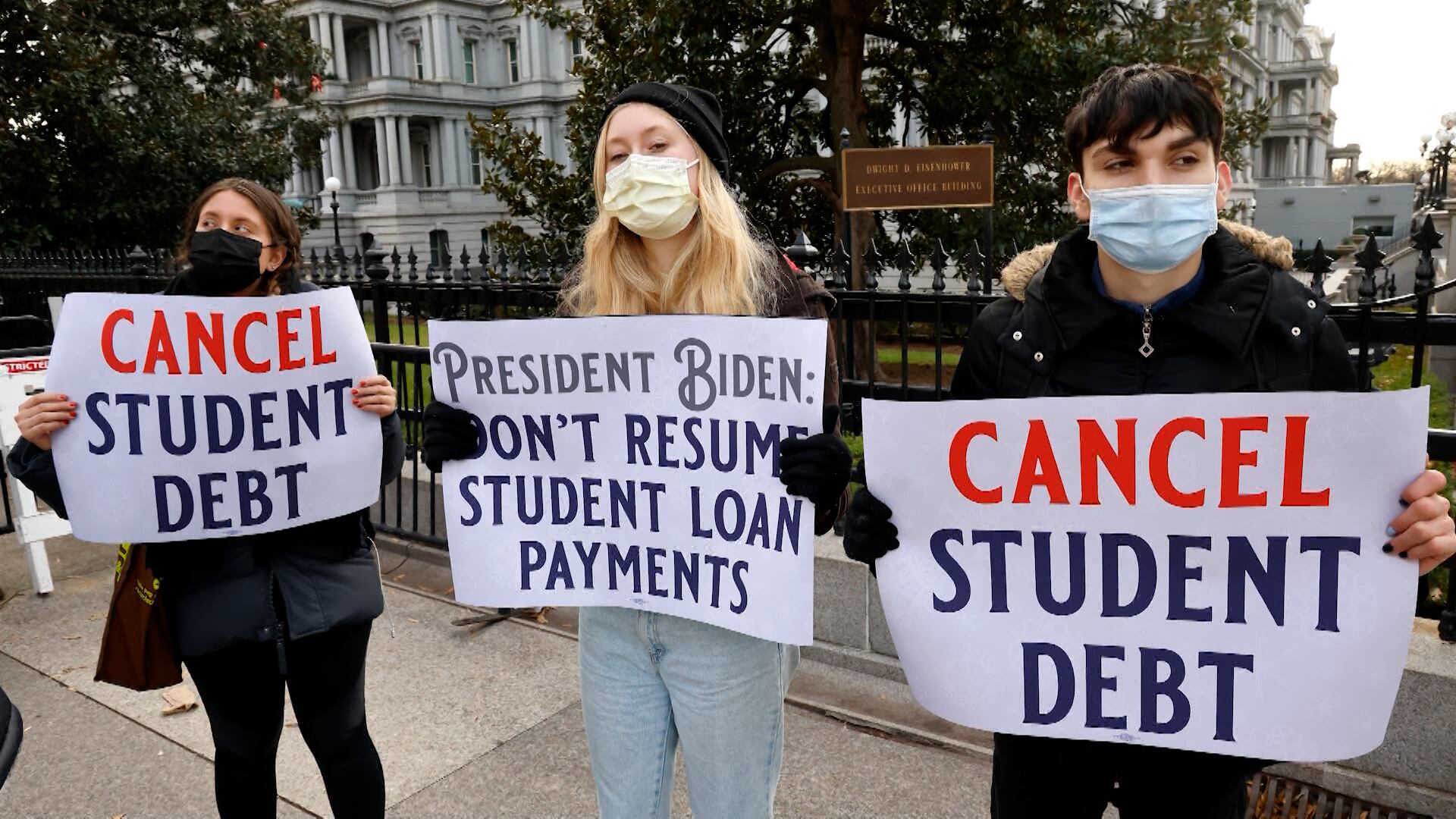
The Biden administration delivered a temporary win for student loan borrowers this year by extending the moratorium on federal payments for a few more months. That moratorium is coming to an end on May 1st and borrowers will again have their monthly loan payment plopped in their lap.
Stephanie Vanderslice, a creative writing professor paying off debt through the Parent Plus program, and Mike Pierce, executive director of the Student Borrower Protection Center, join Cheddar Politics to discuss.
2022 was already going to be a big year for the Supreme Court. We have decisions on major issues like abortion and gun rights on the way. Then, Justice Stephen Breyer announced his retirement and that set up a major confirmation fight for later this year. Amy Howe, co-founder of SCOTUSblog, joins Cheddar Politics to discuss.
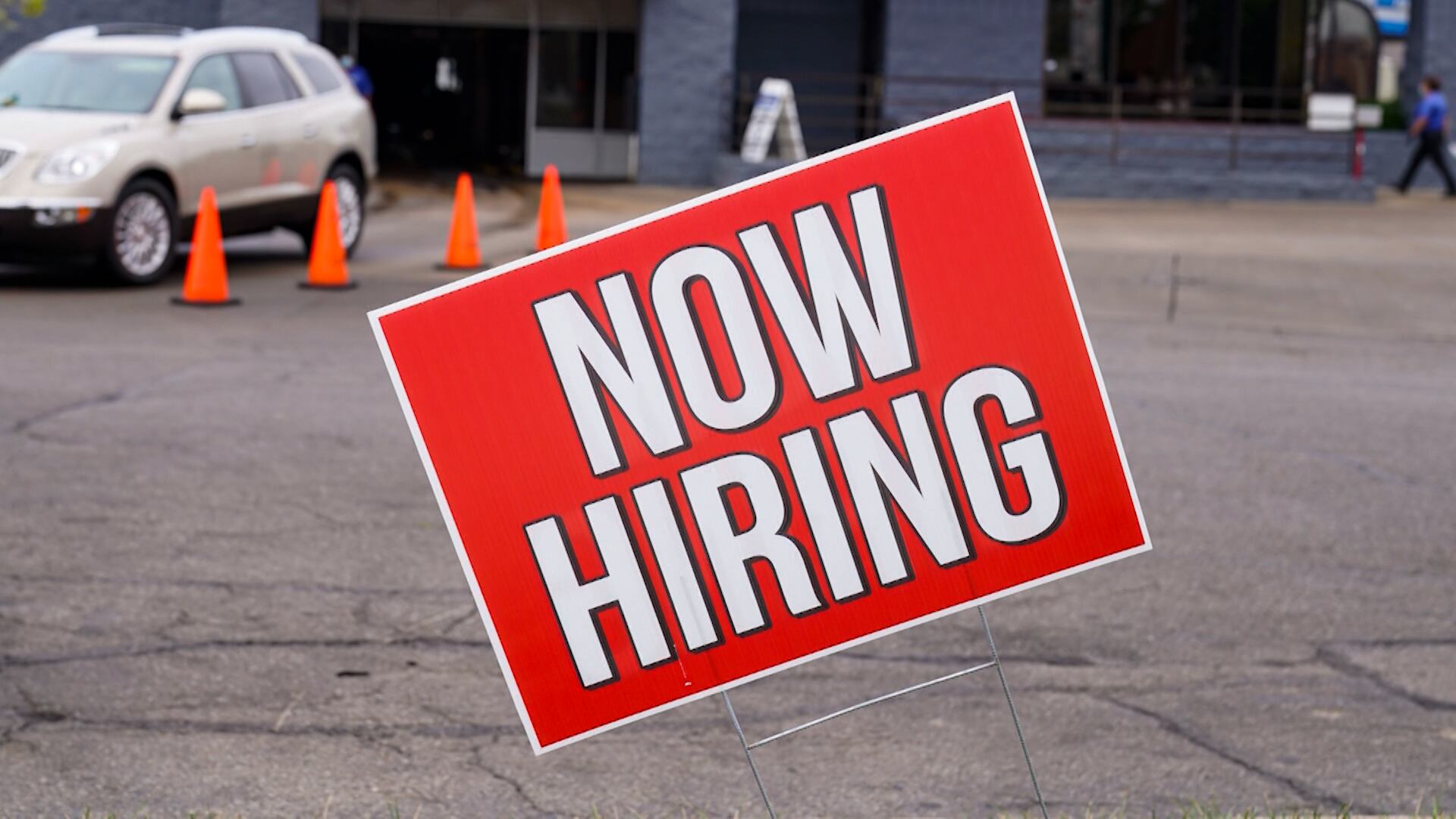
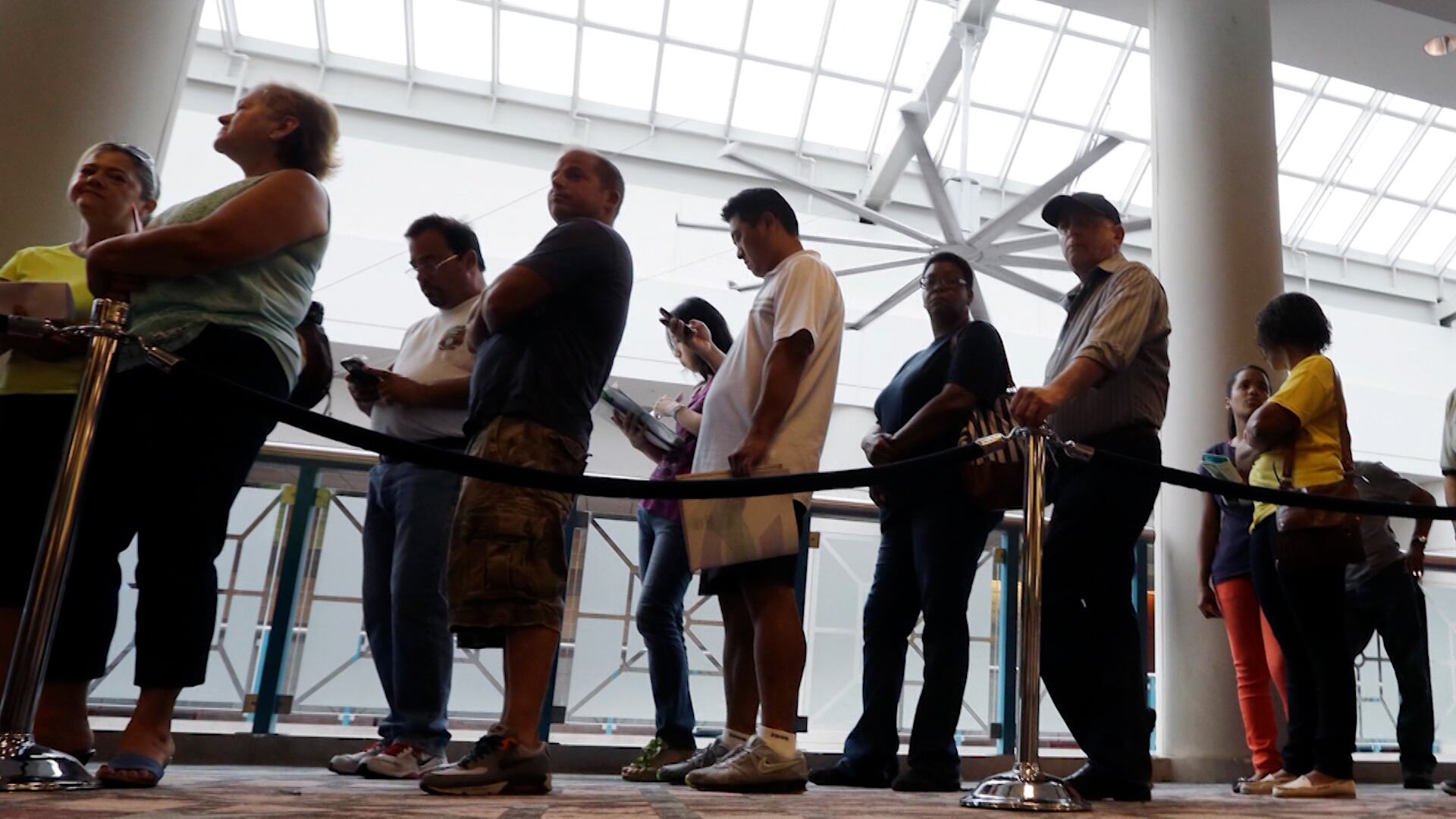
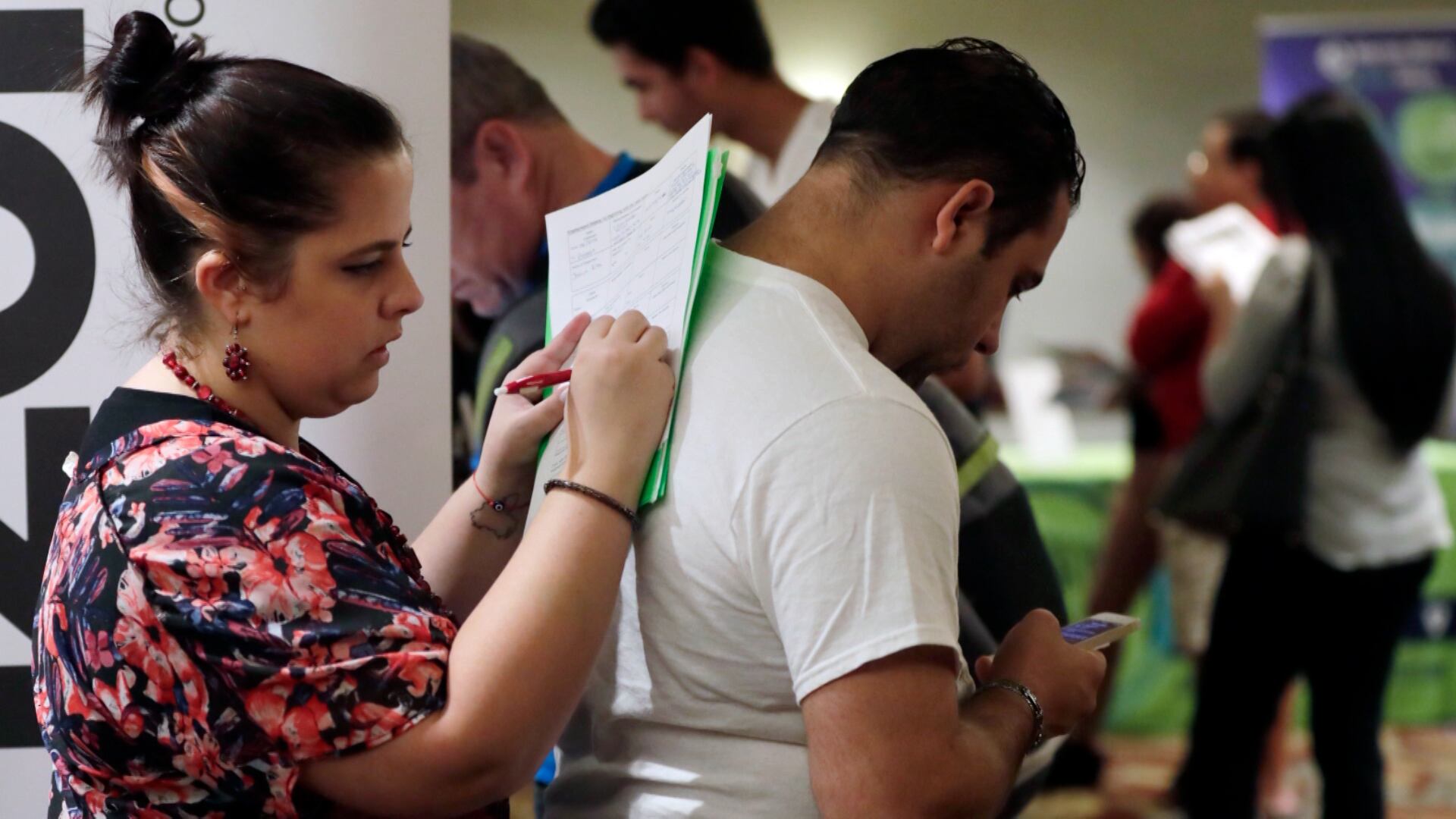
The Labor Department released a better-than-expected report of 467,000 jobs added in January. Heather Boushey, Council of Economic Advisers Member for President Biden, joined Cheddar to tout the administration's handling of the economy amid the pandemic and the upward revisions for the previous month. "It also shows that, because of the revisions, the economy was stronger over the past couple of months," she said. "I don't think that this can be said enough, but economic forecasting during an historic pandemic is extremely difficult." Boushey also addressed issues involving wage growth versus the rapid rise of inflation.
The Labor Department's January jobs report showed 467,000 jobs were added, compared to the 150,000 that were projected, a sign that employment is continuign to return to pre-pandemic levels. Lindsey Piegza, chief economist at investment bank Stifel, joined Cheddar to break down the report, noting the big gains but adding a note of caution. "Remember, even with this morning's stellar report, we're still millions below that level that we had reached prior to the onset of COVID-19," she said." Yes, we are recapturing jobs. We still have further ground that needs to be made before we can talk about reaching that previous peak." Piegza also discussed the role of the Federal Reserve going forward as the employment figures turn more positive.
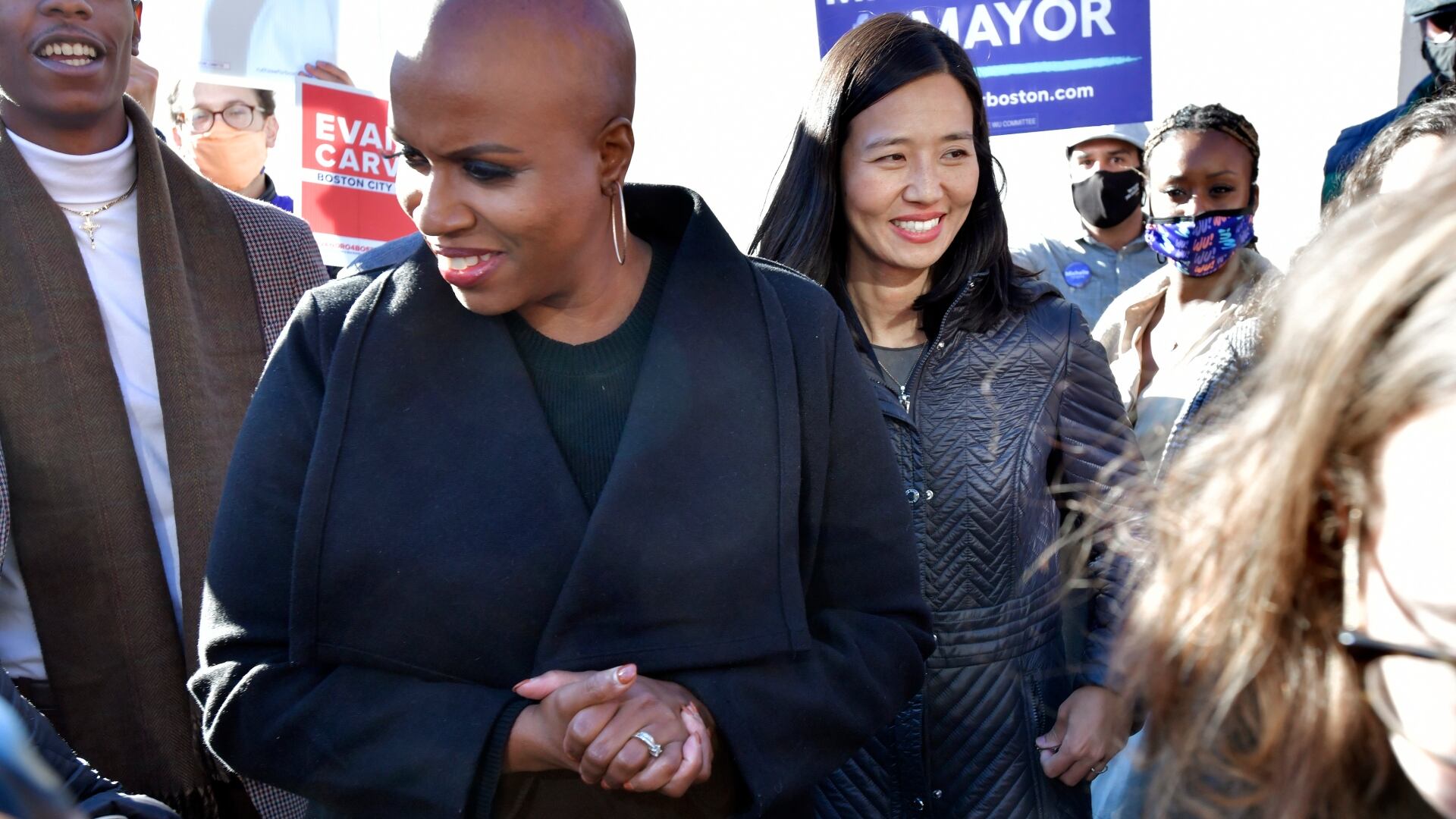
As President Biden's poll numbers fall with Black voters, Rep. Ayanna Pressley (D-Mass. 7th District) joined Cheddar to discuss what she feels could help the embattled administration: deliver on policies. Pressley pointed to stalled legislation such as new voting rights laws and Build Back Betters and canceling student loan debt, which would go a long way to improving his standing with Black constituents. "President Biden has the authority and the power to alleviate this burden, which would also help in closing the racial wealth gap, and he can do it by executive action with the stroke of a pen," she said. "And it doesn't require one vote from Congress. So, the Biden administration just needs to deliver to Black America in a tangible and impactful way."