Casper stocks jumped 30 percent following its IPO on Wednesday morning, ultimately closing up on the day, despite a chorus of doubts from investors who questioned the online mattress seller's underlying profitability.
Skepticism ratcheted up in recent days as Casper lowered its starting price from $17 to $12 per share — the bottom end of its expected range and a signal to investors that the company was bracing itself for a less than stellar opening on the stock market.
Either price is a far cry from the $1.1 billion valuation that Casper received as a private company in March 2019 after another round of venture capital.
But the slight pop in stock value is no cause for celebration, according to Sucharita Kodali, a retail analyst for Forrester.
"The numbers for Casper don't look terribly impressive right now," Kodali told Cheddar. "It's not been improving from a profitability standpoint."
For the last quarter, the company reported a net loss of $67.3 million on $312.3 million in revenue. Heavy marketing costs and a generous 100-day return policy have also given investors pause.
Kodali said the IPO does not bode well for the direct-to-consumer space, which has become saturated with venture capitalists eager for an exit through either an acquisition or public markets.
The botched IPO of WeWork — another company with a more straightforward business model than its Silicon Valley trappings might suggest — has served as a cautionary tale for investors.
"I think the industry has been so skeptical towards these companies that call themselves tech startups," she said. "I think investors are becoming wizened to the fact that these are often VC-inflated stories."
Not quite a tech company but not content to be a simple mattress seller, Casper in recent years has expanded into what it calls the "sleep economy," encompassing bed-sheets, bed-frames, pillows, dog mats, and even CBD gummies for sleep aid.
"Casper tried to make a darn good case that it was more than just mattresses," Kodali said. "They tried to brand this whole vision of the sleep economy, but the truth is that its bread and butter is a mattress in a box and that is fundamentally what everyone sees them as."
But even competing on those terms has gotten more difficult. Since Casper launched in 2014, a number of competitors have adopted the mattress-in-a-box concept, including Nectar, Helix, Ghostbed, Purple, and Allswell, some of them at lower price points.
As the novelty of getting an entire mattress delivered in a box fades, Casper could face some difficult adjustments to the size and scope of its operation.
"You have to cut staff and you have to cut marketing, unfortunately, and that is the only path to profitability that these companies have," Kodali said.
Ford is recalling more than 355,000 of its pickup trucks across the U.S. because of an instrument panel display failure that’s resulted in critical information, like warning lights and vehicle speed, not showing up on the dashboard.
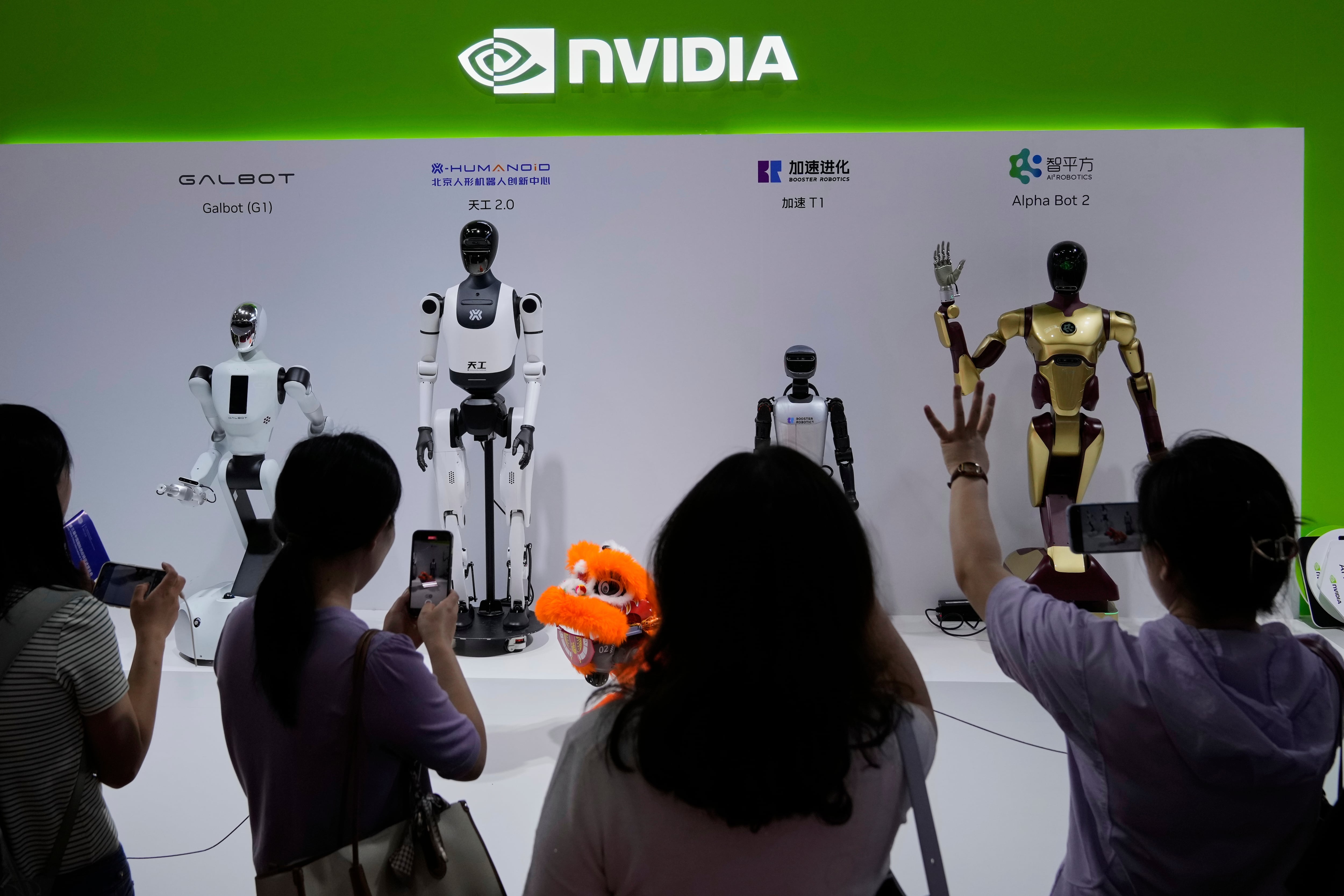
Nvidia reported a 56% increase in second-quarter revenue and a 59% rise in net income compared to a year ago.
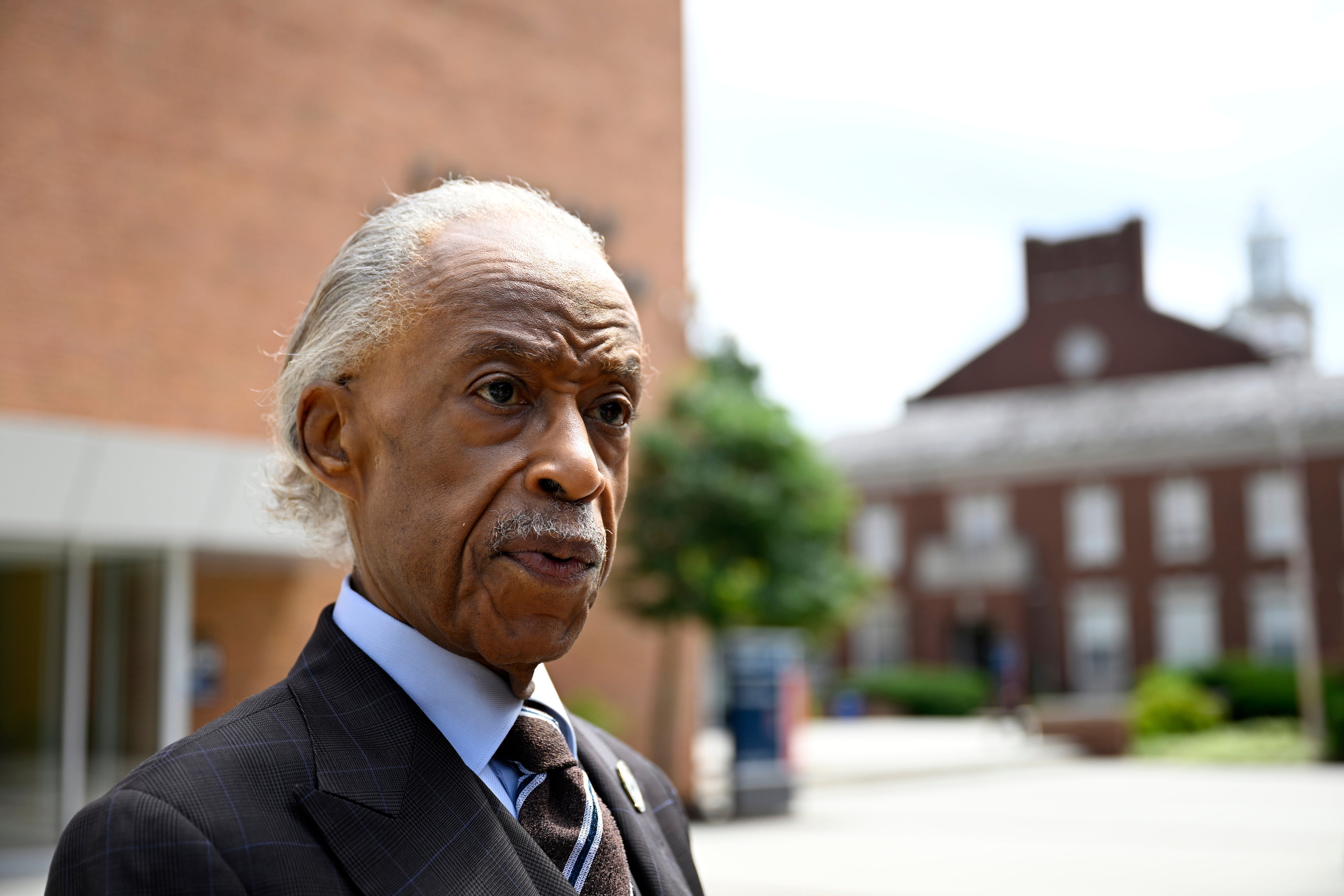
The Rev. Al Sharpton is set to lead a protest march on Wall Street to urge corporate America to resist the Trump administration’s campaign to roll back diversity, equity and inclusion initiatives. The New York civil rights leader will join clergy, labor and community leaders Thursday in a demonstration through Manhattan’s Financial District that’s timed with the anniversary of the Civil Rights-era March on Washington in 1963. Sharpton called DEI the “civil rights fight of our generation." He and other Black leaders have called for boycotting American retailers that scaled backed policies and programs aimed at bolstering diversity and reducing discrimination in their ranks.
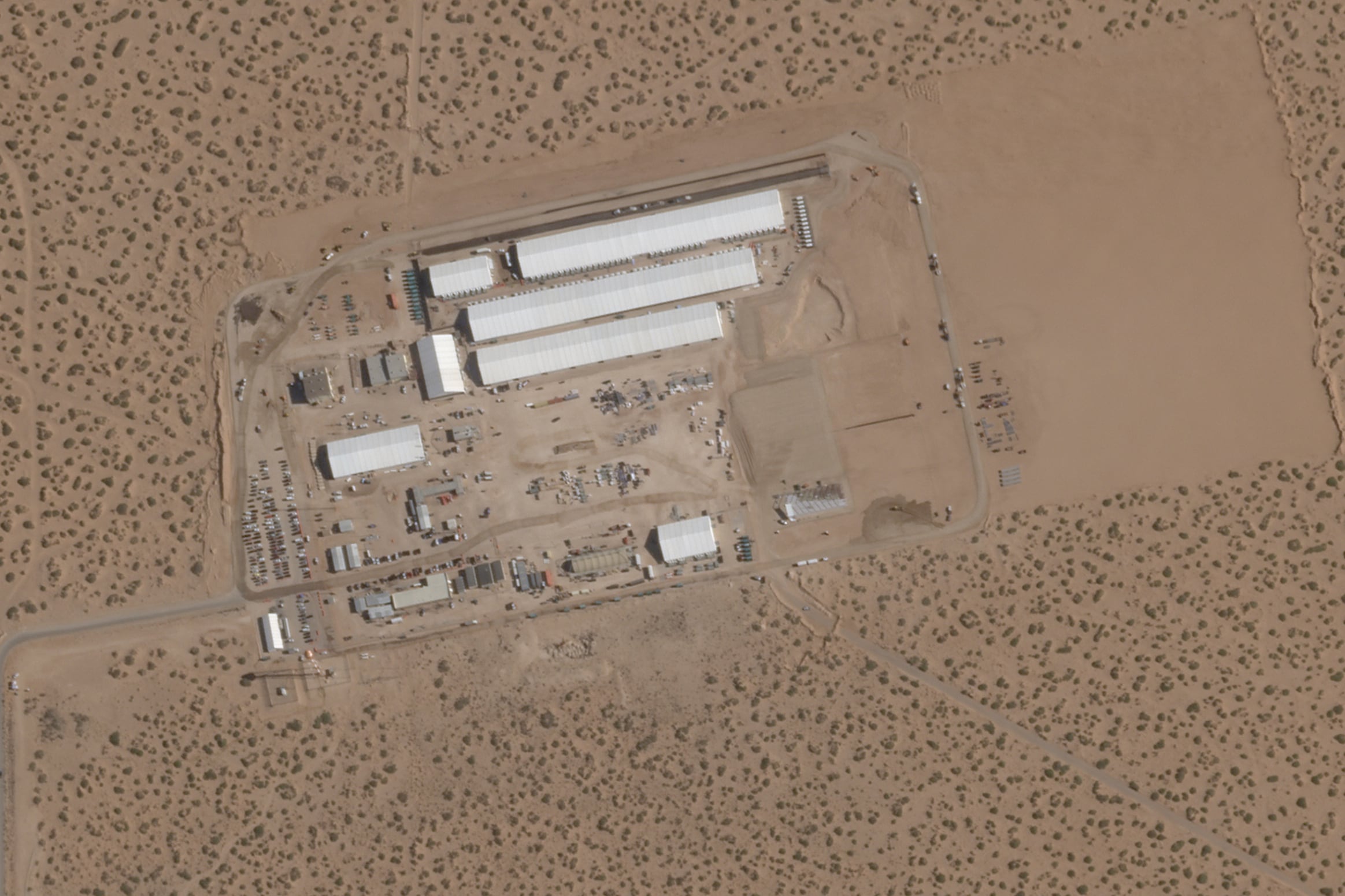
President Donald Trump's administration last month awarded a $1.2 billion contract to build and operate what's expected to become the nation’s largest immigration detention complex to a tiny Virginia firm with no experience running correction facilities.
Netflix CEO Ted Sarandos claims audiences don't want to watch Netflix movies in theaters, but that seems not to be the case recently.
Chipmaker Nvidia is poised to release a quarterly report that could provide a better sense of whether the stock market has been riding an overhyped artificial intelligence bubble or is being propelled by a technological boom that’s still gathering momentum.
Cracker Barrel said late Tuesday it’s returning to its old logo after critics — including President Donald Trump — protested the company’s plan to modernize.
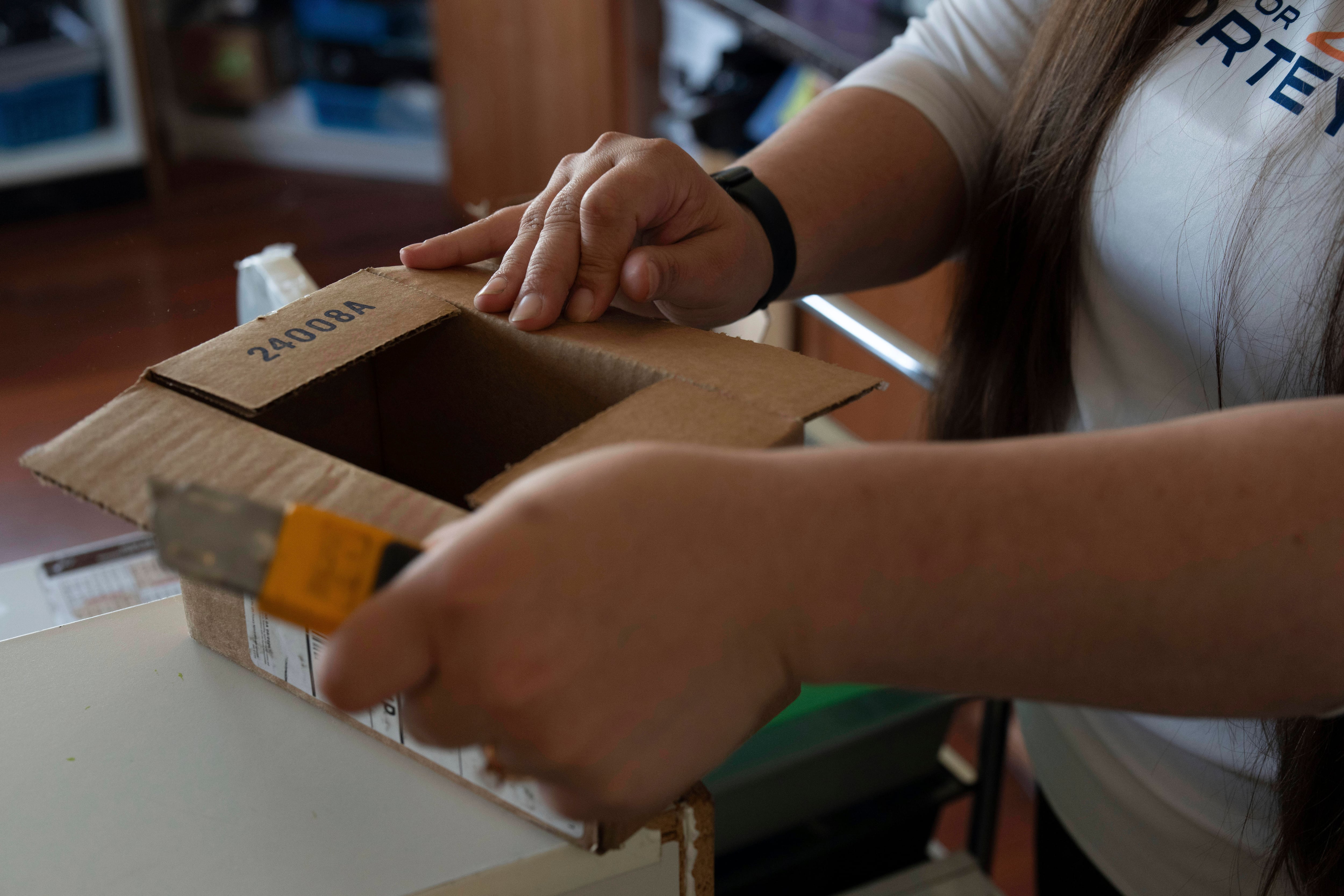
Low-value imports are losing their duty-free status in the U.S. this week as part of President Donald Trump's agenda for making the nation less dependent on foreign goods. A widely used customs exemption for international shipments worth $800 or less is set to end starting on Friday. Trump already ended the “de minimis” rule for inexpensive items sent from China and Hong Kong, but having to pay import taxes on small parcels from everywhere else likely will be a big change for some small businesses and online shoppers. Purchases that previously entered the U.S. without needing to clear customs will be subject to the origin country’s tariff rate, which can range from 10% to 50%.
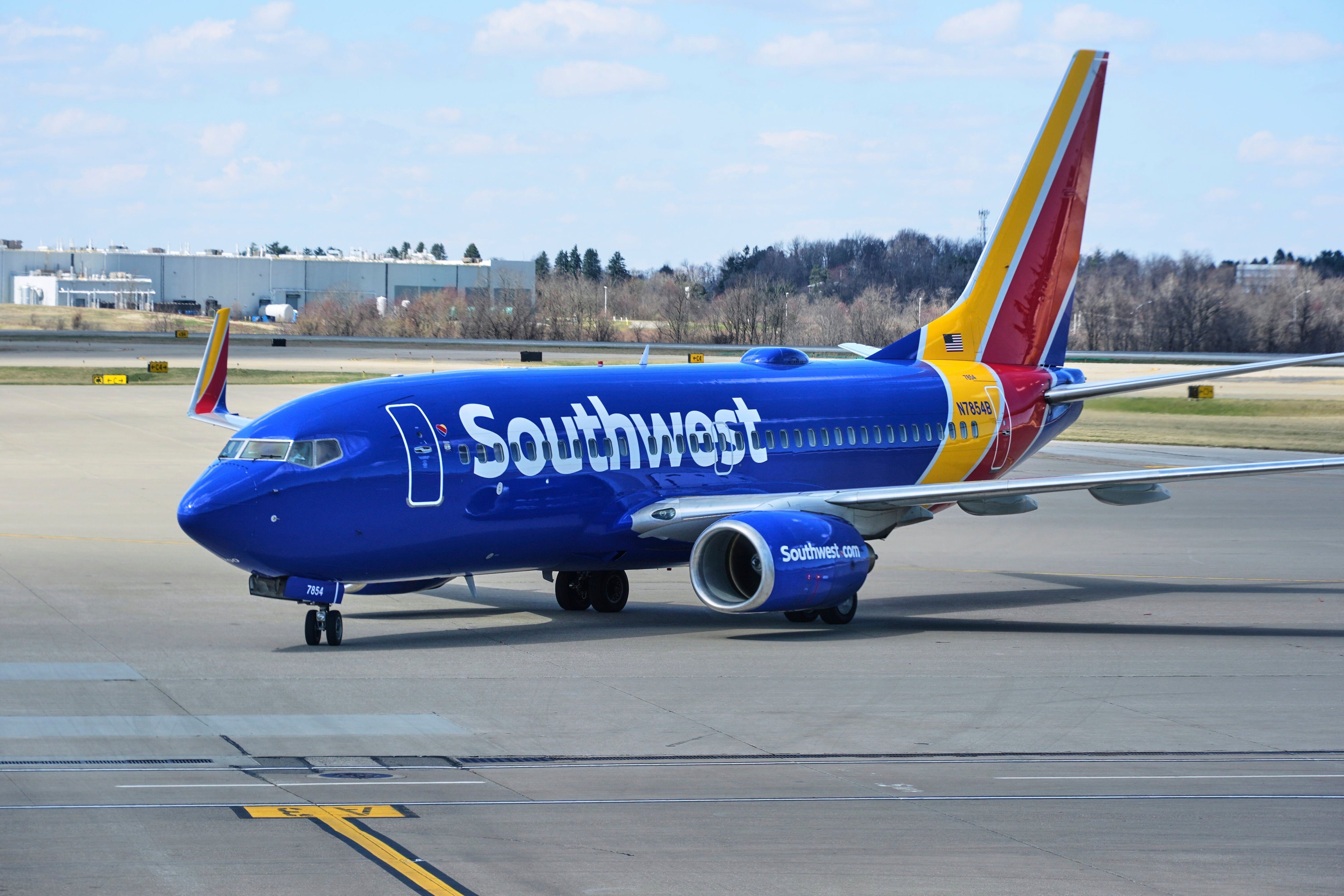
Southwest Airlines will soon require plus-size travelers to pay for an extra seat in advance if they can't fit within the armrests of one seat. This change is part of several updates the airline is making. The new rule starts on Jan. 27, the same day Southwest begins assigning seats. Currently, plus-size passengers can pay for an extra seat in advance and later get a refund, or request a free extra seat at the airport. Under the new policy, refunds are still possible but not guaranteed. Southwest said in a statement it is updating policies to prepare for assigned seating next year.
Cracker Barrel is sticking with its new logo. For now. But the chain is also apologizing to fans who were angered when the change was announced last week.