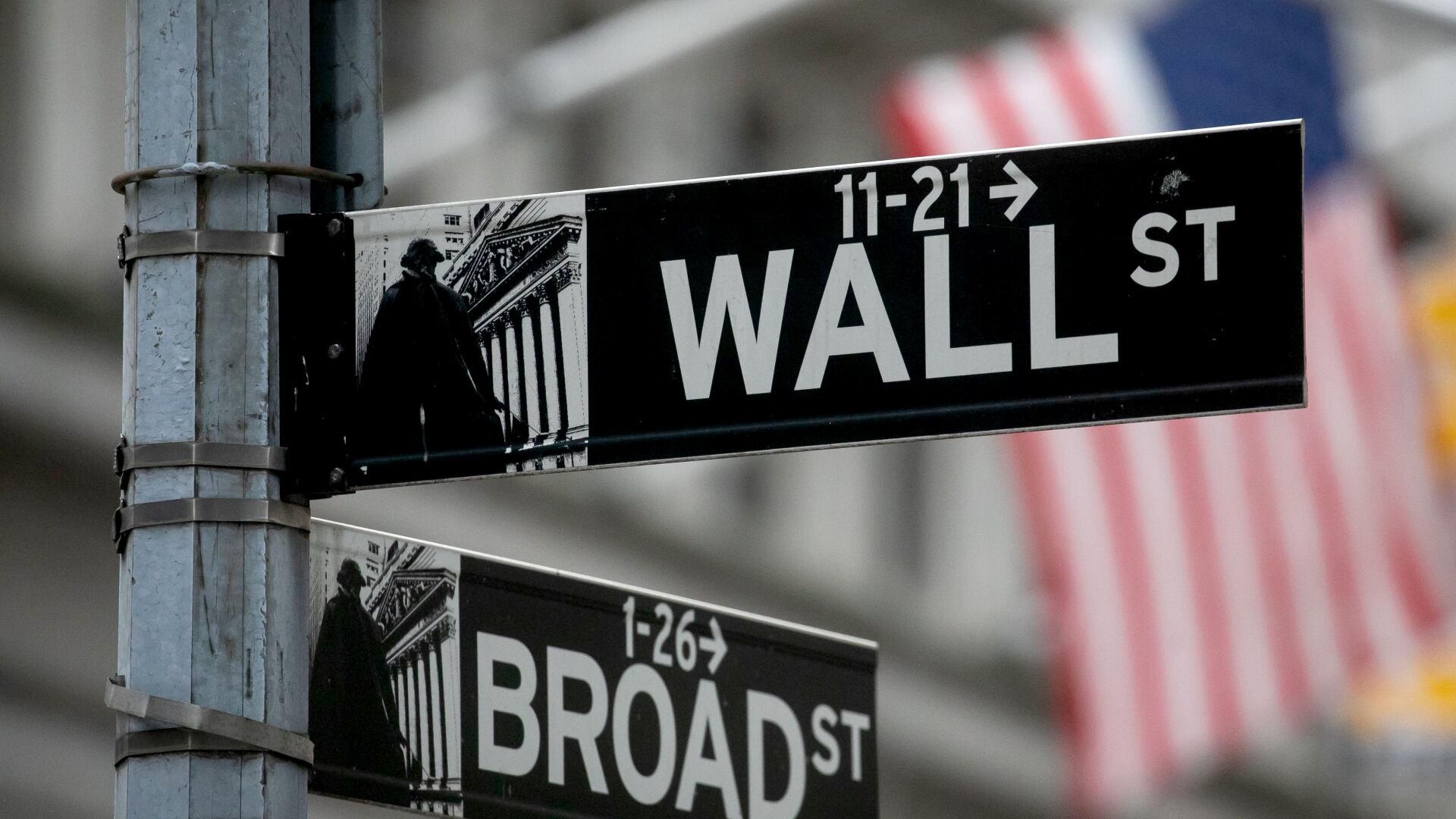
*By Chloe Aiello* Stocks plunged following the Federal Reserve's decision to hike interest rates for the fourth time this year, despite heavy criticism from President Trump that the central bank has been too aggressive in raising borrowing costs. The Fed upped its benchmark rate to a target range of 2.25 to 2.5 percent in a widely anticipated move and said in a statement that "some further gradual increases" could be appropriate in the new year, a sign officials may be getting ready to stop raising rates amid concerns about slowing economic growth. Fed officials slightly reduced the inflation projection for 2019, and now expect two interest rate hikes in 2019, [down from the three it had projected in September](https://www.cnbc.com/2018/12/19/fed-dot-plot-december-2018.html). But Fed Chairman Jerome Powell emphasized that when it comes to rate hikes, "neither the pace or ultimate destination is determined" ー in other words, the Fed will have to rely on financial and economic data for clarity, instead of sticking to a predetermined number of rate hikes. "We've reached the bottom end of the range of committee estimates of what might be 'neutral.' I think from this point forward, we are going to be letting the data speak to us and inform the outlook, our understanding of what might be appropriate policy, so there is a fairly high degree of uncertainty," Powell said in a press conference following the rate announcement. In late November, Powell had said rates "remain just below the broad range of estimates of the level that would be neutral for the economy" [in comments](https://cheddar.com/videos/markets-soar-after-fed-chairman-powells-reassuring-comments-on-the-economy) about risk factors to the health of the economy. Fed Chairman Jerome Powell is "basically telling investors, 'I'm taking away your punch bowl.' That punch bowl having been low interest rates. It's the Fed's job to take away that punch bowl before the party gets out of hand," Greg McBride, Chief Financial Analyst at Bankrate, told Cheddar on Wednesday. "Investors love low interest rates so there's a bit of a temper tantrum any time you threaten to take away those low interest rates," McBride added. The tech-heavy [Cheddar 50 Index](https://cheddar.com/videos/in-with-the-new-the-cheddar-50-index-adds-new-stocks-for-the-new-year), which measures the performance of Cheddar's 50 top companies ー from Apple ($AAPL) to GM ($GM) ー erased earlier gains, closing the day down 2.86 percent following the announcement. Sprint ($S), Shake Shack ($SHAK) and Verizon ($VZ) were among the top performers of the index ー all clinging to gains, whereas Facebook ($FB) was the index's worst performer. The social media giant was closed the day down 7.25 percent, following [a New York Times report](https://www.nytimes.com/2018/12/18/technology/facebook-privacy.html) that revealed the company granted some tech partners far deeper access to users' data than previously thought, even when those users had privacy measures in place. Major indices also fell. The Dow Industrials closed down 1.49 percent or 351 points. The S&P 500 dropped 1.54 percent and the Nasdaq closed out the day down 2.17 percent. The Fed's decision follows further criticism from Trump, who has been a vocal critic of the Fed's rate hikes and Powell, personally. Trump [took to Twitter Tuesday](https://twitter.com/realDonaldTrump/status/1075001077576151041) to warn central bank officials to "feel the market, don’t just go by meaningless numbers." This isn't the first time Trump has lashed out at Powell and the Fed. In late November, on the day before the Fed addressed risk factors to the health of the economy, Trump slammed Powell for raising interest rates and lamented his decision to appoint him to the role of Fed chairman. Powell on Wednesday put to rest any suspicions the Fed may be influenced by Trump's vitriol. "Political considerations play no role in our decisions or discussions of monetary policy," Powell said during a question and answer session with reporters. "We have the independence we think is essential to be able to do our jobs in a nonpolitical way." McBride said there's a possibility some will assume Powell's two anticipated 2019 hikes are a concession to Trump, but he said it has more to do with the economy. "I think some people are going to sort of draw the conclusion that that is sort of bowing to political pressure, but realistically it's not. I mean you look at the market reaction over the past couple of months, it's a reflection of these concerns about slower economic growth. And sure enough, that's what the Fed has acknowledged today," he said.