San Francisco-based technology startup Illumix just closed a $18 million Series A round of funding, and in a rare move for the Shark Tank star, Mark Cuban contributed.
The company develops platforms for augmented reality (AR) experiences and sees itself as a crucial player in the emerging Web3 and metaverse ecosystems.
"We really think about ourselves as the backbone behind your immersive experiences," said Kirin Sinha, CEO and founder of Illumix.
Historically, those experiences were limited to the gaming and entertainment worlds. Now Illumix has its sights on what it calls "location-based entertainment." Sinha explained that the company wants to bring AR to in-person experiences such as sports games, concerts, and theme parks.
On why Cuban decided to invest, despite his aversion to investing in tech firms, Sinha said he thinks "it really comes down to the scope of this opportunity."
"The idea of the digital and physical worlds coming together has been talked about for some time, but we're really seeing that market timing starting to hit," he added.
Fresh off a successful funding round, co-founder of Lapse Dan Silvertown shares thoughts on regulation, privacy, and why the money for great startups is still out there.
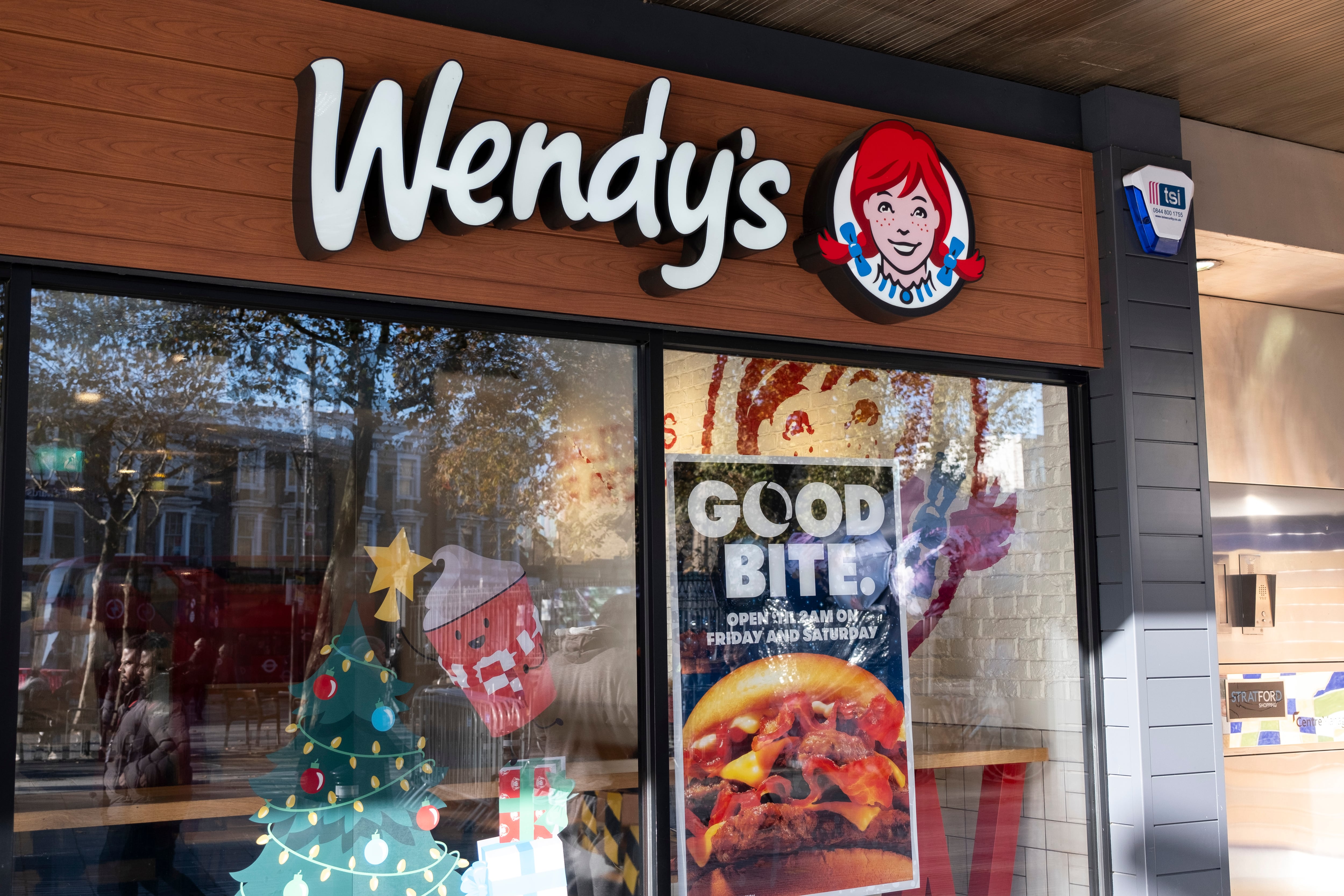
Wendy's announced they are testing out fluctuating prices throughout the day for certain products based on demand. Who will groan the most: lunch-breakers, dinner drivers or late-night goblins?
Shubha Dasgupta, CEO of Pineapple Financial, discusses incorporating artificial intelligence with its newly announced ‘Maui’ tool, plus plans for expansion.
Chair of Penn Engineering’s Department of Computer and Information Science Zachary Ives shares how the department is building its artificial intelligence degree program.
Frances Stacy, Optimal Capital Director of Strategy, breaks down why the latest data indicates the economy may be struggling more than expected, plus some sectors she’s watching.
The Federal Trade Commission is suing to block a proposed merger between the two grocery stores. The FTC says the $24.6 billion deal would eliminate competition and lead to higher prices for millions of Americans.