Design flaws in chips from chipmakers such as Intel, AMD, and ARM have put millions of devices at risk of being attacked by hackers. Mayank Choudhary, VP of Product at OberserveIT, was with us to explain how it happened and what consumers can do to protect themselves.
The security holes could make sensitive data, such as passwords, vulnerable and have put chipmakers in the hot seat. Choudhary said it is an IT tsunami that he did not see coming. He said consumers need to quickly update their systems with the patches released by Apple and Microsoft.
Choudhary emphasizes that transparency is key when it comes to timing of when these breaches are disclosed. With the recent string of attacks, he said he sees more pro-activeness from the suppliers and manufacturers.
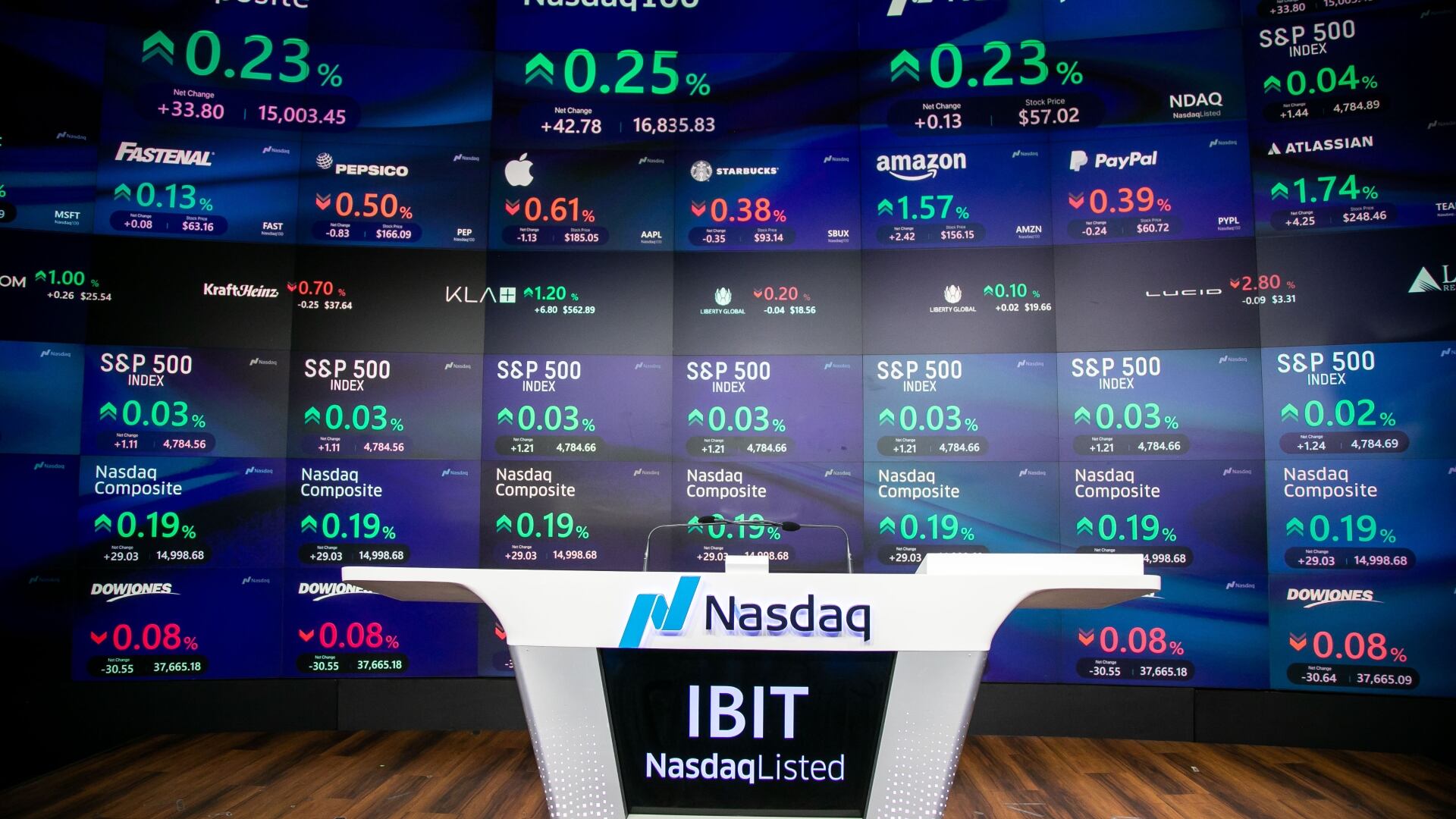
Investopedia's Caleb Silver shares thoughts on the upcoming Fed meeting, why individual investors are still slightly skeptical, and what he's looking for from mega cap tech earnings.
Season's greetings! Tax season, that is. January 29 is the first day you can file your tax return. We walk you through each step — plus a checklist you can download.
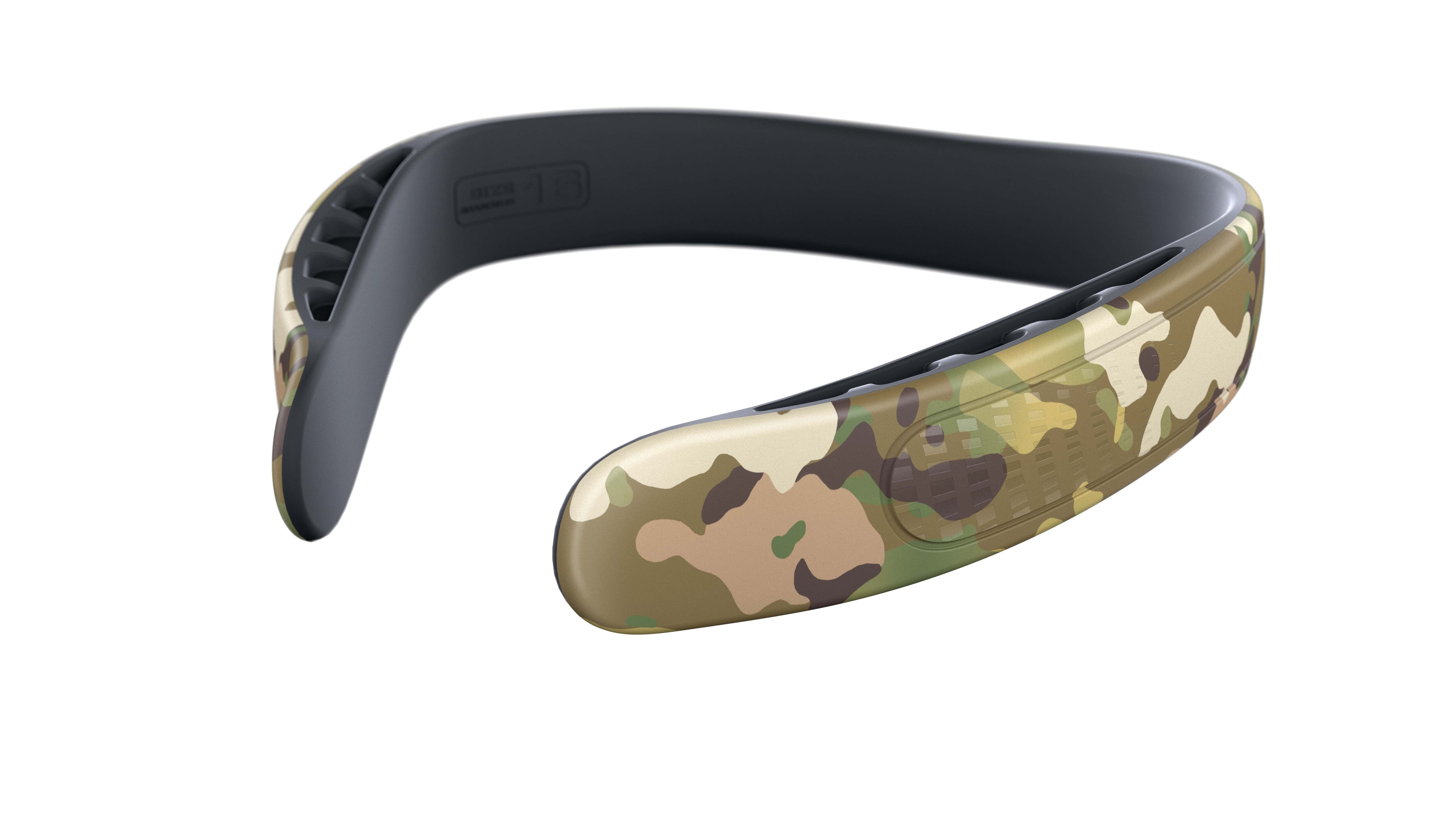
The Q-Collar helps protect athletes from impact-related concussions. Now, the U.S. Army is evaluating if the device could help reduce traumatic brain injury cased by blast weapons.
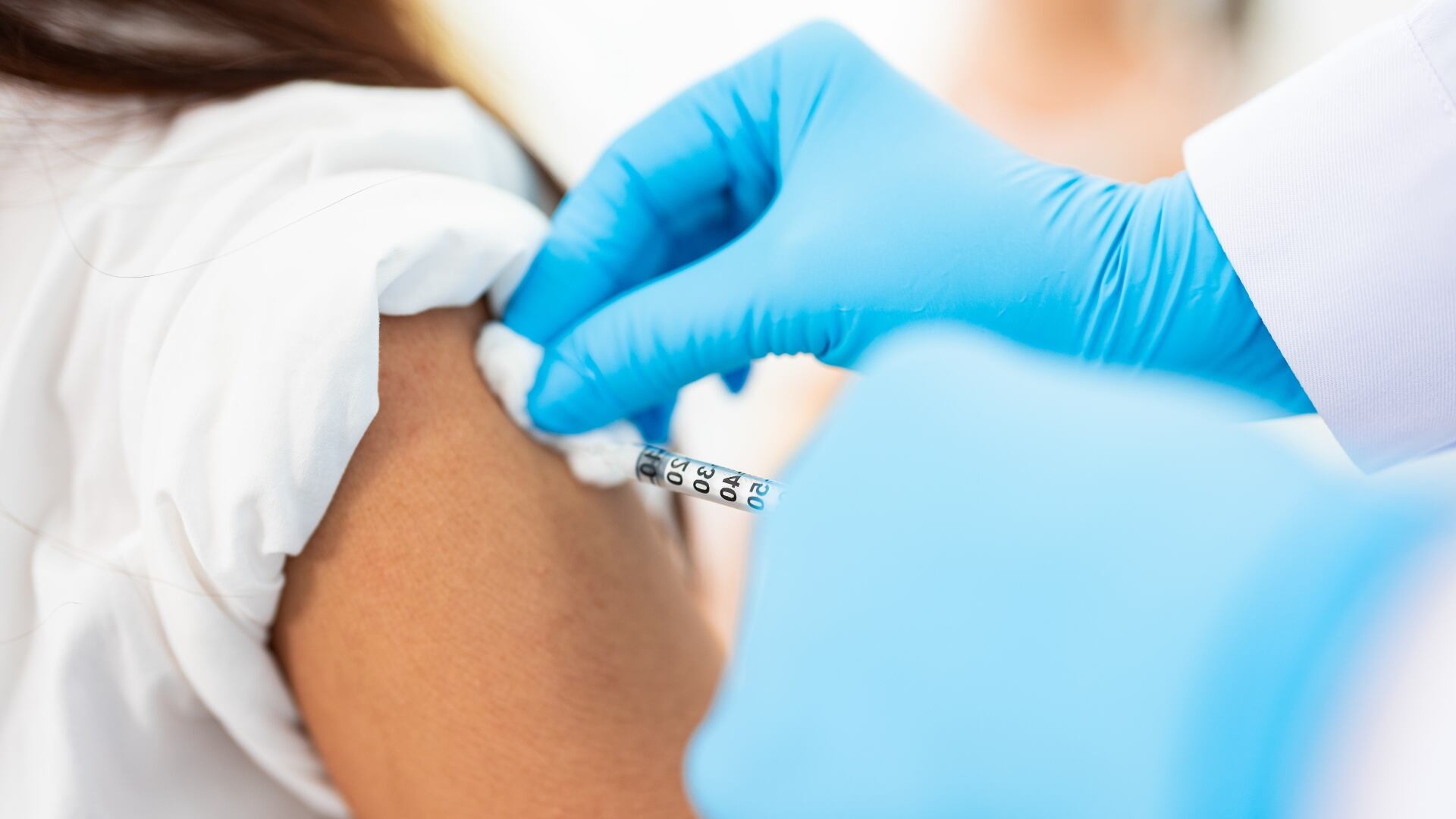
Co-founder and executive chairman of the board at Vaxxinity Lou Reese shares how the company is working to bring vaccines for chronic illnesses like heart disease and Parkinson’s to market with an eye for accessibility.
Mario Veneroso, Kingsview Asset Management Partner, weighs in on the latest economic data and whether the market is pricing in too many rate cuts for the coming year.
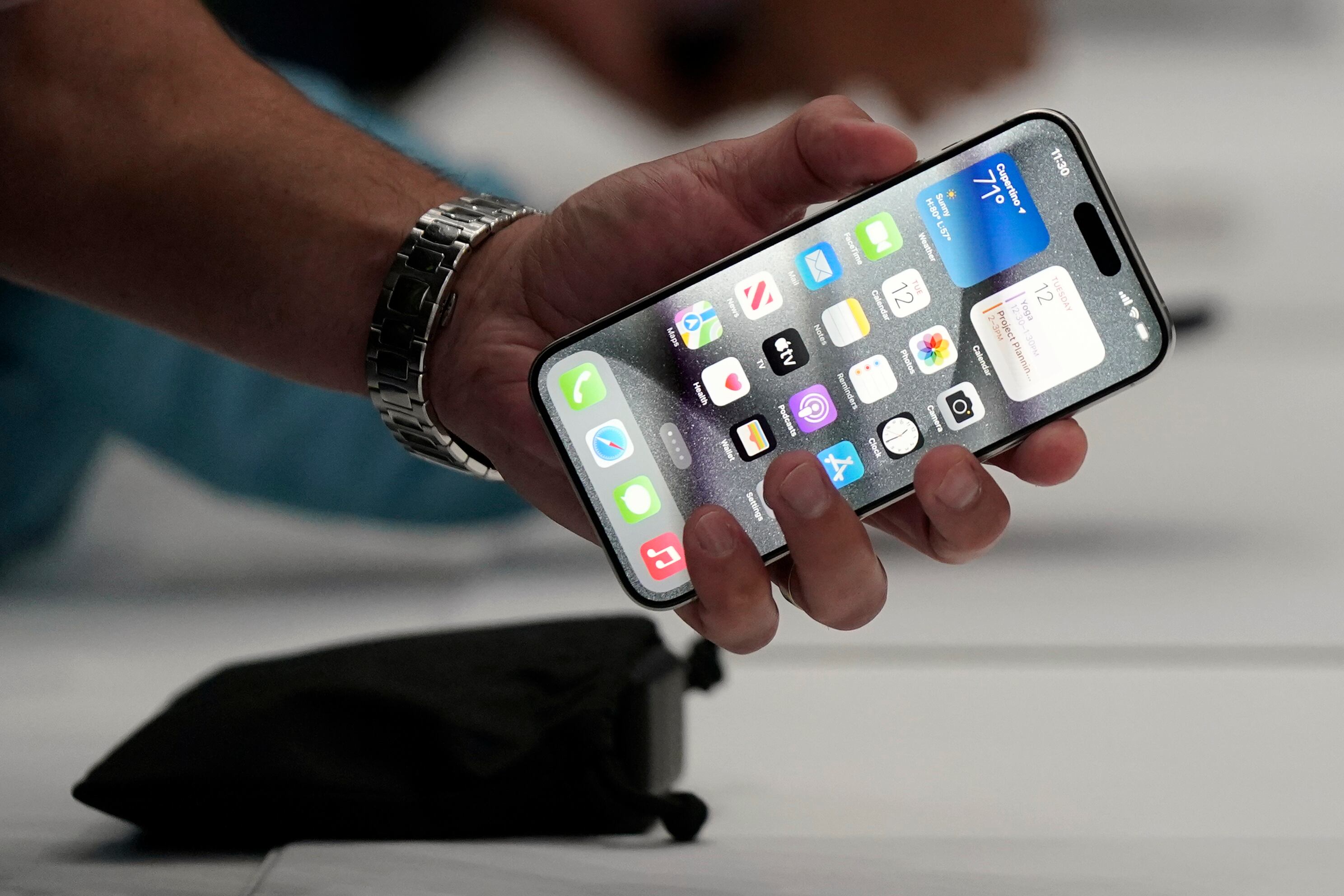
Apple has rolled out an update to its operating system this week with a feature called Stolen Device Protection. It makes it a lot harder for phone thieves to access key functions and settings, and users are being urged to turn it on immediately.