*By Jacqueline Corba*
Lyft just closed a massive new round of funding, effectively doubling its valuation in just one year to more than $15 billion.
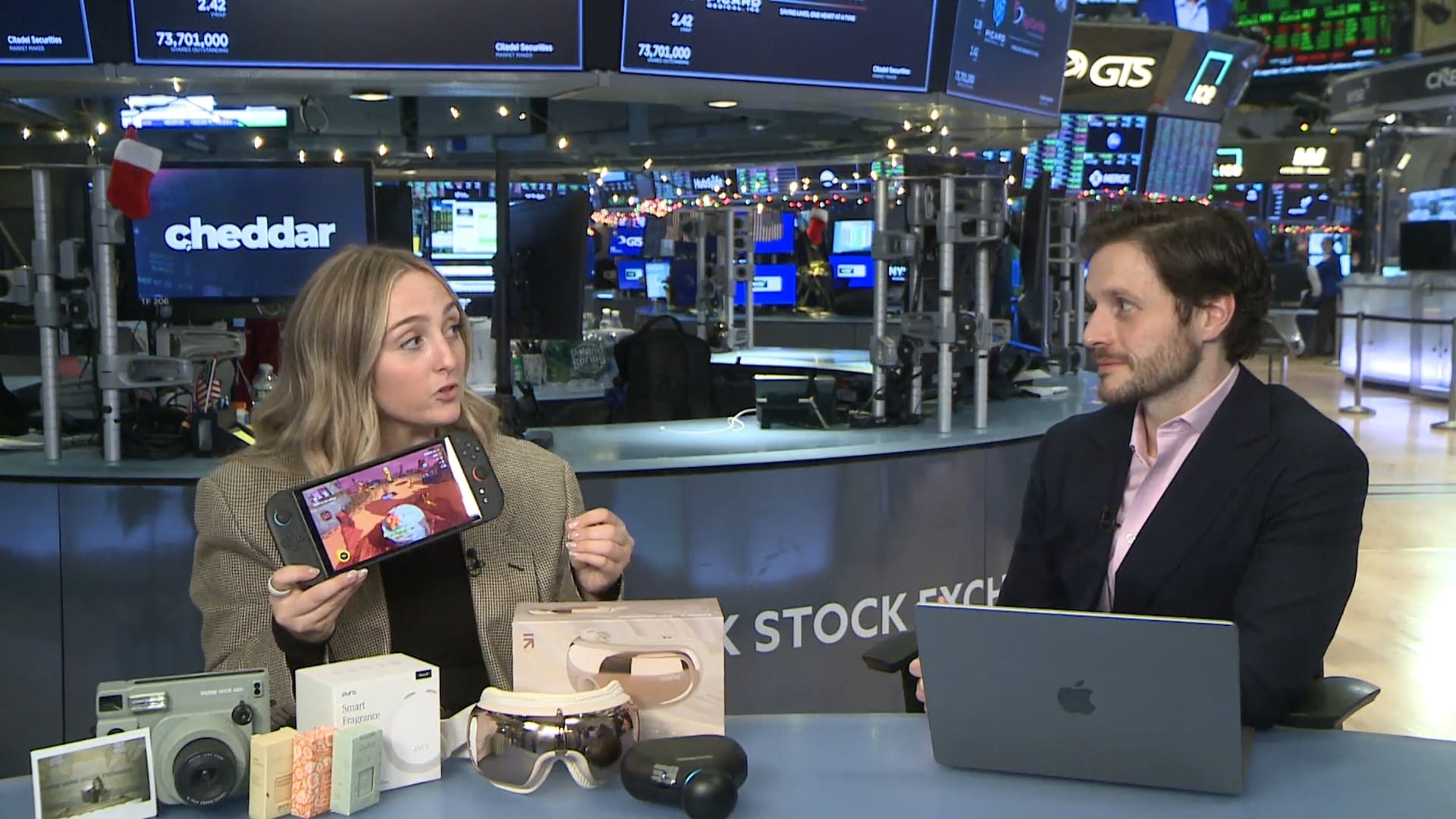
Andrew Hawkins, Senior Transportation Reporter at The Verge, said this could signal that the ride-sharing start-up is looking to beat Uber in the race to go public.
"People should be keeping an eye on Lyft in the earlier half of 2019 to see what movements it makes to signal a public offering," Hawkins told Cheddar Wednesday.
Lyft had been thought to be on the IPO docket for this year, and was [reportedly close](https://www.reuters.com/article/us-lyft-ipo-exclusive/exclusive-lyft-close-to-selecting-ipo-adviser-sources-idUSKCN1C3114?utm_source=applenews) to selecting bankers for the offering as recently as September. While the departure of its former COO in November appeared to put those plans on hold, the company signed up a new operating chief earlier this year.
Meanwhile, Uber CEO Dara Khosrowshahi [said in May that his company is on track to go public in 2019.](https://www.cnbc.com/2018/05/30/uber-ceo-on-ipo-plans-and-warren-buffett.html)
Fidelity led Lyft's latest $600 million round, which also included hedge fund Senator Investment Group. It got another $200 million earlier this year and ended 2017 with a total of $1.5 billion from Google's venture arm CapitalG.
While the company's new valuation is still only a fraction of Uber's $69 billion total worth, Hawkins said Lyft was able to capitalize on its rival's struggles.
But the company itself said it would stay true to its core mission.
"We will double down on our values, and invest in the vision that cities should be built around people, not cars," Lyft said in a [blog post] (https://blog.lyft.com/posts/2018/6/27/lyft-raises-new-capital-and-continues-momentum) Wednesday. "We are committed to delivering the best possible experience for all members of the Lyft community."
For the full segment, [click here.](https://cheddar.com/videos/lyft-raises-massive-funding-round-doubles-valuation)
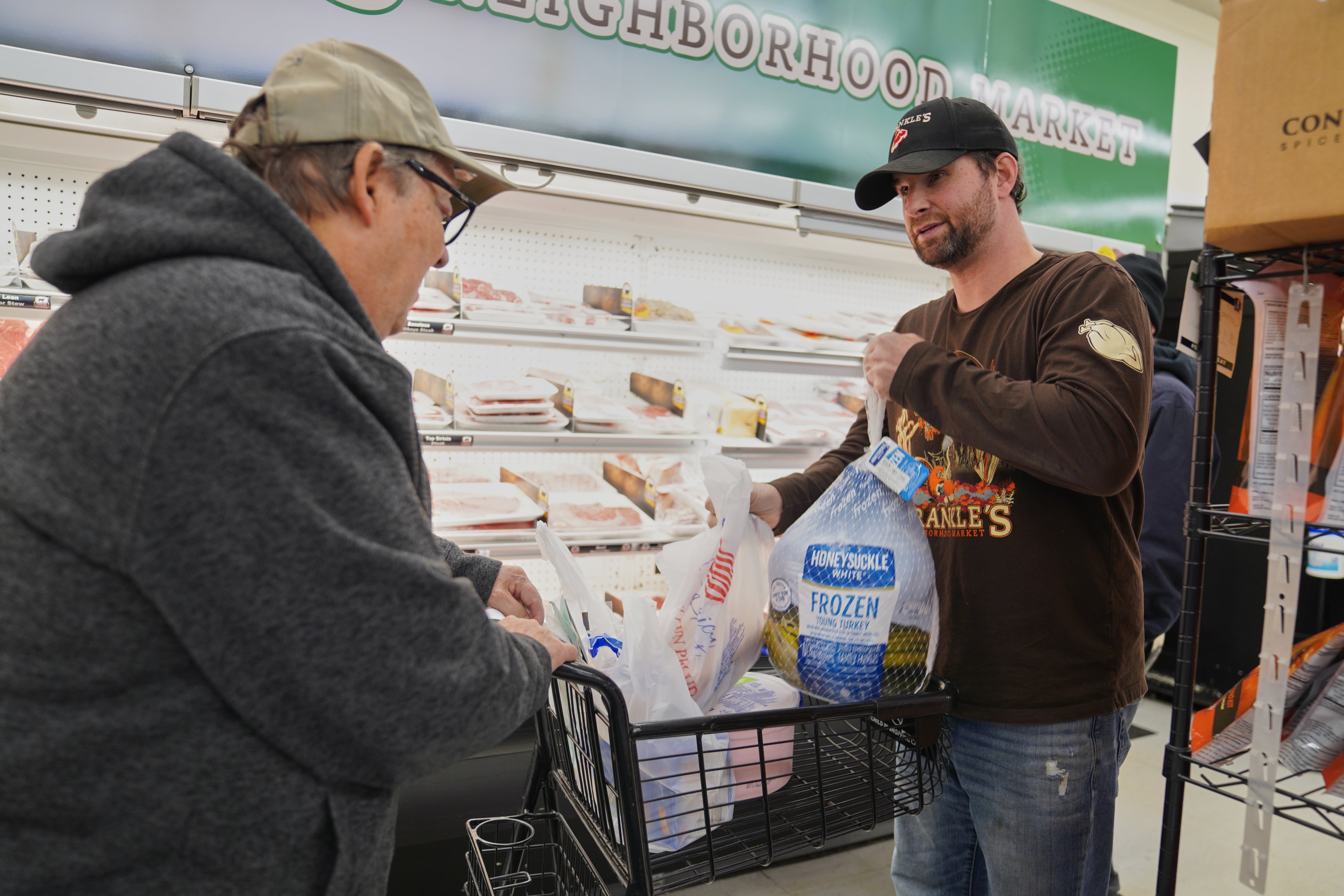
Some small grocery stores and neighborhood convenience stores are eager for the U.S. government shutdown to end and for their customers to start receiving federal food aid again. Late last month, the Trump administration froze funding for the SNAP benefits that about 42 million Americans use to buy groceries. The U.S. Department of Agriculture says about 74% of the assistance was spent last year at superstores like Walmart and supermarkets like Kroger. Around 14% went to smaller stores that are more accessible to SNAP beneficiaries. A former director of the United Nations World Food Program says SNAP is not only a social safety net for families but a local economic engine that supports neighborhood businesses.
Andy Baehr, Head of Product at CoinDesk Indices, breaks down crypto’s Black Friday crash, Bitcoin dipping under $100K, and what’s driving the market rout.
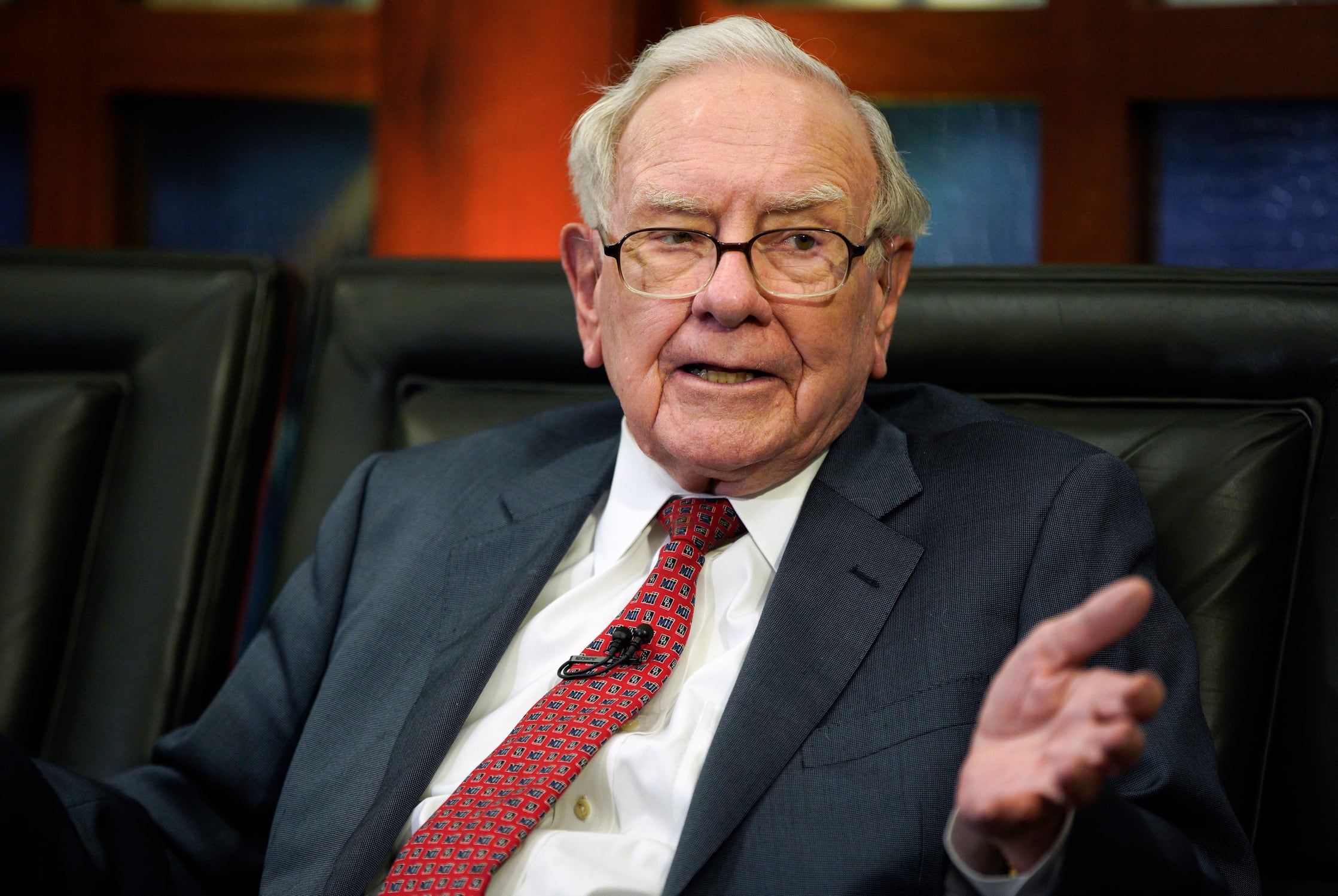
Billionaire Warren Buffett warned shareholders Monday that many companies will fare better than his Berkshire Hathaway in the decades ahead as Father Time catches up
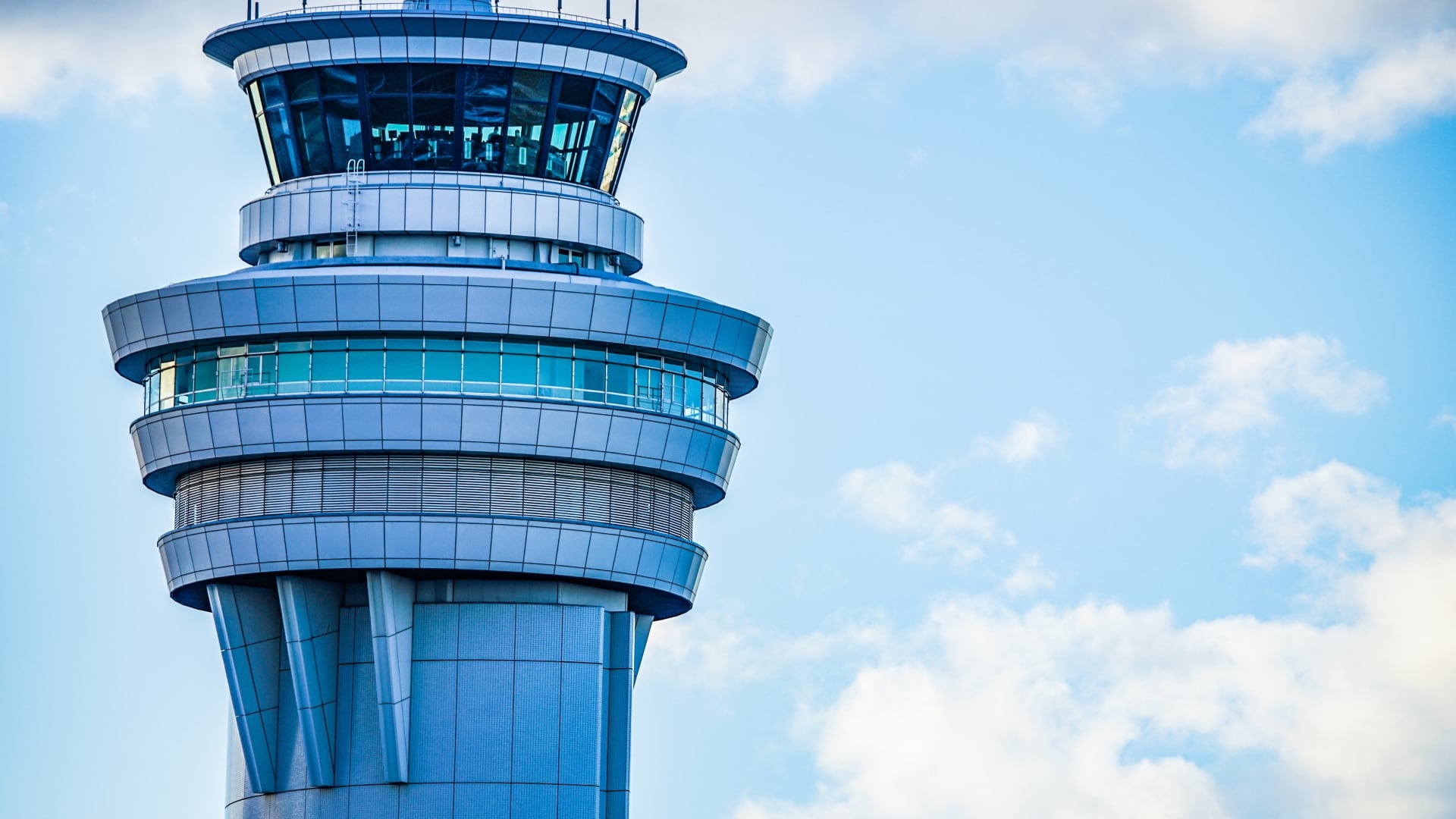
Chris Marquette of POLITICO breaks down how the FAA is cutting flights and facing a critical shortage of air‑traffic controllers amid the government shutdown.
Dr. Manuele Aufiero, CEO & Co‑Founder of Sizable En a groundbreaking undersea energy‑storage technology powering the global shift to clean, scalable power.
Paul Fipps, President of Global Customer Operations at ServiceNow, breaks down the company’s earnings beat, 5‑for‑1 stock split and booming enterprise AI demand