A Luminar Technologies car equipped with LiDAR (light detection and radar) sensors on the roof demonstrates technology now being used in driverless vehicles that many automotive companies are using as part of global research during a demonstration for the Automated Vehicles Symposium, Monday, July 15, 2019, in Orlando, Fla. (AP Photo/John Raoux)
Luminar Technologies ($LAZR) has completed its merger with a special purpose acquisition company (SPAC), bringing the company public on the Nasdaq on Thursday.
The deal makes the 25-year-old founder and CEO Austin Russell one of the world's youngest billionaires and among the first in the emerging self-driving market.
The company specializes in what's called LIDAR or light detection and ranging technology, which is critical for self-driving cars to understand their surroundings.
"We built a custom sensor that can see and understand the world accurately and reliably around it in 3D by sending out laser pulses measuring the exact distance of different things down to centimeter-levels of precision," Russell told Cheddar. "This is critical for allowing an autonomous car to see and understand its environment and to be able to safely navigate it accordingly."
The company, which spent much of its eight-year history developing the technology, has more recently moved into commercialization. It now has more than 50 commercial partners, including seven of the top-10 automakers, according to Russell.
He added that Luminar has its sights on three main verticals: consumer vehicles, trucking, and robo-taxis.
Current deals include one with Volvo, which plans to release consumer vehicles using the technology for autonomous highway driving in 2022. Another is with Daimler Trucks, which will employ LIDAR tech for autonomous long-range trucking.
As for when self-driving cars will become more mainstream, Russell offered this perspective: "I think for self-driving cars you'll start to see it on the consumer vehicle and the trucking side, really at true large scale, by the end of the decade," he said, though the young entrepreneur conceded that this ultimately may be a "conservative timeline."
The SPAC, Gores Metropoulos, saw shares jump nearly 30 percent Thursday following the merger.
The dreaded Netflix crackdown on profile sharing translated into a major boost in subscribers while the promised rate cuts seem to be a far off fantasy.
After the 2021 boom, IPO activity slowed down significantly, in part due to monetary policy – but things are getting moving again with tech-friendly companies like Iboutta and Rubrik making a public debut.
With an increasing demand for mental health services, one person wanted to change the therapy game. In 2017, CEO Alex Katz founded Two Chairs, a company that uses technology to match patients with the right therapist.
Not only is April Financial Literacy Month, it’s also the kickoff of the spring homebuying season. So now is the time to make sure you have a financial plan in place – and why it might not be wise for that to include buying your first home.
While the U.S. may slowly be on the path to lowering inflation (and therefore interest rates), Europe has thoroughly trounced America, putting it on the path to lower rates by this summer.
April's release of the monthly Housing Starts and Building Permits reports by the Census Bureau provides crucial insights into the construction activity in the housing market. These reports are an economic indicator, shedding light on the current state of the housing market and its broader economic impact.
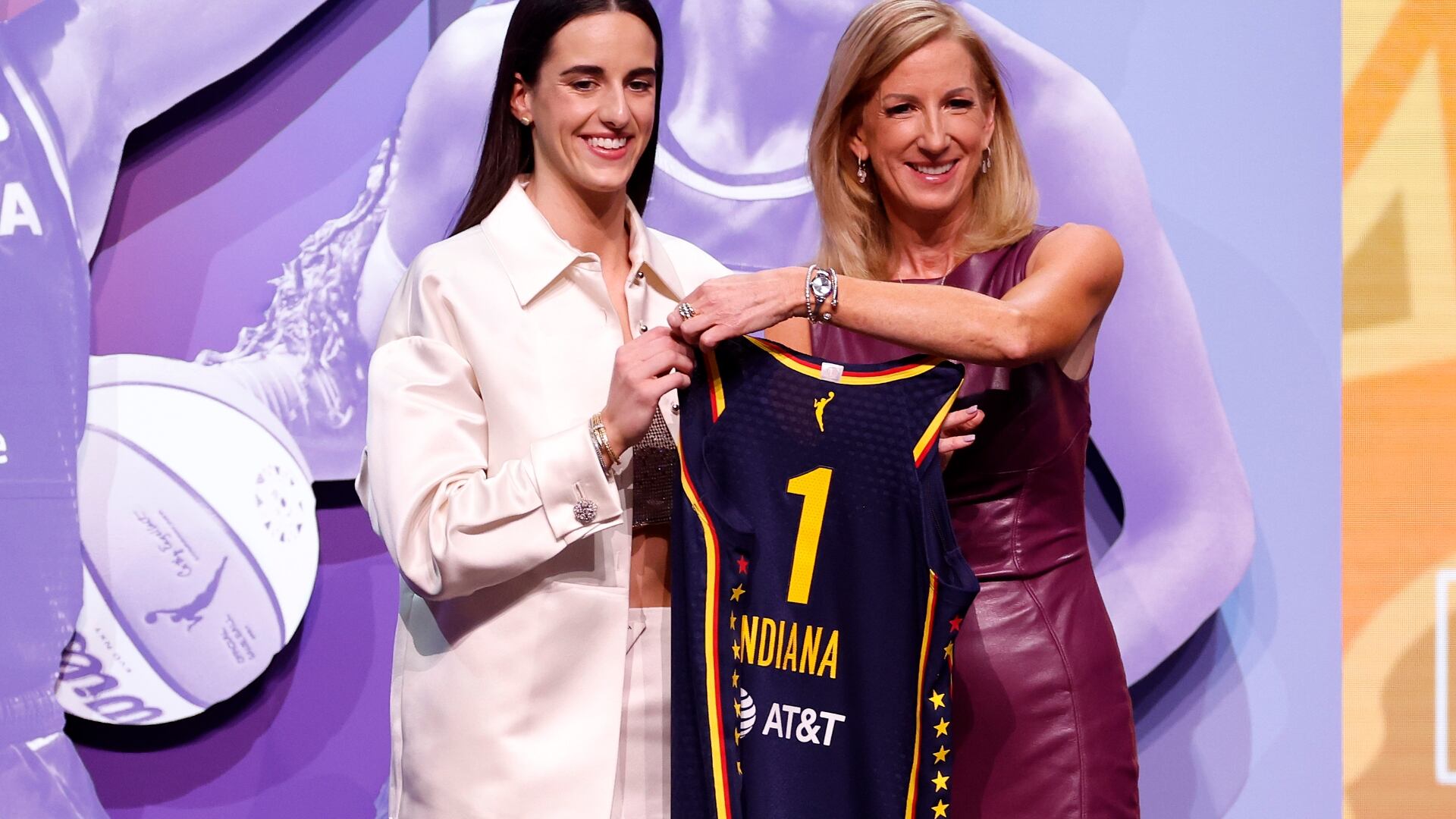
Caitlin Clark is heading to the Indiana Fever, the number one draft pick and the highest-scoring college basketball player of all time. And while she may not be getting millions from the WNBA, there's a few ways she'll net compensation for her generational talents.