LitePay CEO Says We Might Be Thinking About Crypto All Wrong
Crypto enthusiasts, beware!
The digital assets shouldn’t be used as a “get rich quick” scheme, according to LitePay CEO Kenneth Asare. They’re also not meant to replace traditional currencies or investments like stocks.
What blockchain technology is, though, is the “internet of money”. Asare compares it to the 1990s, when internet systems were being built.
“This is the very beginning of a new way of sharing and transferring value,” he told Cheddar Tuesday. “This is the first part of a very long road that goes from 300 million people being able to be banked to everybody with a cell phone being able to be banked, which is literally 5 billion people today.”
Asare’s comments come days before cryptocurrency Litecoin is set to roll out its payment processor LitePay to 41 countries. The service target individuals who are “unbanked” but who have access to a cellular device. The new system can ease volatility in the market by automatically converting crypto into local fiat currency.
But Asare points out that current volatility shouldn’t make players in the market nervous, since cryptocurrency, like the internet two decades ago, is still in its early stages and may need some time to iron out fluctuations.
“This would be like in 1990 talking about how the early internet companies were or were not working,” he said. “They were onto something, and now we can look back and see that we have all of these products that have been built on top of it.”
For full interview, [click here](https://cheddar.com/videos/the-internet-of-money-and-future-of-crypto-commerce).
High-speed connectivity solutions provider Credo went public on the Nasdaq on Thursday, raising $200 million in its IPO. CEO Bill Brennan, joined Cheddar to discuss its entry into the capital markets and the next chapter for the company. "We're going to be focused on what we have been focused on, which is really creating, creating innovative connectivity solutions that really pushed the edge on efficient power as well as very effective cost," he said.
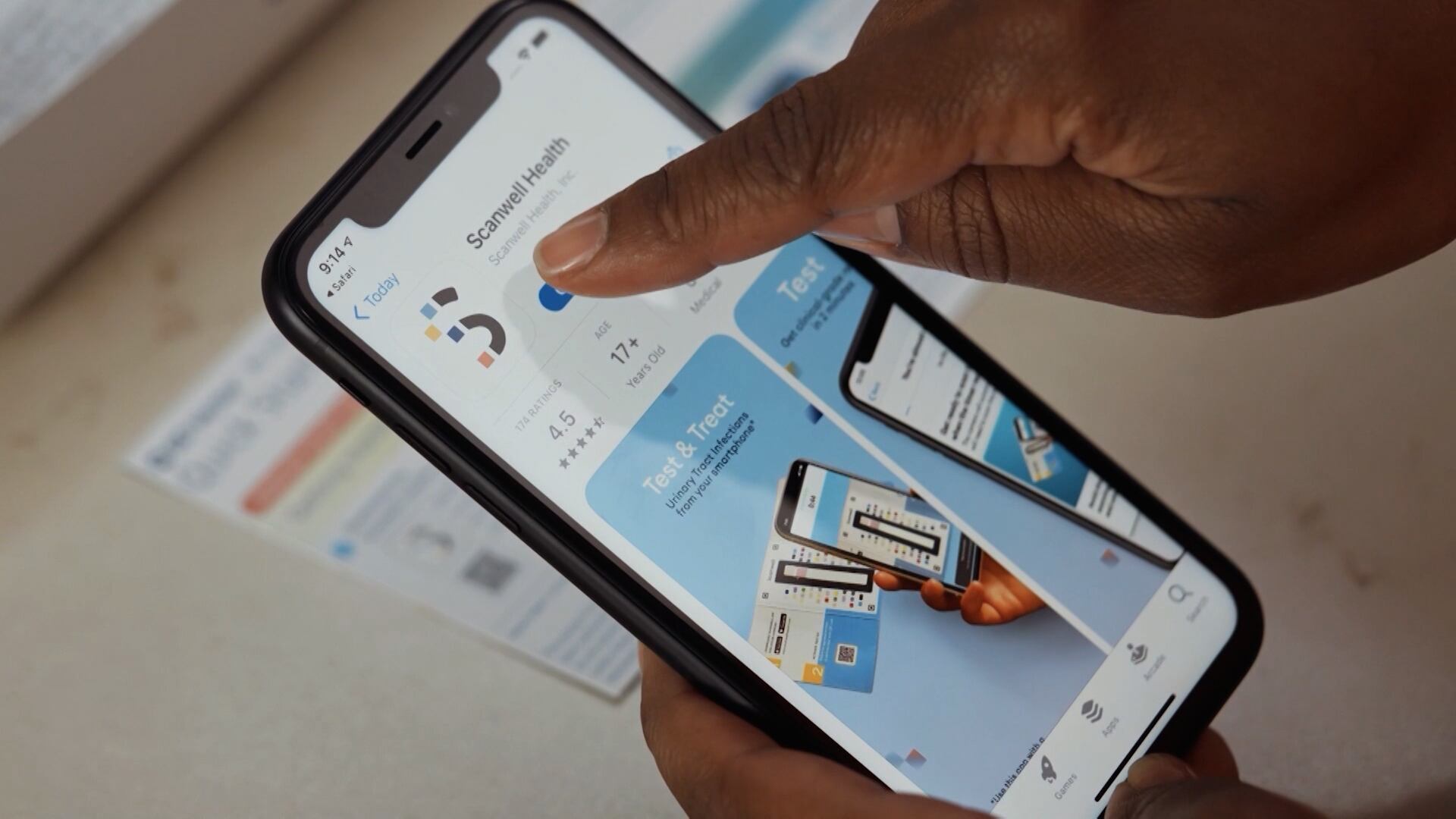
BD Veritor is a variation of the at-home COVID test that uses a smartphone to interpret the results. The test is taken via a nose swab test strip that is then scanned by your phone’s camera with the result clearly displayed as positive or negative. James Walker, vice president of integrated diagnostics USA for BD, joined Cheddar to discuss how the test hopefully takes the "guesswork out of testing." Walker also went into what BD is doing to deal with the surging demand for at-home tests amid the omicron spread. "While we don't disclose how much we produce, we have capacity to manufacture up to 12 million rapid antigen tests per month and are delivering on our commitments to distributors and retailers," he said.
Low-code app development platform Crowdbotics raised $22 million in a Series A funding round led by Jackson Square Ventures. Crowdbotics has helped more than 14,000 customers launch apps without having to learn how to code. The company can offer a team of expert developers to help companies launch custom apps, or provide the means for companies to develop apps themselves. Crowdbotics CEO Anand Kulkarni joined Cheddar News' Closing Bell to discuss.
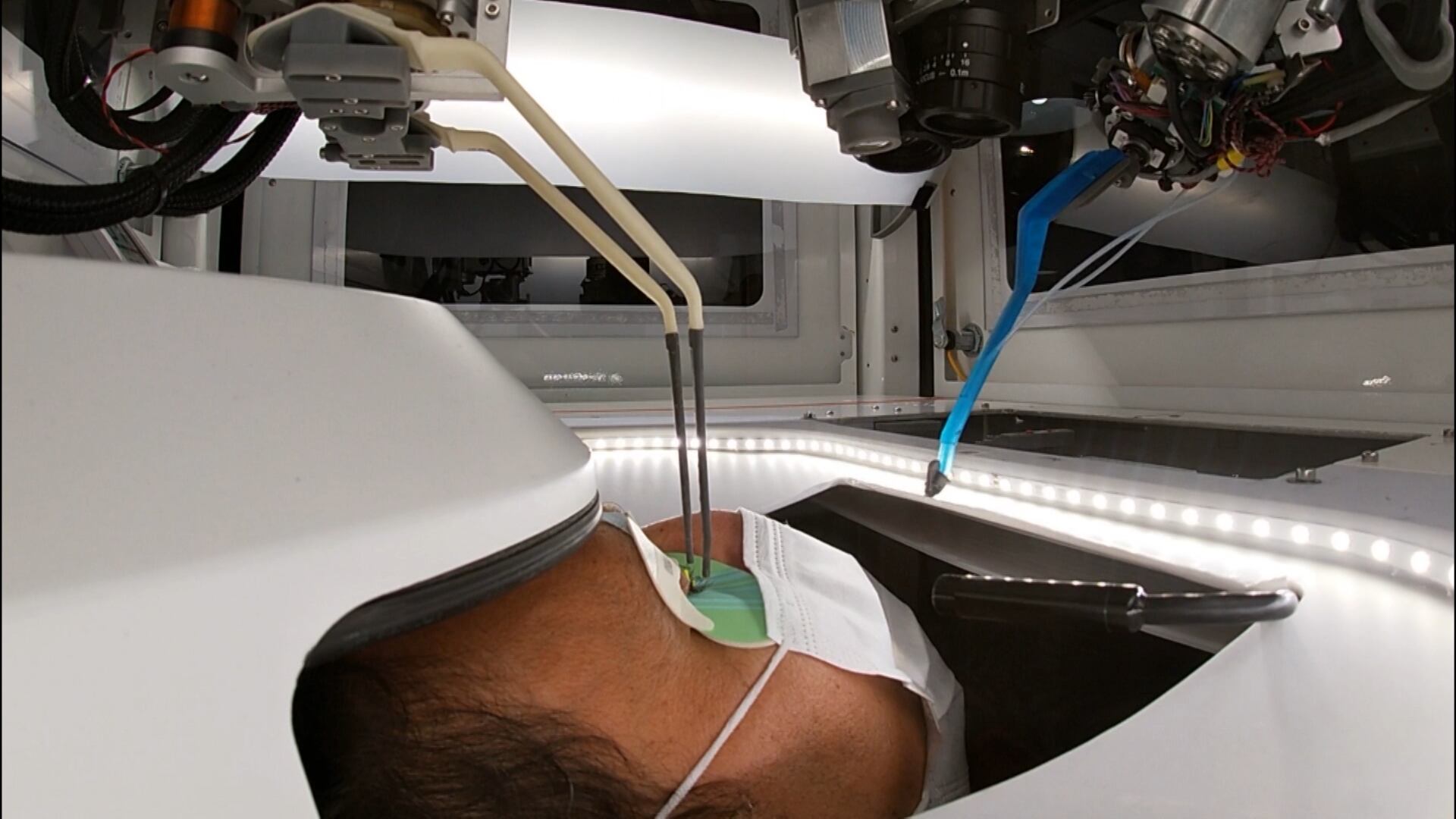
Nathan Harding, CEO of Luum, joins Cheddar Innovates to discuss the process of having a robot put on eyelash extensions, and how automation is making its way into the beauty industry
Kevin Yu, Founder and CEO of Sidechef, joins Cheddar Innovates to discuss how it's building a platform to make recipe shopping easy, and how its features help you discover new recipes with the same ingredients to fight the massive problem of food waste.
On this episode of Cheddar Innovates: Sidechef CEO breaks down how it's building a platform to make recipe shopping easy; Luum CEO explains the process of having a robot put on eyelash extensions; A look at Curiosity Stream's new original series, 'Evolve.'