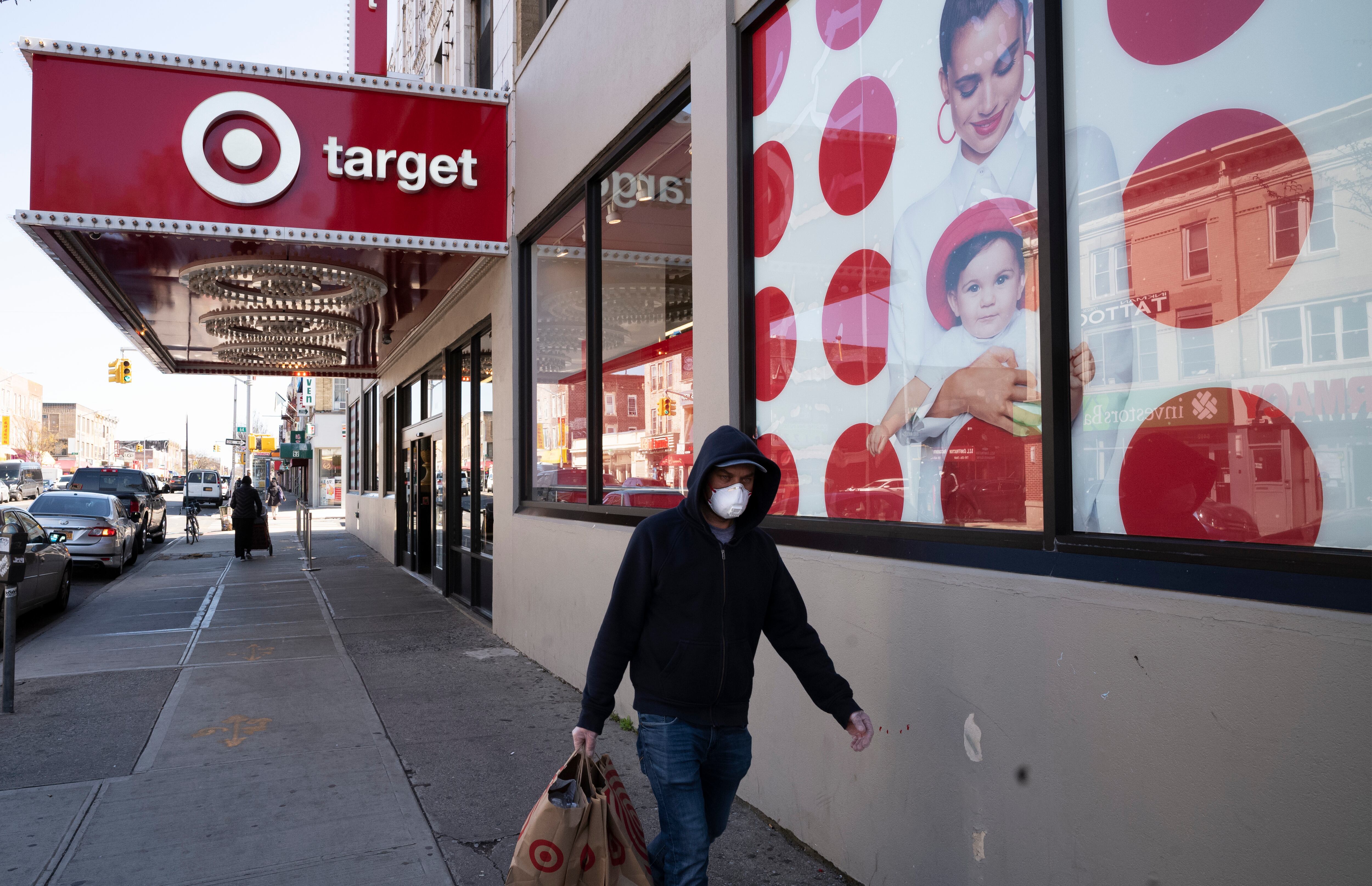
In this April 6, 2020 file photo, a customer wearing a mask carries his purchases as he leaves a Target store during the coronavirus pandemic in the Brooklyn borough of New York. Target has joined a growing list of major retailers that will require customers at all their stores to wear face coverings. The Minneapolis, Minnesota-based discounter said Thursday, July 16, that the policy will go into effect Aug. 1.(AP Photo/Mark Lennihan, File)
By Anne D'Innocenzio
Two major retailers on Thursday joined the growing list of national chains that will require customers to wear face masks regardless of where cities or states stand on the issue.
Target's mandatory face mask policy will go into effect Aug. 1, and all CVS stores will begin requiring them on Monday.
More than 80 percent of Target's 1,800 stores already require customers to wear masks due to local and state regulations. Target will hand out masks at entrances to those who need them.
The announcements come one day after the nation's largest retailer, Walmart, said that it would mandate face shields for all customers starting Monday.
Starbucks, Best Buy, Kohl's, and Kroger Co. have also announced mandatory masks nationwide.
Retailers have hesitated to make masks mandatory nationwide out of fear of angering some customers over what, even in a pandemic, has become a political issue.
They have been reluctant to put employees in the position of becoming enforcers. Confrontations with customers and store employees have played out in multiple incidents caught on video.
It was difficult to enforce such rules even in states that mandate face masks. However, the recent surge of new virus cases — particularly in Florida, California, Texas, and Arizona — has left them with no choice, retail experts say.
"To be clear, we're not asking our store employees to play the role of enforcer, " said Jon Roberts, the chief operating officer at CVS. "What we are asking is that customers help protect themselves and those around them by listening to the experts and heeding the call to wear a face covering."
Dave Long, CEO and Co-Founder of Orangetheory Fitness joins Cheddar to chat trends in the industry for 2024. He updates us on the company's plans to expand and what the state of the economy has meant for business.
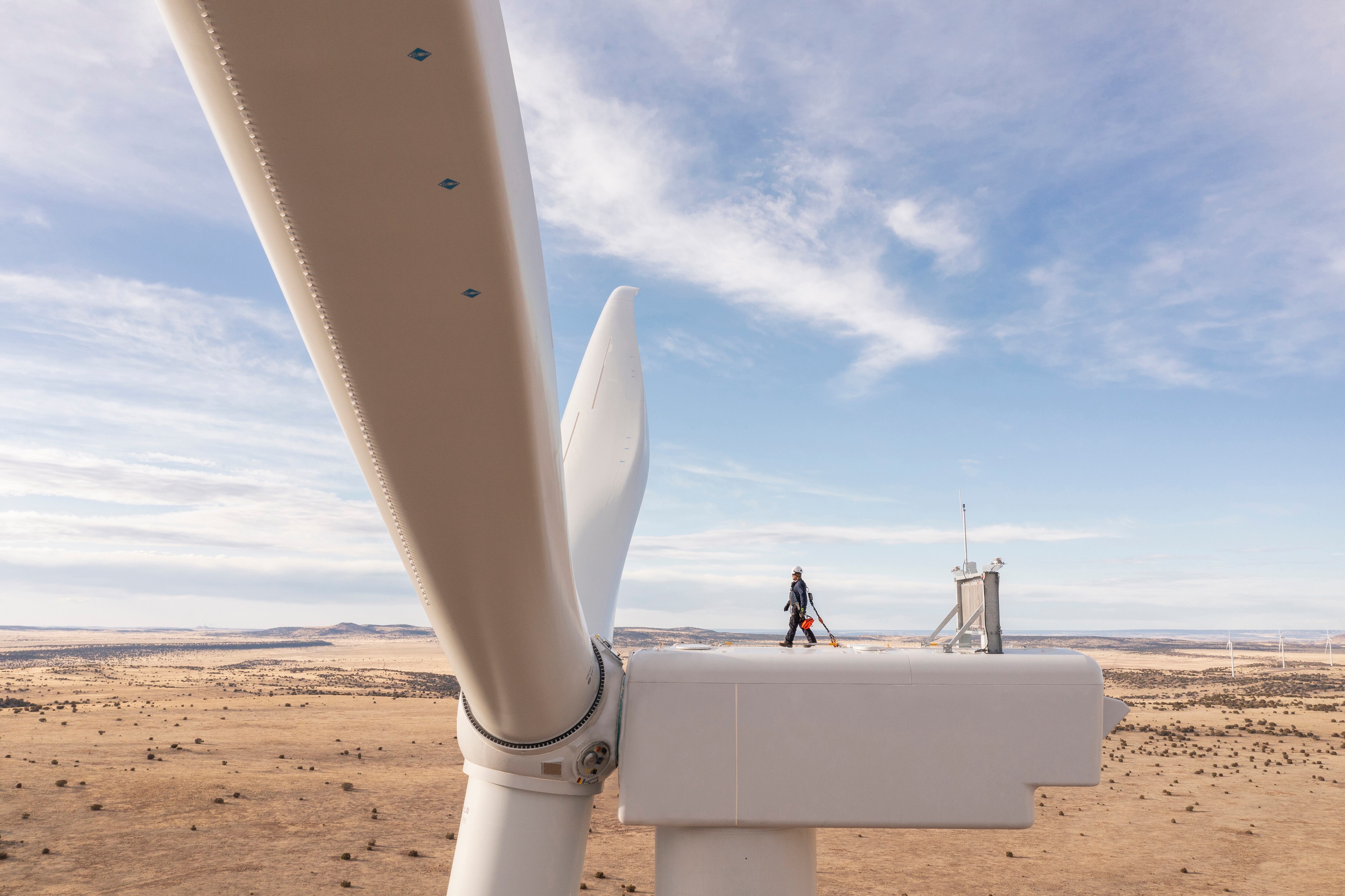
One of the world's largest renewable energy developers will be getting hundreds of wind turbines from General Electric spinoff GE Vernova as part of a record equipment order and long-term service deal.
A moon landing attempt by a private US company appears doomed because of a fuel leak on the newly launched spacecraft. Astrobotic Technology managed to orient the lander toward the sun Monday so its solar panel could capture sunlight and charge its onboard battery.
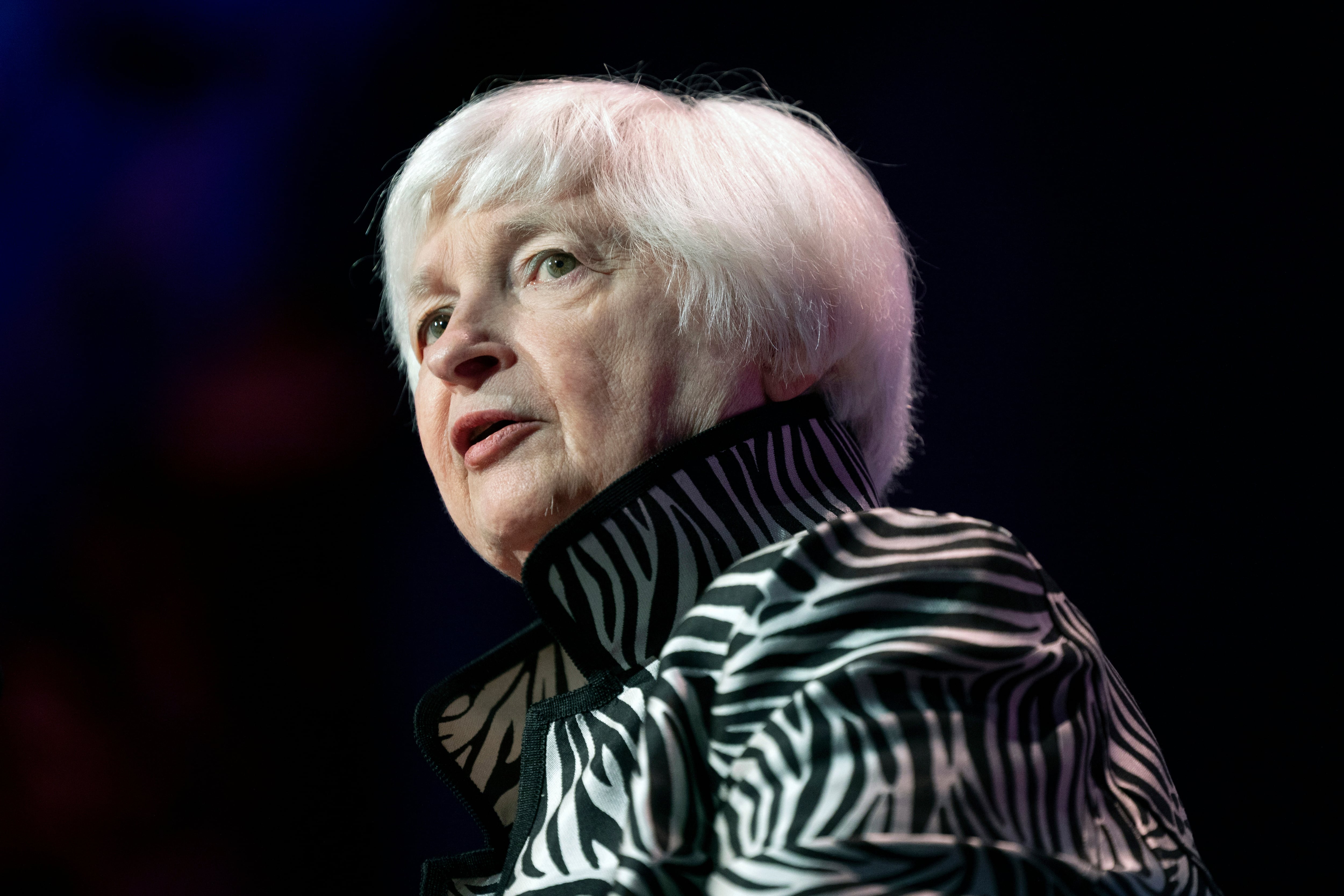
Treasury Secretary Janet Yellen has announced that 100,000 businesses have signed up for a new database that collects ownership information intended to help unmask shell company owners. Yellen says the database will send the message that “the United States is not a haven for dirty money.”
A new version of the federal student aid application known as the FAFSA is available for the 2024-2025 school year, but only on a limited basis as the U.S. Department of Education works on a redesign meant to make it easier to apply.
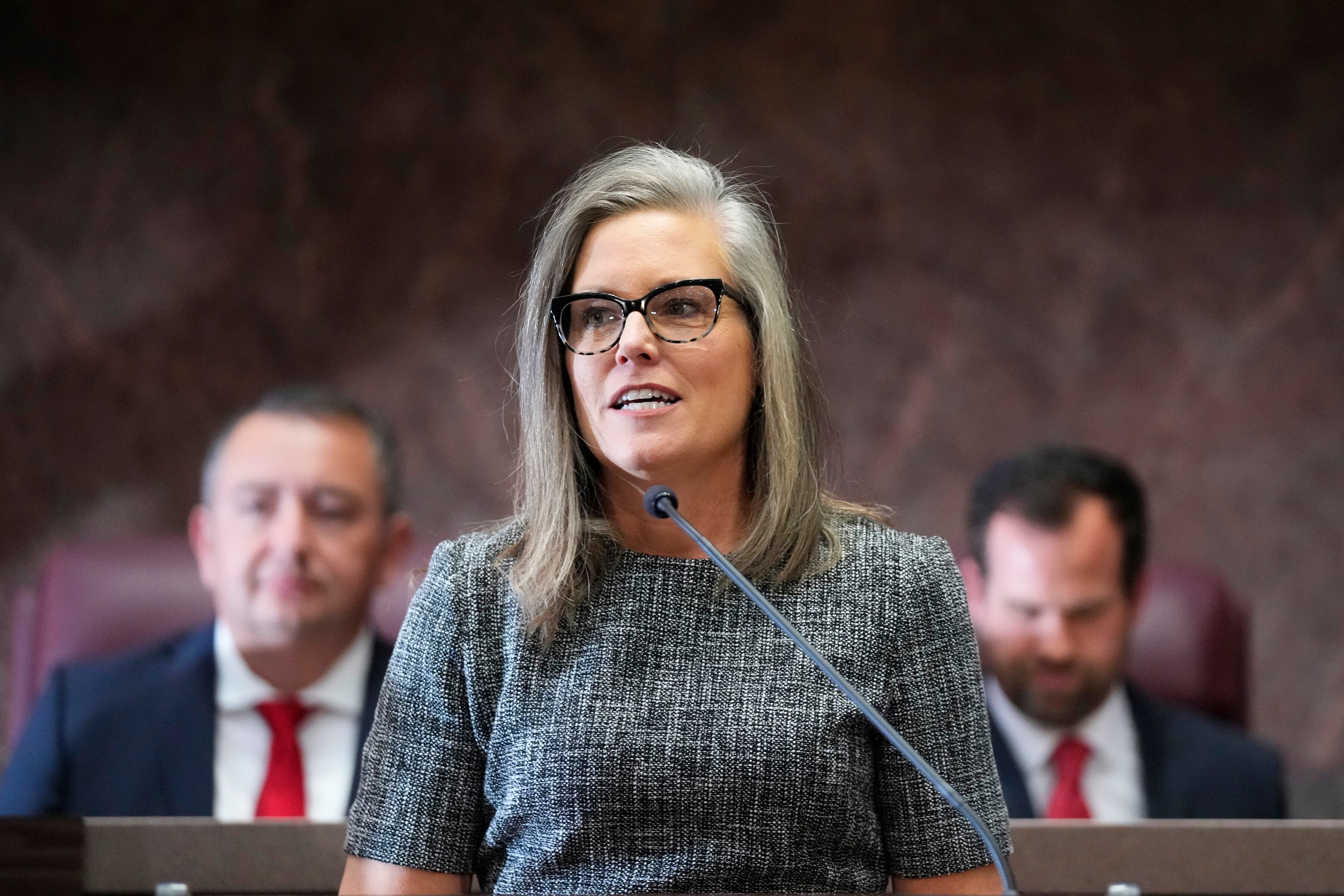
A steep budget deficit caused by plummeting tax revenues and escalating school voucher costs will be in focus Monday as Democratic Gov. Katie Hobbs and the Republican-controlled Arizona Legislature return for a new session at the state Capitol.
The first U.S. lunar lander in more than 50 years is on its way to the moon. The private lander from Astrobotic Technology blasted off Monday from Cape Canaveral, Florida, catching a ride on United Launch Alliance's brand new rocket Vulcan.
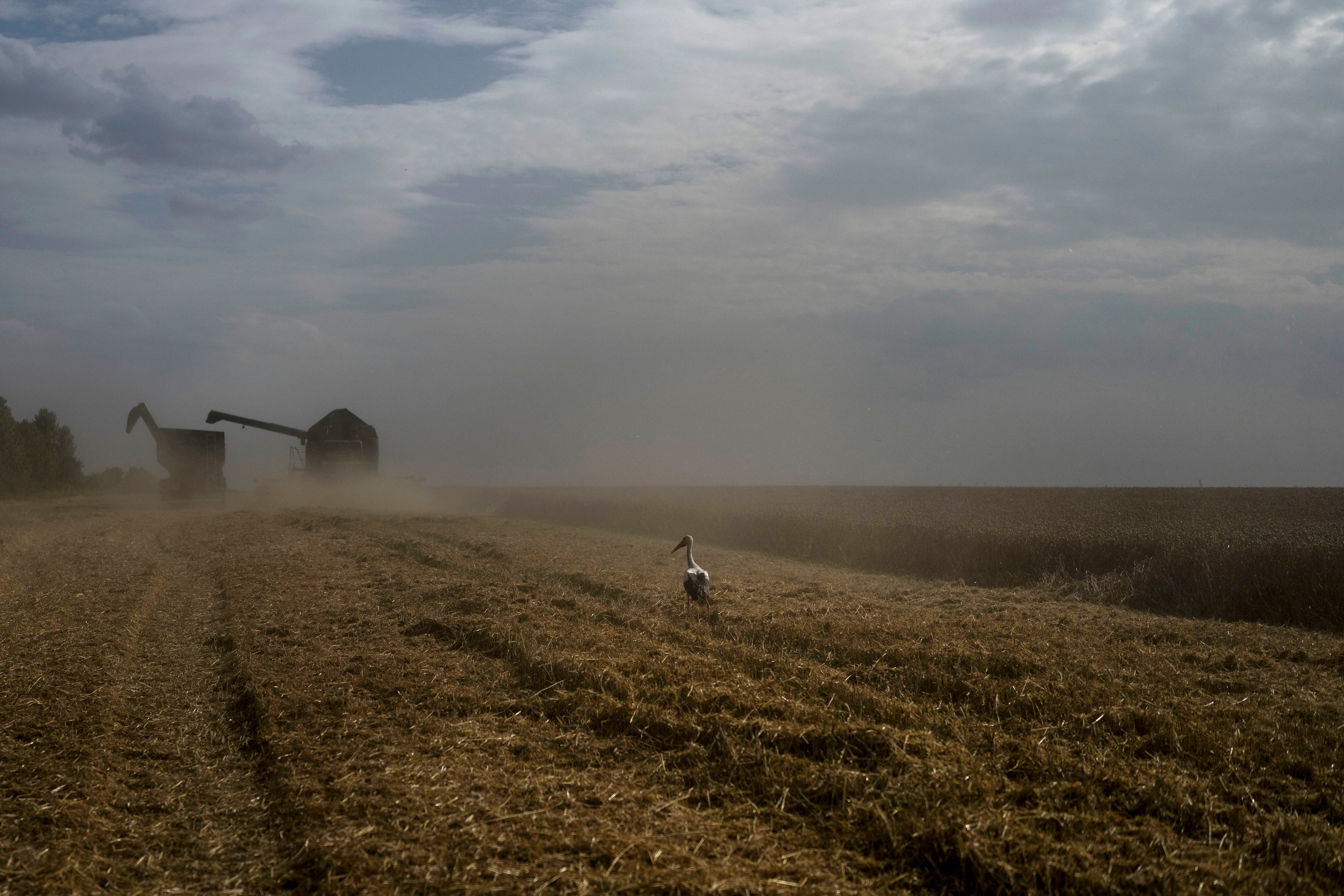
Global prices for food commodities like grain and vegetable oil fell last year from record highs in 2022, when Russia’s war in Ukraine, drought and other factors helped worsen hunger worldwide, the U.N. Food and Agriculture Organization said Friday.
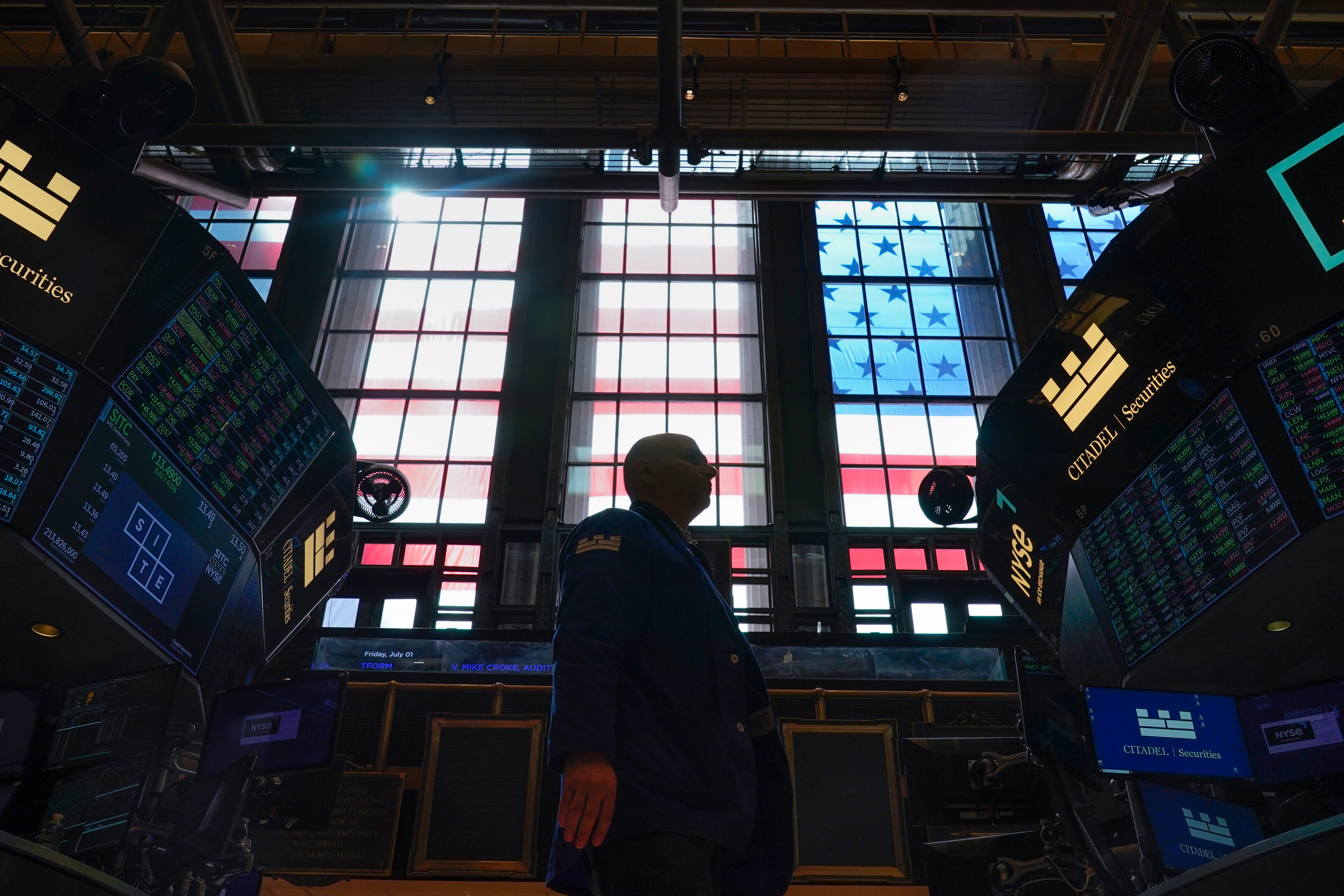
Wall Street is drifting higher after reports showed the job market remains solid, but key parts of the economy still don’t look like they’re overheating.