As the coronavirus pandemic exposes educational inequality throughout the United States, LEGO is looking to revamp the way digitally disadvantaged elementary and middle school students learn via a new 'purposeful play' program funded by leaders in tech and education.
Esben Staerk, LEGO Education president, explained that the toy company division has joined the 'Creating Learning Connections' initiative meant to ensure every student has "access to quality devices and quality internet connection."
In partnership with CDW-G, GE, Intel, and First Book, the initiative poured $7 million into the fund to develop tools and products that guide teachers and entice students to engage with their learning materials.
"The pandemic has exacerbated the divide. A recent study by First Book actually indicates that around 40 percent of students lack access to quality devices and almost 40 percent lack access to quality internet connections," Staerk said.
The physical aspect of LEGO Education's learning tools, according to Staerk, makes learning fun and is a better source for information retention.
"All the LEGO Education solutions are based around hands-on learning, and they're based around a playful learning or learning to play approach," he explained.
As parents and teachers express having difficulties with children learning from home, Staerk said the purposeful play program isn't just meant to level the educational playing field but also to "make sure that these communities and these students are engaged in their learning."
For Staerk, the choice to join an equal education initiative was easy since the importance of access to quality education is essential for the ability to be "life-long learners," he noted.
"It's important that we spark student creativity, their problem solving, their critical thinking, but not least, also build their confidence in learning and their resilience," Staerk added.
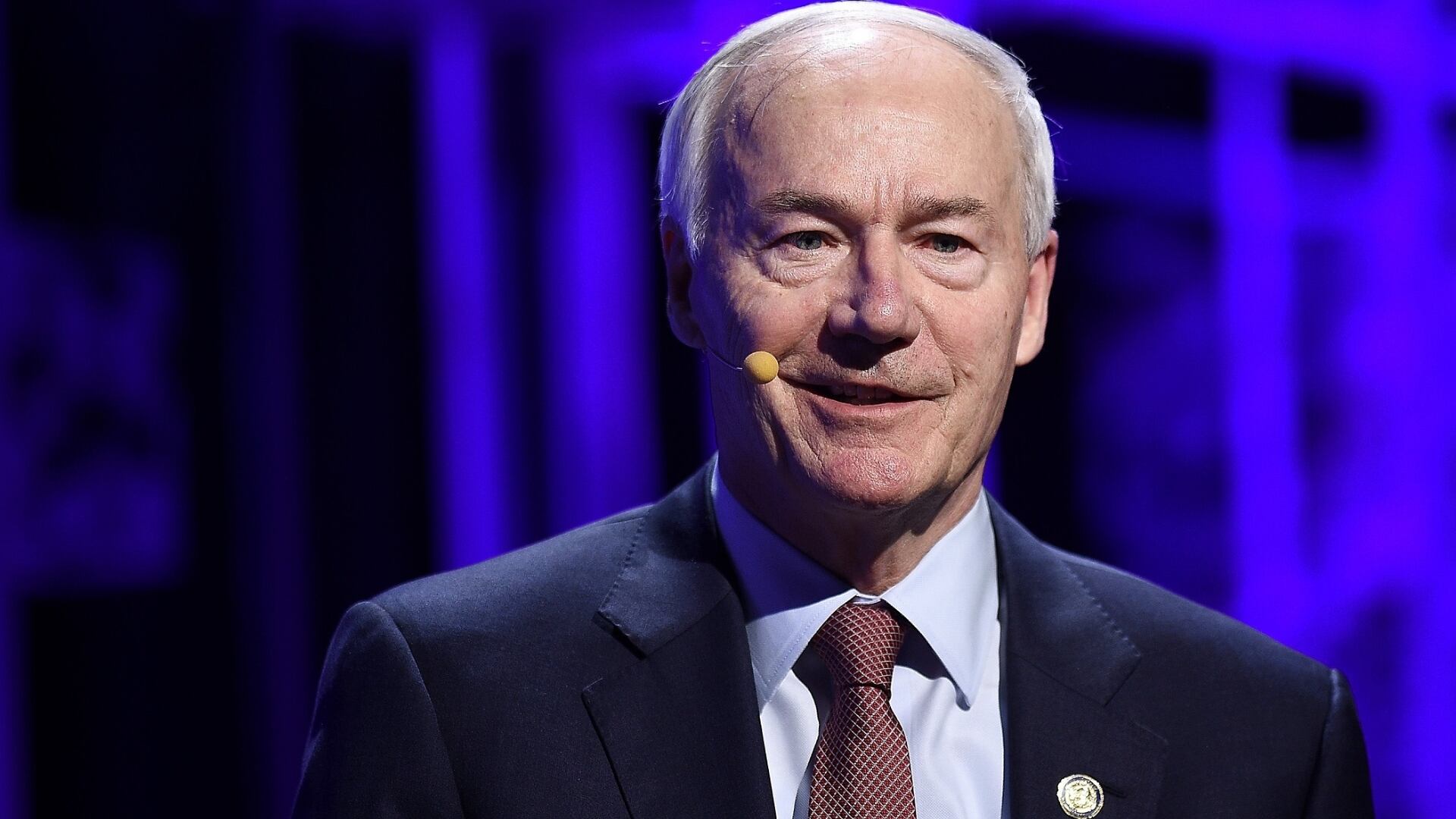
Arkansas is planning to reshape itself by putting a strong emphasis on technology through computer science in the classroom. Governor Asa Hutchinson joined Cheddar News Buffa to discuss the state's efforts to promote itself as a future tech hub. “It gives young people such a huge opportunity for success," he noted. The term-limited governor also touched on the issue of gun ownership, offering up the idea of possibly raising the age limit to obtain rifles like the AR-15 to 21 instead of 18 as it currently stands.
Elon Musk is demanding his Tesla employees to return to the office full time, a minimum of at least 40 hours a week. The CEO also took a shot at other companies who have some form of work-from-home status. The ultimatum comes at a tumultuous time for Musk with the reveal of a sexual misconduct scandal and his attempted Twitter purchase.
Bindu Sundaresan, Director, AT&T Cybersecurity, joins Cheddar to discuss best practices and important cybersecurity milestones to hit for any organization, and how small business owners can think about cyber beyond technology and compliance.
Memorial Day rang in the unofficial start of summer here in the United States -- and with it, the unofficial start of summer travel. Whether consumers traveled by air or by land, they probably experienced some form of frustration over the weekend. Flyers faced delays and cancellations, and drivers faced the most expensive gas prices ever recorded on Memorial Day. Zach Griff, Senior Aviation Reporter for the Points Guy, joins Cheddar News' Closing Bell to discuss.
Next-generation gaming ecosystem Joystick recently raised $8 million in a seed round and is in the process of raising a $110 million Series A funding round. Gaming ecosystems are a relatively new type of platform in the Web3 space, allowing users to maximize their play-to-earn gaming opportunities, exchange crypto-currencies, and sell their digital assets. Joystick says its platform is flipping the current model on its head by giving players the opportunity to keep 100% of the revenue they earn. Robin Defay, co-founder and CEO of Joystick, and Michael Le, co-founder of Joystick and TikTok content creator, join Cheddar News' Closing Bell to discuss.
The dating app Bumble has sponsored bills and pushed lawmakers to criminalize the online practice of sending unsolicited nudes or “cyberflashing." Payton Iheme, Bumble's head of public policy for the Americas, joined Cheddar News to discuss why the app was going after the harassing behavior beyond its own platform. "Now, while we went to work internally in the company, and we created something called private detector to automatically blur those images so the user can decide if they want to see them, there's nothing for the rest of the internet," she said. "And so that's why we went to work with these laws."