A new study from the American College of Cardiology has found that the popular ketogenic or "keto" diet may contribute to higher levels of "bad cholesterol" and a twofold increase in the risk of heart attacks and strokes.
“Our study found that regular consumption of a self-reported diet low in carbohydrates and high in fat was associated with increased levels of LDL cholesterol— or “bad” cholesterol—and a higher risk of heart disease,” said Dr. Iulia Iatan, MD, PhD, lead author of the study and attending physician-scientist at the Healthy Heart Program Prevention Clinic in St. Paul’s Hospital.
“To our knowledge, our study is one of the first to examine the association between this type of dietary pattern and cardiovascular outcomes.”
The study points out that depriving the body of carbohydrates such as bread, pasta, and rice forces the body to break down fat for energy instead. This breakdown produces ketones in the liver, hence the name keto. Advocates for this type of diet suggest obtaining 60 to 80 percent of calories from fat.
By comparing this low-carbohydrate, high-fat (LCHF) diet with a more standard diet, the study found that it elevated levels of LDL cholesterol in some people, which is known to elevate the risk of heart disease.
Before starting this dietary pattern, they should consult a healthcare provider," Iatan said. "While on the diet, it is recommended they have their cholesterol levels monitored and should try to address other risk factors for heart disease or stroke, such as diabetes, high blood pressure, physical inactivity and smoking.”
Melissa Whitely, personal trainer for Life Time Fitness, spoke with Cheddar News about the importance of recovery following a tense workout session. "If we're not going through the proper recovery methods, we can have undue pain, discomfort, tightness in our muscles and all those other things we can avoid," she said.
Dr. Payel Gupta, medical director of allergy, asthma, immunology & ENT for LifeMD.com, joined Cheddar News to discuss some tips on how to cope with allergy season. "With the warmer temperatures, we're seeing that the seasons arrive sooner and actually last longer, and also the elevated CO2 levels actually cause the plants to release more pollen," she said.
A new survey from the National Council for Mental Wellbeing shows that four in five behavioral health workers were concerned that labor shortages in their field “negatively impact society as a whole.”
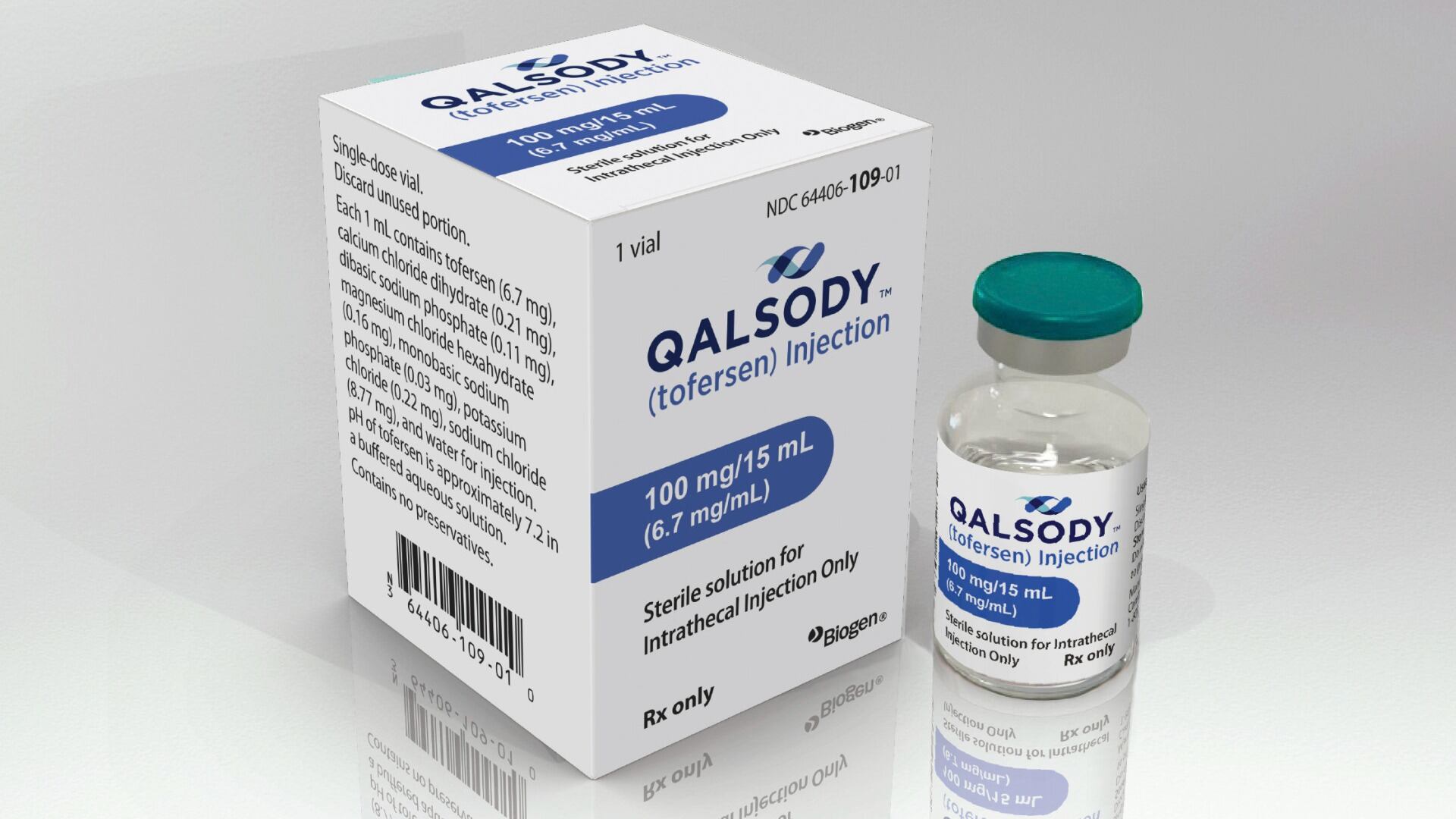
Food and Drug Administration regulators on Tuesday approved a first-of-a-kind drug for a rare form of Lou Gehrig’s disease, though they are requiring further research to confirm it truly helps patients.
How Accelerated Glacier Melting Is Impacting Rising Sea Levels
A Japanese company's attempt to land a spacecraft on the moon has apparently failed. Flight controllers lost contact Wednesday with the lander after it descended from lunar orbit, aiming for the dusty surface.
A bird strike sparked an engine fire on a plane shortly after takeoff from an Ohio airport on Sunday.
The Supreme Court on Friday preserved women’s access to a drug used in the most common method of abortion, rejecting lower-court restrictions while a lawsuit continues.
Buick's Global Vice President Talks Development of 'Envista,' Gas-Powered Cars
Peter Krull, a partner and director of sustainable investing at Prime Capital Investment Advisors company Earth Equity Advisors, joined Cheddar News to give some tips on green investments.