A Montana judge on Monday sided with young environmental activists who said state agencies were violating their constitutional right to a clean and healthful environment by permitting fossil fuel development without considering its effect on the climate.
District Court Judge Kathy Seeley found the policy the state uses in evaluating requests for fossil fuel permits — which does not allow agencies to evaluate the effects of greenhouse gas emissions — is unconstitutional.
Julia Olson, an attorney representing the youth and with Our Children’s Trust, an Oregon environmental group that has filed similar lawsuits in every state since 2011, celebrated the ruling.
“As fires rage in the West, fueled by fossil fuel pollution, today’s ruling in Montana is a game-changer that marks a turning point in this generation’s efforts to save the planet from the devastating effects of human-caused climate chaos,” Olson said in a statement. “This is a huge win for Montana, for youth, for democracy, and for our climate. More rulings like this will certainly come.”
Judge Seeley wrote in the ruling that “Montana’s emissions and climate change have been proven to be a substantial factor in causing climate impacts to Montana’s environment and harm and injury” to the youth.
However, it's up to the state Legislature to determine how to bring the policy into compliance. That leaves slim chances for immediate change in a fossil fuel-friendly state where Republicans dominate the statehouse.
Attorneys for the 16 plaintiffs, ranging in age from 5 to 22, presented evidence during the two-week trial in June that increasing carbon dioxide emissions are driving hotter temperatures, more drought and wildfires and decreased snowpack. Those changes are harming the young people's physical and mental health, according to experts brought in by the plaintiffs.
The state argued that even if Montana completely stopped producing C02, it would have no effect on a global scale because states and countries around the world contribute to the amount of C02 in the atmosphere.
A remedy has to offer relief, the state said, or it’s not a remedy at all.
David Levine, elections integrity fellow with Alliance for Securing Democracy, joins Cheddar News to discuss Politico's bombshell finding revealing the RNC's plan to contest the elections.
A survey by the BMO Real Financial Progress Index found that 25 percent of Americans are pulling back on retirement contributions to offset the cost of inflation. This comes as market volatility reduced retirement savings with the S&P 500 shedding more than 12 percent this year alone.
As abortion rights take center stage in courts around the country, so do discussions about reproductive health. Signs and social media posts say things like "protect women's rights" and "her body, her choice," leaving others who need and receive abortions completely out of the picture. The potential end to Roe v. Wade would impact far more people and facilities than you may think. Cheddar News' Baker Machado breaks it all down.
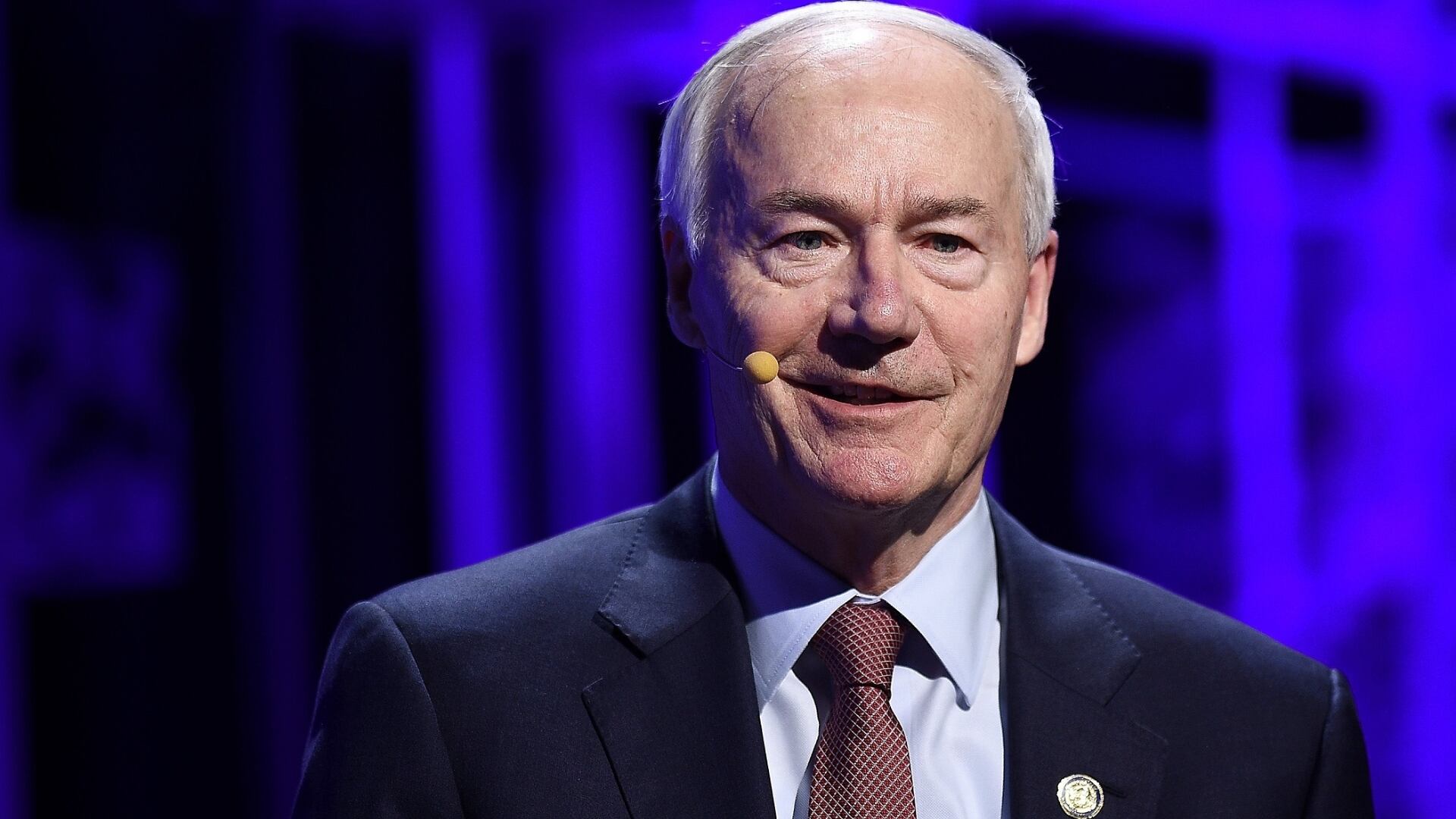
Arkansas is planning to reshape itself by putting a strong emphasis on technology through computer science in the classroom. Governor Asa Hutchinson joined Cheddar News Buffa to discuss the state's efforts to promote itself as a future tech hub. “It gives young people such a huge opportunity for success," he noted. The term-limited governor also touched on the issue of gun ownership, offering up the idea of possibly raising the age limit to obtain rifles like the AR-15 to 21 instead of 18 as it currently stands.
The dating app Bumble has sponsored bills and pushed lawmakers to criminalize the online practice of sending unsolicited nudes or “cyberflashing." Payton Iheme, Bumble's head of public policy for the Americas, joined Cheddar News to discuss why the app was going after the harassing behavior beyond its own platform. "Now, while we went to work internally in the company, and we created something called private detector to automatically blur those images so the user can decide if they want to see them, there's nothing for the rest of the internet," she said. "And so that's why we went to work with these laws."
Constituent service platform Indigov recently raised $25 million in a Series B funding round. Indigov bills itself as a constituent relationship management tool that helps elected officials improve the way they organize, respond to, and engage those they serve. The startup's services are being used by federal, state, and local governments across the country, including the U.S. House of Representatives. Alex Kouts, founder & CEO of Indigov, joins Cheddar News' Closing Bell to discuss.