U.S. employers advertised more jobs in June compared with the previous month, but overall hiring fell, painting a mixed picture of the job market. The number of jobs posted on the last day in June jumped 9.6 percent to 5.9 million, the Labor Department said Monday, a solid gain but still below the pre-pandemic level of about 7 million. And employers hired 6.7 million people in June, down from 7.2 million in May, a record high. The figures suggest that restaurants, bars, retail shops, and entertainment venues — businesses that were subject to shutdown orders in April — continued to bring back workers at a healthy pace. Job openings in those industries also rose. But outside those categories, employers remain reluctant to bring on new workers, a trend that could weigh on the economy in the coming months. Hiring slowed sharply in manufacturing, construction, and health care services in June. The government has previously reported that the nation gained 4.8 million jobs in June. That figure, however, is a net total, while Monday's report, known as the Job Openings and Labor Turnover Survey, or JOLTS, provides gross hiring figures, without subtracting layoffs or quits. On Friday, the government said employers added a net 1.8 million jobs, a solid gain but far below June's increase and below the 2.7 million added in May. Employers slashed 22 million positions in March and April, and so far 42 percent of those lost jobs have been regained. The number of people quitting their jobs, meanwhile, rose by one-quarter to nearly 2.6 million, a huge gain that is unusual in the depths of the recession, when workers typically try to hold onto their jobs. Many workers may be reluctant to remain in jobs that they believe put their health at risk. Economists also worry that many women and men are quitting jobs to look after children, a trend that could also hold back job growth.
By Christopher Rugaber
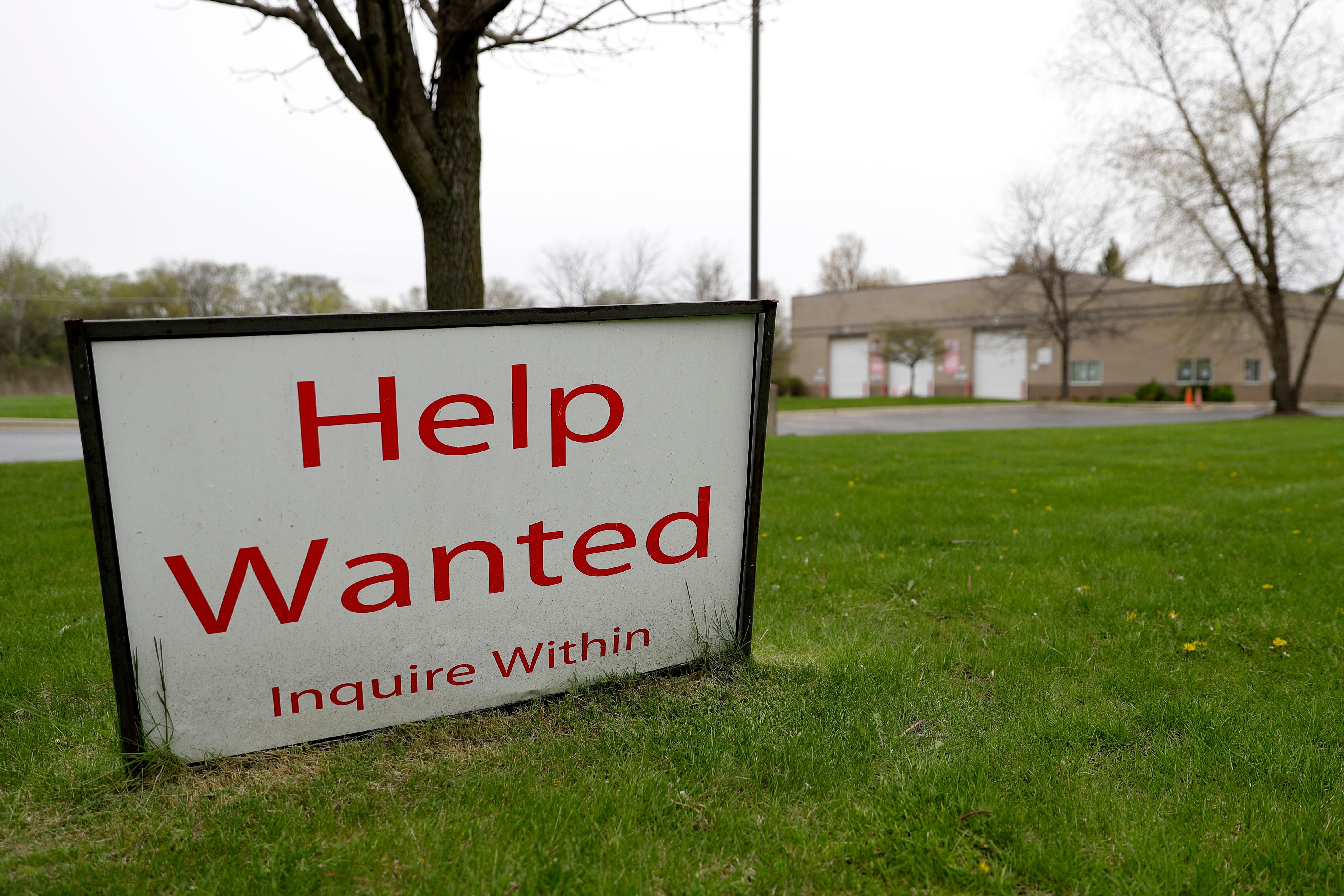
U.S. employers advertised more jobs in June compared with the previous month, but overall hiring fell, painting a mixed picture of the job market.
The number of jobs posted on the last day in June jumped 9.6 percent to 5.9 million, the Labor Department said Monday, a solid gain but still below the pre-pandemic level of about 7 million. And employers hired 6.7 million people in June, down from 7.2 million in May, a record high.
The figures suggest that restaurants, bars, retail shops, and entertainment venues — businesses that were subject to shutdown orders in April — continued to bring back workers at a healthy pace. Job openings in those industries also rose.
But outside those categories, employers remain reluctant to bring on new workers, a trend that could weigh on the economy in the coming months. Hiring slowed sharply in manufacturing, construction, and health care services in June.
The government has previously reported that the nation gained 4.8 million jobs in June. That figure, however, is a net total, while Monday's report, known as the Job Openings and Labor Turnover Survey, or JOLTS, provides gross hiring figures, without subtracting layoffs or quits.
On Friday, the government said employers added a net 1.8 million jobs, a solid gain but far below June's increase and below the 2.7 million added in May. Employers slashed 22 million positions in March and April, and so far 42 percent of those lost jobs have been regained.
The number of people quitting their jobs, meanwhile, rose by one-quarter to nearly 2.6 million, a huge gain that is unusual in the depths of the recession, when workers typically try to hold onto their jobs. Many workers may be reluctant to remain in jobs that they believe put their health at risk. Economists also worry that many women and men are quitting jobs to look after children, a trend that could also hold back job growth.
Low-value imports are losing their duty-free status in the U.S. this week as part of President Donald Trump's agenda for making the nation less dependent on foreign goods. A widely used customs exemption for international shipments worth $800 or less is set to end starting on Friday. Trump already ended the “de minimis” rule for inexpensive items sent from China and Hong Kong, but having to pay import taxes on small parcels from everywhere else likely will be a big change for some small businesses and online shoppers. Purchases that previously entered the U.S. without needing to clear customs will be subject to the origin country’s tariff rate, which can range from 10% to 50%.
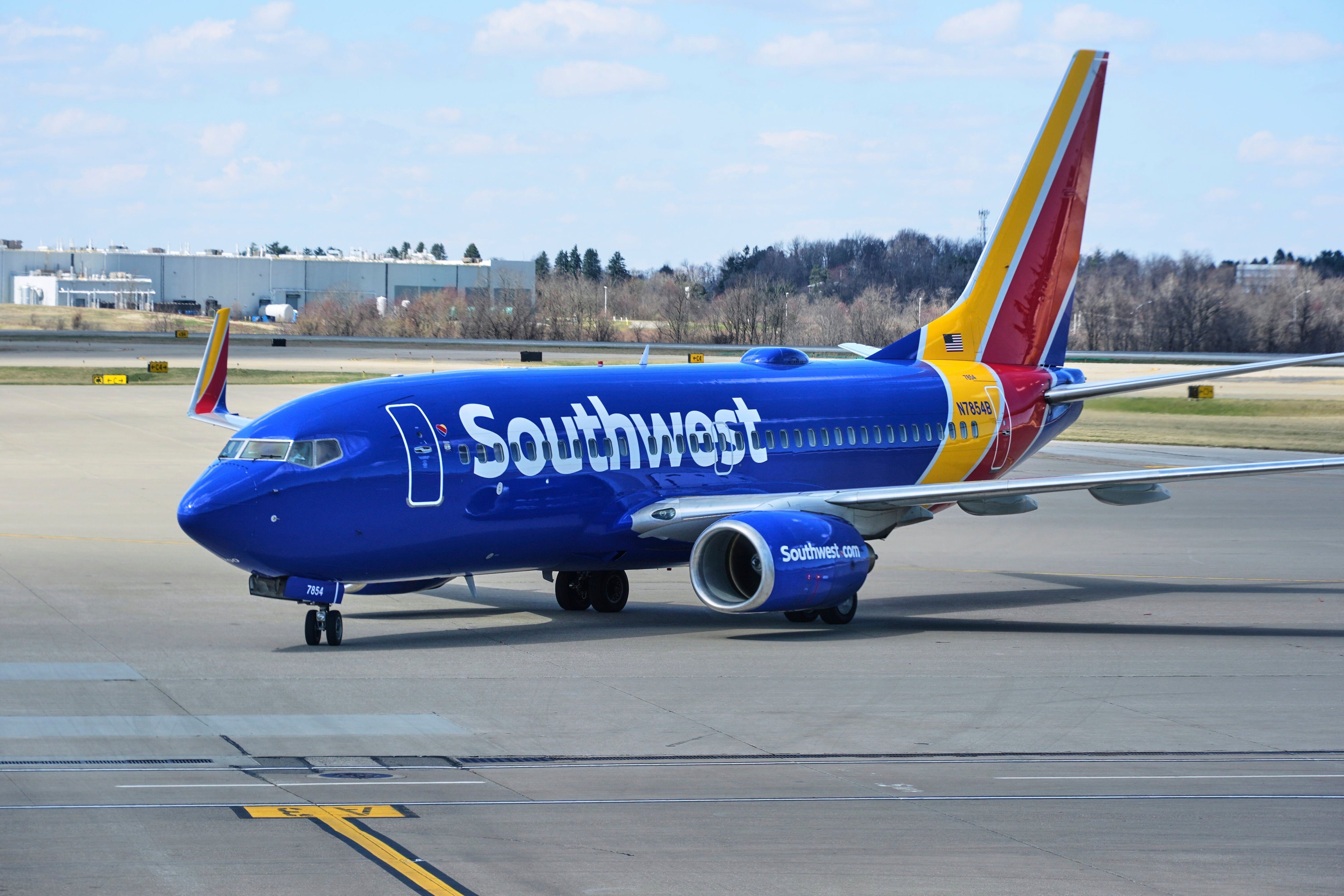
Southwest Airlines will soon require plus-size travelers to pay for an extra seat in advance if they can't fit within the armrests of one seat. This change is part of several updates the airline is making. The new rule starts on Jan. 27, the same day Southwest begins assigning seats. Currently, plus-size passengers can pay for an extra seat in advance and later get a refund, or request a free extra seat at the airport. Under the new policy, refunds are still possible but not guaranteed. Southwest said in a statement it is updating policies to prepare for assigned seating next year.
Cracker Barrel is sticking with its new logo. For now. But the chain is also apologizing to fans who were angered when the change was announced last week.
Elon Musk on Monday targeted Apple and OpenAI in an antitrust lawsuit alleging that the iPhone maker and the ChatGPT maker are teaming up to thwart competition in artificial intelligence.
Hear from Gabino & Stephen Roche on Saphyre’s institutional AI platform that centralizes pre‑ and post‑trade data, redefining settlement speed and accuracy.
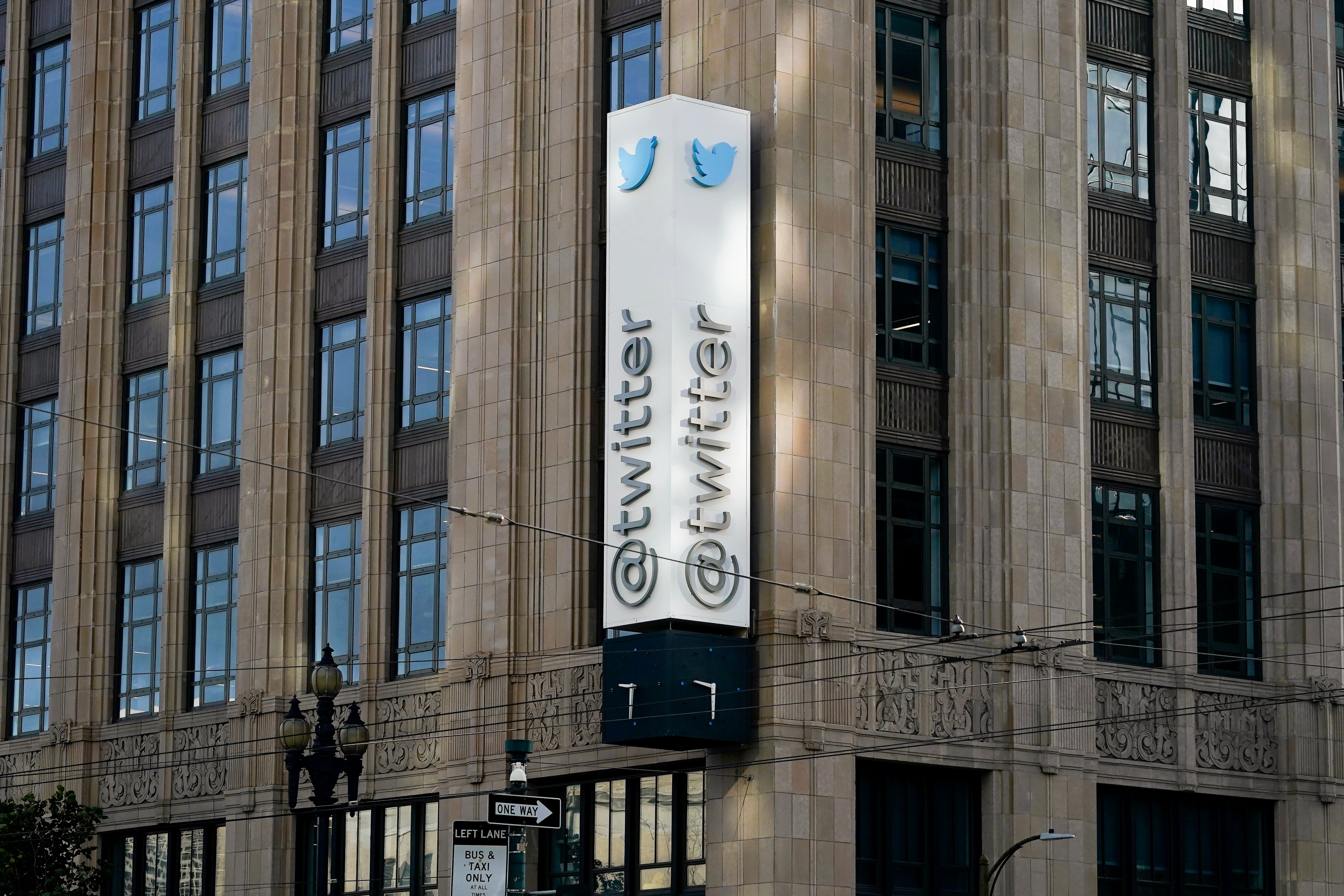
Elon Musk’s X has reached a tentative settlement with former employees of the company then known as Twitter who’d sued for $500 million in severance pay.