Mobile gaming platform Playtika ($PLTK) began trading on the Nasdaq Friday in an initial public offering valuing the company at $1.88 billion, potentially making it the biggest IPO of the year so far.
The Israeli-based platform hosts a mix of casual and casino-themed games, with nine out of the top 100 games on Apple and Google Play, according to CFO Craig Abrahams.
In the lead-up to the public offering, the company benefited from a surge of interest in mobile gaming during the pandemic.
"During stay-at-home orders, people were looking for alternate means of entertainment during these tough times, and mobile gaming was one of the great places that they went for entertainment," Abrahams told Cheddar.
The company makes 97 percent of its revenue from in-app purchases, such as extra features bought within the game to extend or expand players' experience, and 3 percent from in-game advertising.
Funding from the IPO will support an ongoing growth strategy centered around acquisitions.
"There's a lot of opportunities in front of us," Abrahams said. "M&A has been a core part of our growth strategy."
He added that Playtika has made seven studio acquisitions over the last eight years and that the company is in a strong position to make another one in the near-term.
"We've always generated a tremendous amount of cash," he said.
Playtika is the first in what could be a full pipeline of game developers going public this year. Kids gaming site Roblox is planning a direct listing early in 2021, and mobile gaming conglomerate AppLovin is currently exploring a public option.
Updated on January 15, 2021, at 12:28 p.m. ET to reflect that trading was underway.
Wealthfront’s CFO Alan Iberman talks the $2.05B IPO and the major moment for robo banking as the company bets on AI, automation, and “self-driving money."
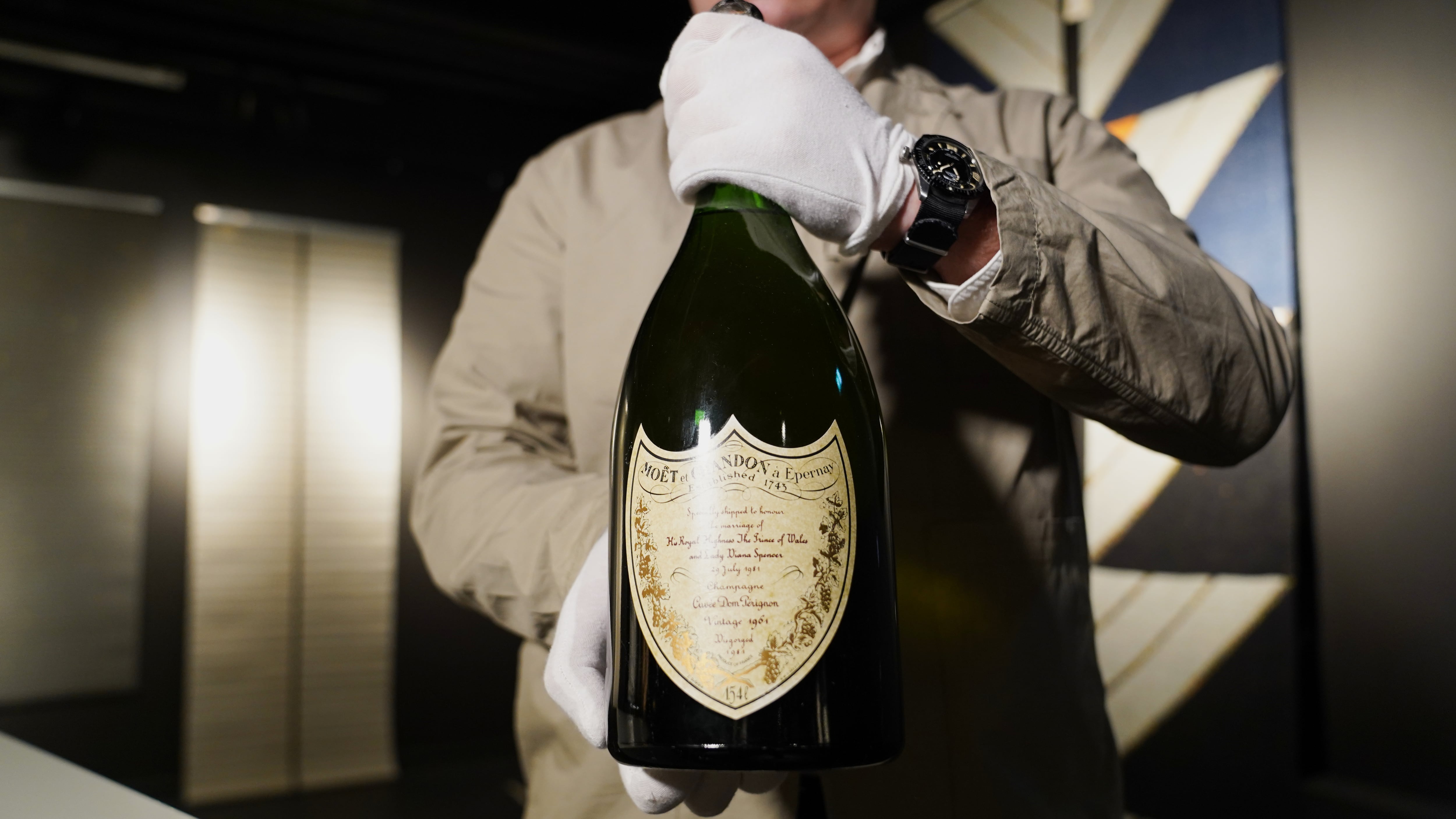
A rare magnum of Dom Pérignon Vintage 1961 champagne that was specially produced for the 1981 wedding of Prince Charles and Lady Diana has failed to sell during an auction. Danish auction house Bruun Rasmussen handled the bidding Thursday. The auction's house website lists the bottle as not sold. It was expected to fetch up to around $93,000. It is one of 12 bottles made to celebrate the royal wedding. Little was revealed about the seller. The auction house says the bids did not receive the desired minimum price.
The New York Times and President Donald Trump are fighting again. The news outlet said Wednesday it won't be deterred by Trump's “false and inflammatory language” from writing about the 79-year-old president's health. The Times has done a handful of stories on that topic recently, including an opinion column that said Trump is “starting to give President Joe Biden vibes.” In a Truth Social post, Trump said it might be treasonous for outlets like the Times to do “FAKE” reports about his health and "we should do something about it.” The Republican president already has a pending lawsuit against the newspaper for its past reports on his finances.
OpenAI has appointed Slack CEO Denise Dresser as its first chief of revenue. Dresser will oversee global revenue strategy and help businesses integrate AI into daily operations. OpenAI CEO Sam Altman recently emphasized improving ChatGPT, which now has over 800 million weekly users. Despite its success, OpenAI faces competition from companies like Google and concerns about profitability. The company earns money from premium ChatGPT subscriptions but hasn't ventured into advertising. Altman had recently announced delays in developing new products like AI agents and a personal assistant.
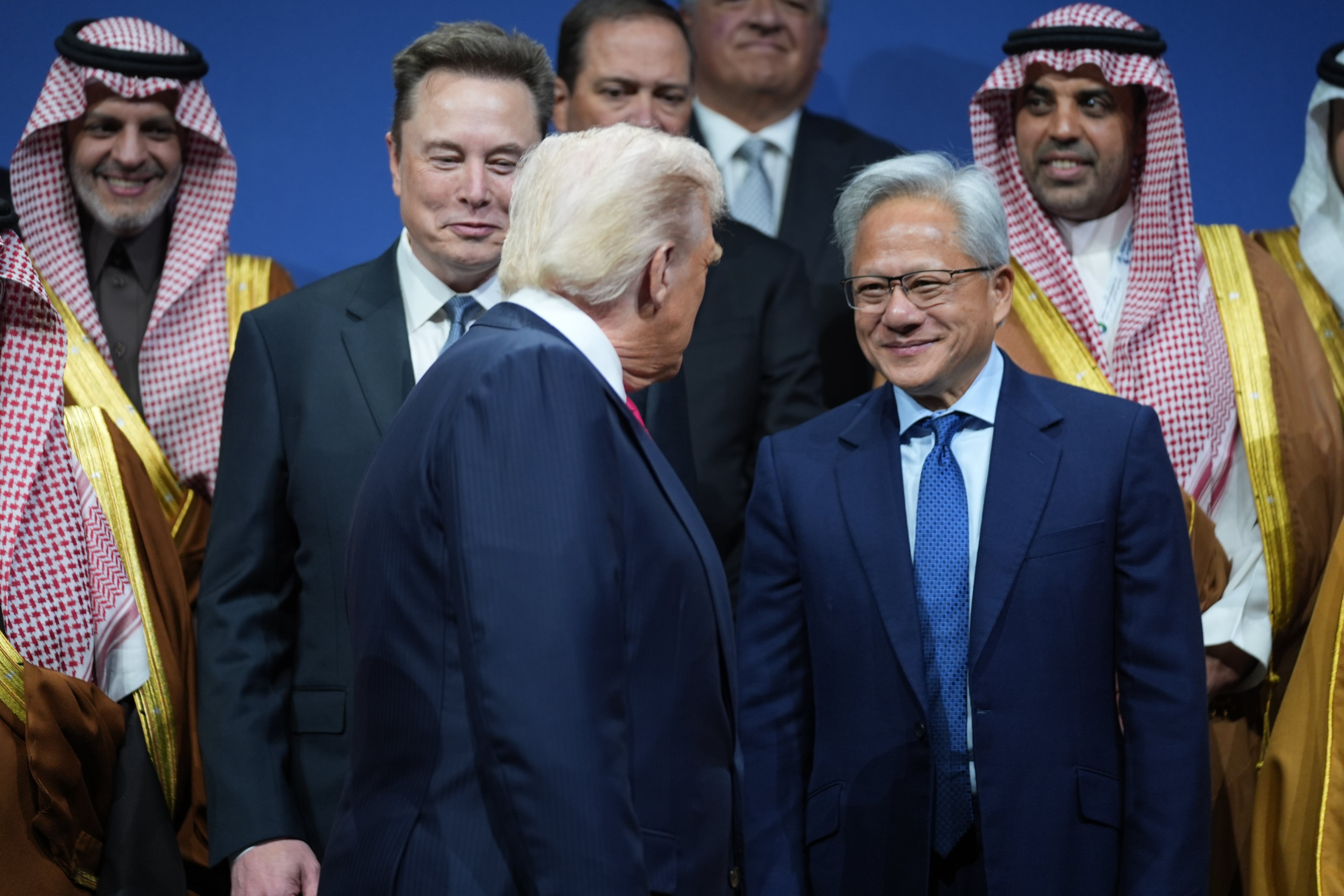
President Donald Trump says he will allow Nvidia to sell its H200 computer chip used in the development of artificial intelligence to “approved customers” in China. Trump said Monday on his social media site that he had informed China’s leader Xi Jinping and “President Xi responded positively!” There had been concerns about allowing advanced computer chips into China as it could help them to compete against the U.S. in building out AI capabilities. But there has also been a desire to develop the AI ecosystem with American companies such as chipmaker Nvidia.