Mobile gaming platform Playtika ($PLTK) began trading on the Nasdaq Friday in an initial public offering valuing the company at $1.88 billion, potentially making it the biggest IPO of the year so far.
The Israeli-based platform hosts a mix of casual and casino-themed games, with nine out of the top 100 games on Apple and Google Play, according to CFO Craig Abrahams.
In the lead-up to the public offering, the company benefited from a surge of interest in mobile gaming during the pandemic.
"During stay-at-home orders, people were looking for alternate means of entertainment during these tough times, and mobile gaming was one of the great places that they went for entertainment," Abrahams told Cheddar.
The company makes 97 percent of its revenue from in-app purchases, such as extra features bought within the game to extend or expand players' experience, and 3 percent from in-game advertising.
Funding from the IPO will support an ongoing growth strategy centered around acquisitions.
"There's a lot of opportunities in front of us," Abrahams said. "M&A has been a core part of our growth strategy."
He added that Playtika has made seven studio acquisitions over the last eight years and that the company is in a strong position to make another one in the near-term.
"We've always generated a tremendous amount of cash," he said.
Playtika is the first in what could be a full pipeline of game developers going public this year. Kids gaming site Roblox is planning a direct listing early in 2021, and mobile gaming conglomerate AppLovin is currently exploring a public option.
Updated on January 15, 2021, at 12:28 p.m. ET to reflect that trading was underway.
Retailers face tariffs and cost challenges this holiday season. Wells Fargo's Lauren Murphy shares insights on pricing, promotions, and shopping trends.
Dateability, founded by sisters Jacqueline and Alexa Child, is the only dating app for disabled and chronically ill communities, fostering love without limits.
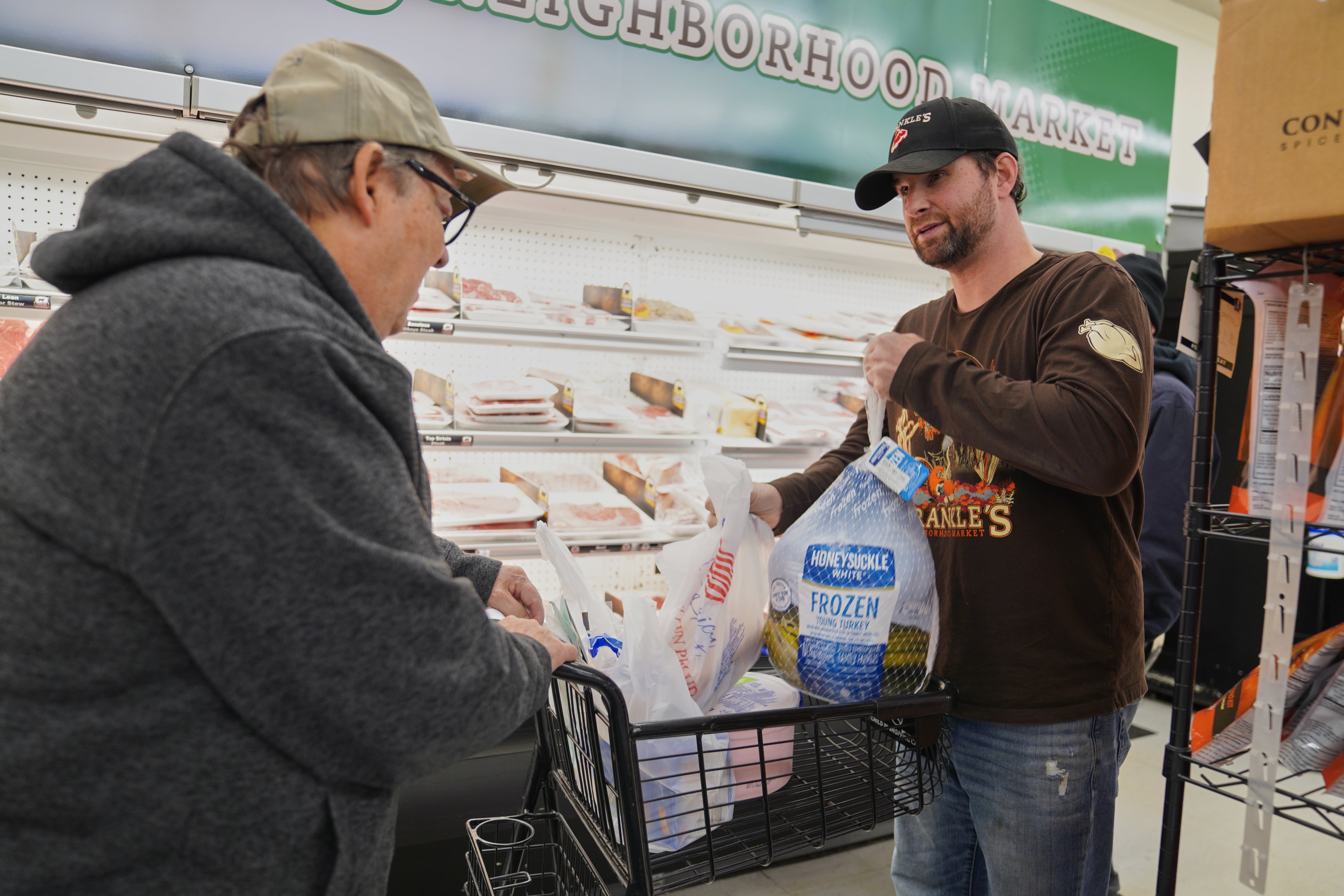
Some small grocery stores and neighborhood convenience stores are eager for the U.S. government shutdown to end and for their customers to start receiving federal food aid again. Late last month, the Trump administration froze funding for the SNAP benefits that about 42 million Americans use to buy groceries. The U.S. Department of Agriculture says about 74% of the assistance was spent last year at superstores like Walmart and supermarkets like Kroger. Around 14% went to smaller stores that are more accessible to SNAP beneficiaries. A former director of the United Nations World Food Program says SNAP is not only a social safety net for families but a local economic engine that supports neighborhood businesses.
Andy Baehr, Head of Product at CoinDesk Indices, breaks down crypto’s Black Friday crash, Bitcoin dipping under $100K, and what’s driving the market rout.
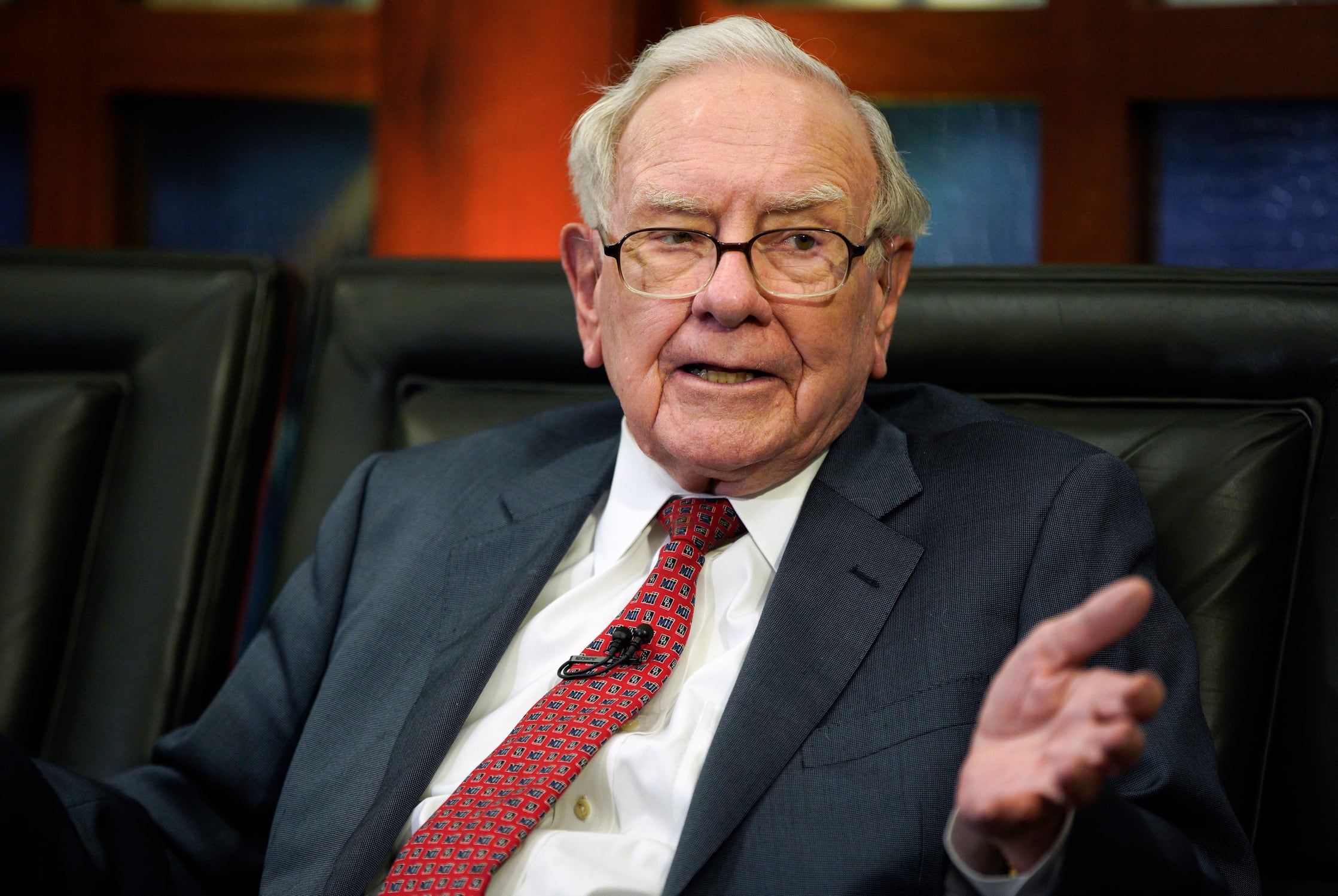
Billionaire Warren Buffett warned shareholders Monday that many companies will fare better than his Berkshire Hathaway in the decades ahead as Father Time catches up
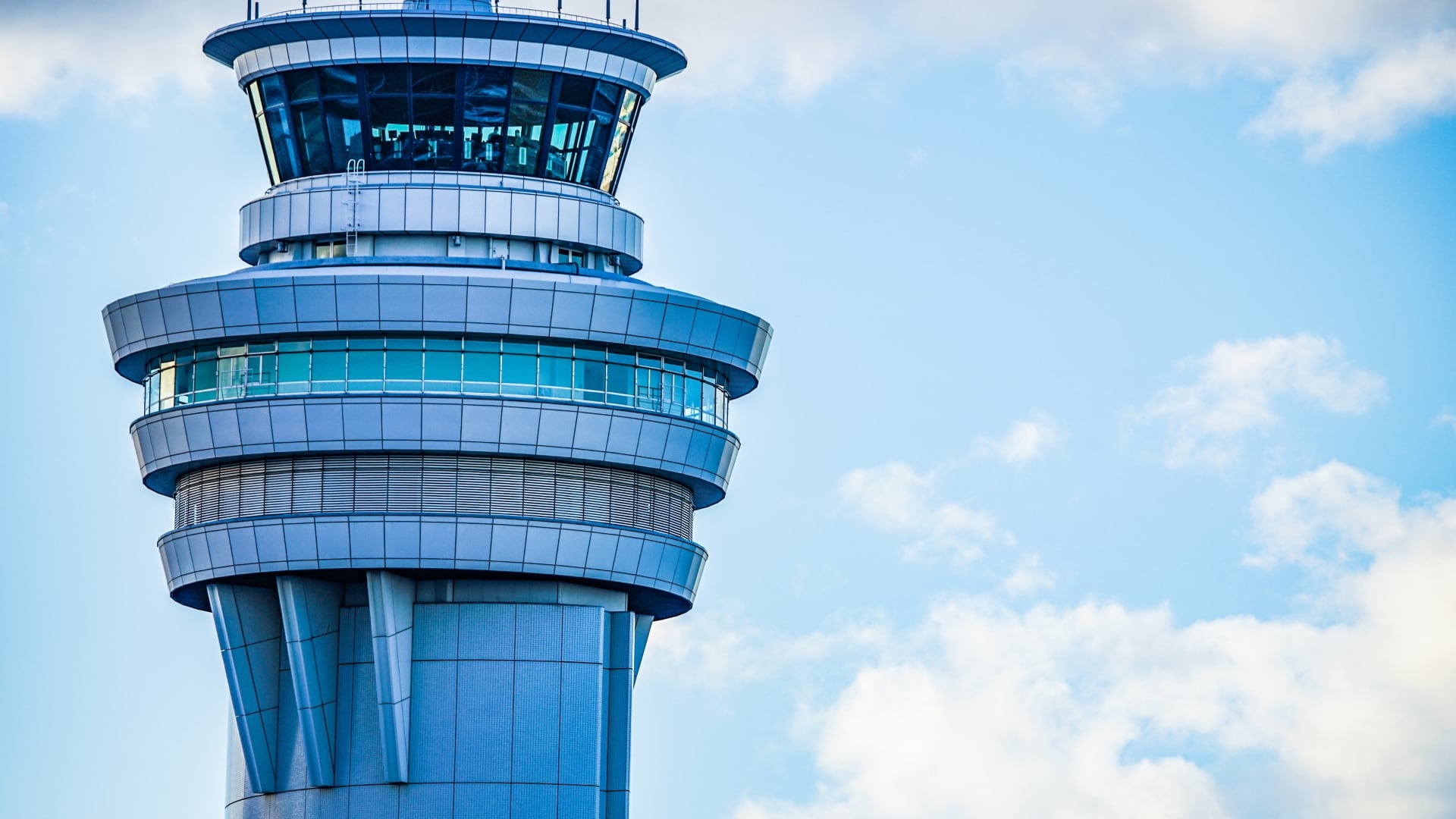
Chris Marquette of POLITICO breaks down how the FAA is cutting flights and facing a critical shortage of air‑traffic controllers amid the government shutdown.