The IRS is showcasing its new capability to aggressively audit high-income tax dodgers as it makes the case for sustained funding and tries to avert budget cuts sought by Republicans who want to gut the agency.

IRS leaders said they collected $38 million in delinquent taxes from more than 175 high-income taxpayers in the past few months.

In one case, an individual had used money owed to the government to buy a Maserati and a Bentley, and roughly 100 high-income people tried to get favorable tax treatment through Puerto Rico without meeting certain tax requirements. Many of those cases are expected to face criminal investigation.

“It just shows you how much money is out there in delinquent taxes, and there are so many more cases for us to tackle," said new IRS Commissioner Daniel Werfel, just four months into the job. “There’s just a significant opportunity there.”

No comparable figures exist for how those high-dollar tax collections compared with previous years, said Jodie Reynolds, speaking for the agency. Rather, the new data reflect an initiative that started after the agency received a new funding stream through the Inflation Reduction Act passed in August by Democrats.

The new data collection “is an example of work we expect to continue to focus on with IRA funding,” she said.

Werfel, in a call with reporters on Thursday, also cited the federal tax collector's enhanced ability to identify tax delinquents from resources provided by the Inflation Reduction Act.

The agency was in line for an $80 billion infusion under the law but that money is vulnerable to potential cutbacks.

House Republicans built a $1.4 billion reduction to the IRS into the debt ceiling and budget cuts package passed by Congress this summer. The White House said the debt deal also has a separate agreement to take $20 billion from the IRS over the next two years and divert that money to other non-defense programs.

Now, the agency is trying to show the value of the Inflation Reduction Act funding for taxpayers as appropriations season closes in, and to show the impact of its efforts to do more to audit high-income taxpayers. Last summer Treasury Secretary Janet Yellen gave the IRS leadership instructions not to increase audit rates on people making less than $400,000 a year annually, and to focus on high-income taxpayers.

A team of academic economists and IRS researchers in 2021 found that the top 1% of U.S. income earners fail to report more than 20% of their earnings to the IRS.

The IRS said its workers answered 3 million more phone calls than in the last filing season, cut wait times to 3 minutes from 28 and cleared the backlog of unprocessed 2022 tax returns that had no errors. It is opening new taxpayer assistance centers and holding events to help people who live far from the agency's in-person offices.

“The mixed results here of some taxpayers, still frustrated, and some taxpayers seeing dramatic improvements tells us we have more work to do,” Werfel said.

The IRS’s enforcement staff has shrunk by about one-third since 2010 and has been operating with outdated technology that the agency said it is gradually automating.

In April, the agency released a report outlining how it would spend the money allotted through the Inflation Reduction Act, such as bringing more paper-based systems online and answering taxpayers’ phone calls promptly.

Other plans are more ambitious, including exploring ways to create a government-operated electronic free-file tax return system, which is currently being piloted.

The idea of providing additional money for the agency has been politically controversial since 2013, when the IRS under the Obama administration was found to scrutinize political groups that applied for tax-exempt status.

A Treasury Department inspector general report found that both conservative and liberal groups were chosen for scrutiny.

Share:
More In Politics
Economy Appears to Be Back on Track in 2022 With Job Growth
Following the surprising big beat on estimates for the January jobs report, William M. Rodgers III, vice president and director of the Institute for Economic Equity at the Federal Reserve Bank of St. Louis, joined Cheddar News to break down the data. “We ended 2021 with a strong crescendo to a recovery that had taken hold, and we started 2022 in good fashion." He also discussed the dueling pressures of wage growth and inflation.
Justice Stephen Breyer to Retire
Jessica Mason Pieklo, senior vice president and executive editor of the Rewired News Group and co-host of the podcast. "Boom! Lawyered," joins Cheddar Politics to discuss Justice Stephen Breyer's retirement, legacy and potential replacement on the Supreme Court.
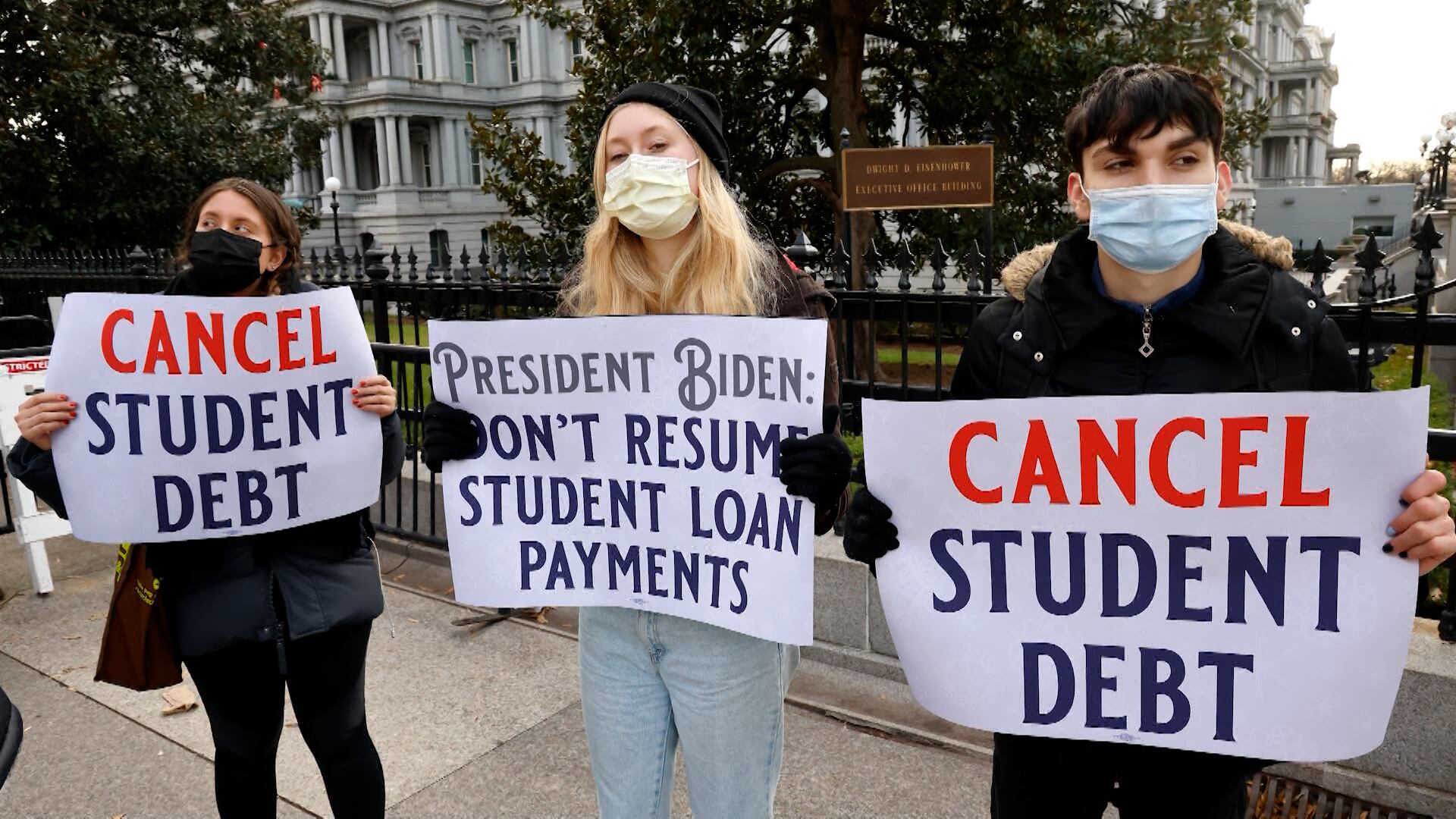
Student Borrowers Anxious for Payments to Resume in May
The Biden administration delivered a temporary win for student loan borrowers this year by extending the moratorium on federal payments for a few more months. That moratorium is coming to an end on May 1st and borrowers will again have their monthly loan payment plopped in their lap. Stephanie Vanderslice, a creative writing professor paying off debt through the Parent Plus program, and Mike Pierce, executive director of the Student Borrower Protection Center, join Cheddar Politics to discuss.
The Legacy of Justice Stephen Breyer
2022 was already going to be a big year for the Supreme Court. We have decisions on major issues like abortion and gun rights on the way. Then, Justice Stephen Breyer announced his retirement and that set up a major confirmation fight for later this year. Amy Howe, co-founder of SCOTUSblog, joins Cheddar Politics to discuss.
White House Economic Adviser on January Job Growth, Wages vs. Inflation
The Labor Department released a better-than-expected report of 467,000 jobs added in January. Heather Boushey, Council of Economic Advisers Member for President Biden, joined Cheddar to tout the administration's handling of the economy amid the pandemic and the upward revisions for the previous month. "It also shows that, because of the revisions, the economy was stronger over the past couple of months," she said. "I don't think that this can be said enough, but economic forecasting during an historic pandemic is extremely difficult." Boushey also addressed issues involving wage growth versus the rapid rise of inflation.
'Stellar' January Jobs Report Shows Much Ground Recovered Since Start of Pandemic
The Labor Department's January jobs report showed 467,000 jobs were added, compared to the 150,000 that were projected, a sign that employment is continuign to return to pre-pandemic levels. Lindsey Piegza, chief economist at investment bank Stifel, joined Cheddar to break down the report, noting the big gains but adding a note of caution. "Remember, even with this morning's stellar report, we're still millions below that level that we had reached prior to the onset of COVID-19," she said." Yes, we are recapturing jobs. We still have further ground that needs to be made before we can talk about reaching that previous peak." Piegza also discussed the role of the Federal Reserve going forward as the employment figures turn more positive.
Rep. Ayanna Pressley Wants Biden to Deliver Legislation, Student Debt Relief for Black Voters
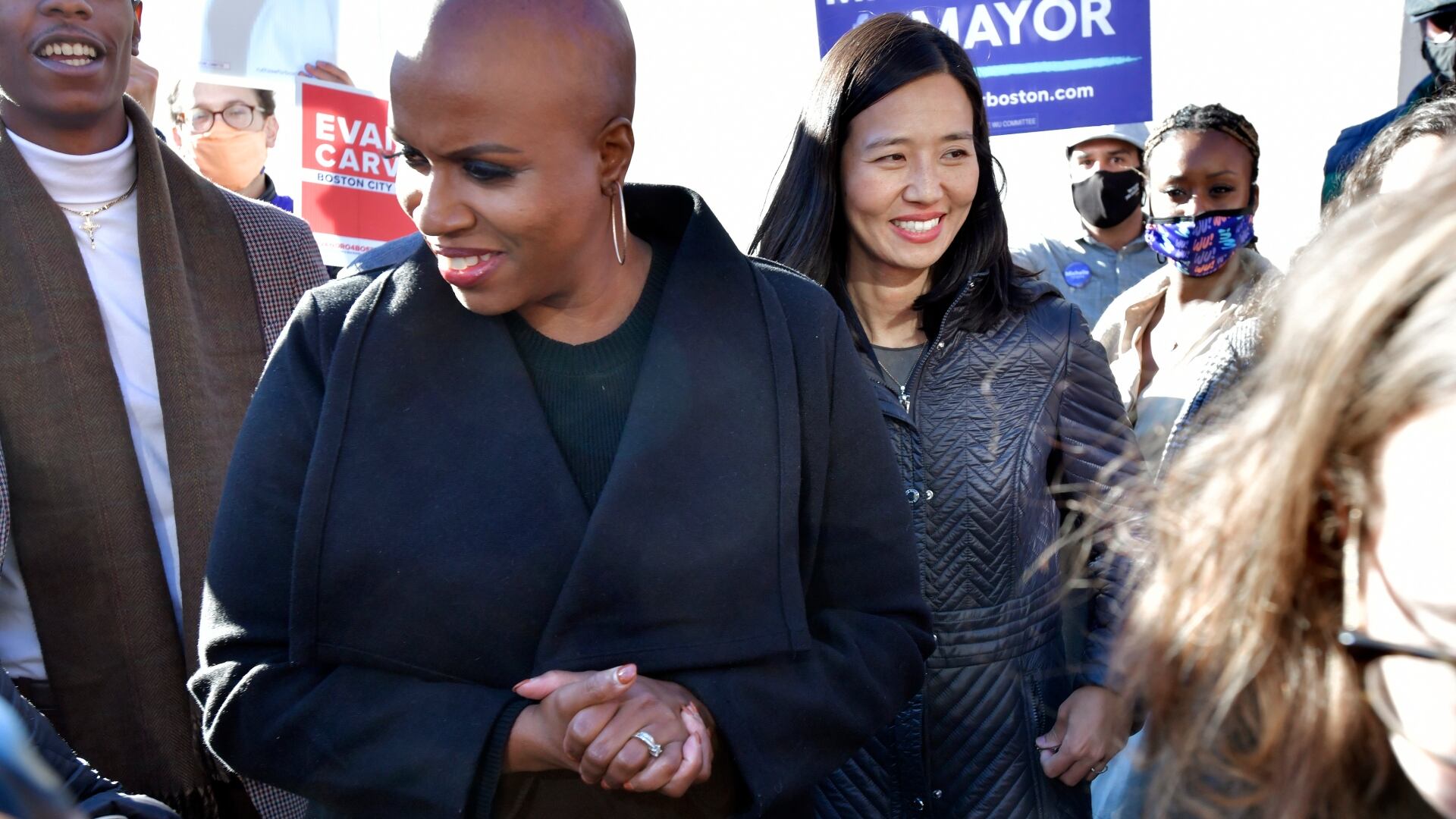
As President Biden's poll numbers fall with Black voters, Rep. Ayanna Pressley (D-Mass. 7th District) joined Cheddar to discuss what she feels could help the embattled administration: deliver on policies. Pressley pointed to stalled legislation such as new voting rights laws and Build Back Betters and canceling student loan debt, which would go a long way to improving his standing with Black constituents. "President Biden has the authority and the power to alleviate this burden, which would also help in closing the racial wealth gap, and he can do it by executive action with the stroke of a pen," she said. "And it doesn't require one vote from Congress. So, the Biden administration just needs to deliver to Black America in a tangible and impactful way."
Load More