The IRS is showcasing its new capability to aggressively audit high-income tax dodgers as it makes the case for sustained funding and tries to avert budget cuts sought by Republicans who want to gut the agency.
IRS leaders said they collected $38 million in delinquent taxes from more than 175 high-income taxpayers in the past few months.
In one case, an individual had used money owed to the government to buy a Maserati and a Bentley, and roughly 100 high-income people tried to get favorable tax treatment through Puerto Rico without meeting certain tax requirements. Many of those cases are expected to face criminal investigation.
“It just shows you how much money is out there in delinquent taxes, and there are so many more cases for us to tackle," said new IRS Commissioner Daniel Werfel, just four months into the job. “There’s just a significant opportunity there.”
No comparable figures exist for how those high-dollar tax collections compared with previous years, said Jodie Reynolds, speaking for the agency. Rather, the new data reflect an initiative that started after the agency received a new funding stream through the Inflation Reduction Act passed in August by Democrats.
The new data collection “is an example of work we expect to continue to focus on with IRA funding,” she said.
Werfel, in a call with reporters on Thursday, also cited the federal tax collector's enhanced ability to identify tax delinquents from resources provided by the Inflation Reduction Act.
The agency was in line for an $80 billion infusion under the law but that money is vulnerable to potential cutbacks.
House Republicans built a $1.4 billion reduction to the IRS into the debt ceiling and budget cuts package passed by Congress this summer. The White House said the debt deal also has a separate agreement to take $20 billion from the IRS over the next two years and divert that money to other non-defense programs.
Now, the agency is trying to show the value of the Inflation Reduction Act funding for taxpayers as appropriations season closes in, and to show the impact of its efforts to do more to audit high-income taxpayers. Last summer Treasury Secretary Janet Yellen gave the IRS leadership instructions not to increase audit rates on people making less than $400,000 a year annually, and to focus on high-income taxpayers.
The IRS said its workers answered 3 million more phone calls than in the last filing season, cut wait times to 3 minutes from 28 and cleared the backlog of unprocessed 2022 tax returns that had no errors. It is opening new taxpayer assistance centers and holding events to help people who live far from the agency's in-person offices.
“The mixed results here of some taxpayers, still frustrated, and some taxpayers seeing dramatic improvements tells us we have more work to do,” Werfel said.
The IRS’s enforcement staff has shrunk by about one-third since 2010 and has been operating with outdated technology that the agency said it is gradually automating.
In April, the agency released a report outlining how it would spend the money allotted through the Inflation Reduction Act, such as bringing more paper-based systems online and answering taxpayers’ phone calls promptly.
Other plans are more ambitious, including exploring ways to create a government-operated electronic free-file tax return system, which is currently being piloted.
The idea of providing additional money for the agency has been politically controversial since 2013, when the IRS under the Obama administration was found to scrutinize political groups that applied for tax-exempt status.
A Treasury Department inspector general report found that both conservative and liberal groups were chosen for scrutiny.
President Biden announced a ban on Russian oil and natural gas imports to the U.S. in response to its invasion of Ukraine, a move he warned could lead to an even greater surge in gas prices. The ban is prompting a conversation about the current oil production levels in the U.S. and whether or not the industry can ramp up production to soften the blow to American families at the gas pump. Clark Williams-Derry, Energy Finance Analyst with the Institute for Energy Economics and Financial Analysis, breaks down the state of the U.S. oil industry and how the ban might impact production levels here at home.
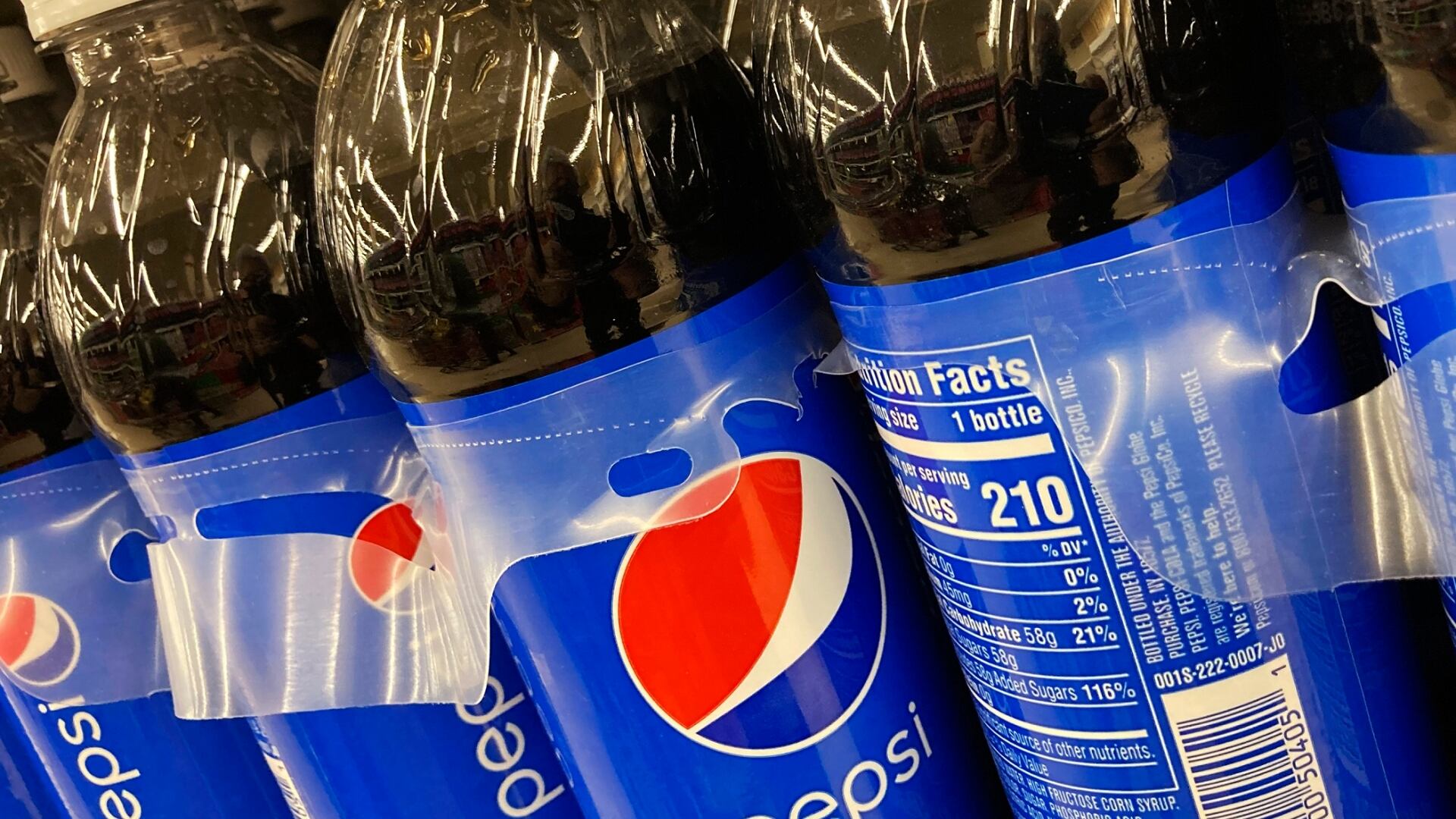
PepsiCo, Coca-Cola, McDonald’s, and Starbucks are the latest American food brands to have halted business operations in Russia after having faced scrutiny and criticism for originally failing to do so amid the country's invasion of Ukraine.
As Russia intensifies its war on Ukraine, President Biden announced a ban on oil imported from the aggressor nation. Critics of Russia have said this would be the best way to force Putin to pull back, but curbs on Russian oil exports are expected to send already skyrocketing oil and gas prices even higher, further impacting consumers, businesses, financial markets, and the global economy. Leslie Beyer, CEO of the Energy Workforce and Technology Council, joined Cheddar News' Closing Bell to discuss. "It's certainly going to increase pricing, but it is the right thing to do," she said. "The industry itself has already pulled out of the significant portion of its operations in Russia."
Sports Betting in the U.S. is booming. According to industry experts, we could see another boom this year as more states move towards statewide legalization of sports wagering. While this comes as huge news for fans, there are some very real concerns as to whether or not sports betting potentially poses a threat to public health. Senior Clinician at the Caron Treatment Centers, Eric Webber, joined Cheddar to discuss more.
The Biden administration has made gender policy a core part of how it governs. The president established the first Gender Policy Council. It's on the same level as the National Security Council, Domestic Policy Council and National Economic Council, putting the interests of women and other underserved groups at the table for the most important policy discussions.
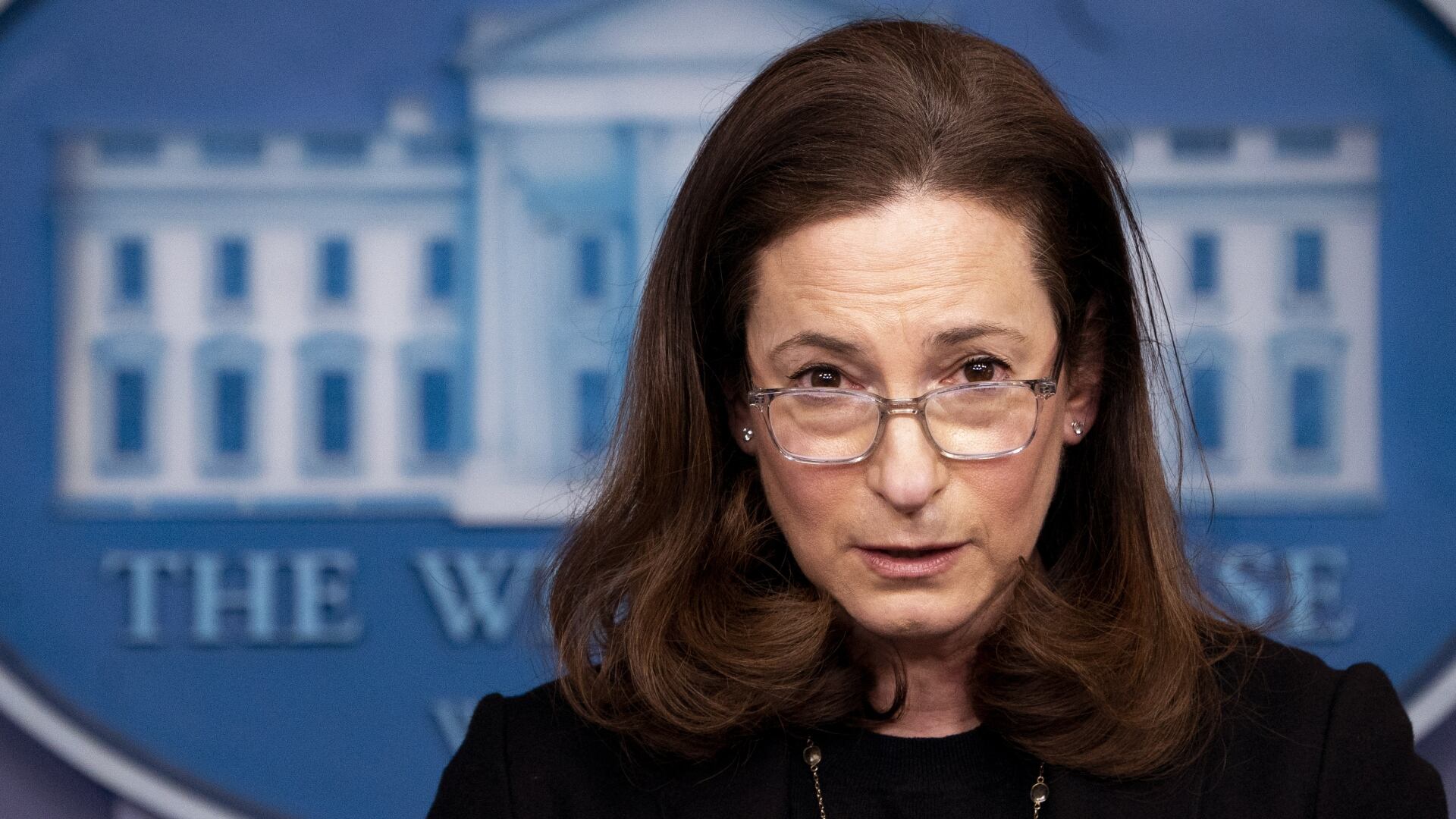
Cheddar News sat down with Jennifer Klein, executive director and co-chair of the White House Gender Policy Council, to discuss the council's work and its significance during Women's History Month.
State Representative Jessica González, Vice Chair of the Texas House LGBTQ Caucus, joins Cheddar News to discuss the latest Texas anti-transgender directive.
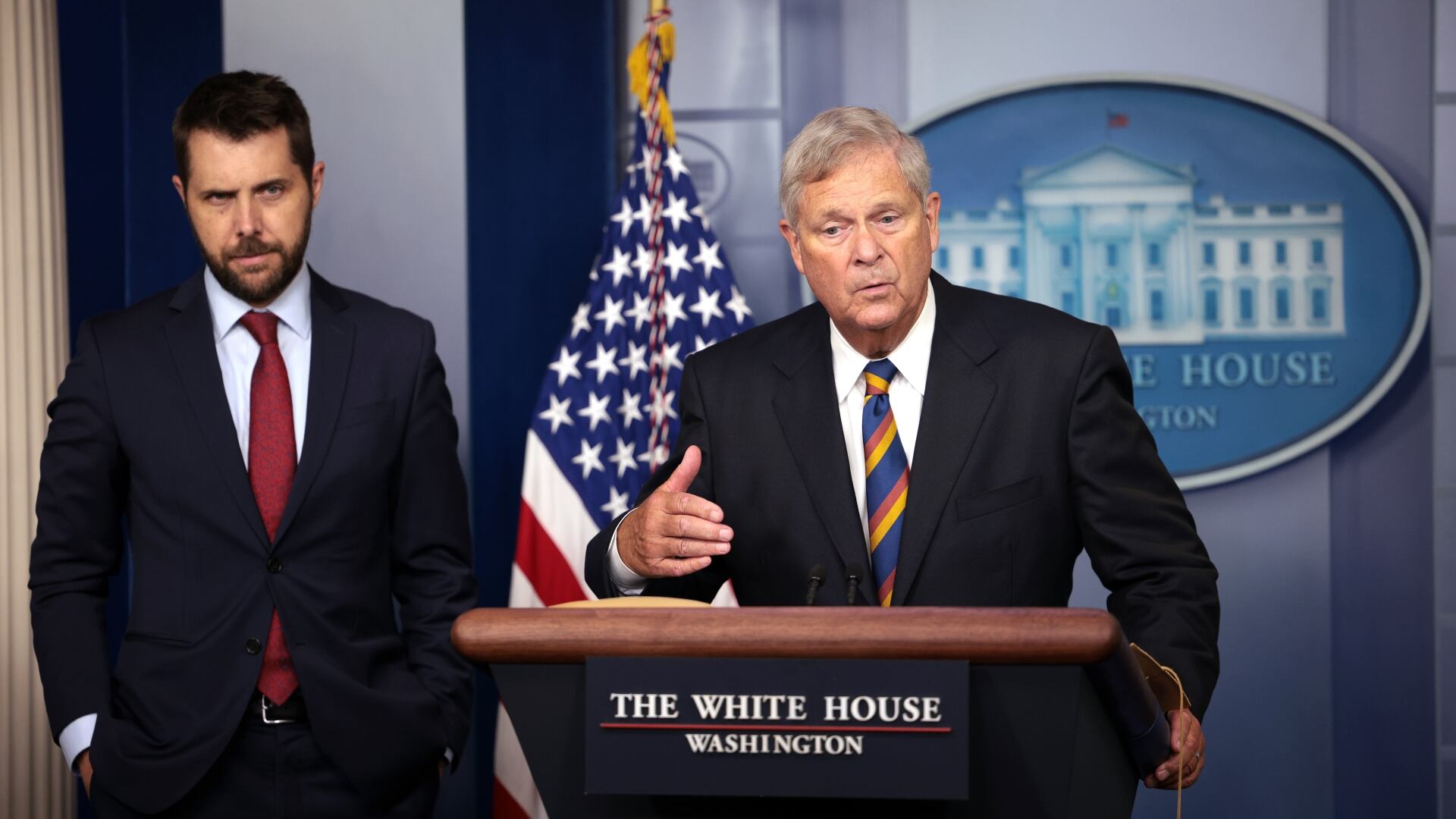
The United States Secretary of Agriculture, Tom Vilsack joins None of the Above to discuss the newly emerging conflict in Europe, what it means for agriculture in the states, dairy and meat consumption, and how the department is planning to promote climate-smart agriculture.
Tens of thousands of people have fled Ukraine in attempts to escape the Russian Invasion. According to the U.N. neighboring countries like Poland, Hungary, and even Romania have seen half a million refugees. While the hospitality is being welcomed by many, it also highlights the mistreatment of migrants and refugees from the Middle East and Africa. Professor of Philosophy and Director of Politics at Northeastern University Serena Parekh, joined Cheddar, to discuss more.
As Russia unleashed war in the country of Ukraine, global leaders have started inflicting punishment on Vladimir Putin's regime via commercial and financial penalties. According to President Joe Biden Putin's aggression is "a flagrant violation of international law and it demands a firm response from the international community".However, the main question is will these sanctions actually work. Partner at Jenner & Block LLP, Rachel Alpert, joined Cheddar to discuss more.