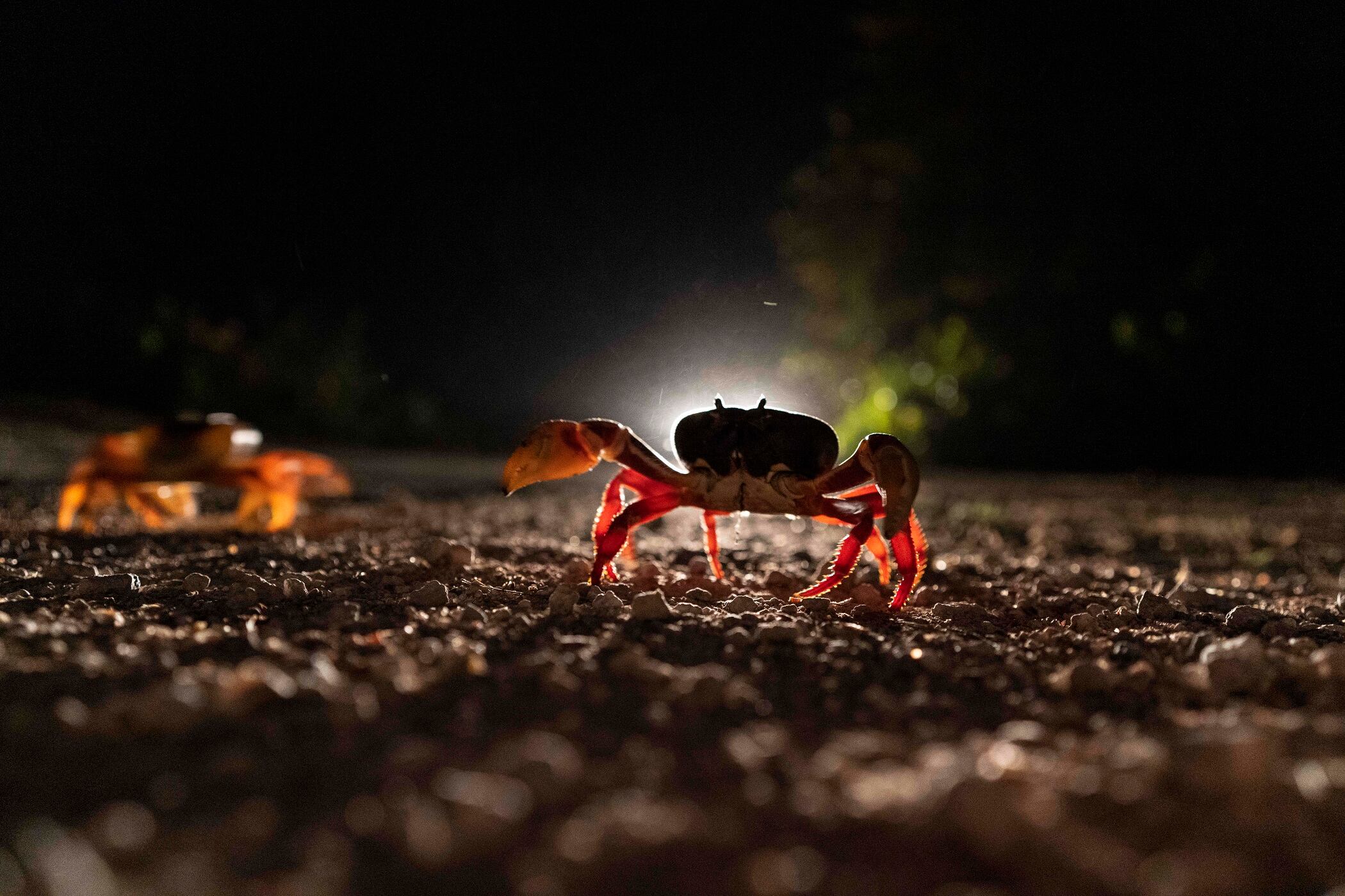
Crabs cross a road in Giron, Cuba, Sunday, April 10, 2022. Millions of crabs emerge at the beginning of the spring rains and start a journey to the waters of the Bay of Pigs to spawn in a yearly migration. (AP Photo/Ramon Espinosa)
Every year in Cuba, millions of crabs emerge from the forest at the beginning of the spring rains and head for the waters of the Bay of Pigs, crossing streets and highways on a perilous journey to mate and reproduce.
Now underway, the migration causes concern to drivers who try to swerve in an often futile attempt not to kill the crustaceans. The crabs are a nuisance to residents but the sight of their road-crossing is a wonder for tourists and other first-time onlookers.
“They got here before us,” said Amaury Urra, a 50-year-old hiking guide who spent his entire life in this part of the Ciénega de Zapata, the largest wetland in the Caribbean, particularly picturesque for the backdrop of turquoise sea waters and the coastal cliffs. ″We’re used to this.″
“Where I live, which is in the center of the town of Girón, the crabs don’t get there as much,″ though there are plenty on the outskirts, he said.
Located about 180 kilometers (110 miles) southeast of Havana, the area was the scene of a 1961 failed invasion by Cuban exiles who signed up for a covertly CIA-funded operation to overthrow Fidel Castro.
This year, the crabs started their journey early. At the end of March, the municipal authorities issued a warning to drivers to avoid traveling in the morning and evening hours - the favorite crossing times for the crabs. Environmentalists usually demand the closure of the main road, especially at key migration times.
The passage of the red crustaceans — the species is called gecarcinus ruricola — could last until July. The largest amount of traffic occurs between April and May. Residents have to be careful: When the crabs feel threatened, they can puncture car tires with their pincers.
Official figures estimate that some 3.5 million crabs die each season on the road, many crushed by passing vehicles. They take a minute and a half to cross.
This type of crab lives and migrates in the Bahamas, Nicaragua, Jamaica and Dominica. But only here, and perhaps in another sector of the coast towards the neighboring province of Cienfuegos, does its path collide so dramatically with human traffic.
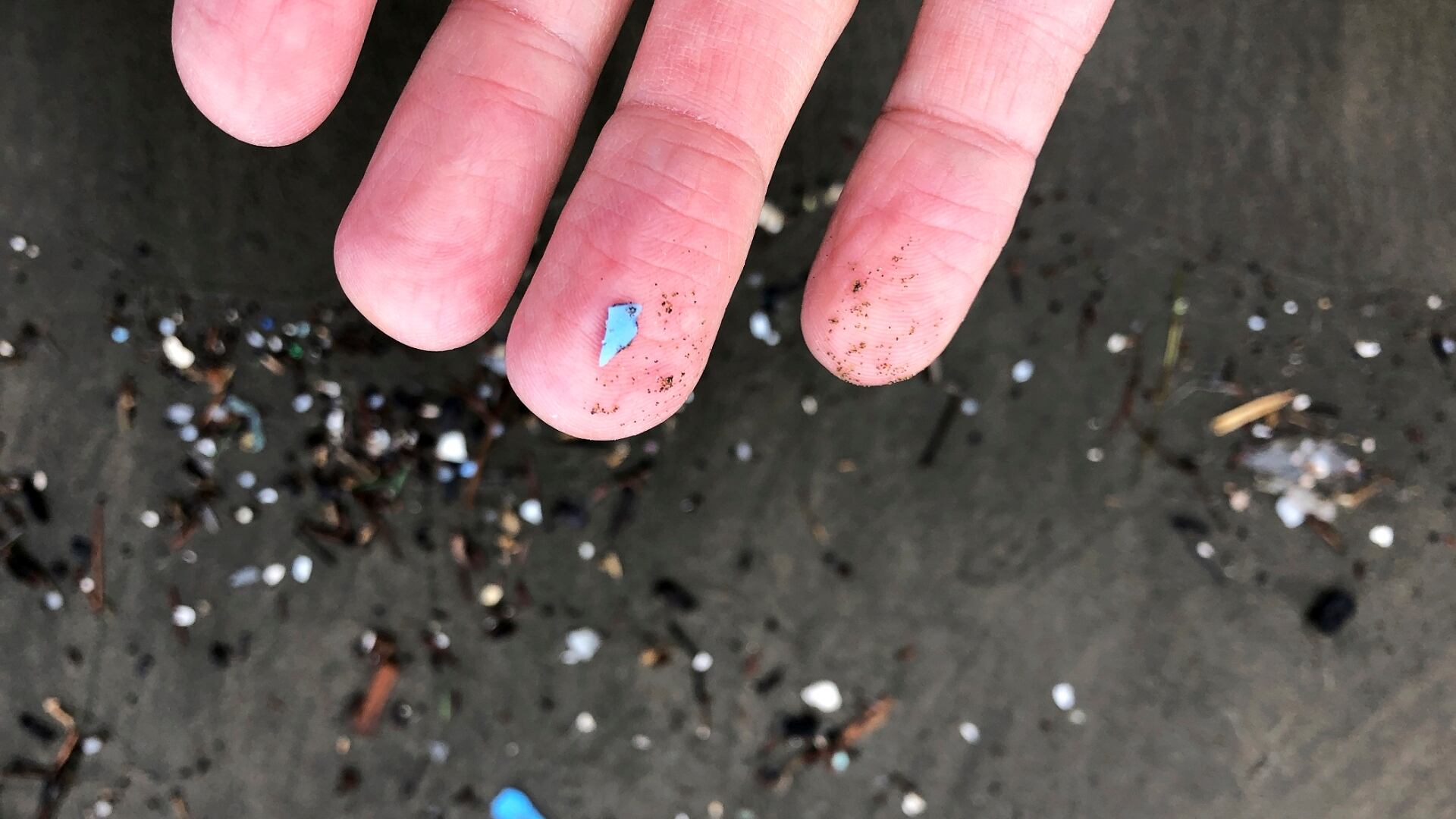
For the first time microplastics have been found deep in the lungs of living humans. The trace materials potentially came from everyday items such as plastic bottles and bags. Dr. Jessica Shepherd, the chief medical officer at Verywell Health, joined Cheddar News to talk about the report's findings and to discuss the possible risks people might face. "The study’s most important part is we need to decrease our pollution, and we need to think about different ways to consume outside of plastic," she said.
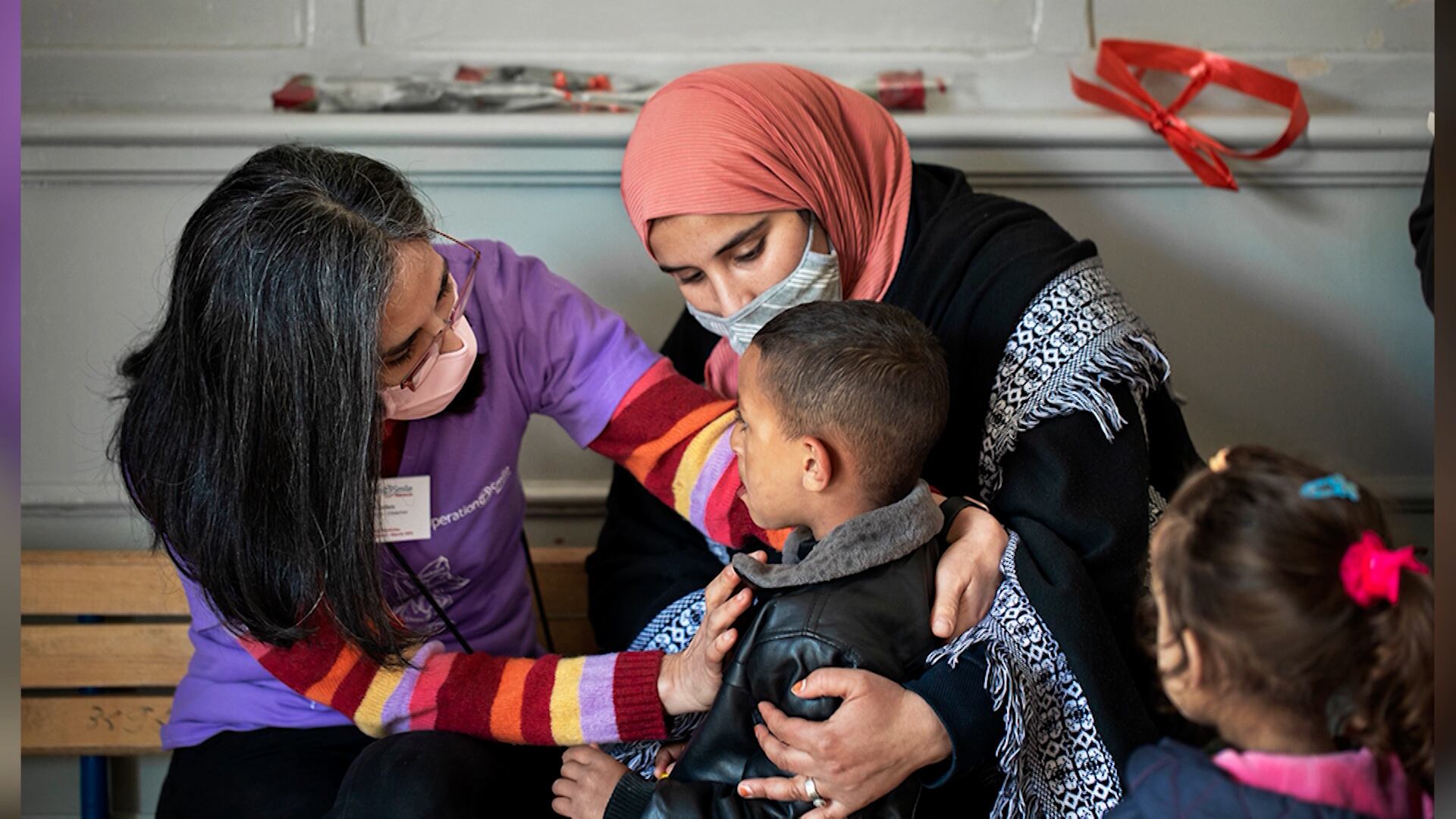
An estimated five billion people lack access to affordable and safe surgical care around the world. For World Health Day, Cheddar News spoke with Kristie Magee Porcaro of Operation Smile, a nonprofit organization assisting with cleft lip and palate surgeries, about how they work to better it around the globe.
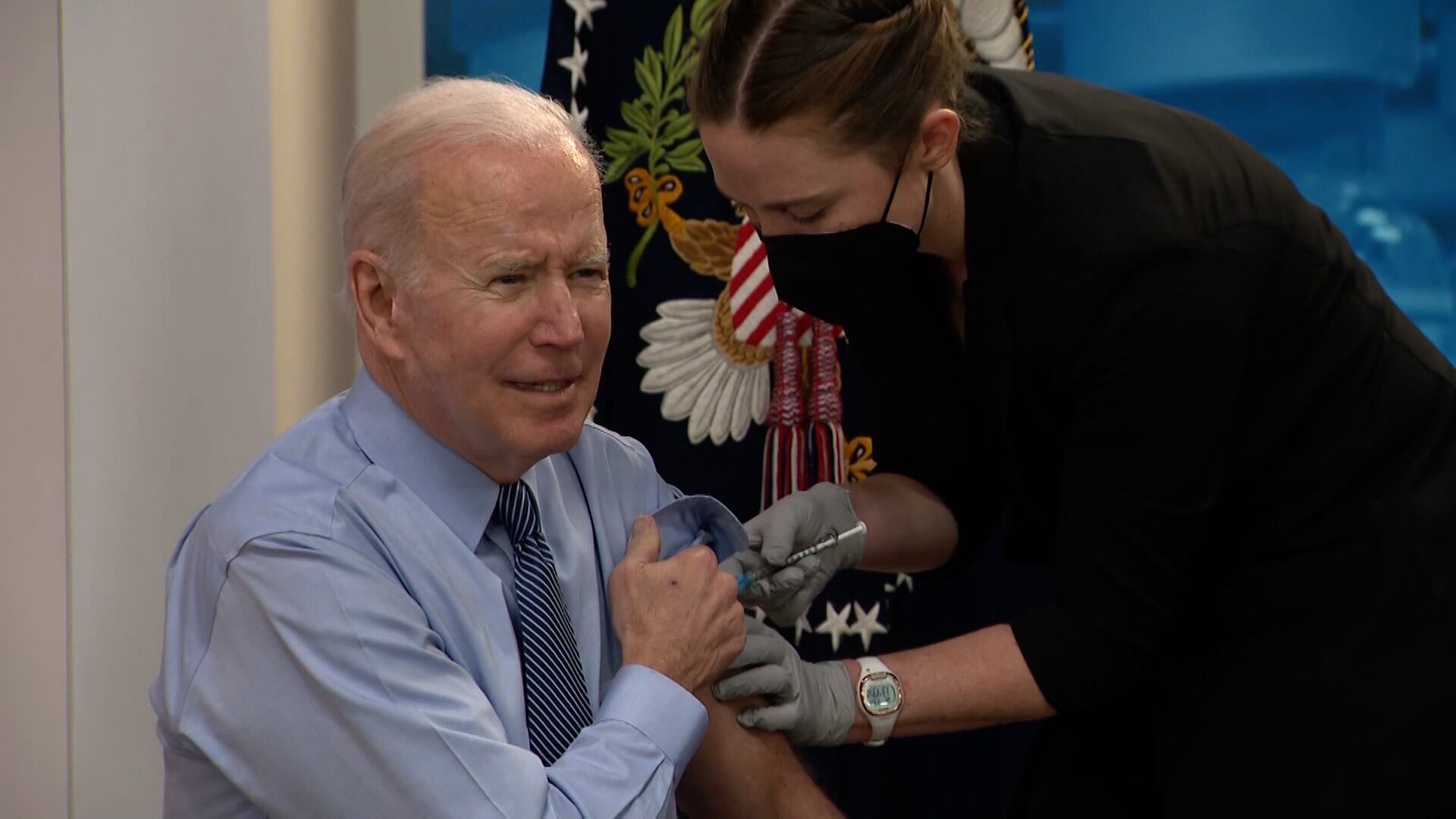
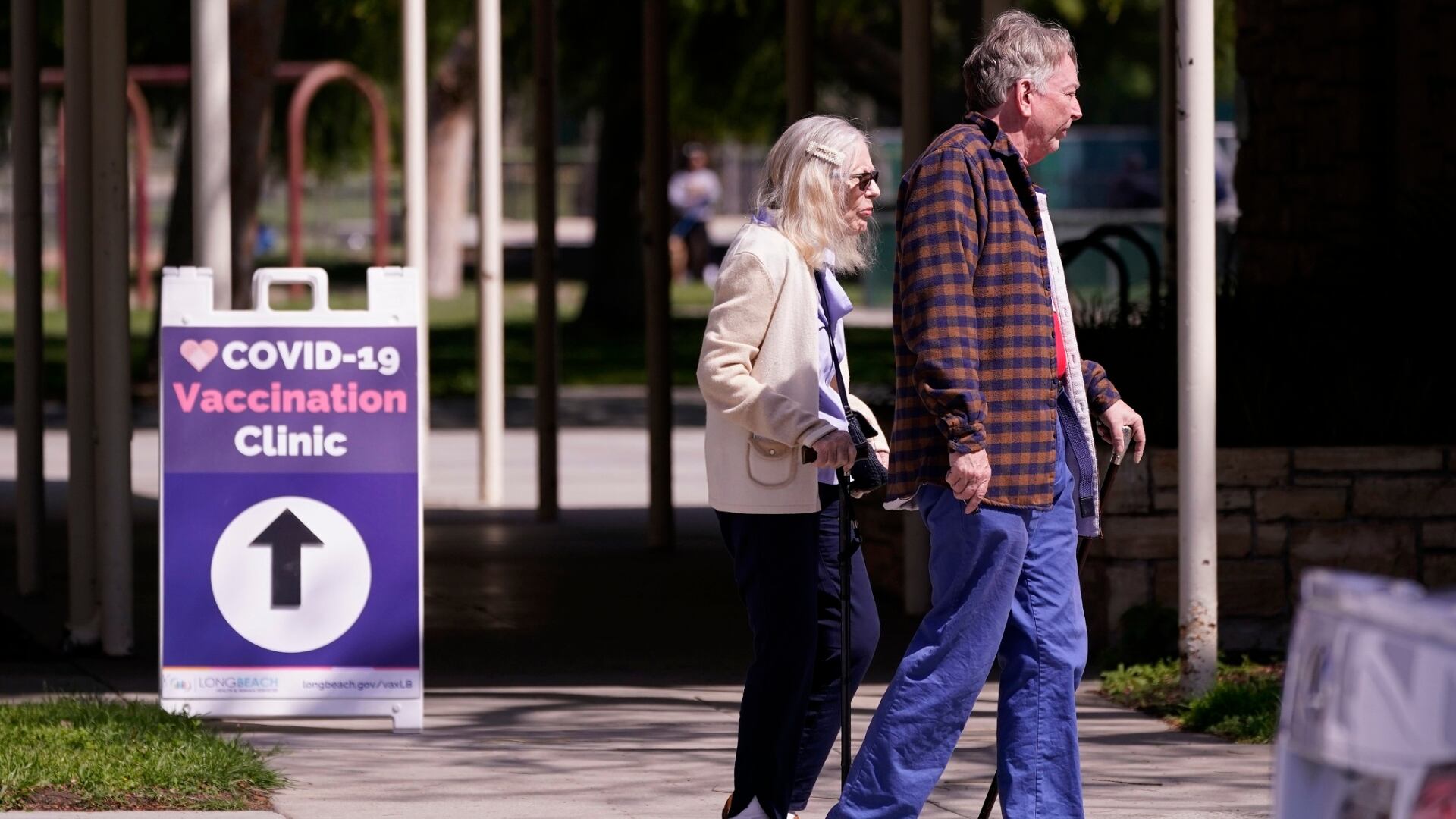
There has been notable disagreement in the medical community about a fourth COVID-19 vaccine dose. The FDA last week authorized a second booster dose for older and immunocompromised individuals, as some agency officials did not support the idea. The FDA made the decision without meeting with its advisory committee, as it had ahead of its recommendations on the previous COVID-19 vaccine doses.
The CDC followed in the footsteps of the FDA and authorized a fourth dose as well. Reports say the agency also did not discuss the move with its own advisory team of vaccine experts. Now, a growing number of doctors are speaking out against the decisions - leaving people confused about whether they should get another vaccine dose. Dr. Julie Morita, a member of the CDC's advisory committee to the director, and the executive vice president of the Robert Wood Johnson Foundation, joins Cheddar News' Closing Bell to discuss.
Talmon Marco, CEO of H2Pro, joins Cheddar Innovates to discuss how to bring environmentally friendly hydrogen to scale, and what this means for hydrogen's many use cases.
Catching you up on what you need to know on April 7, 2022, with updates on Ukraine urging NATO for military aid for their war with Russia, the SEC investigating Amazon, microplastics being found deep inside human lungs for the first time, and more.
Patients who have grown frustrated with lingering COVID-19 symptoms and unanswered questions are now not only the subjects of "long covid" research, but also partners in pushing this research forward. Harlan Krumholz, professor of medicine at Yale University, joins Cheddar News to discuss.
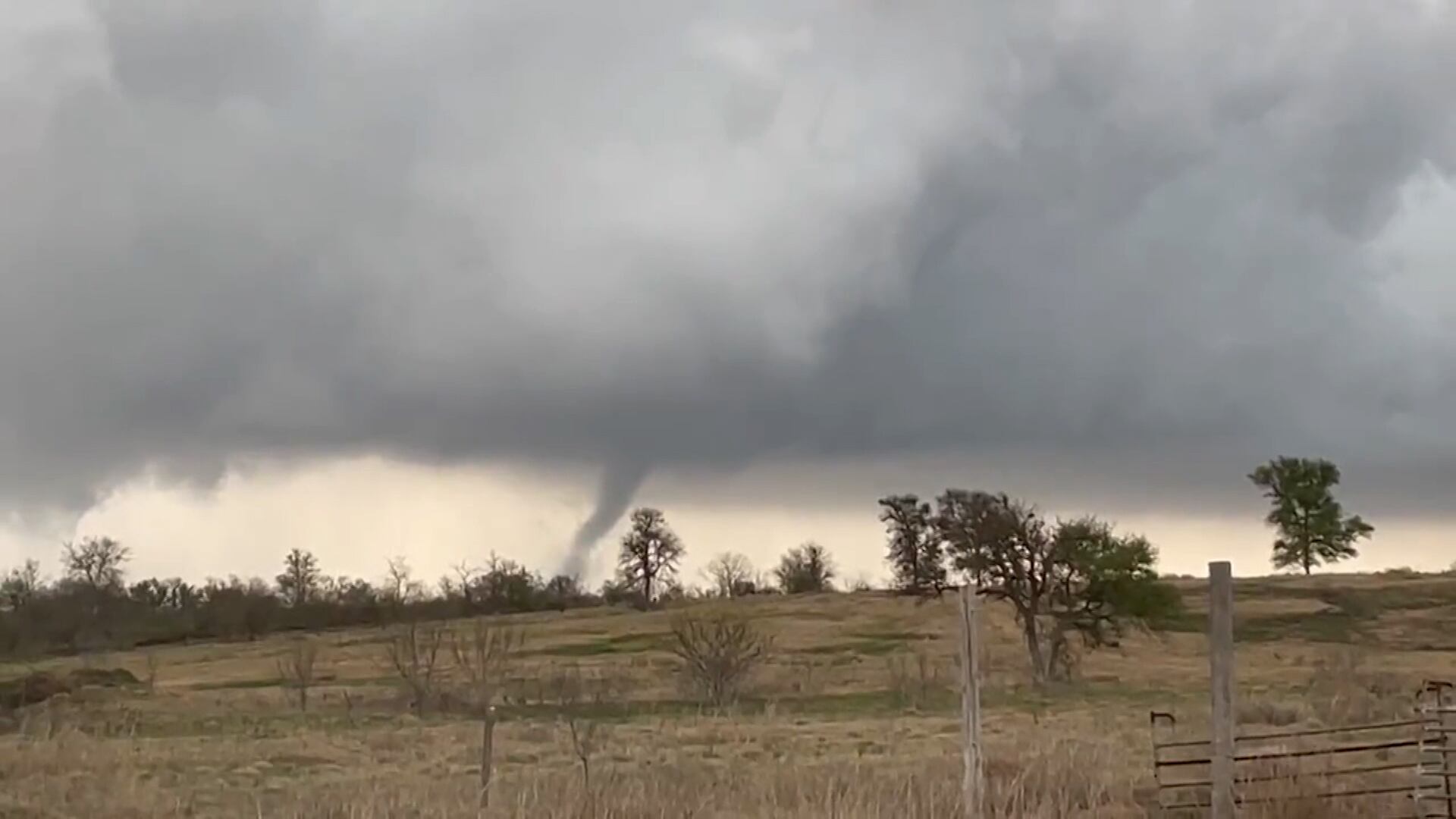
A record number of tornadoes were observed in March, topping the previous record set last year. Cheddar News speaks with NOAA’s Harold Brooks about what the implications are of an early tornado season.
Catching you up on what you need to know on April 6, 2022, with updates on the FDA’s meeting to discuss a second COVID booster shot, more on the war in Ukraine, tornadoes on the Gulf coast, a third suspect arrested in connection to the mass shooting in California, Darwin’s lost notebooks mysteriously returned, and more.
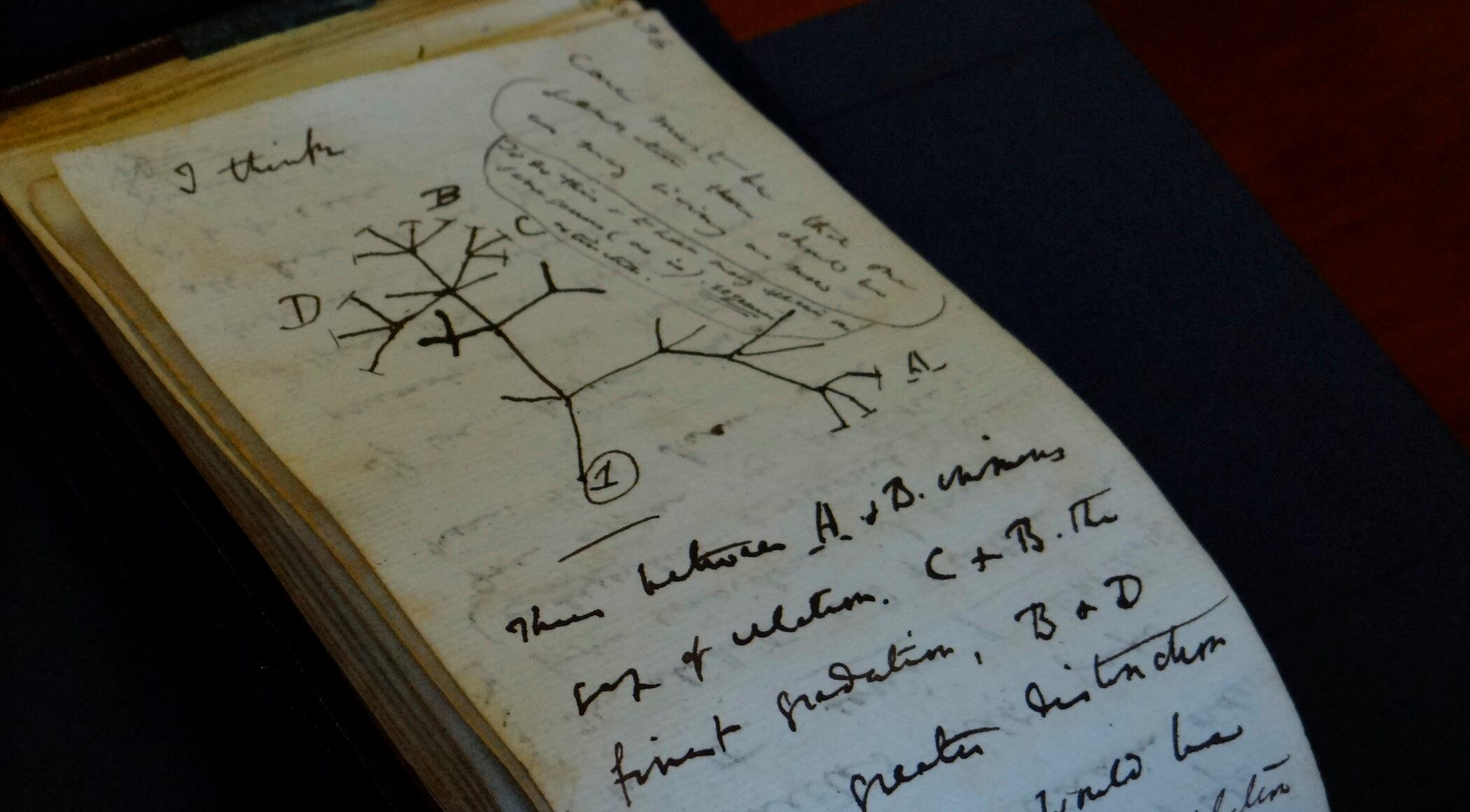
Two of naturalist Charles Darwin’s notebooks that were reported stolen from Cambridge University have been returned, two decades after they disappeared.